AI Solar Energy Management Explained: Cut Bills Now
You open your monthly electricity bill and feel a familiar frustration. Rates keep climbing, and you wonder if there is a better way to power your home without relying so heavily on the grid. That search often leads homeowners to research ai solar energy management explained , a modern approach that combines smart technology with solar panels to reduce costs and increase control. By understanding how artificial intelligence optimizes your home’s energy use, you can take the first step toward lower bills and greater energy independence.
Understanding ai solar energy management explained
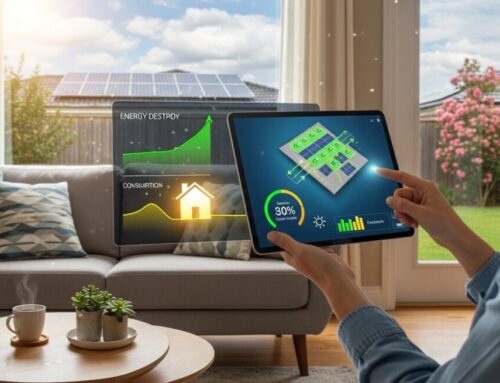
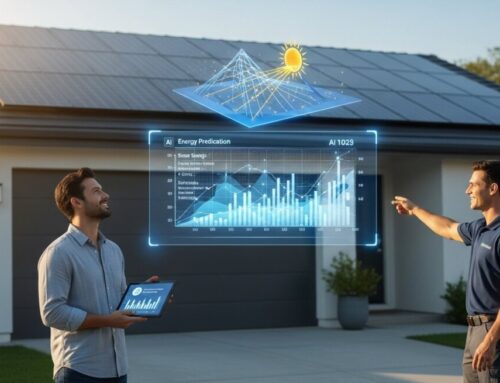
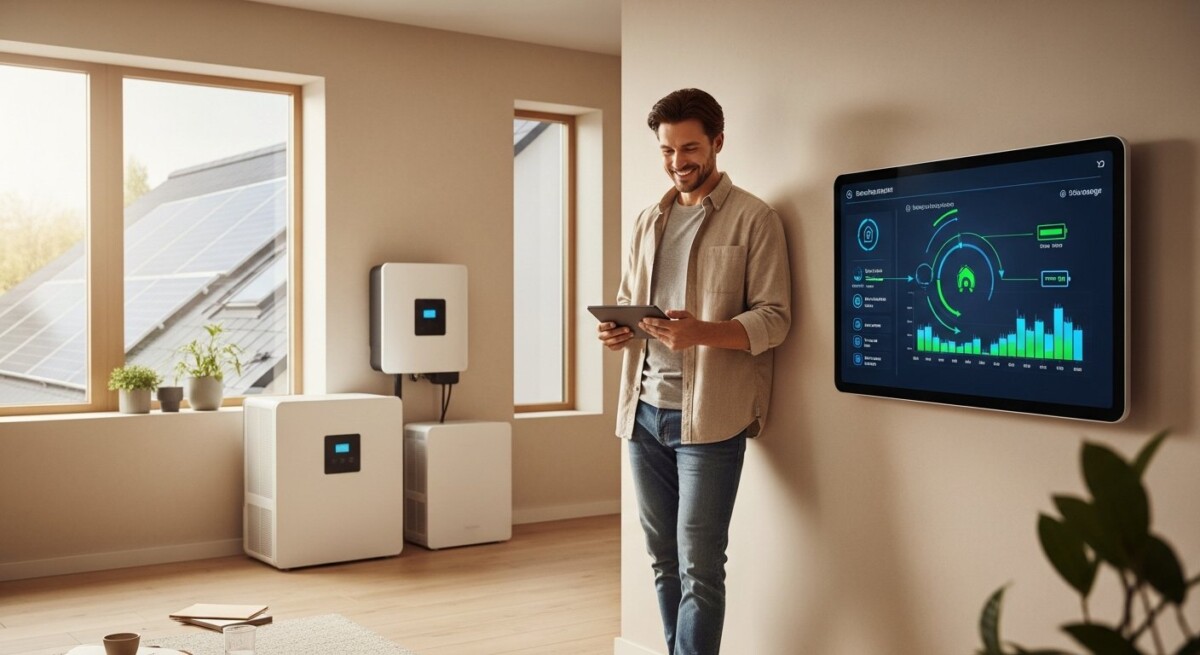
At its core, ai solar energy management explained means using artificial intelligence to monitor, predict, and adjust how your home uses electricity from solar panels and the grid. Instead of solar panels working in a fixed way, AI learns your daily habits , when you run the dishwasher, when the AC kicks on , and shifts energy usage to times when solar production is highest or electricity rates are lowest.
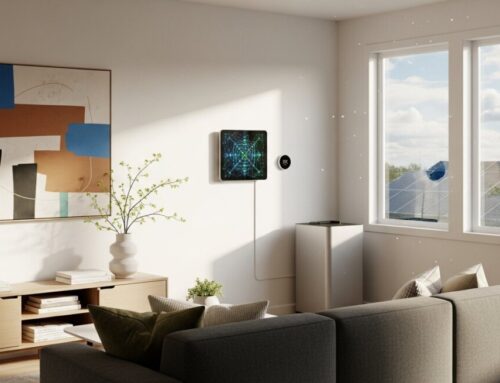
Think of it as a smart assistant for your home’s energy system. The AI software connects to your solar inverter, battery storage, and smart appliances through a central hub. It analyzes weather forecasts, past consumption patterns, and real-time solar generation to decide whether to power your home directly from panels, store excess energy in a battery, or pull from the grid. This dynamic management can shave 10,30% off your electric bill compared to solar alone.
More homeowners are turning to this technology because it removes guesswork. You no longer need to manually time your laundry or track sunset hours. The system handles the decisions automatically, maximizing savings while keeping your home comfortable. In our guide on AI energy management systems, we explain how these tools integrate with different solar setups.
Why Solar Energy Is Becoming More Popular
Electricity prices have risen steadily over the past decade, and many homeowners see solar as a way to lock in predictable energy costs. Instead of watching your utility bill climb year after year, solar panels let you generate your own power and protect your budget from future rate hikes.
Environmental concerns also play a role. Solar energy produces no emissions during operation, which helps reduce your household carbon footprint. For families who want to contribute to a cleaner planet, installing solar panels is a tangible step that makes a real difference.
Long-term savings remain the biggest draw. While the upfront investment can seem significant, most solar systems pay for themselves within 6,10 years through reduced electricity bills. After that, the power you produce is essentially free, adding thousands of dollars to your household savings over the system’s 25,30 year lifespan.
If you are considering solar power for your home, comparing installation quotes can help you understand your options. Request a free solar quote or call to learn more.
Common Questions Homeowners Have About Solar
Before installing solar, most homeowners want clear answers about cost, performance, and practicality. Understanding these points early helps you avoid surprises and choose the right system for your needs.
- How much does solar installation cost? Prices vary based on system size, equipment quality, and local labor rates. A typical residential system ranges from $15,000 to $25,000 before incentives.
- Will solar work on my roof? South-facing roofs with minimal shade and good structural condition are ideal. A professional installer can assess your roof during a free consultation.
- How long does installation take? Most projects take 1,3 days for the physical installation, plus a few weeks for permits and utility approvals.
- What happens on cloudy days? Solar panels still generate electricity in diffuse light, just at reduced output. With net metering or battery storage, you can draw from reserves during low-production periods.
- Do I need a battery? Batteries add backup power during outages and maximize self-consumption of solar energy, but they are optional. Many homeowners start with panels alone.
- Are there government incentives available? Yes. The federal solar tax credit currently covers 30% of installation costs. Many states and utilities offer additional rebates or performance payments.
How Solar Panel Installation Works
Installing solar panels is a straightforward process when handled by experienced professionals. The steps are designed to ensure your system is safe, efficient, and properly connected to your home and the grid.
- Home energy assessment , An installer reviews your electricity bills, roof condition, and shading to determine the optimal system size.
- System design , Using your assessment data, the team creates a custom layout for panels, inverter placement, and wiring.
- Permits and approvals , The installer handles all paperwork with your local building department and utility company to ensure compliance.
- Panel installation , Crews mount the panels on your roof, connect the inverter, and run wiring to your main electrical panel.
- System activation , After final inspections, the utility grants permission to operate, and your solar system begins generating electricity.
Speaking with experienced installers can help you determine the best solar solution for your home. Compare solar quotes here or call to explore available options.
Signs Your Home May Be Ideal for Solar
Not every home is equally suited for solar panels, but many properties can benefit with the right system design. Knowing the key indicators helps you evaluate your own home before investing time in quotes.
- Strong sunlight exposure , A roof that receives direct sun for at least 4,5 hours daily, especially mid-morning through mid-afternoon.
- High electricity bills , If you pay over $100 per month on average, solar can deliver meaningful savings.
- Suitable roof space , An unshaded area of at least 300,500 square feet, ideally facing south, east, or west.
- Long-term home ownership plans , Solar pays off best if you plan to stay in your home for 5+ years.
- Good roof condition , A roof with at least 10,15 years of remaining life avoids the need for early removal and reinstallation.
- Supportive local policies , Net metering, time-of-use rates, and state incentives improve solar economics.
What Affects Solar Installation Costs
Solar pricing is not one-size-fits-all. Several variables influence the final price tag, and understanding them helps you compare quotes fairly and avoid overpaying.
System size is the largest cost driver. A larger array with more panels generates more electricity but costs more upfront. Equipment quality also matters , premium panels and inverters often carry higher efficiency and longer warranties, which can improve long-term value.
Installation complexity adds cost if your roof has unusual angles, requires structural reinforcement, or needs electrical panel upgrades. Local incentives can significantly reduce your out-of-pocket expense, so it pays to research what your state and utility offer before signing a contract. To understand how smart technology can further optimize your savings, see our article on how to use AI for solar energy to slash your electric bill.
The cost of solar installation varies depending on your home and energy needs. Request personalized solar quotes or call to see what options are available.
Tips for Choosing a Reliable Solar Installer
Selecting the right installer is just as important as choosing the right equipment. A trustworthy company ensures your system is designed correctly, installed safely, and supported long after the panels go live.
- Review installer experience , Look for companies with at least 3,5 years in business and a track record of residential installations in your area.
- Check warranties , Reputable installers offer workmanship warranties of 10 years or more, plus support for manufacturer equipment warranties.
- Read customer reviews , Online reviews on Google, Yelp, and the Better Business Bureau reveal real-world experiences with customer service and installation quality.
- Compare multiple quotes , Getting 3,5 quotes allows you to see price ranges, equipment options, and installer professionalism side by side.
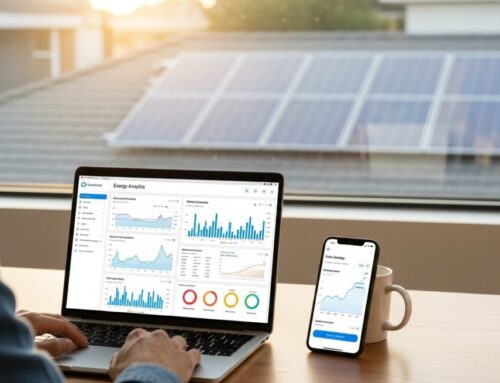
- Ask about monitoring , Ensure the installer includes a monitoring platform so you can track your system’s performance from your phone.
Long-Term Benefits of Installing Solar Panels
Lower electricity bills are the most immediate reward, but the advantages of solar extend far beyond monthly savings. Over the life of your system, those savings accumulate into tens of thousands of dollars that stay in your pocket instead of going to the utility company.
Solar panels also increase your home’s resale value. Studies show that homes with solar sell for a premium compared to similar homes without it. Buyers recognize the value of reduced energy costs and built-in energy independence.
On a broader scale, every solar home reduces demand for fossil fuels and cuts greenhouse gas emissions. By generating clean power on your own roof, you contribute to a more resilient energy grid and a healthier environment for future generations.
How long does it take for solar panels to pay for themselves?
Most homeowners recoup their solar investment within 6 to 10 years through lower electricity bills. After that point, the electricity your panels produce is essentially free for the remaining 15,20 years of the system’s life.
Can I install solar panels myself to save money?
DIY solar installation is possible but not recommended for most homeowners. Professional installation ensures proper wiring, safety compliance, and eligibility for warranties and incentive programs. Mistakes can void warranties or create fire hazards.
What happens if I move after installing solar?
You have several options. You can include the solar system in the home sale, lease it to the new owner, or transfer the lease agreement. Homes with solar often sell faster and at higher prices.
Do solar panels work during a power outage?
Standard grid-tied solar systems shut down during outages to protect utility workers. If you want backup power, you need a battery storage system that can island your home from the grid.
How much maintenance do solar panels require?
Solar panels require very little maintenance. Occasional cleaning to remove dust, leaves, or snow, along with annual inspections, keeps them performing at their best. Most systems operate reliably for 25 years or longer.
Will solar eliminate my entire electric bill?
Solar can reduce your bill by 50,90% depending on system size, your energy usage, and local net metering policies. With a properly sized system and efficient home, some homeowners achieve near-zero bills.
What is net metering and how does it work?
Net metering is a billing arrangement where your utility credits you for excess solar power you send to the grid. Those credits offset the power you pull when your panels aren’t producing, effectively using the grid as a free battery.
Are there financing options for solar panels?
Yes. You can purchase solar with cash, take out a solar loan, or enter a lease or power purchase agreement (PPA). Each option has different upfront costs, ownership benefits, and long-term savings potential.
Exploring solar energy is one of the smartest financial and environmental decisions a homeowner can make. By understanding how ai solar energy management explained works and comparing quotes from reputable installers, you gain the confidence to choose a system that fits your home and budget. Start your journey today by requesting multiple solar quotes to see exactly what is possible for your property.