Steps to Implement Solar Systems and Slash Your Energy Bills
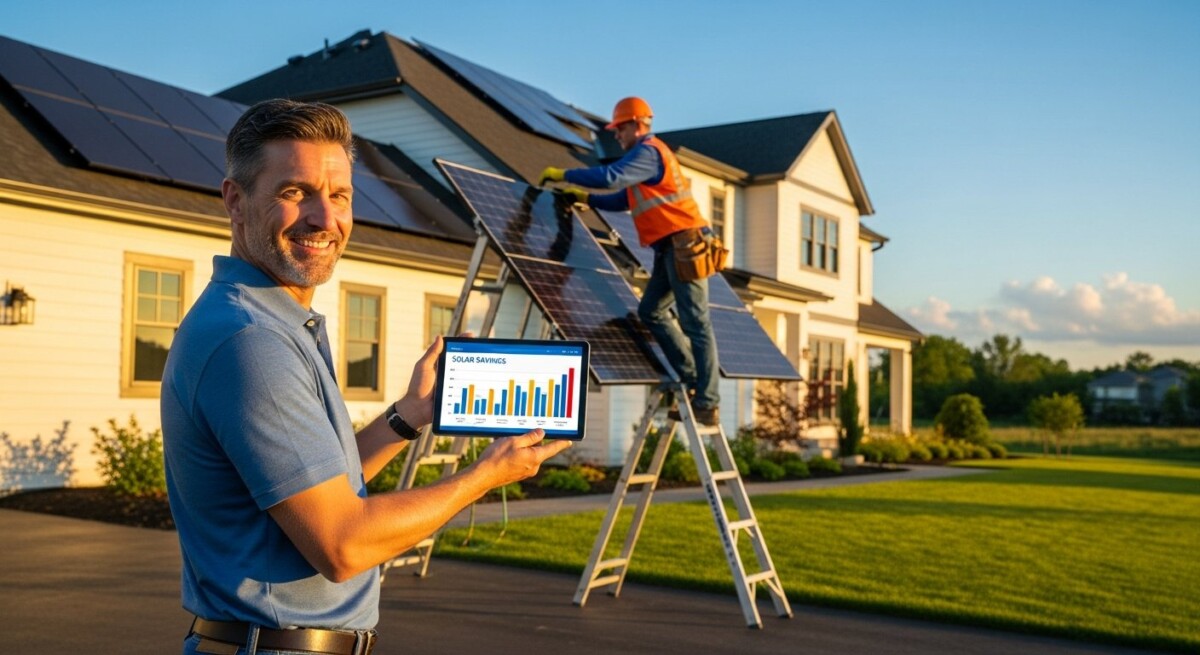
You open your monthly electricity bill and feel a familiar knot in your stomach. Costs keep climbing, and you wonder how much more you can afford. Like many homeowners, you may have started searching for steps to implement solar systems as a way to take control of your energy future. The idea of reducing your electric bills and becoming less dependent on the power grid is both practical and empowering.
Understanding Steps to Implement Solar Systems
At its core, implementing a solar system means installing photovoltaic panels on your roof or property to convert sunlight into electricity. This clean energy powers your home, and any excess can often be sent back to the grid for credits. More homeowners are considering this path because modern solar technology is more efficient, affordable, and reliable than ever before.
The process involves more than just mounting panels. It includes evaluating your home energy use, designing a system tailored to your needs, securing permits, and connecting to the utility grid. Professional installers handle these steps to implement solar systems from start to finish, ensuring everything is safe and code-compliant.
Why Solar Energy Is Becoming More Popular
Rising electricity prices are the number one reason homeowners switch to solar. When your utility rates increase year after year, generating your own power becomes a smart financial move. Solar also appeals to those who care about the environment, since it produces clean energy without carbon emissions.
Long-term savings are another major draw. While there is an upfront investment, most homeowners see their system pay for itself within 7 to 10 years through lower bills. After that, electricity from your panels is essentially free for the remaining life of the system, which can be 25 years or more.
If you are considering solar power for your home, comparing installation quotes can help you understand your options. Request a free solar quote or call to learn more.
Common Questions Homeowners Have About Solar
Many homeowners wonder if solar is worth the cost. The answer depends on your location, energy usage, and available incentives. Another frequent concern is whether their roof can support panels,most roofs in good condition with adequate sunlight exposure work well.
Performance is also a top question. People want to know if panels work on cloudy days or during winter. The good news is that solar panels generate electricity even in diffuse light, though output is highest in direct sun. Modern systems are designed to maximize production year-round.
- How much does a full solar installation cost?
- Will solar work on my roof type and angle?
- How long do solar panels last?
- What happens during a power outage?
- Are there government incentives available?
- How long does installation take?
How Solar Panel Installation Works
The installation process follows a clear sequence designed to minimize disruption and ensure quality. A typical residential project takes one to three days for the physical installation, but the planning phase takes longer. Professional installers handle everything from design to final inspection.
The steps to implement solar systems are straightforward when you work with experienced contractors. They coordinate with your utility company and local permitting office so you don’t have to worry about paperwork or delays.
- Home energy assessment , review your past bills and energy usage patterns
- System design , create a custom layout for optimal sun exposure
- Permits and approvals , secure necessary permissions from your city and utility
- Panel installation , mount the racking, panels, and inverter on your roof
- System activation , connect to the grid and turn on your solar array
Speaking with experienced installers can help you determine the best solar solution for your home. Compare solar quotes here or call to explore available options.
Signs Your Home May Be Ideal for Solar
Not every home is equally suited for solar, but many are. The most important factor is strong sunlight exposure,ideally a south-facing roof with minimal shade from trees or nearby buildings. If your roof gets direct sun for most of the day, you are in a good position.
Your electricity bills also tell a story. If you pay high rates or use a lot of power, solar can deliver significant savings. Sufficient roof space is another key requirement, typically around 300 to 500 square feet for an average system.
- Your roof receives strong, direct sunlight for most of the day
- Your monthly electricity bills are consistently high
- You have at least 300 square feet of usable roof space
- You plan to stay in your home for the next 5,10 years
- Your roof is in good condition or recently replaced
- Your state offers net metering or solar incentives
What Affects Solar Installation Costs
The cost of a solar system varies based on several factors. System size is the biggest driver,a larger system that covers more of your energy use will cost more upfront but save more over time. Equipment quality also matters, with high-efficiency panels and premium inverters commanding a higher price.
Installation complexity can add to the cost, especially if your roof is steep, has unusual angles, or requires electrical upgrades. Local incentives, including the federal solar tax credit, state rebates, and utility programs, can significantly reduce your net cost. In our guide on steps to implement solar systems and slash your energy bills, we explain how to factor these into your budget.
The cost of solar installation varies depending on your home and energy needs. Request personalized solar quotes or call to see what options are available.
Tips for Choosing a Reliable Solar Installer
Selecting the right installer is one of the most important decisions you will make. A trustworthy company will conduct a thorough site assessment, provide clear pricing, and stand behind their work with solid warranties. Look for installers with several years of experience and a proven track record in your area.
Reading customer reviews on independent platforms gives you insight into a company’s reputation. Ask about the warranties they offer,both on the equipment and the installation workmanship. Comparing multiple quotes helps you understand the market and avoid overpaying.
- Review the installer’s experience and years in business
- Check what warranties are included on panels, inverters, and labor
- Read customer reviews on Google, Yelp, or the Better Business Bureau
- Compare at least three quotes before making a decision
- Ask about financing options and whether they offer zero-down plans
Long-Term Benefits of Installing Solar Panels
The most immediate benefit of solar is lower electricity bills. Many homeowners reduce their monthly costs by 50 to 90 percent, and some eliminate their electric bill entirely depending on system size and local net metering policies. Over 25 years, these savings can total tens of thousands of dollars.
Solar also increases your home’s resale value. Studies show that homes with solar panels sell for more and faster than comparable non-solar homes. Beyond financial gains, you gain energy independence and reduce your household’s carbon footprint. If you’re curious about local options, our article on smart solar systems near me: cut bills and boost savings offers practical advice for finding the best deals in your area.
Frequently Asked Questions About Solar Systems
How much can I save by installing solar panels?
Savings vary based on your location, energy usage, and system size. Most homeowners save between $10,000 and $30,000 over 20 years. Using a solar savings calculator can give you a personalized estimate.
What is the federal solar tax credit for 2025?
The federal Investment Tax Credit (ITC) allows you to deduct 30 percent of your solar installation cost from your federal taxes. This credit applies to systems installed through 2032, then steps down.
Do solar panels work in cloudy or rainy weather?
Yes, solar panels still generate electricity on cloudy days, though at reduced output. They rely on daylight, not direct sunlight. Even in rainy climates, systems can produce meaningful energy year-round.
How long does a solar panel installation take?
The physical installation usually takes one to three days. The entire process, from signing a contract to turning on the system, typically takes four to eight weeks due to permitting and utility approvals.
Will solar panels damage my roof?
When installed correctly by professionals, solar panels do not damage your roof. Installers use flashing and sealants to prevent leaks. In fact, panels can protect the covered portion of your roof from weather.
What happens if I sell my home with solar panels?
Solar panels typically increase your home’s resale value. If you own the system outright, it transfers to the new owner. If you have a solar lease, the new owner may need to assume the lease agreement.
Do I need a battery with my solar system?
Batteries are optional but useful for backup power during outages. Without a battery, your system shuts off when the grid goes down for safety reasons. Batteries also let you store excess energy for use at night.
How do I choose the right solar installer?
Look for licensed, insured installers with good reviews and strong warranties. Get at least three quotes to compare pricing and equipment. A trustworthy installer will explain the steps to implement solar systems clearly and answer all your questions.
Taking the first step toward solar energy is easier than you think. By understanding the steps to implement solar systems and comparing quotes from multiple installers, you can find a solution that fits your budget and energy goals. Start exploring your options today and take control of your electricity costs for years to come.