Smart Solar Systems Near Me: Cut Bills and Boost Savings
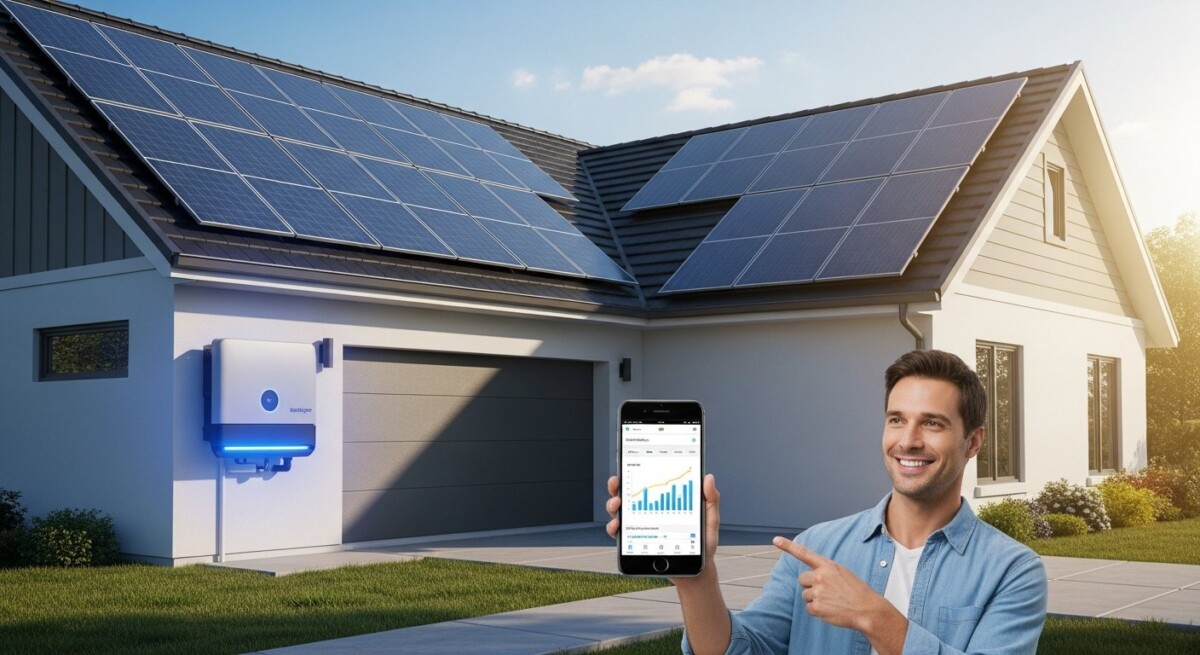
Every month, you open your electricity bill and brace yourself for the number. It keeps climbing, and you wonder if there is a way to take control. That is why more homeowners are searching for “smart solar systems near me” to reduce their energy costs and rely less on the power grid. The good news is that modern solar technology makes it easier than ever to generate your own clean electricity and lock in long-term savings.
Understanding Smart Solar Systems Near Me
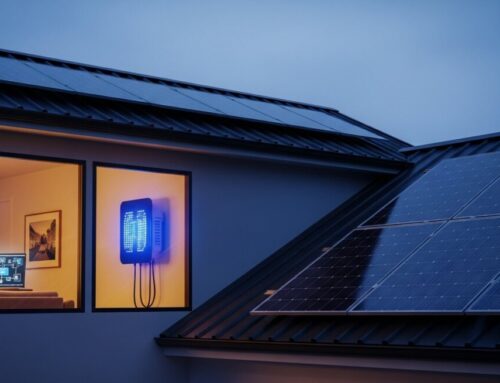
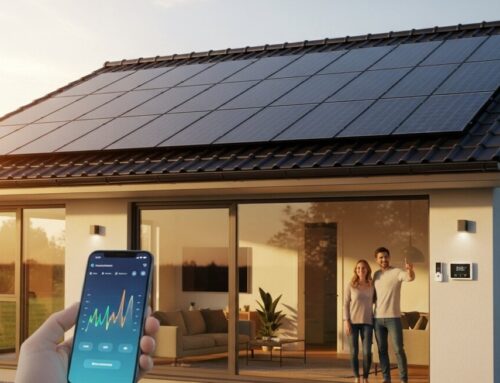
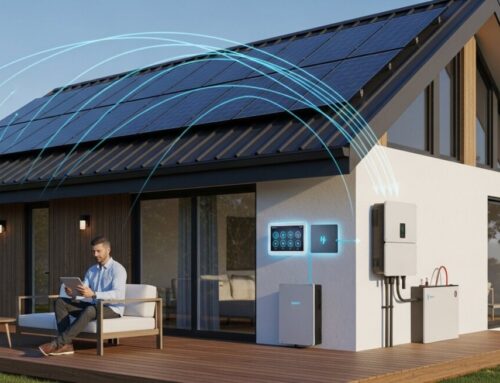
A smart solar system is more than just panels on your roof. It combines high-efficiency solar panels with intelligent monitoring software and sometimes battery storage to optimize how you produce and use energy. These systems automatically adjust to your home’s energy needs, sending excess power back to the grid or storing it for later use.
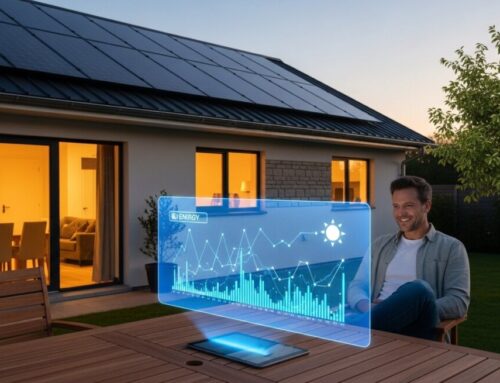
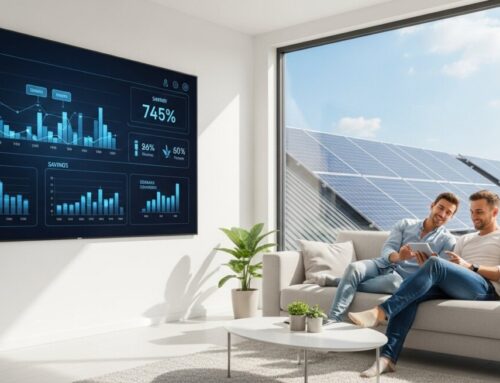
Most smart solar systems include an inverter that converts sunlight into usable electricity and a monitoring app that shows real-time production and consumption. This means you can see exactly how much energy you are saving and spot issues before they become costly repairs. Homeowners are choosing smart systems because they offer greater control and transparency than older setups.
How Smart Solar Technology Works
At the heart of a smart solar system is the inverter and the software. The inverter changes the direct current (DC) from your panels into alternating current (AC) that powers your home. The software tracks performance, weather conditions, and your usage patterns to maximize efficiency. Some systems even use artificial intelligence to predict when to draw from the battery versus the grid, saving you the most money possible. In our guide on smart solar energy systems, we explain how this technology can reduce your bills by 50% or more.
Why Solar Energy Is Becoming More Popular
Electricity rates have risen sharply over the past decade, and they show no signs of slowing down. Homeowners are tired of unpredictable bills and want a solution that offers stability. Solar energy allows you to generate your own power and protect yourself from future rate hikes.
Beyond financial reasons, many people are motivated by environmental concerns. Solar power produces no greenhouse gases during operation, which helps reduce your carbon footprint. It is a practical step toward cleaner air and a healthier planet, and it feels good to know your home is part of the solution.
Long-term savings are another major draw. While there is an upfront investment, solar panels typically pay for themselves within 6 to 10 years and continue producing free electricity for 25 years or more. That is thousands of dollars in savings over the system’s lifetime.
If you are considering solar power for your home, comparing installation quotes can help you understand your options. Request a free solar quote or call to learn more.
Common Questions Homeowners Have About Solar
When you start researching solar, you will likely have many questions. How much does it really cost? Will my roof work? What happens on cloudy days? These are normal concerns, and trustworthy installers are used to answering them.
The upfront cost of a solar system can range from $10,000 to $30,000 before incentives, but federal tax credits and local rebates can reduce that by 30% or more. Your roof’s age, angle, and orientation all affect how well panels perform, but most homes in sunny areas are good candidates.
Performance is also a common worry. Solar panels still generate electricity on cloudy days, just at a lower rate. Modern systems are designed to capture diffuse light, and battery storage can keep your home powered at night or during outages.
- How much does a solar system cost after incentives?
- Will solar panels damage my roof?
- How long do solar panels last?
- What happens if my panels produce more energy than I use?
- Do I need a battery with my system?
- How do I find a reliable installer?
How Solar Panel Installation Works
Getting solar panels installed is a straightforward process when you work with a professional installer. They handle everything from assessment to activation, so you do not have to worry about the technical details. The entire process usually takes a few weeks from start to finish.
Your installer will first evaluate your home’s energy usage and roof condition to design a system that fits your needs. Then they secure the necessary permits, install the panels and wiring, and connect everything to your electrical panel and the grid. After a final inspection, your system is turned on and starts saving you money immediately.
- Home Energy Assessment , Review your past bills and inspect your roof for size, shading, and condition.
- System Design , Create a custom layout that maximizes sunlight exposure and meets your energy goals.
- Permits and Approvals , Your installer files paperwork with the local government and utility company.
- Panel Installation , Mount the panels, install the inverter, and run the electrical wiring.
- System Activation , Pass the final inspection, get utility approval, and start generating power.
Speaking with experienced installers can help you determine the best solar solution for your home. Compare solar quotes here or call to explore available options.
Signs Your Home May Be Ideal for Solar
Not every home is perfect for solar, but many are excellent candidates. If you have a south-facing roof that gets direct sunlight for most of the day, you are in a strong position. Even east- and west-facing roofs can work well with modern panels.
High electricity bills are another clear sign. If you pay more than $100 per month on average, solar can likely save you significant money. You also want to plan to stay in your home for at least a few more years to fully recoup your investment.
- Your roof gets at least 4,5 hours of direct sunlight daily.
- Your electricity bills are consistently high.
- Your roof is less than 10 years old and in good condition.
- You plan to live in your home for at least 5 more years.
- Your local utility offers net metering or other solar incentives.
- Your roof has enough unobstructed space (typically 300,500 square feet).
What Affects Solar Installation Costs
The price of a solar system depends on several factors, and understanding them helps you make informed decisions. System size is the biggest factor , the more panels you need, the higher the cost. But a larger system also means greater savings over time.
Equipment quality matters too. Premium panels and inverters cost more upfront but often produce more power and last longer. Installation complexity, such as a steep roof or older electrical panel, can add labor costs. Local incentives and rebates can significantly lower the net price, so always check what is available in your area.
The cost of solar installation varies depending on your home and energy needs. Request personalized solar quotes or call to see what options are available.
Tips for Choosing a Reliable Solar Installer
Finding the right installer is just as important as choosing the right equipment. A good installer will guide you through permits, warranties, and financing, while a poor one can cause delays and headaches. Start by getting multiple quotes so you can compare pricing and approaches.
Look for installers who are licensed, insured, and certified by organizations like the North American Board of Certified Energy Practitioners (NABCEP). Check their reviews on Google and the Better Business Bureau, and ask for references. A trustworthy installer will be happy to answer your questions and explain their process.
- Verify that the installer is licensed and insured in your state.
- Read customer reviews and ask for recent references.
- Compare at least three detailed quotes with clear pricing.
- Check the warranty terms for panels, inverters, and workmanship.
- Ask about financing options, including loans and leases.
- Ensure they handle permits and utility approvals as part of the service.
Long-Term Benefits of Installing Solar Panels
Once your solar system is up and running, the benefits start adding up immediately. Your monthly electricity bills drop dramatically, often by 50% to 90%, depending on system size and sun exposure. Over 20 years, that can mean tens of thousands of dollars in savings.
Solar panels also increase your home’s value. Studies show that homes with solar sell for 4% to 6% more than comparable homes without it. Plus, you gain energy independence , when the grid goes down, a system with battery backup keeps your lights on and your fridge running.
Environmentally, every kilowatt-hour of solar power you use reduces carbon emissions. Over its lifetime, a typical home solar system offsets the equivalent of driving a car for over 100,000 miles. It is a practical way to fight climate change while improving your own financial outlook. For more details on system longevity, read our guide on how long AI solar systems last and how they maximize savings over time.
How much does a smart solar system cost?
The cost varies based on system size, equipment quality, and installation complexity. On average, a residential smart solar system costs between $10,000 and $30,000 before incentives. Federal tax credits and local rebates can reduce that amount by 30% or more, making solar more affordable than ever.
Will solar panels work on my roof if it is shaded?
Partial shading can reduce panel output, but modern smart systems use power optimizers or microinverters to minimize the impact. These devices allow each panel to operate independently, so a shaded panel does not drag down the entire system. A professional site assessment will tell you exactly how much sun your roof receives.
How long does it take to install a solar system?
The physical installation usually takes one to three days, depending on system size and roof complexity. However, the entire process from quote to activation can take four to eight weeks due to permitting and utility approvals. Your installer will give you a realistic timeline based on your local requirements.
Do I need a battery with my solar system?
Batteries are optional but increasingly popular. They store excess energy for use at night or during power outages, giving you true energy independence. Without a battery, you rely on net metering to sell extra power back to the grid, which works well in most areas. Your installer can help you decide if a battery makes sense for your situation.
What maintenance do solar panels require?
Solar panels require very little maintenance. Rain usually keeps them clean, but you may need to wash them once or twice a year in dusty areas. The inverter and monitoring system should be checked annually, and most warranties cover repairs for 20 to 25 years. It is a low-hassle way to save money.
How much can I save on my electricity bill with solar?
Most homeowners save between 50% and 90% on their monthly electricity bills after installing solar. Exact savings depend on your system size, local electricity rates, and how much sun your roof gets. Over 20 years, the average homeowner saves $20,000 to $40,000 or more.
Are there government incentives for solar in 2025?
Yes, the federal solar tax credit allows you to deduct 30% of your system cost from your taxes. Many states and local utilities offer additional rebates, performance payments, or tax exemptions. These incentives change frequently, so it is smart to check current programs when you get quotes.
What happens if I sell my home with solar panels?
Solar panels typically increase your home’s resale value, and buyers often see them as a major plus. If you own the system outright, it transfers with the home. If you have a lease or power purchase agreement, the new owner can take over the payments, which may require their approval. Most real estate agents recommend owning the system for the best resale outcome.
Switching to solar is a smart way to reduce your electricity bills, gain energy independence, and help the environment. The key is finding the right system and installer for your home. Start by comparing quotes from multiple providers to see your options and find the best value. Your future self , and your wallet , will thank you.