Solar Energy Forecasting Tools: Boost Savings And Efficiency
You open your monthly electricity bill and feel a familiar pinch. Rates keep climbing, and it seems like there is little you can do to stop it. This frustration has driven countless homeowners to search for smarter ways to manage their energy costs,and many end up looking at solar energy forecasting tools.
These digital tools promise to help you predict how much power your future solar panels will generate. By understanding your home’s solar potential, you can reduce your electric bills, gain energy independence, and lower your carbon footprint. In this guide, we’ll break down everything you need to know about solar forecasting and how professional installers can help you make the right choice.
Understanding Solar Energy Forecasting Tools
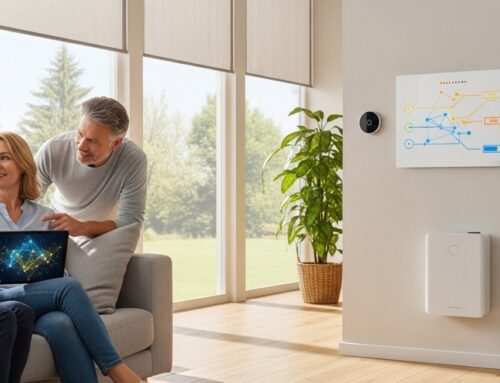
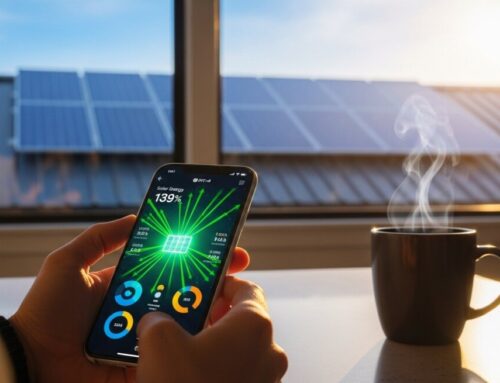
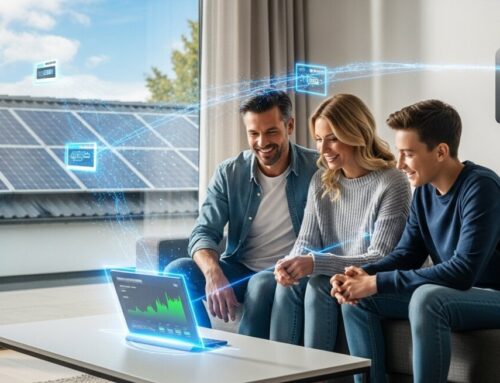
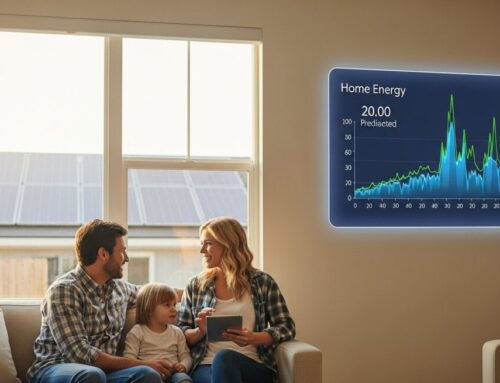
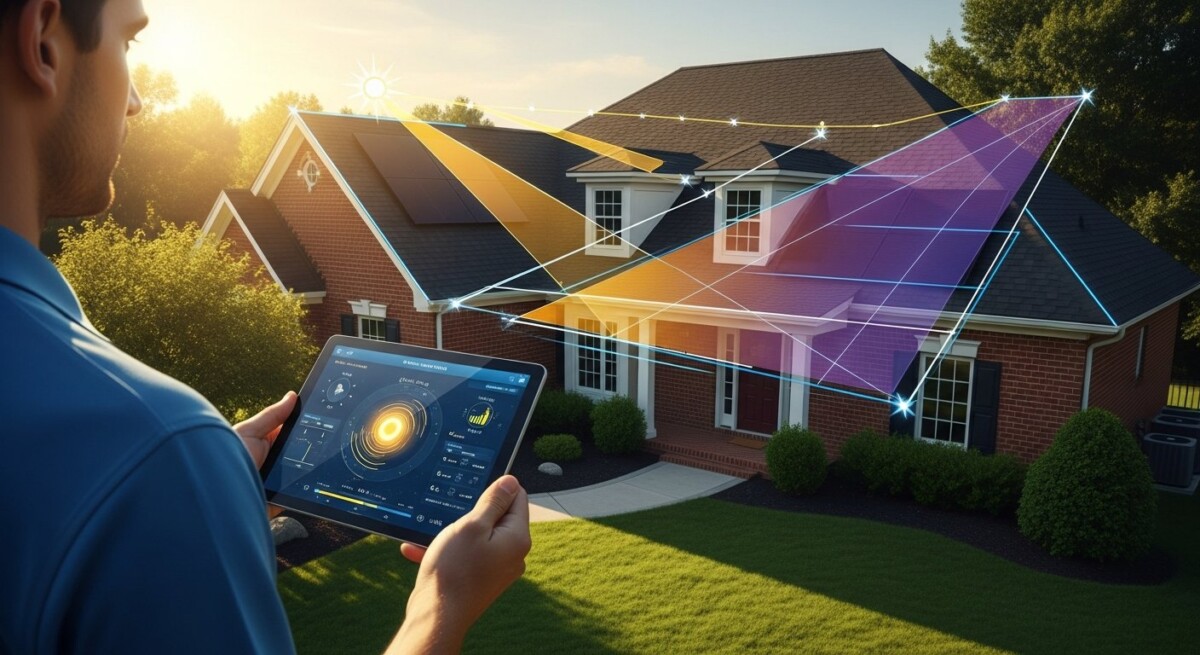
A solar energy forecasting tool is a software application that estimates how much sunlight your roof will receive over time. It uses satellite data, weather patterns, and your home’s specific location to predict daily and yearly solar output.
These tools work by analyzing factors like roof angle, shading from trees or nearby buildings, and local climate history. The result is a customized report that shows you the potential energy production and financial savings for a solar panel system on your home. More homeowners are turning to these forecasts because they remove guesswork and provide clear, data-driven answers about whether solar is worth the investment.
In our guide on AI tools for solar energy, we explain how advanced algorithms now make these predictions even more accurate,helping you save more on your electric bill.
Why Solar Energy Is Becoming More Popular
Electricity prices have risen steadily over the past decade, and many homeowners feel the impact on their monthly budgets. Solar power offers a way to lock in lower energy costs and protect yourself from future rate hikes.
Beyond financial reasons, environmental concerns are driving the shift. Solar energy produces clean, renewable power that reduces greenhouse gas emissions and your home’s overall carbon footprint. Long-term savings also play a major role,most solar systems pay for themselves within 6 to 10 years and continue generating free electricity for decades after that.
If you are considering solar power for your home, comparing installation quotes can help you understand your options. Request a free solar quote or call to learn more.
Common Questions Homeowners Have About Solar
It is normal to have questions before making a big investment like solar panels. Many homeowners worry about the upfront cost, whether their roof is suitable, and how well the system will perform over time.
Professional installers are trained to address these concerns with thorough site evaluations and transparent pricing. They can also explain how government incentives and rebates can significantly lower your out-of-pocket expenses.
- How much does a solar panel system cost? Costs vary by system size and equipment quality, but most residential systems range from $10,000 to $30,000 before incentives.
- Will solar panels work on my roof? Installers assess roof age, material, angle, and shading to determine suitability.
- How long does installation take? Most projects are completed in 1 to 3 days after permits are approved.
- What happens on cloudy days? Panels still generate electricity, though at a reduced rate; net metering credits help balance production.
- Do solar panels increase home value? Yes, studies show homes with solar sell for more and faster than those without.
- Are there maintenance requirements? Minimal,mostly occasional cleaning and annual inspections.
How Solar Panel Installation Works
The process of going solar is simpler than most homeowners expect. It begins with a professional energy assessment of your home to determine your current usage and solar potential.
From there, an installer designs a custom system, handles permits and approvals, installs the panels, and activates the system. The entire journey from quote to power production typically takes 4 to 8 weeks.
- Home energy assessment,Review your electricity bills and evaluate your roof’s solar exposure.
- System design,Engineers create a layout that maximizes energy production for your specific roof.
- Permits and approvals,The installer secures necessary permits from your local government and utility company.
- Panel installation,Technicians mount the panels, connect wiring, and set up the inverter.
- System activation,After final inspection, your solar system is turned on and starts generating power.
Speaking with experienced installers can help you determine the best solar solution for your home. Compare solar quotes here or call to explore available options.
Signs Your Home May Be Ideal for Solar
Not every home is equally suited for solar panels, but many homes in sunny regions are excellent candidates. If your roof gets strong direct sunlight for most of the day, you are already in a good position.
High electricity bills also point to a strong need for solar. The more you spend on power, the more you stand to save by generating your own energy.
- Strong sunlight exposure,Your roof faces south or west with minimal shading.
- High electricity bills,You pay $100 or more per month for electricity.
- Suitable roof space,You have at least 300 square feet of unobstructed roof area.
- Long-term home ownership plans,You plan to stay in your home for 5+ years to maximize savings.
- Good roof condition,Your roof is less than 10 years old or in excellent shape.
- Local incentives available,Your state or utility offers rebates, tax credits, or net metering programs.
What Affects Solar Installation Costs
Several factors determine the final price tag of a solar system. The size of the system,measured in kilowatts (kW),is the biggest driver, as larger systems require more panels and equipment.
Equipment quality also matters. High-efficiency panels and premium inverters cost more upfront but often deliver better long-term performance and durability. Installation complexity, such as a steep roof or older electrical panel, can add labor costs. Local incentives can significantly reduce your net investment, making it essential to explore what’s available in your area.
The cost of solar installation varies depending on your home and energy needs. Request personalized solar quotes or call to see what options are available.
Tips for Choosing a Reliable Solar Installer
Selecting the right installer is just as important as choosing the right equipment. A trusted professional will guide you through every step and help you avoid costly mistakes like oversizing or undersizing your system.
Start by reviewing each installer’s experience and reputation. A company with years of local installations knows the specific regulations and weather conditions in your area. Checking warranties and reading customer reviews also gives you confidence in the quality of their work.
- Review installer experience,Look for at least 3,5 years in business and a track record of local projects.
- Check warranties,Ensure the installer offers a workmanship warranty and the panels come with a 25-year performance guarantee.
- Read customer reviews,Check platforms like Google, Yelp, and the Better Business Bureau for honest feedback.
- Compare multiple quotes,Getting at least three quotes lets you compare pricing, equipment, and financing options side by side.
For a deeper look at where solar technology is heading, read our article on AI solar energy future trends,it covers how artificial intelligence is shaping smarter, more efficient home energy systems.
Long-Term Benefits of Installing Solar Panels
The most immediate benefit of solar panels is lower electricity bills. Once your system is paid off, the power it generates is essentially free, saving you thousands of dollars over its 25- to 30-year lifespan.
Solar panels also increase your home’s resale value. Studies show that buyers are willing to pay a premium for homes with solar because they know they’ll enjoy reduced energy costs. On top of financial gains, you’ll reduce your environmental impact by relying on clean, renewable energy instead of fossil fuels. Energy independence is another powerful advantage,you become less vulnerable to grid outages and rising utility rates.
Frequently Asked Questions
What is a solar energy forecasting tool?
A solar energy forecasting tool uses weather data and satellite imagery to predict how much electricity solar panels will generate at a specific location. Homeowners use these tools to estimate potential savings before installing a system. Many solar installers offer free forecasts as part of their initial consultation.
How accurate are solar energy forecasts?
Modern solar forecasting tools are highly accurate, often within 5,10% of actual production. Accuracy depends on the quality of the data used, including local weather patterns and roof shading details. Professional installers use these forecasts to design systems that meet your energy needs reliably.
Can I use a solar forecasting tool before buying panels?
Yes, many free online tools allow you to input your address and get an instant estimate of solar potential. These estimates give you a ballpark figure for savings and payback time. For a precise analysis, however, it is best to have a professional installer perform an on-site evaluation.
Do solar panels work in cloudy or rainy climates?
Solar panels still generate electricity on cloudy days, though at roughly 10,25% of their full capacity. Net metering programs allow you to bank excess energy from sunny days to offset lower production during bad weather. Even in regions with frequent clouds, solar can still be a worthwhile investment.
What government incentives are available for solar?
The federal solar tax credit allows you to deduct 30% of your installation costs from your federal taxes. Many states and utilities offer additional rebates, performance payments, or property tax exemptions. These incentives can reduce your net system cost by thousands of dollars.
How long does it take for solar panels to pay for themselves?
The payback period typically ranges from 6 to 10 years, depending on your electricity rates, system cost, and available incentives. After that, the electricity your panels produce is essentially free for the remaining 15,20 years of their lifespan. Rising utility rates can shorten the payback period even further.
Will solar panels damage my roof?
No, professionally installed solar panels actually protect the roof area they cover from weather and UV damage. Installers use mounting systems that penetrate the roof but are sealed with high-quality flashing to prevent leaks. A reputable installer will also inspect your roof beforehand to ensure it is in good condition.
Do I need a battery with my solar panels?
Batteries are optional but increasingly popular for homeowners who want backup power during outages or to maximize self-consumption. Without a battery, your system remains connected to the grid, and you use net metering to manage surplus energy. A solar professional can help you decide if a battery makes sense for your situation.
Solar energy forecasting tools give you the confidence to move forward with a clean energy investment that saves money and protects the planet. The next step is simple: explore your options by comparing quotes from trusted local installers. Each quote reveals different pricing, equipment, and financing terms, so comparing multiple offers ensures you get the best value for your home. Start today and take control of your energy future.