AI Solar Energy Future Trends: Save More on Power Bills
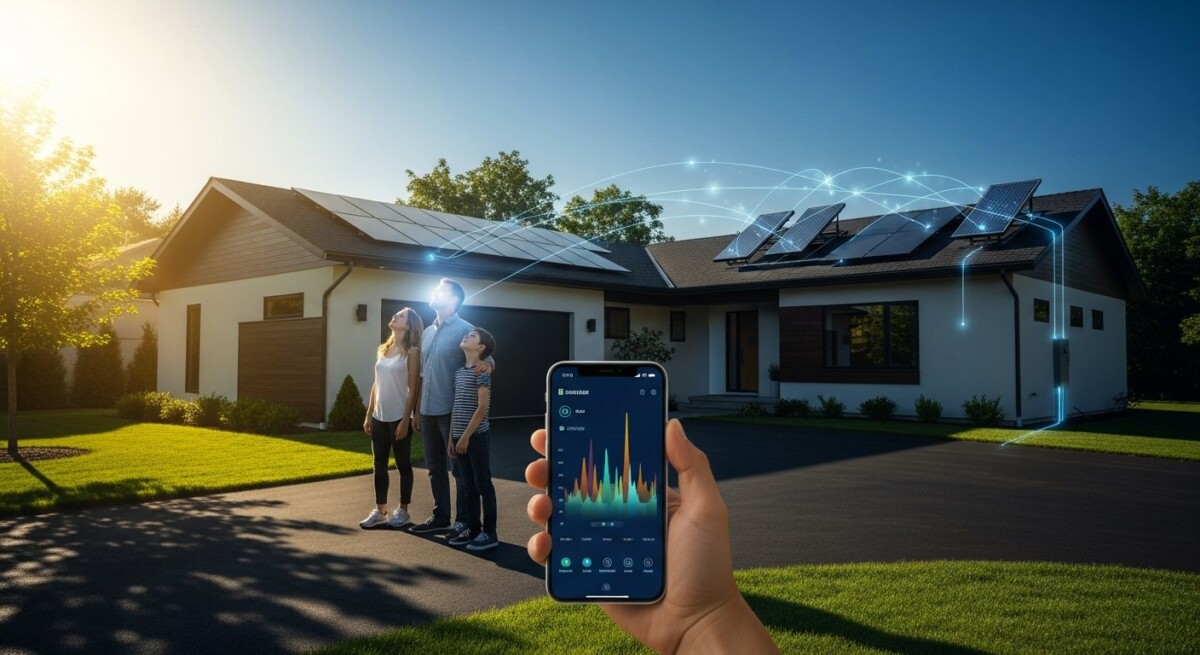
Picture this: It’s a hot summer afternoon, and your air conditioner is running full blast. You glance at your latest electricity bill and feel a knot in your stomach. Rising energy costs are squeezing household budgets across the country, and more homeowners are searching for a way out. That search often leads to one question: what do ai solar energy future trends mean for my home and wallet?
The good news is that artificial intelligence is transforming how solar panels work, making them smarter and more efficient than ever. Instead of just generating power when the sun shines, AI-driven systems can predict your energy usage, adjust panel angles, and even store extra electricity for cloudy days. This technology is helping families reduce their monthly bills and move toward real energy independence.
In this article, we’ll explore how AI is reshaping solar energy, what it means for your home, and why comparing installation quotes is the smartest first step you can take.
Understanding AI Solar Energy Future Trends
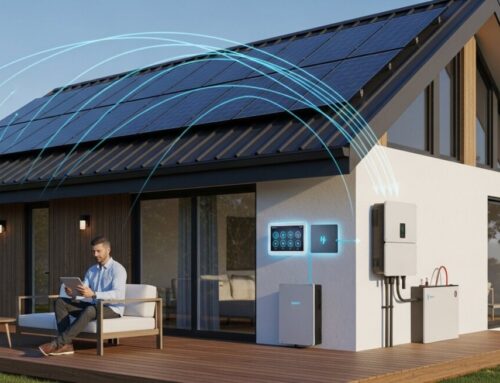
When we talk about ai solar energy future trends, we’re referring to the use of artificial intelligence to make solar power systems more effective and cost-efficient. Think of it as giving your solar panels a brain. Instead of simply sitting on your roof and collecting sunlight, an AI-powered system learns your household’s energy patterns, checks the weather forecast, and decides the best times to use, store, or even sell back electricity.
For example, if a storm is coming, the system might charge your home battery earlier in the day so you have backup power at night. If electricity prices spike in the late afternoon, the AI can automatically switch your home to battery power instead of pulling from the grid. This kind of smart management can slash your electric bill by 20,30% compared to a standard solar setup.
More homeowners are considering AI solar because it removes the guesswork. You no longer need to manually adjust timers or worry about forgetting to switch settings. The system handles everything in the background, giving you lower bills and greater peace of mind. As technology improves, these systems are also becoming more affordable, making them a practical choice for everyday families.
How AI Makes Solar Panels Smarter
At its core, AI uses sensors and software to monitor your home’s energy use in real time. The system collects data on which appliances draw the most power, when you use them, and how much sunlight your roof receives each day. Over time, the AI learns your habits and creates a custom energy plan that maximizes savings.
For instance, if you usually run the dishwasher and laundry at night, the AI might store extra solar energy during the afternoon so you can use it after dark. This means you rely less on the utility company and more on your own clean, free energy. It’s like having a personal energy manager working 24/7 to keep your bills low.
Why Solar Energy Is Becoming More Popular
Electricity rates have risen by more than 25% over the past decade in many states, and they show no sign of slowing down. For homeowners tired of unpredictable bills, solar power offers a stable, long-term solution. By generating your own electricity, you protect yourself from future rate hikes and gain control over your monthly expenses.
Environmental concerns are also driving the shift. More families want to reduce their carbon footprint and leave a cleaner planet for their children. Solar panels produce no emissions, and pairing them with AI optimization means every kilowatt-hour is used as efficiently as possible. It’s a practical way to make a real difference without sacrificing comfort or convenience.
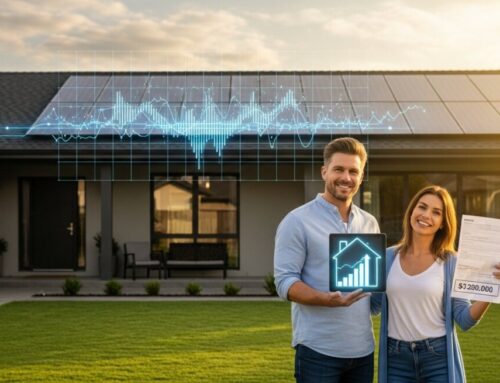
Beyond the feel-good factor, the financial case is compelling. Most solar systems pay for themselves in 6 to 10 years through lower electricity bills, and they can increase your home’s resale value by 4% or more. Add in federal tax credits, state rebates, and net metering programs, and the upfront cost becomes much more manageable.
If you are considering solar power for your home, comparing installation quotes can help you understand your options. Request a free solar quote or call (800) 555-0199 to learn more.
Common Questions Homeowners Have About Solar
Before investing in solar, most people have a handful of practical concerns. The biggest is usually upfront cost. A typical residential solar system runs between $15,000 and $25,000 before incentives, but federal and state programs can cut that by 30% or more. Many installers also offer zero-down financing, making solar accessible even if you don’t have cash on hand.
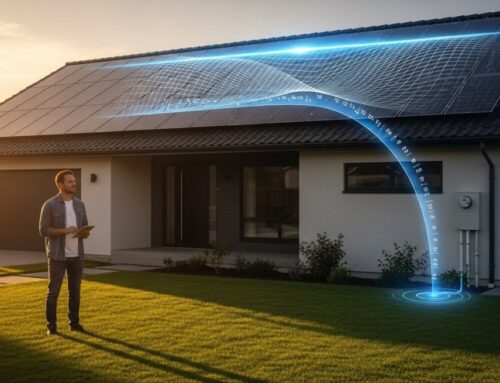
Another frequent question is whether a roof is suitable. Not every roof faces the sun perfectly, and shading from trees or nearby buildings can reduce output. However, modern AI tools can model your roof’s solar potential with surprising accuracy, helping you decide if panels are a good fit. Even roofs with less-than-ideal angles can still generate meaningful savings.
Performance in cloudy weather also comes up often. Solar panels still produce electricity on overcast days,just at a lower rate. AI systems handle this by storing extra energy when the sun is strong and drawing from batteries when clouds roll in. This ensures you have power around the clock, regardless of weather.
- How long does installation take? Most jobs are completed in one to three days.
- Will solar work during a blackout? Only if you have a battery backup system.
- Do panels require a lot of maintenance? Minimal,just occasional cleaning and annual inspections.
- Can I add more panels later? Yes, if your inverter and roof have enough capacity.
- What happens if I move? Solar can increase home value, and some buyers will take over the lease or loan.
- Is AI solar worth the extra cost? The added efficiency often pays for itself within a few years.
How Solar Panel Installation Works
The installation process is simpler than most homeowners expect. It starts with a home energy assessment, where a professional evaluates your electricity usage, roof condition, and sun exposure. This step is crucial because it determines the right system size for your needs and ensures you don’t overspend on equipment you don’t require.
After the assessment, the installer designs a custom system and handles all necessary permits and approvals. This paperwork can be tedious, but experienced installers know the local requirements and can speed things along. Once the permits are in place, the physical installation usually takes one to three days, depending on the complexity of your roof.
The final step is system activation and a final inspection by your utility company. After that, you start generating power immediately. Many AI systems come with a mobile app that lets you track your energy production, savings, and battery status in real time. It’s satisfying to watch your meter spin backward,or better yet, see your electric bill shrink.
- Home energy assessment and usage analysis
- System design and equipment selection
- Permit applications and utility approvals
- Panel and inverter installation on your roof
- System testing, inspection, and activation
Speaking with experienced installers can help you determine the best solar solution for your home. Compare solar quotes here or call (800) 555-0199 to explore available options.
Signs Your Home May Be Ideal for Solar
Not every house is a perfect candidate, but many are. The most important factor is sunlight exposure. If your roof faces south or west and gets direct sun for most of the day, you’re in an excellent position. Even east- or north-facing roofs can work, though they may generate slightly less power.
Another strong indicator is your current electricity bill. If you’re paying more than $100 per month, solar can likely save you money. The higher your bill, the faster your system will pay for itself. Also, if you plan to stay in your home for at least five to seven years, the long-term savings become very attractive.
- Your roof gets at least 4,5 hours of direct sunlight daily
- You have a south- or west-facing roof with little shading
- Your monthly electric bill is consistently above $100
- You own your home and plan to stay for several years
- Your roof is in good condition and has at least 10 years of life left
- Your local utility offers net metering or time-of-use rates
What Affects Solar Installation Costs
Solar pricing varies widely based on three main factors: system size, equipment quality, and installation complexity. A larger system that covers 100% of your electricity needs will cost more upfront, but it also delivers greater long-term savings. High-efficiency panels and premium inverters cost more but produce more power over their 25-year lifespan.
Installation complexity also plays a role. A simple, single-story roof with easy access is cheaper to work on than a steep, multi-story roof with multiple angles. If your electrical panel needs an upgrade or your roof requires repairs before installation, those costs add up. However, many installers include these in their initial quote, so you won’t face surprises later.
Local incentives can dramatically lower your net cost. The federal Investment Tax Credit (ITC) currently covers 30% of the total system cost. Many states and utilities offer additional rebates, performance payments, or property tax exemptions. An experienced installer will help you identify and apply for every incentive you qualify for.
The cost of solar installation varies depending on your home and energy needs. Request personalized solar quotes or call (800) 555-0199 to see what options are available.
Tips for Choosing a Reliable Solar Installer
Finding the right installer is just as important as choosing the right equipment. Start by looking for companies with a proven track record in your area. A local installer understands your climate, utility policies, and permitting process, which can save time and headaches. Check their licensing, insurance, and any industry certifications like NABCEP.
Warranties are another critical factor. A good installer will offer at least a 10-year workmanship warranty, while the panels themselves typically come with 25-year performance guarantees. Read the fine print to know what’s covered and what isn’t. Also, ask about monitoring services and whether they include AI optimization features.
- Look for installers with at least 5 years of experience and positive reviews
- Ask about equipment brands and warranty terms before signing
- Read customer reviews on Google, Yelp, and the Better Business Bureau
- Get at least three quotes to compare pricing and system designs
- Confirm the installer handles all permits and incentive applications
- Choose a company that offers AI-enabled monitoring and battery options
Long-Term Benefits of Installing Solar Panels
The most obvious benefit is lower electricity bills. With AI-optimized solar, many homeowners cut their monthly energy costs by 50,80%. Over 20 years, that adds up to tens of thousands of dollars in savings. And because solar panels have no moving parts, they require very little maintenance,just occasional cleaning and an annual checkup.
Solar also increases your home’s value. Studies show that homes with solar panels sell for 4,6% more than comparable homes without them. Buyers are willing to pay a premium for lower utility bills and energy independence. If you ever decide to sell, your solar investment becomes a selling point rather than a sunk cost.
Finally, there’s the peace of mind that comes from energy independence. With AI managing your battery and grid connection, you’re less affected by blackouts, rate hikes, and utility company policies. You produce your own clean power, reduce your carbon footprint, and take control of your energy future. It’s a practical, forward-thinking choice that benefits both your wallet and the planet.
Frequently Asked Questions
How do AI solar panels save money on electricity bills?
AI solar panels use smart algorithms to predict your energy usage and adjust power flow in real time. They store extra energy when rates are low and use stored power when grid prices spike. This reduces the amount of electricity you buy from the utility, directly lowering your monthly bill.
Is AI solar technology expensive compared to standard solar?
AI-enabled systems typically cost 10,15% more upfront than basic solar setups. However, the added efficiency often saves 20,30% more on electricity bills, meaning the extra cost pays for itself within 2,4 years. Over the system’s lifetime, you end up saving more money overall.
What is the federal solar tax credit for 2025?
The federal Investment Tax Credit (ITC) currently allows you to deduct 30% of your total solar installation cost from your federal taxes. This applies to both standard and AI-equipped systems. There is no cap on the credit, so it covers the full system price, including batteries and installation labor.
Do AI solar systems work during a power outage?
Yes, but only if your system includes a battery backup. Standard grid-tied solar panels shut off during a blackout for safety reasons. With an AI-managed battery, the system automatically isolates your home from the grid and keeps your lights and appliances running until power is restored.
How long does it take to install solar panels on a typical home?
Most residential solar installations are completed in one to three days. This includes mounting the panels, wiring the inverter, and connecting to your electrical panel. Permitting and utility approvals take longer,usually 2 to 6 weeks,but your installer handles that paperwork for you.
Can I add AI features to my existing solar system?
In many cases, yes. Some AI optimization tools can be retrofitted to existing systems, especially if you have a compatible inverter and battery. An installer can evaluate your current setup and recommend upgrades that improve efficiency without replacing your entire system.
Will solar panels damage my roof?
No, when installed correctly by a professional, solar panels protect the roof area they cover from sun, rain, and debris. Installers use flashing and sealants to prevent leaks. In fact, panels can extend the life of the roof by shielding it from weather exposure.
What maintenance do AI solar panels require?
Very little. You should clean the panels once or twice a year to remove dust and debris, especially after dry spells. The AI software updates automatically, and most systems include remote monitoring so the installer can spot issues before you notice them. An annual inspection is recommended to check wiring and connections.
Solar energy is no longer just a futuristic idea,it’s a practical, money-saving reality for homeowners today. AI technology is making solar smarter, more efficient, and easier to manage than ever before. By comparing installation quotes from trusted professionals, you can find a system that fits your budget, meets your energy needs, and puts you on the path to lower bills and greater energy independence. Take the first step today and see how much you could save.