AI Solar Energy Management Explained for Homeowners
Your monthly electricity bill keeps climbing, and you wonder if there is a better way. Many homeowners now search for ai solar energy management explained because they want to reduce costs and rely less on the power grid. Solar technology has advanced, and artificial intelligence makes it easier than ever to control your home’s energy use.
By combining solar panels with smart management tools, you can save money and gain peace of mind. This article breaks down everything you need to know in simple language, helping you decide if solar is right for your home.
Understanding ai solar energy management explained
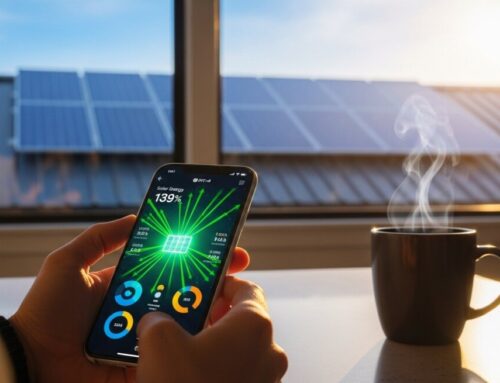
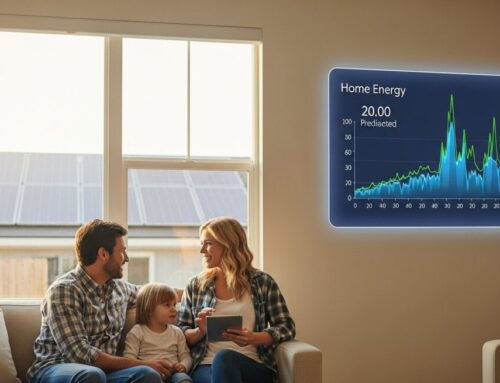
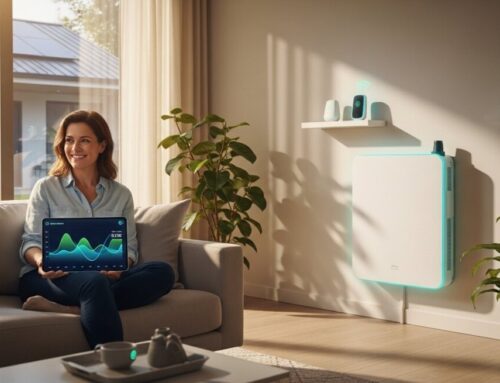
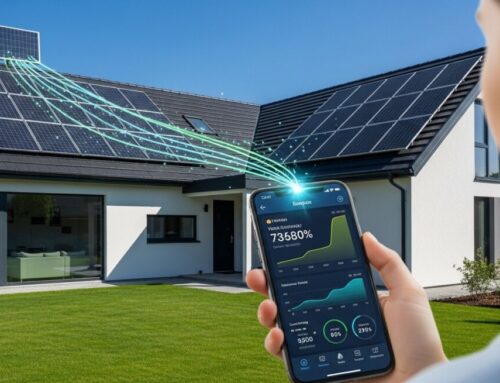
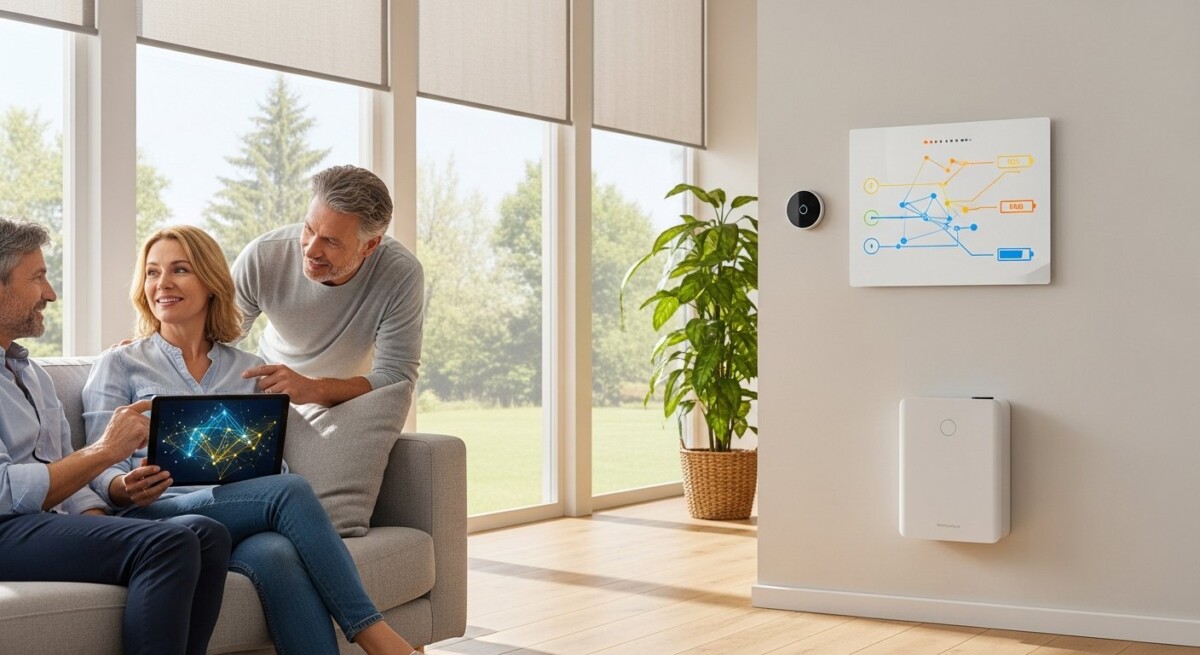
AI solar energy management uses artificial intelligence to optimize how your home produces, stores, and consumes electricity from solar panels. Instead of manually adjusting settings, the system learns your household’s patterns and automatically shifts energy usage to save the most money.
For example, an AI system can predict when clouds will pass overhead and draw power from your battery instead of the grid. It can also schedule heavy appliances like dishwashers or EV chargers to run when your panels generate the most energy. This technology is why more homeowners are choosing smart solar setups over traditional systems.
In our guide on AI Energy Management Systems: Cut Bills and Go Solar, we explain how these tools work in detail. The key benefit is that you don’t need to think about energy management,the AI handles it for you.
Why Solar Energy Is Becoming More Popular
Rising electricity rates are the top reason homeowners switch to solar. Across the United States, utility costs increase year after year, making solar an attractive way to lock in lower energy bills for decades.
Environmental concerns also play a big role. Solar power produces clean energy without carbon emissions, helping families reduce their carbon footprint. And with federal tax credits and many state rebates, the upfront cost of solar has never been more affordable.
Long-term savings are hard to ignore. Most homeowners recover their investment within 6 to 10 years and enjoy free electricity for the remaining life of the system, which can exceed 25 years.
If you are considering solar power for your home, comparing installation quotes can help you understand your options. Request a free solar quote or call to learn more.
Common Questions Homeowners Have About Solar
Before installing solar panels, most homeowners have similar concerns. Understanding these questions can help you make a confident decision.
Installation cost is usually the first concern. While a typical system costs between $10,000 and $30,000 before incentives, federal and state programs can reduce that by 30% or more. Financing options also make monthly payments manageable.
- How much will solar panels save me each month? Savings depend on your local electricity rates and system size, but many homeowners cut their bills by 50% to 90%.
- Is my roof suitable for solar panels? Most roofs with good southern exposure and little shade work well. A professional installer will assess your roof’s condition and angle.
- What happens on cloudy days or at night? Solar systems still produce some power in cloudy weather. Adding a battery lets you store excess energy for use after sunset.
- How long do solar panels last? Quality panels come with 25-year performance warranties and often last 30 years or more with minimal maintenance.
- Will solar panels increase my home insurance? Usually not by much. Most policies cover panels under existing dwelling coverage, but it’s wise to check with your agent.
- Do I need to clean my solar panels? Rain typically keeps them clean enough. In dusty areas, occasional hosing off may help maintain efficiency.
How Solar Panel Installation Works
The installation process is straightforward when you work with a professional installer. Understanding the steps helps you know what to expect from start to finish.
First, an installer evaluates your home’s energy use, roof condition, and sunlight exposure. Then they design a system tailored to your needs and handle all permits and approvals.
- Home energy assessment , Examine your past electric bills and inspect your roof and electrical panel.
- System design , The installer creates a custom layout showing panel placement and estimated production.
- Permits and approvals , The installer submits paperwork to your local building department and utility company.
- Panel installation , A crew mounts the panels, connects wiring, and installs the inverter (and battery if chosen).
- System activation , After final inspection and utility approval, your solar system goes live and starts generating power.
Speaking with experienced installers can help you determine the best solar solution for your home. Compare solar quotes here or call to explore available options.
Signs Your Home May Be Ideal for Solar
Not every home is equally suited for solar panels, but many properties are excellent candidates. Looking for these signs can help you decide if solar makes sense for you.
Homes with strong, direct sunlight for most of the day will generate the most energy. South-facing roofs with little shade from trees or nearby buildings are ideal.
- Strong sunlight exposure , Your roof gets at least 4,5 hours of direct sun daily, year-round.
- High electricity bills , You pay more than $100 per month on average, making solar savings significant.
- Suitable roof space , You have at least 300,500 square feet of unobstructed roof area, ideally facing south.
- Long-term home ownership plans , You intend to stay in your home for at least 5,10 years to fully benefit from savings.
- Good roof condition , Your roof is less than 10 years old or in excellent shape, so you won’t need to replace it soon after installation.
- Net metering available , Your utility offers net metering, which credits you for excess power sent back to the grid.
What Affects Solar Installation Costs
Solar system prices vary based on several key factors. Knowing these helps you evaluate quotes and avoid overpaying.
System size is the biggest cost driver. A larger system that covers 100% of your energy needs costs more upfront but provides greater long-term savings. Equipment quality also matters,premium panels and inverters cost more but perform better and last longer.
Installation complexity affects labor costs. A simple roof with easy access costs less than a complex multi-story roof or one requiring structural reinforcement. Local incentives can dramatically lower your net cost, so always check available rebates and tax credits.
In our article on AI Tools for Solar Energy: Save More on Your Electric Bill, we discuss how smart tools can further reduce your costs.
The cost of solar installation varies depending on your home and energy needs. Request personalized solar quotes or call to see what options are available.
Tips for Choosing a Reliable Solar Installer
Finding the right installer is just as important as choosing the right equipment. A trustworthy professional ensures your system is safe, efficient, and built to last.
Start by checking each installer’s experience and credentials. Look for companies with at least 5 years in business and certifications from organizations like the North American Board of Certified Energy Practitioners (NABCEP).
- Review installer experience , Ask how many systems they have installed and request references from recent customers.
- Check warranties , Ensure the installer offers a workmanship warranty of at least 10 years, plus panel and inverter warranties.
- Read customer reviews , Look at Google, Yelp, and Better Business Bureau reviews for honest feedback about service quality.
- Compare multiple quotes , Get at least 3,4 quotes from different installers to compare pricing, equipment, and warranties side by side.
- Verify licenses and insurance , Confirm the installer holds valid state licenses and liability insurance to protect your property.
- Ask about monitoring , Choose an installer that offers a monitoring app so you can track your system’s performance in real time.
Long-Term Benefits of Installing Solar Panels
Solar panels provide advantages that extend far beyond your first year of ownership. Understanding these long-term benefits reinforces why solar is a smart investment.
Lower electricity bills are the most obvious benefit. Over 25 years, the average homeowner saves between $20,000 and $50,000 on utility costs, depending on local rates and system size. These savings increase as electricity prices rise over time.
Your home’s value also increases. Studies show that homes with solar panels sell for 4% to 6% more than comparable non-solar homes. Buyers are willing to pay a premium for lower future energy costs.
Energy independence gives you protection from future rate hikes and grid outages. With a solar battery, you can keep essential appliances running during blackouts. And by using clean energy, you contribute to a healthier planet for your family and community.
How does AI improve solar energy savings?
AI analyzes your energy usage patterns and weather forecasts to automatically optimize when your home draws power from solar panels, batteries, or the grid. This can increase your savings by 10% to 30% compared to a standard system.
Is AI solar management difficult to set up?
No, most AI energy management systems come pre-configured by your installer. You simply monitor performance through a smartphone app and let the AI handle the rest.
Can I add AI management to an existing solar system?
Yes, many systems are upgradeable. An installer can add a smart inverter, battery, or energy management controller to retrofit your current setup with AI capabilities.
What happens if the internet goes down?
Most AI systems continue to manage energy locally even without internet. Cloud-based features like remote monitoring will pause until connectivity returns.
Do I need a battery for AI solar management to work?
No, but a battery unlocks the full potential of AI management, allowing you to store cheap solar energy for use during peak rate hours or outages.
How long does it take to install solar panels with AI?
Installation typically takes 1 to 3 days for the panels and equipment. Adding AI management features may add a few extra hours for configuration.
Will AI solar management work with my existing appliances?
Yes, AI systems control your home’s energy flow at the panel level, so they work with all standard appliances without requiring special equipment.
Are there government incentives for AI solar systems?
The federal solar tax credit applies to the entire solar system, including AI components and batteries. Many states also offer additional rebates for smart energy management.
Solar energy, enhanced by artificial intelligence, offers a practical path to lower bills, energy independence, and a cleaner future. If you are ready to explore your options, the best first step is to compare installation quotes from trusted professionals. Request a free solar quote or call today to see how much you can save.