Why Solar Analytics Matter for Home Energy Savings
You open your monthly electricity bill and feel that familiar pinch. Rates keep climbing, and you wonder if there is a way to take control. That is why more homeowners are searching for why solar analytics matter , and how understanding your energy use can lead to real savings. Solar analytics help you see exactly where your power goes, so you can reduce your bills and become less dependent on the grid.
Understanding Why Solar Analytics Matter
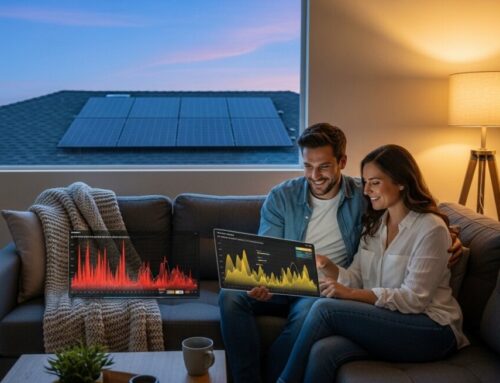
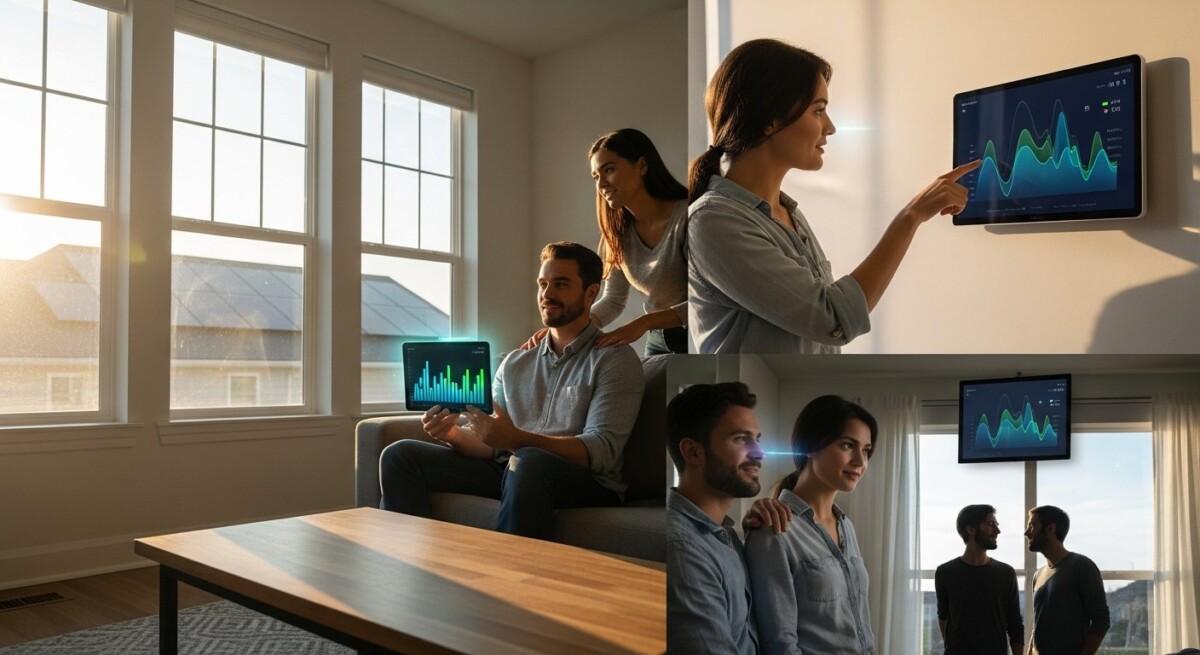
Solar analytics is simply the process of tracking and studying your home’s energy production and consumption. Think of it as a fitness tracker for your electricity use , it shows you patterns, peak usage times, and how much power your solar panels generate each day. This data helps you make smarter decisions about when to run appliances or whether you need a battery backup.
When you have clear insights, you stop guessing about your energy habits. For example, you might discover that your air conditioner runs hardest during late afternoon, which is also when your panels produce the most electricity. That knowledge lets you shift heavy usage to sunnier hours, maximizing free solar power and shrinking your monthly bill. In our guide on why solar analytics matter for home energy savings, we explain how these tools turn raw data into dollar savings.
How Solar Analytics Work in Practice
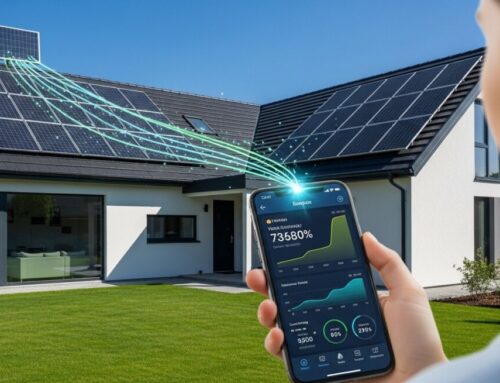
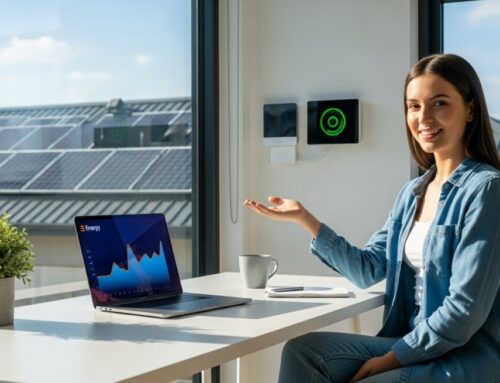
Most modern solar systems include a monitoring app or online dashboard. These tools connect to your inverter and display real-time generation, historical trends, and even alerts if a panel underperforms. Some advanced platforms also factor in local weather forecasts, so you can predict tomorrow’s solar output.
Professional installers often include analytics as part of their standard package. They use this data during the design phase to size your system correctly, ensuring you do not overpay for panels you do not need or undersize and miss out on savings. Without analytics, you are essentially flying blind.
Why Solar Energy Is Becoming More Popular
Electricity prices have risen steadily over the past decade, and many homeowners are tired of unpredictable bills. Solar power offers a fixed, predictable energy cost for 25 years or more. Once your panels are installed, the fuel , sunlight , is free.
Environmental concerns also play a big role. Generating your own clean energy reduces your carbon footprint and helps combat climate change. At the same time, federal tax credits and state rebates can lower your upfront cost by 30 percent or more, making solar more affordable than ever. Long-term savings, energy independence, and environmental stewardship create a powerful combination that is driving record adoption.
If you are considering solar power for your home, comparing installation quotes can help you understand your options. Request a free solar quote or call to learn more.
Common Questions Homeowners Have About Solar
Many homeowners worry about the upfront cost of solar panels. While the initial investment can seem high, financing options and incentives often bring the net price within reach. Another frequent concern is roof suitability , not every roof faces the right direction or has enough space.
Performance in cloudy or cold weather is another common question. Solar panels still generate electricity on overcast days, just at a reduced rate. Modern systems are designed to work efficiently in a wide range of conditions. Professional installers can model your specific location to give you an accurate estimate of year-round production.
- How much will solar panels cost for my home?
- Will my roof support solar panels?
- How long do solar panels last?
- What happens if my panels produce more energy than I use?
- Do I need a battery with my solar system?
- How do solar tax credits and rebates work?
How Solar Panel Installation Works
Installing solar panels is a straightforward process that typically takes one to three days. The first step is a home energy assessment, where an installer reviews your electricity bills and inspects your roof. This evaluation determines the ideal system size and panel placement.
After the assessment, the installer designs a custom system and handles all necessary permits and approvals from your local utility and municipality. Once the paperwork is cleared, the installation crew mounts the panels, connects the inverter, and wires the system to your electrical panel. Finally, your utility company inspects the setup and activates net metering, allowing you to send excess power back to the grid for credits.
- Home energy assessment and bill analysis
- System design and equipment selection
- Permit applications and utility approvals
- Panel mounting and electrical wiring
- System inspection and grid activation
Speaking with experienced installers can help you determine the best solar solution for your home. Compare solar quotes here or call to explore available options.
Signs Your Home May Be Ideal for Solar
Not every home is equally suited for solar, but many are. If you have a south- or west-facing roof that gets direct sunlight for most of the day, you are in a strong position. Homes with minimal shading from trees or neighboring buildings also perform well.
Your electricity bills play a big role, too. If you pay high rates or use a lot of power, solar will deliver faster payback. And if you plan to stay in your home for five years or more, the long-term savings become even more attractive.
- Your roof receives six or more hours of direct sunlight daily
- Your monthly electricity bill exceeds $100
- You have ample roof space facing south, east, or west
- Your roof is in good condition and less than 15 years old
- You plan to live in your home for at least five more years
- Your local utility offers net metering or time-of-use rates
What Affects Solar Installation Costs
The size of your solar system is the biggest cost driver. A larger home with higher energy needs will require more panels and a bigger inverter, raising the total price. Equipment quality also matters , premium panels and microinverters cost more but often produce more power over time.
Installation complexity can add to the cost. A simple, single-story roof with standard shingles is quick and inexpensive to work on, while complex roof angles, tile roofs, or older electrical panels may require extra labor. Local incentives, including federal tax credits, state rebates, and solar renewable energy certificates (SRECs), can significantly reduce your net cost.
The cost of solar installation varies depending on your home and energy needs. Request personalized solar quotes or call to see what options are available.
Tips for Choosing a Reliable Solar Installer
Choosing the right installer is just as important as choosing the right equipment. A reputable company will conduct a thorough site assessment, provide a clear contract, and stand behind their work with solid warranties. Always check that the installer is licensed, insured, and certified by organizations like the North American Board of Certified Energy Practitioners (NABCEP).
Reading customer reviews on platforms like Google, Yelp, and the Better Business Bureau can reveal how a company handles service calls and support. Most importantly, get at least three quotes from different installers. Comparing proposals side by side helps you spot pricing differences, equipment variations, and warranty terms.
- Verify the installer’s license, insurance, and NABCEP certification
- Read recent customer reviews on multiple platforms
- Ask about equipment warranties (panels, inverter, and workmanship)
- Request a detailed written estimate with all costs and timelines
- Compare at least three quotes before making a decision
Long-Term Benefits of Installing Solar Panels
Lower electricity bills are the most immediate benefit of solar panels. Once your system is paid off, your power costs drop to near zero for the remaining life of the panels , often 25 to 30 years. Over that time, the savings can total tens of thousands of dollars, depending on your local electricity rates.
Solar panels also increase your home’s resale value. Studies show that homes with solar sell for a premium compared to similar homes without it. Beyond financial gains, you gain energy independence , you are less affected by utility rate hikes and grid outages. And every kilowatt-hour you generate from the sun instead of fossil fuels reduces your household’s environmental impact.
For a deeper look at how smart monitoring can maximize these benefits, read our article on AI solar analytics explained, which covers how machine learning tools optimize your system’s performance year-round.
Frequently Asked Questions
How much can I save on my electricity bill with solar panels?
Savings depend on your system size, local electricity rates, and how much sunlight your roof receives. On average, homeowners reduce their monthly electric bills by 50 to 90 percent, and many eliminate their bills entirely with net metering.
Do solar panels work during a power outage?
Standard grid-tied solar systems shut down during an outage for safety reasons. If you want backup power during blackouts, you need a solar battery system like the Tesla Powerwall or Enphase Encharge.
What is net metering and how does it work?
Net metering is a billing arrangement that credits you for excess electricity your panels send to the grid. When your system produces more power than you use, the meter runs backward, and you earn credits that offset future consumption.
How long does it take to recoup the cost of solar panels?
Most homeowners break even on their solar investment within 6 to 10 years. Factors like local electricity rates, available incentives, and system size affect the payback period. After that point, the electricity your panels generate is essentially free.
Will solar panels damage my roof?
Professional installers use mounting systems that protect your roof and prevent leaks. In fact, panels can shield the covered portion of your roof from sun and rain, potentially extending its lifespan. A reputable installer will also seal all penetration points.
How do I know if my roof is suitable for solar?
A solar installer will evaluate your roof’s orientation, angle, shading, and structural integrity during a free site assessment. Most roofs that are in good condition and receive direct sunlight for most of the day can support solar panels.
Are there government incentives for installing solar panels?
Yes, the federal solar investment tax credit (ITC) allows you to deduct 30 percent of your system cost from your federal taxes. Many states and utilities also offer additional rebates, performance payments, or property tax exemptions. Your installer can help you identify all available incentives.
What maintenance do solar panels require?
Solar panels require very little maintenance. Rain usually keeps them clean enough, though in dusty areas you may need an occasional rinse. Most systems come with monitoring that alerts you to any performance issues, and inverters typically need replacement after 10 to 15 years.
Understanding why solar analytics matter is the first step toward smarter energy use and lasting savings. By tracking your home’s production and consumption, you can optimize your system, reduce waste, and make the most of every ray of sunshine. Whether you are just starting your research or ready to get quotes, comparing installation options helps you find the right fit for your home and budget. Take the next step today and explore how solar can work for you.