AI vs Traditional Solar Systems: Which Saves More?
Every month, you open your electricity bill and watch the number climb higher. Rising energy costs have pushed countless homeowners to search for ai vs traditional solar systems in hopes of cutting expenses and gaining energy independence. You may have heard that solar panels can slash your bills, but the technology has evolved far beyond simple rooftop arrays. Today, artificial intelligence is transforming how solar systems operate, promising even greater savings and efficiency. Understanding the difference between these two approaches can help you make a smarter investment for your home.
Understanding ai vs traditional solar systems
Traditional solar systems rely on fixed panels and a standard inverter to convert sunlight into electricity. They work well under consistent conditions, but their performance can drop when clouds roll in, shade falls on a panel, or temperatures rise. In our guide on AI Solar vs Traditional Solar Systems, we explain how these conventional setups lack the ability to adapt in real time.
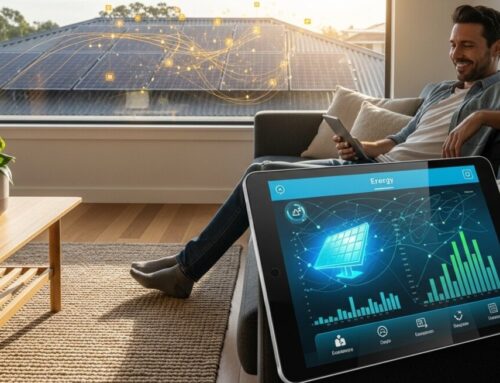
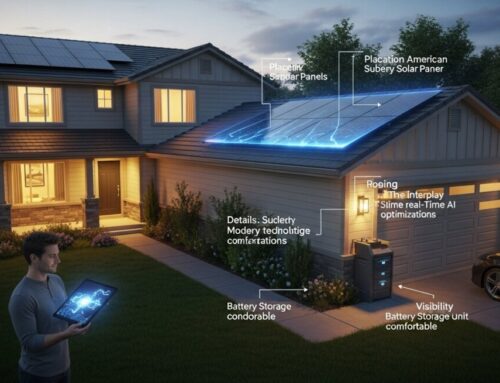
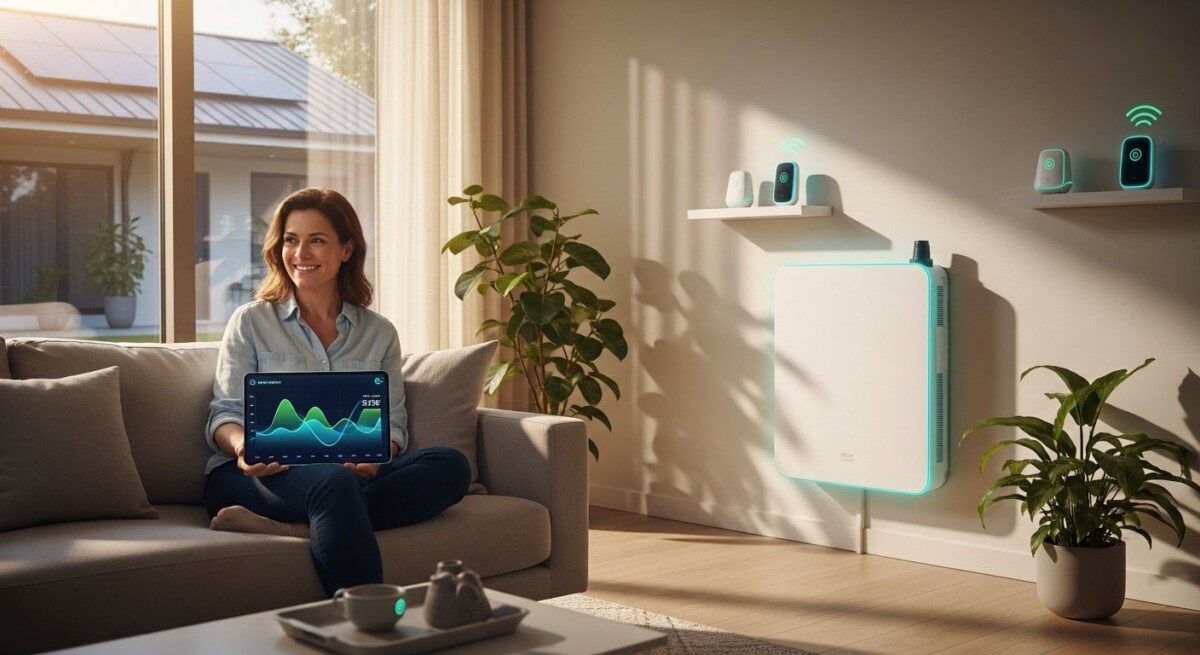
AI-powered solar systems use machine learning and smart algorithms to monitor weather patterns, energy usage, and panel performance continuously. This allows the system to adjust panel angles, manage battery storage, and even predict when to draw from the grid versus your solar array. As a result, AI solar can squeeze more energy from every ray of sunlight, reducing waste and maximizing your savings.
More homeowners are turning to AI solar because it offers a hands-off way to optimize energy production. You do not need to be a tech expert,the system handles the complex decisions automatically. This blend of renewable energy and smart technology is making solar more reliable and cost-effective than ever before.
Why Solar Energy Is Becoming More Popular
Electricity rates have risen by double digits in many regions over the past few years, putting pressure on household budgets. At the same time, environmental awareness has grown, and more people want to reduce their carbon footprint. Solar energy offers a practical way to address both concerns without sacrificing comfort or convenience.
Long-term savings remain the biggest draw. A well-designed solar system can pay for itself within six to ten years, then deliver free electricity for decades. Federal tax credits, state rebates, and net metering programs further sweeten the deal, often covering 30% or more of the upfront installation cost. These incentives make solar accessible to a broader range of homeowners.
Energy independence is another powerful motivator. By generating your own power, you shield yourself from utility rate hikes and grid outages. Whether you choose a traditional setup or an AI-enhanced system, solar puts you in control of your energy future.
If you are considering solar power for your home, comparing installation quotes can help you understand your options. Request a free solar quote or call to learn more.
Common Questions Homeowners Have About Solar
Many people hesitate because they worry about the upfront cost or whether their roof can support panels. Installation prices have dropped significantly over the last decade, and financing options like solar loans and leases make it easier to get started. A professional installer can evaluate your roof’s condition, orientation, and shading to determine if solar is a good fit.
Performance concerns also come up frequently. Will panels work on cloudy days? Yes,they still generate electricity, though at a reduced rate. Battery storage can store excess energy for use at night or during outages. AI systems take this a step further by optimizing when to charge and discharge the battery based on your usage patterns and electricity rates.
- How much does a solar system cost for an average home?
- Will solar panels work on a north-facing roof?
- How long do solar panels last?
- Do I need a battery with my solar system?
- What happens if I move after installing solar?
- Are there government incentives available in my area?
How Solar Panel Installation Works
Installing solar panels is not a DIY weekend project,it requires professional assessment, permits, and careful installation. The process usually takes a few days to a few weeks, depending on the complexity of your home and local regulations. A reputable installer guides you through each step, ensuring your system is safe, efficient, and compliant.
- Home energy assessment: An installer reviews your electricity bills, roof condition, and sun exposure to size the system correctly.
- System design: Using software and site measurements, they create a custom layout for your panels, inverter, and battery (if included).
- Permits and approvals: The installer handles paperwork with your city or county and your utility company for interconnection.
- Panel installation: Crews mount the racks, install panels, and connect wiring to your electrical panel.
- System activation: After inspection and utility approval, your system is turned on and starts generating power.
Speaking with experienced installers can help you determine the best solar solution for your home. Compare solar quotes here or call to explore available options.
Signs Your Home May Be Ideal for Solar
Not every home is equally suited for solar, but many properties can benefit. The best candidates have a roof that receives direct sunlight for most of the day, especially between 9 a.m. and 3 p.m. South-facing roofs are ideal, but east and west exposures can also work well with proper system design.
If your electricity bills are high,say, over $100 per month,solar can deliver meaningful savings. You also want to plan on staying in your home for at least five to seven years to recoup your investment. Homes with newer roofs (less than 10 years old) avoid the extra cost of removing and reinstalling panels later.
- Your roof gets at least 4,5 hours of direct sunlight daily.
- Your monthly electricity bill exceeds $100.
- You have at least 300 square feet of unshaded roof space.
- Your roof is in good condition and less than 10 years old.
- You plan to stay in your home for the next 5+ years.
- Your state or utility offers net metering or solar incentives.
What Affects Solar Installation Costs
The price of a solar system varies based on the size you need, the quality of equipment you choose, and the complexity of your installation. A typical residential system ranges from $15,000 to $25,000 before incentives, but costs can go higher with premium panels or battery storage. AI-enhanced systems may carry a slightly higher upfront price but often deliver better long-term returns through increased efficiency.
Local labor rates and permit fees also play a role. Installers in regions with high demand or stricter regulations may charge more, but competition often keeps prices reasonable. The good news is that federal and state incentives can reduce your net cost by 30% or more, making solar affordable for most homeowners.
The cost of solar installation varies depending on your home and energy needs. Request personalized solar quotes or call to see what options are available.
Tips for Choosing a Reliable Solar Installer
Selecting the right installer is just as important as choosing the right equipment. A trustworthy company will conduct a thorough site survey, provide transparent pricing, and explain the pros and cons of both AI and traditional systems. They should also handle all permits and inspections, saving you time and headaches.
Always check the installer’s credentials,look for NABCEP certification, positive reviews on platforms like Google or EnergySage, and a solid warranty on both equipment and workmanship. Comparing quotes from at least three installers ensures you get a fair price and the best system for your home.
- Verify the company is licensed and insured in your state.
- Ask about equipment warranties (25 years for panels is standard).
- Read recent customer reviews, especially about post-installation support.
- Get at least three detailed quotes for comparison.
- Inquire about financing options, including solar loans and leases.
Long-Term Benefits of Installing Solar Panels
The most obvious benefit is lower electricity bills,many homeowners see a 50% to 90% reduction from day one. Over 20 years, that can add up to tens of thousands of dollars in savings. Solar also increases your home’s resale value; studies show that homes with solar panels sell for about 4% more than comparable non-solar homes.
Environmentally, solar energy reduces your reliance on fossil fuels, cutting greenhouse gas emissions by an average of 3 to 4 tons per year per home. And with AI integration, you get even cleaner energy use because the system minimizes waste and optimizes battery storage. Energy independence means you are less vulnerable to grid failures and future rate hikes.
How does AI improve solar panel efficiency?
AI uses real-time data from weather forecasts, sunlight sensors, and your home’s energy usage patterns to adjust panel angles and power flow. This can boost energy harvest by 10% to 20% compared to fixed traditional panels, meaning you generate more electricity from the same roof space.
Are AI solar systems more expensive than traditional ones?
AI systems typically cost 5% to 15% more upfront due to the smart hardware and software. However, the increased energy production and better battery management often result in a faster payback period, making them cost-competitive over the system’s lifetime.
Can I add AI to my existing solar system?
In many cases, yes. You can retrofit an existing traditional system with an AI optimizer or smart inverter. A professional installer can evaluate your current setup and recommend the most cost-effective upgrade path.
Do AI solar systems require internet or Wi-Fi?
Yes, most AI solar systems need an internet connection to access cloud-based weather data and software updates. Some systems can operate offline with basic functions, but full optimization requires connectivity.
How long do solar panels last with AI technology?
Solar panels themselves have a lifespan of 25 to 30 years, regardless of AI integration. The AI components,like smart inverters and sensors,may need replacement after 10 to 15 years, similar to standard inverters.
Will solar panels work during a power outage?
Traditional grid-tied systems shut down during outages for safety. AI systems with battery storage can disconnect from the grid and continue powering critical loads, such as refrigerators and lights, during a blackout.
What maintenance do AI solar systems need?
Both traditional and AI solar systems require minimal maintenance,mainly occasional panel cleaning and annual inspections. AI software updates are handled automatically, and the system can alert you if a panel or component needs attention.
Are there government incentives for AI solar systems?
Yes, AI solar systems qualify for the same federal solar tax credit (30% in 2025) as traditional systems. Some states and utilities also offer additional rebates or performance-based incentives that apply to both types.
Choosing between AI and traditional solar systems ultimately depends on your budget, energy goals, and how much optimization you want. Both options can lower your electricity bills, increase your home’s value, and reduce your environmental impact. The key is to work with a trusted installer who can explain your choices and help you design a system that fits your needs. Start by comparing quotes from multiple professionals,this simple step can save you thousands and ensure you get the best technology for your home. For a deeper dive into how these systems compare, check out our detailed analysis on AI vs Traditional Solar Systems: Which Saves More?