How AI Improves Solar Output for Bigger Savings
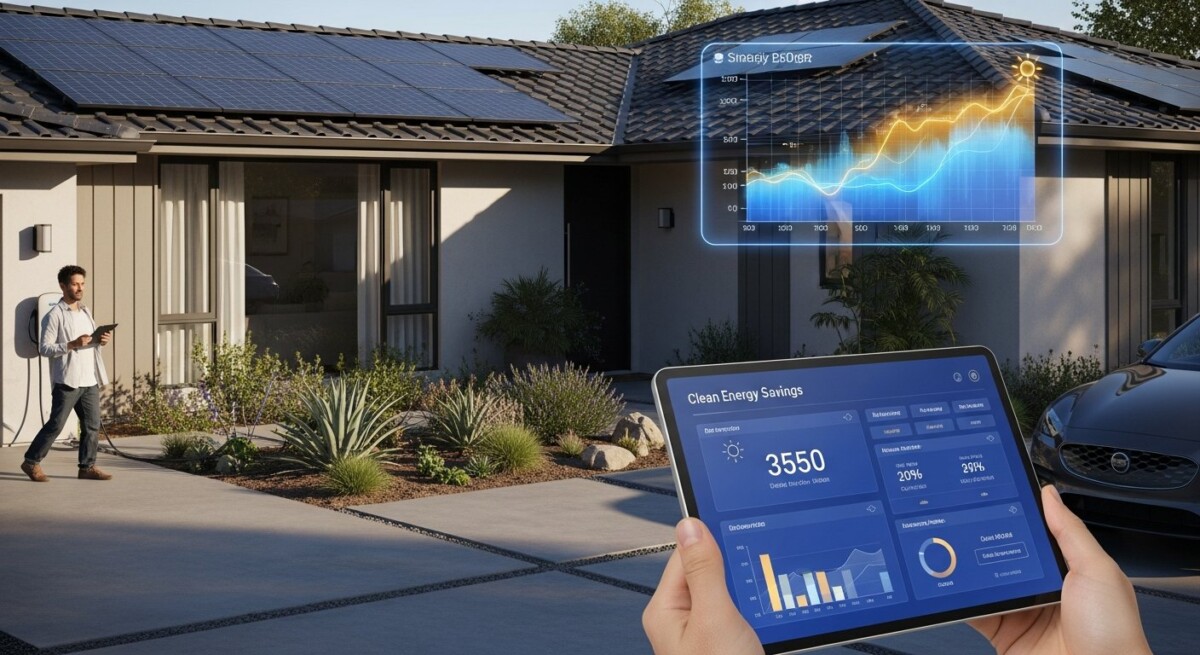
Every month, you open your electricity bill and feel a little heavier. The rates keep climbing, and it seems like there is no end in sight. That is why more homeowners are searching for how much AI improves solar output,they want to lower their energy costs and take control of their home’s power. The promise of smaller bills and less reliance on the grid sounds appealing, but many people wonder if modern technology can actually deliver those savings. The good news is that artificial intelligence is now making solar systems smarter, more efficient, and more affordable than ever before.
Understanding How Much AI Improves Solar Output
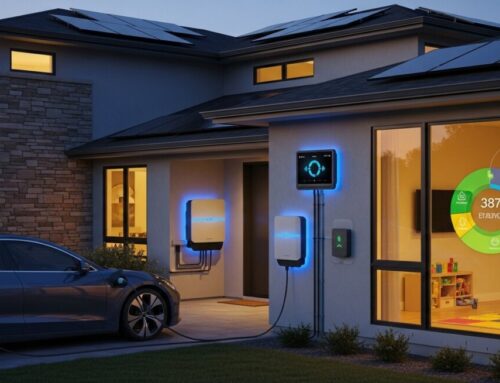
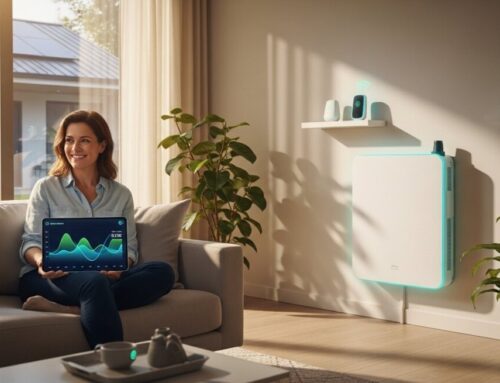
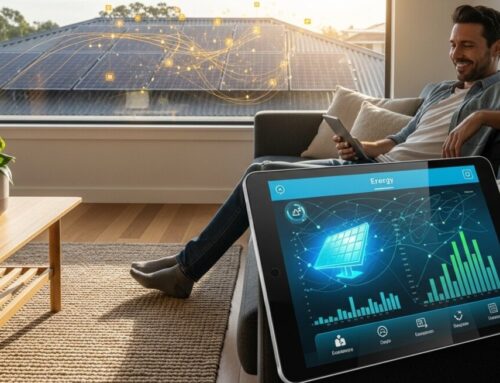
Artificial intelligence, or AI, is a set of computer programs that can learn from data and make decisions. When applied to solar panels, AI analyzes weather patterns, sun angles, and household energy usage to optimize how much electricity your system generates. Unlike a standard solar setup that simply collects sunlight, an AI-enhanced system actively adjusts panels and predicts production throughout the day.
For homeowners, this means you get more usable energy from the same set of panels. AI can tilt panels slightly, reroute power to your home’s battery, or alert you when cleaning is needed. In our guide on how AI predicts solar output for bigger savings, we explain how these algorithms turn sunlight into steady, predictable savings. More homeowners are choosing AI-integrated systems because they reduce waste and help you avoid buying expensive electricity from the utility company during peak hours.
How AI Works in a Home Solar System
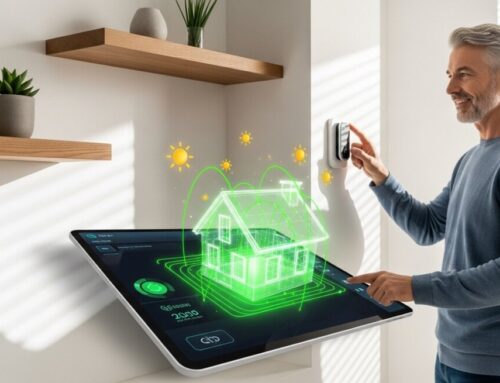
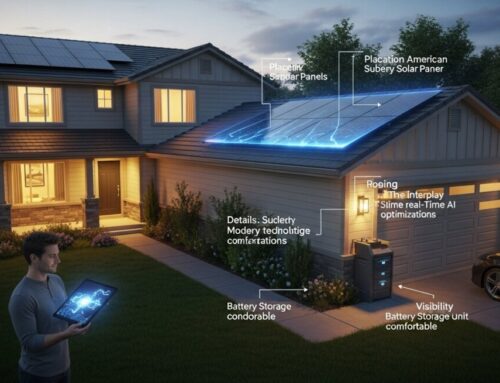
At its core, AI uses sensors and real-time data to make micro-adjustments that boost performance. For example, if clouds are moving in, the system can store energy in your battery before the sun dims. If a storm is coming, AI can prepare the system to protect itself from damage.
These smart adjustments happen automatically, so you do not have to monitor your panels every day. The result is a more reliable system that produces more power over its lifetime. This technology is why understanding how much AI improves solar output is essential for anyone considering solar installation right now.
Why Solar Energy Is Becoming More Popular
Electricity prices have risen steadily over the past decade, and many homeowners are looking for ways to lock in lower rates. Solar power offers a way to generate your own electricity and protect yourself from future price hikes. Add to that growing awareness about climate change, and more families want to reduce their carbon footprint.
Long-term savings are also a major draw. Solar panels typically pay for themselves within six to ten years, then continue producing free electricity for another fifteen years or more. With AI improving output by 10 to 30 percent in some cases, the payback period becomes even shorter. Homeowners are realizing that solar is not just an environmental choice,it is a smart financial move.
If you are considering solar power for your home, comparing installation quotes can help you understand your options. Request a free solar quote or call to learn more.
Common Questions Homeowners Have About Solar
Many people worry about the upfront cost of solar panels. While the initial investment can be significant, federal tax credits and local rebates often cover 30 percent or more of the total price. Financing options also make it possible to start saving with little or no money down.
Another common concern is whether your roof can support solar panels. Most roofs with good southern exposure and at least 20 years of life remaining are suitable. A professional installer will assess your roof’s condition and angle during a free consultation. Performance questions are also frequent,homeowners want to know if panels work on cloudy days. They do, though production is lower. AI helps by optimizing what little light is available.
- How much does a solar system cost for an average home?
- Will solar panels work during winter or cloudy weather?
- How long do solar panels last?
- Do I need to replace my roof before installing solar?
- What happens if my panels produce more electricity than I use?
- Is AI worth the extra cost?
How Solar Panel Installation Works
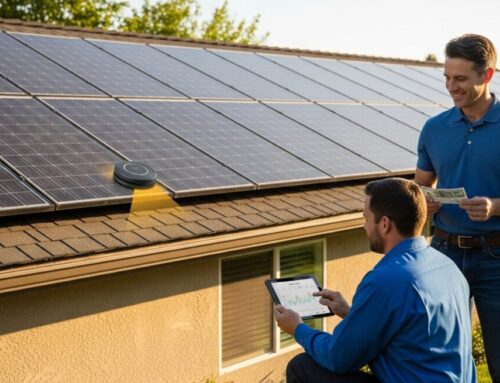
Installing solar panels is simpler than most homeowners expect. First, a technician visits your home to evaluate your energy usage, roof space, and sunlight exposure. They use this information to design a system tailored to your needs. Once the design is approved, your installer handles all the permits and paperwork with your local government and utility company.
Next, the physical installation takes one to three days. Workers mount the panels, connect the inverter, and wire the system to your electrical panel. After everything is installed, a final inspection ensures the system meets safety standards. Then the utility company gives permission to turn the system on, and you start generating power.
- Home energy assessment and system design
- Permits and approvals from local authorities
- Panel installation on your roof
- Electrical wiring and inverter setup
- Final inspection and system activation
Speaking with experienced installers can help you determine the best solar solution for your home. Compare solar quotes here or call to explore available options.
Signs Your Home May Be Ideal for Solar
Not every home is perfectly suited for solar, but many are. The most important factor is sunlight exposure. If your roof gets direct sun for most of the day, especially from the south, you have a strong candidate. Trees or nearby buildings that cast shade can reduce output, though AI helps minimize that loss.
High electricity bills are another clear sign. If you pay more than $100 per month, solar can probably save you money. Adequate roof space is also important,most homes need about 300 to 500 square feet of unshaded area. Finally, if you plan to stay in your home for at least five more years, the financial benefits will be substantial.
- Strong, direct sunlight for at least four hours daily
- Monthly electricity bills above $100
- Unshaded roof with at least 300 square feet of space
- Roof in good condition with 15,20 years of life left
- Plans to stay in your home for five or more years
What Affects Solar Installation Costs
The size of your system is the biggest cost driver. A larger home that uses more electricity will need more panels, which increases the price. Equipment quality also matters,premium panels and AI-optimized inverters cost more upfront but deliver better long-term performance.
Installation complexity can raise costs too. Steep roofs, tile roofs, or homes with multiple stories require more labor and safety equipment. Local incentives and net metering policies can dramatically lower your net cost. Some states offer additional rebates that make solar affordable even for modest budgets.
The cost of solar installation varies depending on your home and energy needs. Request personalized solar quotes or call to see what options are available.
Tips for Choosing a Reliable Solar Installer
Choosing the right installer is just as important as choosing the right panels. Look for companies with several years of experience and a solid track record in your area. They should offer clear warranties on both the equipment and the installation workmanship.
Read customer reviews on platforms like Google or the Better Business Bureau. Pay attention to how the company handles service calls and maintenance after installation. Most importantly, get at least three quotes from different installers. Pricing and proposed system designs can vary widely, so comparing them helps you avoid overpaying or getting a poorly designed system.
- Review the installer’s experience and certifications
- Check warranties for panels, inverters, and workmanship
- Read customer reviews and ask for references
- Compare at least three detailed quotes
- Ask about AI integration and how it improves output
Long-Term Benefits of Installing Solar Panels
The most obvious benefit is lower electricity bills. With AI-optimized panels, many homeowners cut their monthly costs by 50 to 90 percent. Over twenty years, that adds up to tens of thousands of dollars in savings. Solar also increases your home’s resale value,studies show that homes with solar sell for about 4 percent more than comparable homes without it.
Beyond finances, solar gives you energy independence. You are less affected by utility rate hikes and power outages, especially if you pair panels with a battery. Environmentally, a typical home solar system offsets about three to four tons of carbon dioxide each year. That is like planting over 100 trees annually. For homeowners who want to read more about the numbers, our article on how much AI improves solar output for maximum savings breaks down the performance gains you can expect.
Frequently Asked Questions
How much can AI really improve my solar panel output?
AI can boost a home solar system’s energy production by 10 to 30 percent, depending on your climate and roof orientation. It does this by adjusting panel angles, predicting weather, and managing battery storage. Over the life of your system, that extra output can save you thousands of dollars.
Do I need a special solar panel for AI to work?
No, you do not need special panels. AI is primarily software that runs on your inverter or a separate controller. Most modern solar systems can be upgraded to include AI features, and many new systems come with it built in. Your installer can explain the options available for your home.
Will solar panels work during a power outage?
Standard grid-tied solar systems shut down during outages for safety. However, if you have a solar battery and an AI-powered inverter, you can keep critical appliances running. AI helps manage the battery discharge so you do not run out of power before the grid comes back.
How long does a solar installation take from start to finish?
From your initial consultation to system activation, the process usually takes four to eight weeks. The physical installation takes only one to three days. Most of the time is spent on permitting, approvals, and scheduling the final inspection.
What maintenance do solar panels need?
Solar panels require very little maintenance. You should clean them once or twice a year to remove dust and debris. AI systems can alert you when cleaning is needed or when a panel is underperforming. The inverter and other electronics generally last 10 to 15 years before needing replacement.
Can I install solar panels myself to save money?
DIY installation is possible, but it is risky and often voids equipment warranties. Mistakes in wiring or mounting can cause fires or leaks. Professional installers ensure the system meets local codes and qualifies for rebates. In many cases, the savings from AI optimization and professional design outweigh the DIY savings.
Do government incentives still apply if I add AI to my solar system?
Yes, the federal solar investment tax credit (ITC) covers the entire system cost, including AI components. Many state and local rebates also apply. Always confirm with your installer and a tax professional, but AI integration does not disqualify you from incentives.
How do I know if AI is worth the extra money for my home?
AI typically adds 5 to 15 percent to the upfront cost of a solar system. For most homes, the increased energy production pays for that premium within two to four years. Your installer can run a personalized savings estimate that compares standard panels to AI-optimized panels.
Solar energy is one of the most practical ways to reduce your electricity bills, increase your home’s value, and help the environment. With AI making panels smarter and more efficient, the decision to go solar has never been easier. The best way to start is by comparing quotes from multiple installers to find the right system for your home and budget. Request free quotes today and see how much you can save.