AI Renewable Energy Solutions: Cut Home Solar Costs
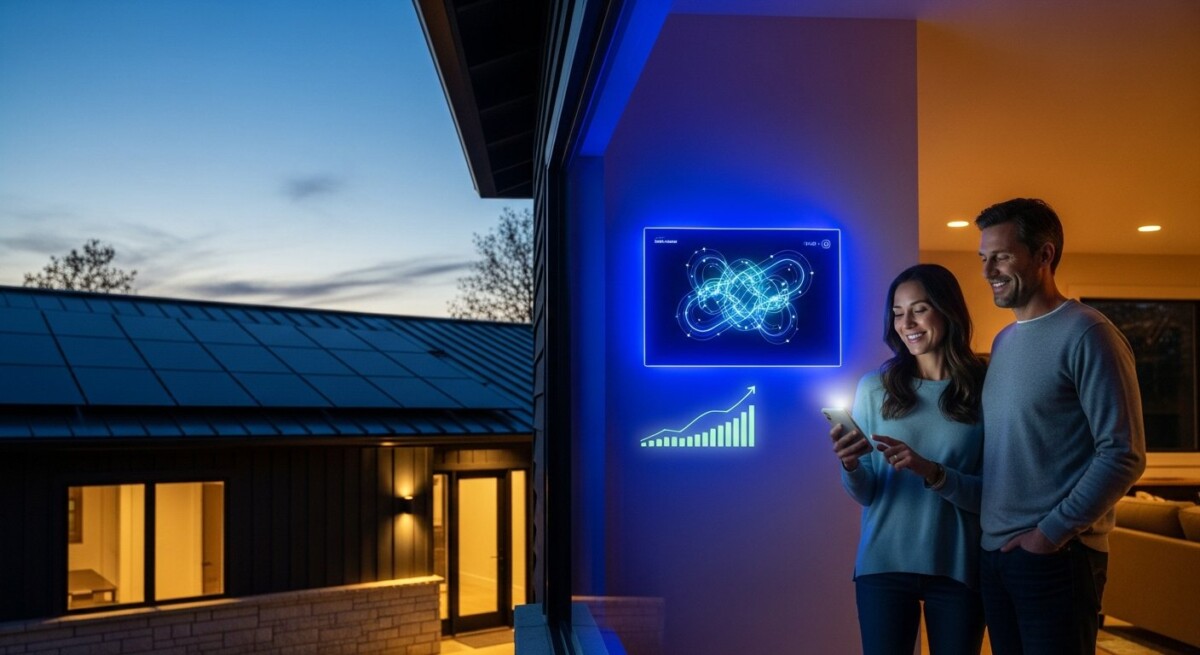
Imagine opening your monthly electricity bill and seeing a number that makes you wince. Every year, utility rates creep higher, squeezing household budgets and leaving many homeowners searching for a better way. This is why more families are turning to AI renewable energy solutions to manage their power use, reduce their reliance on the grid, and finally take control of their energy costs. The promise of lower bills and a smaller carbon footprint is powerful,and with modern technology, it is more achievable than ever.
Understanding AI Renewable Energy Solutions
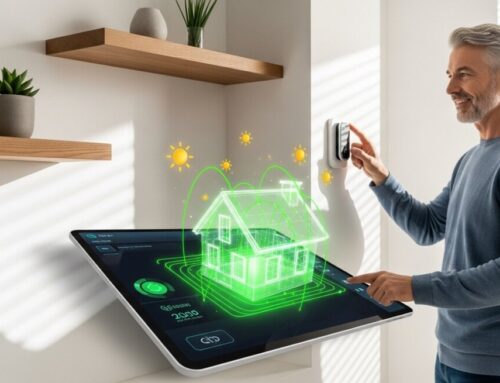
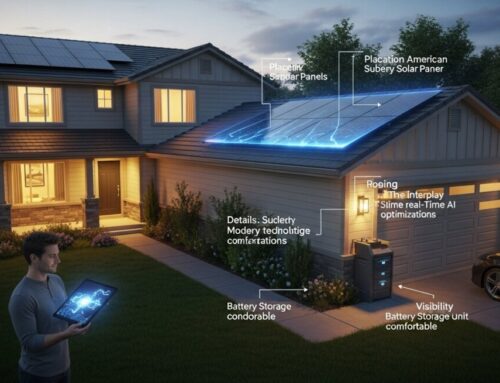
At its core, an AI renewable energy solution combines artificial intelligence with solar power systems to optimize how your home generates, stores, and consumes electricity. Instead of a static set of panels, your system learns your household’s energy patterns and adjusts in real time. For example, AI can predict when clouds will pass over your roof and shift battery charging schedules accordingly, ensuring you use the cheapest and cleanest power available.
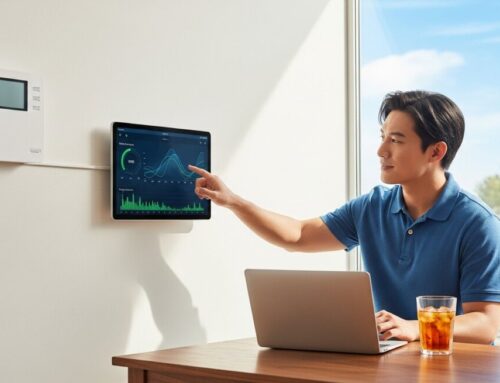
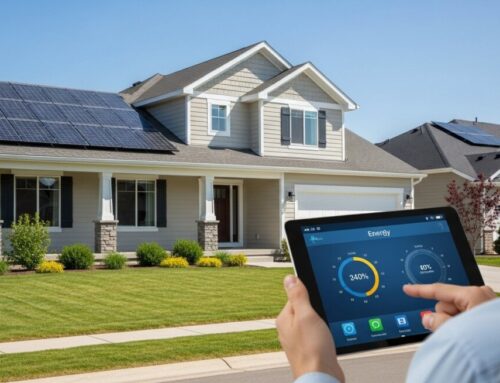
This technology is not about futuristic gadgets you cannot afford. Many modern solar inverters and energy management platforms already include basic AI features. They analyze weather forecasts, your past usage, and local utility rates to decide whether to send excess power to the grid or store it for evening use. As a homeowner, this means you get more value from every kilowatt-hour your panels produce.
Why are more people considering these systems? Because the savings add up. An AI-optimized solar setup can increase energy harvest by 10 to 20 percent compared to a standard system. When you combine that with falling solar equipment prices and generous tax credits, the financial case becomes very strong.
Why Solar Energy Is Becoming More Popular
Electricity prices in the United States have risen an average of 3 to 5 percent per year over the past decade, and there is no sign of a slowdown. For a typical homeowner, that can mean hundreds of extra dollars annually,money that could otherwise fund a vacation or home improvement project. Solar power offers a way to lock in a large portion of your electricity costs for decades.
Beyond the financial reasons, there is a growing awareness of environmental impact. Generating your own clean energy reduces dependence on fossil fuels and cuts your household’s carbon footprint. Many homeowners feel good about contributing to a healthier planet while also saving money. It is a rare win-win situation.
Long-term savings are the real headline. While the upfront cost of solar panels may seem significant, the average system pays for itself in 6 to 10 years through lower utility bills. After that, the electricity your panels produce is essentially free. In our guide on solar energy solutions for homeowners, we explain how to calculate your potential payback period and maximize your return.
If you are considering solar power for your home, comparing installation quotes can help you understand your options. Request a free solar quote or call to learn more.
Common Questions Homeowners Have About Solar
Making the switch to solar naturally raises many questions. The most common concern is cost: “How much will this really set me back?” The good news is that prices have dropped dramatically. The average cost of a residential solar system has fallen by more than 60 percent since 2010, and federal and local incentives can cover 30 percent or more of the total.
Another big question is whether your roof is suitable. Solar panels work best on south-facing roofs with little shade, but modern installers can design systems that work well on east- or west-facing roofs too. They will assess your roof’s age, material, and angle during a free consultation.
Performance is another frequent worry. Homeowners often ask, “Will my panels work on cloudy days?” Yes, they will. Panels still produce electricity from diffuse light, though at reduced output. Battery storage can help bridge those gaps and keep your home powered through the night or during outages.
- How much does a typical solar system cost after incentives?
- Will solar panels damage my roof?
- How long do solar panels last?
- Do I need a battery with my solar system?
- What happens if I sell my home with solar panels?
- Can I go completely off-grid with solar?
How Solar Panel Installation Works
Installing solar panels is a straightforward process when you work with a professional installer. The first step is a home energy assessment, where an expert reviews your past utility bills, measures your roof, and discusses your goals. This information helps them design a system that fits your budget and energy needs.
Next, the installer creates a custom system design and handles all necessary permits and approvals from your local utility and municipality. This step alone can save you hours of paperwork and headaches. Once permits are in place, the physical installation usually takes one to three days, depending on the system size and roof complexity.
- Home energy assessment and goal setting
- Custom system design and equipment selection
- Permitting and utility approvals
- Panel and inverter installation
- Inspection and system activation
Speaking with experienced installers can help you determine the best solar solution for your home. Compare solar quotes here or call to explore available options.
Signs Your Home May Be Ideal for Solar
Not every home is perfectly suited for solar, but many are. The most important factor is sunlight exposure. If your roof receives direct sunlight for most of the day,especially between 9 a.m. and 3 p.m.,you are already a strong candidate. Trees or neighboring buildings that cast heavy shade can reduce output, but an installer can help you evaluate this.
Another clear sign is high electricity bills. If you are paying $100 or more per month on average, solar can likely save you money. Also, consider your long-term plans. If you intend to stay in your home for at least five to seven years, the investment usually pays off well before you move.
- Your roof faces south, east, or west with minimal shade
- Your monthly electricity bill is consistently over $100
- You have at least 300 square feet of usable roof space
- Your roof is less than 15 years old or in good condition
- You plan to stay in your home for at least five years
- Your state or utility offers solar incentives or net metering
What Affects Solar Installation Costs
The price of a solar system is not one-size-fits-all. The biggest factor is system size, measured in kilowatts (kW). A typical home needs between 5 kW and 10 kW of solar capacity, and larger systems cost more upfront but also save more over time. Equipment quality also matters,premium panels and inverters carry a higher price tag but often come with better warranties and efficiency.
Installation complexity can add to the cost. A simple, single-story home with a standard asphalt shingle roof is quick and easy to work on. A multi-story home with a tile or slate roof, or one that requires electrical panel upgrades, will take more labor and materials. Local incentives and rebates can significantly lower your net cost, sometimes by 30 percent or more.
The cost of solar installation varies depending on your home and energy needs. Request personalized solar quotes or call to see what options are available.
Tips for Choosing a Reliable Solar Installer
Choosing the right installer is just as important as choosing the right equipment. A trustworthy company will be transparent about pricing, timelines, and expected performance. They should also be licensed, insured, and have a proven track record in your area. Do not be shy about asking for references or checking online reviews.
One of the smartest moves you can make is getting multiple quotes. Every installer has different pricing, equipment preferences, and installation methods. Comparing at least three quotes gives you leverage and helps you spot an unusually high or low offer. A good installer will also explain the fine print, including warranty coverage and what happens if your system underperforms.
- Look for installers with at least five years of experience
- Check for certifications like NABCEP (North American Board of Certified Energy Practitioners)
- Read customer reviews on Google, Yelp, and the Better Business Bureau
- Ask about equipment warranties (panels: 25 years, inverters: 10,15 years)
- Get at least three detailed quotes before signing anything
- Ensure the quote includes all permits, labor, and monitoring costs
Long-Term Benefits of Installing Solar Panels
The immediate benefit of solar is lower monthly electricity bills. Over the lifetime of your system,typically 25 to 30 years,those savings can total tens of thousands of dollars. Even after accounting for maintenance and occasional repairs, most homeowners see a strong return on investment.
Solar panels also increase your home’s resale value. Studies show that homes with solar sell for about 4 percent more on average than comparable homes without solar. Plus, buyers are often willing to pay a premium for lower utility costs. You also gain energy independence, protecting yourself against future rate hikes and giving you peace of mind during grid outages if you have battery storage.
Finally, there is the environmental benefit. A typical residential solar system offsets roughly three to four tons of carbon dioxide per year. That is equivalent to planting more than 100 trees annually. For homeowners who care about sustainability, that is a meaningful contribution.
How long does it take to break even on solar panels?
Most homeowners recover their initial investment within 6 to 10 years. The exact timeline depends on your electricity rates, system size, and available incentives. After the break-even point, your electricity is essentially free for the remaining life of the panels.
Do solar panels work during a power outage?
Standard grid-tied solar systems shut down during outages to protect utility workers. However, if you install a battery storage system, you can keep critical appliances running. Some modern inverters also offer backup outlets that work during an outage without a full battery.
What maintenance do solar panels require?
Solar panels are very low maintenance. Rain usually keeps them clean, but in dusty areas or climates with little rain, an occasional hose-down can help. Most systems come with monitoring software that alerts you to any performance issues. Inverter replacement is typically needed once during the system’s lifetime.
Can I install solar panels myself to save money?
DIY solar installation is possible, but it is not recommended for most homeowners. Mistakes in wiring, mounting, or permitting can lead to safety hazards, voided warranties, and reduced performance. Professional installers also handle all the paperwork and grid connection, which saves time and stress.
Will solar panels work on a flat roof?
Yes, solar panels can be installed on flat roofs using angled mounting racks that tilt the panels toward the sun. This is a common and effective setup for many homes and commercial buildings. The installer will ensure the roof membrane is protected during installation.
What happens to solar panels at the end of their life?
Solar panels are recyclable. Many manufacturers now offer take-back programs, and recycling facilities can recover up to 95 percent of the materials, including glass, aluminum, and silicon. Proper disposal ensures that old panels do not end up in landfills.
Are there financing options for solar installation?
Yes, there are several ways to pay for solar. You can purchase the system outright with cash, take out a solar loan, or enter a lease or power purchase agreement (PPA). Each option has different financial implications, so it is wise to compare them with your installer’s help.
How do I know if my roof is strong enough for solar panels?
A professional installer will inspect your roof’s structure and condition before installation. Most modern roofs can support the weight of solar panels, which is typically only 3 to 5 pounds per square foot. If your roof needs repairs, it is best to address those before installing panels.
Taking control of your home’s energy future starts with understanding your options. Solar power offers a reliable path to lower bills, greater independence, and a cleaner environment. The best way to move forward is to gather information and compare offers from trusted professionals. Explore your solar installation possibilities today by requesting free quotes and seeing how much you could save. For a deeper dive into the technology behind modern systems, read our article on AI renewable energy solutions: save on home solar costs.