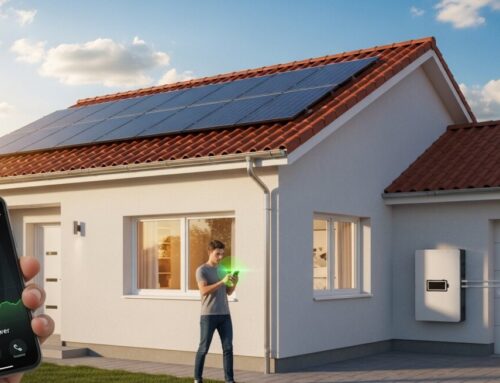
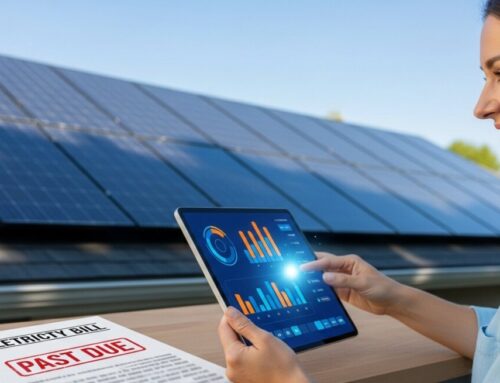
Solar Monitoring Software AI: Boost Your Home Savings
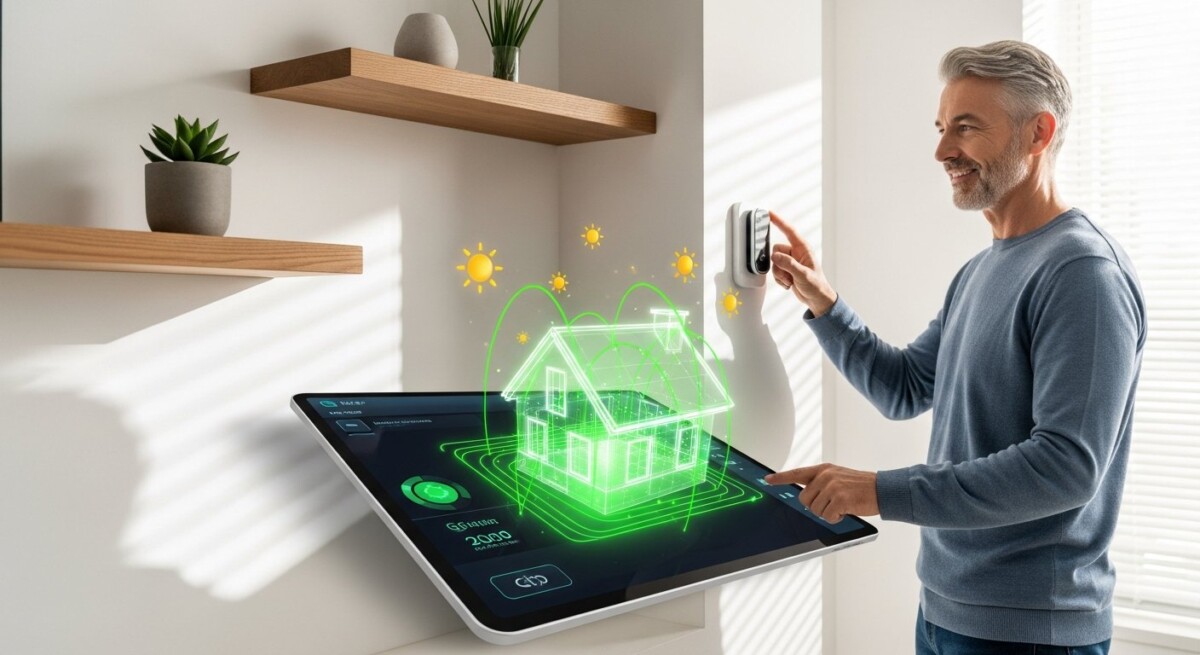
You open your monthly electric bill and feel that familiar sting. Rates keep climbing, and it seems like there is little you can do about it. That frustration is driving more homeowners to explore solar energy, not just as an eco-friendly choice but as a practical way to take control of rising costs. At the heart of this shift is a powerful tool that makes solar smarter than ever: solar monitoring software AI.
This technology is changing how homeowners track their energy production and consumption. Instead of guessing how much power your panels generate, AI-powered monitoring gives you real-time insights. It helps you spot inefficiencies, predict maintenance needs, and maximize every kilowatt your system produces. That translates directly into lower electricity bills and greater energy independence.
Understanding solar monitoring software ai
Solar monitoring software AI is essentially a smart dashboard for your solar panel system. Traditional monitoring simply shows you how much energy your panels are producing. AI takes that data and analyzes it, learning your home’s energy patterns and the local weather to optimize performance automatically.
Think of it as a personal energy assistant. The software detects when a panel is underperforming due to shading or dirt and alerts you. It can even forecast how much energy your system will generate tomorrow based on the weather forecast. This level of insight helps you shift high-energy tasks,like running the dishwasher or charging an electric vehicle,to times when your panels are producing the most power.
More homeowners are choosing AI-powered systems because they remove the guesswork from solar ownership. You no longer wonder if your investment is paying off; the data is right there on your phone. In our guide on AI Solar Monitoring Explained: Boost Your Home Savings, we explain how this technology turns raw data into real savings.
Why Solar Energy Is Becoming More Popular
Electricity rates have risen sharply over the past decade, and experts expect that trend to continue. Solar panels offer a way to lock in a fixed energy cost for decades, shielding you from unpredictable rate hikes. For many homeowners, the math simply makes sense: the monthly savings on their electric bill often exceed the cost of financing a solar system.
Environmental concerns also play a major role. Solar energy is clean, renewable, and reduces your household’s carbon footprint. But the biggest motivator remains the long-term financial return. A well-designed solar system can pay for itself in 6 to 10 years and continue producing free electricity for another 15 to 20 years.
Government incentives sweeten the deal. The federal solar tax credit allows you to deduct 30% of your installation costs from your taxes. Many states and utilities offer additional rebates, performance payments, or net metering programs that credit you for excess power you send back to the grid. A professional installer can help you navigate these programs and ensure you claim every incentive available.
If you are considering solar power for your home, comparing installation quotes can help you understand your options. Request a free solar quote or call to learn more.
Common Questions Homeowners Have About Solar
Even with all the benefits, many homeowners hesitate because they have unanswered questions. The most common concern is upfront cost. A typical residential solar system ranges from $15,000 to $25,000 before incentives, but financing options like solar loans or leases can eliminate the need for a large cash payment.
Another frequent question is whether a roof is suitable for panels. Most roofs with southern exposure and minimal shading work well, but even east- or west-facing roofs can produce significant power. A professional installer will conduct a site assessment to measure your roof’s angle, orientation, and structural integrity.
Homeowners also worry about system performance on cloudy days or during winter. Solar panels still generate electricity in diffuse light, just at a reduced rate. AI monitoring software can help you understand these fluctuations and set realistic expectations for year-round production.
- How much will I really save each month?
- Will solar panels work during a power outage?
- How long do solar panels last?
- Do I need a battery with my solar system?
- What happens if my roof needs repairs after installation?
- Can I monitor my system from my phone?
How Solar Panel Installation Works
The installation process is more straightforward than most homeowners realize. It typically begins with a home energy assessment, where an installer reviews your past electric bills and evaluates your roof. This step determines the ideal system size to offset your energy usage.
After the assessment, the installer designs a custom system tailored to your roof and energy goals. They handle all the permits and approvals required by your local utility and city government. This paperwork can be tedious, but a good installer manages everything so you don’t have to.
- Home energy assessment and roof inspection
- System design and equipment selection
- Permitting and utility approvals
- Panel installation (usually 1,3 days)
- System activation and monitoring setup
Once the panels are installed and the system is activated, your AI monitoring software goes to work. You will receive a login to your dashboard, and within days you can see exactly how much energy your panels are producing. For a deeper look at how monitoring software drives savings, check out our article on AI Solar Monitoring Explained: Maximize Your Home’s Savings.
Speaking with experienced installers can help you determine the best solar solution for your home. Compare solar quotes here or call to explore available options.
Signs Your Home May Be Ideal for Solar
Not every home is perfectly suited for solar, but many are better candidates than homeowners realize. The most important factor is sunlight exposure. Homes with a south-facing roof that receives direct sunlight for most of the day will see the highest energy production.
Your monthly electricity bill is another strong indicator. If you pay more than $100 per month on average, solar can likely save you money. The more you spend on electricity now, the faster your solar investment will pay off.
- Your roof faces south, east, or west with minimal shading
- You pay $100 or more per month for electricity
- Your roof is less than 10 years old and in good condition
- You plan to stay in your home for at least 5 more years
- Your local utility offers net metering or solar incentives
- You have a large roof area with at least 300 square feet of clear space
What Affects Solar Installation Costs
Solar pricing varies significantly based on system size, equipment quality, and the complexity of your installation. A larger system that covers 100% of your energy needs will cost more upfront but deliver higher long-term savings. High-efficiency panels and premium inverters also add to the price but often come with better warranties and longer lifespans.
Installation complexity matters too. A simple roof with standard asphalt shingles is quicker and cheaper to work with than a tile or slate roof. If your electrical panel needs an upgrade or if your roof requires structural reinforcement, those costs will be added to the total. Local incentives can offset a substantial portion of the expense, which is why comparing quotes from multiple installers is essential.
The cost of solar installation varies depending on your home and energy needs. Request personalized solar quotes or call to see what options are available.
Tips for Choosing a Reliable Solar Installer
Choosing the right installer is just as important as choosing the right equipment. A reliable company will conduct a thorough site visit, explain every line item in your quote, and answer your questions without pressure. Look for installers who have been in business for at least five years and have positive reviews on platforms like Google and the Better Business Bureau.
Warranties are a critical part of any solar investment. A good installer offers a workmanship warranty of at least 10 years, while the equipment itself should come with a 25-year performance warranty. Reading customer reviews can also reveal how responsive a company is when problems arise.
- Verify the installer’s license, insurance, and certifications
- Ask for at least three detailed quotes before deciding
- Check the warranty terms for panels, inverters, and labor
- Read recent customer reviews on independent sites
- Ask how the installer handles monitoring and system maintenance
Long-Term Benefits of Installing Solar Panels
The most immediate benefit of solar panels is lower monthly electricity bills. Many homeowners see their bills drop by 50% to 90% or even eliminate them entirely, depending on system size and local utility rates. Over 20 years, those savings can total $30,000 or more.
Solar panels also increase your home’s resale value. Studies show that homes with solar systems sell for a premium compared to similar homes without them. And because solar technology is durable,most panels come with 25-year warranties and continue producing power beyond that,your investment keeps paying off year after year.
Beyond financial returns, solar gives you a sense of energy independence. You are less affected by grid outages, rate hikes, and fuel price volatility. And every kilowatt you generate from sunlight is one less kilowatt produced by fossil fuels, reducing your household’s environmental impact. It is a practical choice that benefits both your wallet and the planet.
How does solar monitoring software AI work?
Solar monitoring software AI uses sensors and smart algorithms to track your panel’s energy production in real time. It compares your output to historical data and weather forecasts to detect inefficiencies. If a panel underperforms, the system alerts you so you can address the issue quickly and keep your savings on track.
Do I need a battery with my solar system?
Not necessarily. A battery adds upfront cost but allows you to store excess energy for use at night or during a power outage. Many homeowners start with panels alone and add a battery later. AI monitoring can help you decide if a battery makes sense for your usage patterns.
How much can I save with solar panels?
Savings depend on your local electricity rates, system size, and sunlight exposure. On average, homeowners save between $10,000 and $30,000 over 20 years. AI monitoring helps you maximize those savings by optimizing your energy consumption.
Will solar panels work in cloudy or cold weather?
Yes, solar panels still generate electricity on cloudy days, though at reduced efficiency. Cold weather actually improves panel performance because solar cells work more efficiently at lower temperatures. AI monitoring software helps you track production across all weather conditions.
What maintenance do solar panels require?
Solar panels require very little maintenance. Rain usually keeps them clean, but in dry climates, occasional hosing off can remove dust. AI monitoring software alerts you if a panel’s output drops, indicating it may need cleaning or inspection.
How long does it take to install solar panels?
The physical installation typically takes one to three days. The entire process, from initial consultation to system activation, usually takes four to eight weeks, depending on permitting and utility approvals. A professional installer can give you a more accurate timeline.
Are there government incentives for solar in 2025?
Yes, the federal solar tax credit remains at 30% of your installation costs for systems placed in service through 2032. Many states and local utilities also offer rebates, performance payments, or net metering programs. An installer can help you identify the incentives available in your area.
Can I monitor my solar system remotely?
Absolutely. Most modern solar systems come with a mobile app or web dashboard. AI-powered monitoring software takes this further by sending you personalized alerts and recommendations to help you save even more energy.
Solar energy is a smart investment that pays off in lower bills, greater independence, and a lighter environmental footprint. The key to getting the best value is working with a trusted installer who can design a system that fits your home and budget. By comparing multiple quotes, you can find the right balance of quality, price, and service. Start exploring your options today and take the first step toward energy freedom.