AI Renewable Energy Solutions: Save on Home Solar Costs

You open your monthly electricity bill and feel that familiar pinch. Rates keep climbing, and you wonder if there is a way to reduce those costs while doing something good for the planet. This is why more homeowners are searching for AI renewable energy solutions,smart technology that helps you generate your own power, cut your bills, and take control of your home’s energy future.
Artificial intelligence is changing how solar energy is designed, installed, and managed. By using AI-powered tools, solar companies can now create custom systems that match your home’s unique energy needs. This means less guesswork, fewer mistakes, and better long-term savings for you. In our guide on Solar Energy Solutions for Homeowners: Save on Electricity Bills, we explain how to get started.
Understanding AI Renewable Energy Solutions
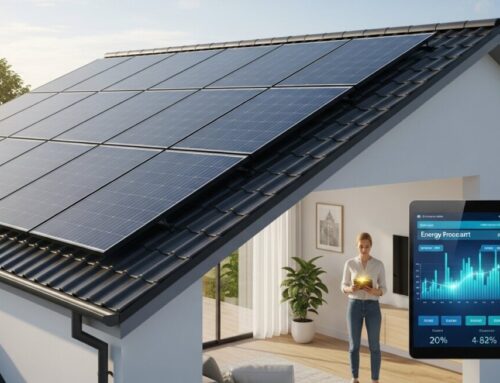
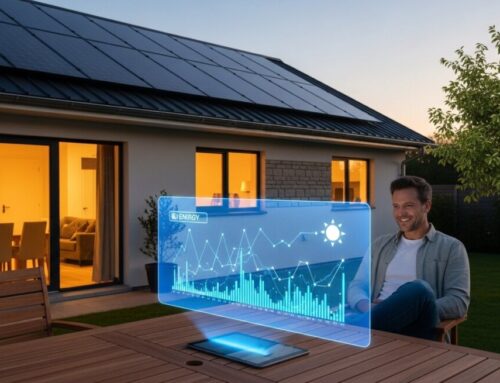
AI renewable energy solutions combine artificial intelligence with solar technology to make your home’s energy system smarter and more efficient. Instead of a one-size-fits-all solar setup, AI analyzes your past electricity usage, local weather patterns, roof orientation, and shading throughout the year.
This data helps design a solar panel system that produces the right amount of power for your household. AI also monitors your system in real time, detecting issues early and optimizing energy production. Homeowners who choose AI-driven solar solutions often see higher energy savings and fewer maintenance surprises.
Why are more people considering this approach? Because AI takes the complexity out of going solar. It helps you avoid costly oversizing or undersizing your system, and it ensures you get the most from your investment. For a deeper look at emerging technology, check out Hydro Solar Panels: The Future of Renewable Energy, which explores complementary innovations.
How AI Works With Your Solar Panels
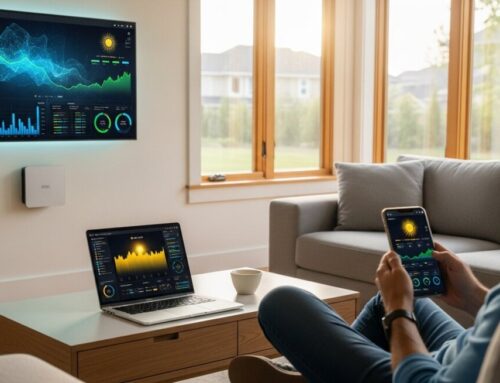
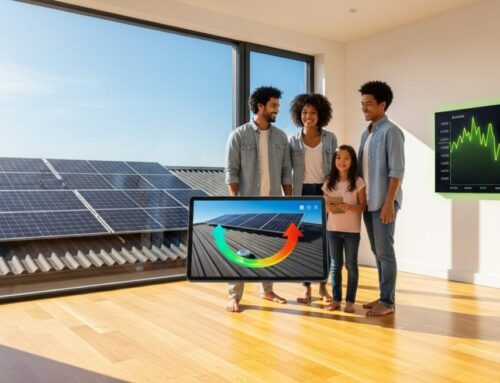
Think of AI as a smart assistant for your home energy system. It learns when you use the most electricity, predicts sunny days, and even adjusts your battery storage to maximize savings. When the grid goes down, AI can help your system switch to backup power seamlessly.
Why Solar Energy Is Becoming More Popular
Electricity prices have risen steadily over the past decade, and many homeowners feel the strain on their monthly budgets. Solar energy offers a way to lock in lower energy costs and protect yourself from future rate hikes. With AI renewable energy solutions, those savings become even more predictable.
Environmental concerns also play a big role. More families want to reduce their carbon footprint and rely on clean, renewable power. Solar panels produce no emissions, and when paired with AI optimization, they operate at peak efficiency, reducing waste and maximizing green energy output.
Long-term savings are another major driver. While the upfront cost of solar panels can seem high, the average homeowner saves thousands of dollars over the life of their system. AI helps accelerate that payback period by ensuring your panels produce more energy and last longer.
If you are considering solar power for your home, comparing installation quotes can help you understand your options. Request a free solar quote or call to learn more.
Common Questions Homeowners Have About Solar
Before making a decision, most homeowners have practical questions. How much does a solar system cost? Will my roof support panels? What happens on cloudy days? These are valid concerns, and professional installers can address each one with data and experience.
AI renewable energy solutions actually help answer these questions more accurately. For example, AI can simulate how much energy your roof would produce over an entire year, taking into account seasonal changes and local weather. This gives you a realistic picture of your potential savings.
- How much does a solar system cost for an average home?
- Is my roof suitable for solar panels?
- Will solar work in my climate?
- How long do solar panels last?
- What happens if my system produces more energy than I use?
- Are there government incentives available?
How Solar Panel Installation Works
Installing solar panels is a straightforward process when you work with an experienced professional. The first step is a home energy assessment, where an installer evaluates your current electricity usage, roof condition, and sunlight exposure. With AI tools, this assessment can be done remotely using satellite imagery and advanced software.
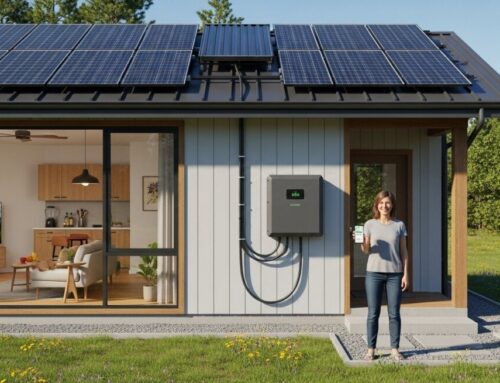
Once the assessment is complete, the installer designs a custom solar system. This includes choosing the right number of panels, inverter type, and battery storage if desired. AI helps optimize the design for your specific roof layout and energy patterns, reducing installation time and cost.
- Home energy assessment , Evaluate your energy needs and roof suitability.
- System design , AI creates a custom layout for maximum efficiency.
- Permits and approvals , Your installer handles all paperwork and local requirements.
- Panel installation , Professional crews mount and connect your solar system.
- System activation , AI monitors and optimizes your energy production from day one.
Speaking with experienced installers can help you determine the best solar solution for your home. Compare solar quotes here or call to explore available options.
Signs Your Home May Be Ideal for Solar
Not every home is equally suited for solar panels, but many are. The best candidates have roofs that face south or west with minimal shading from trees or nearby buildings. If your roof gets strong sunlight for most of the day, you are likely a good fit.
High electricity bills are another strong indicator. If you pay more than $100 per month on average, solar could significantly reduce your costs. AI renewable energy solutions can calculate your exact savings potential based on your utility rates and local incentives.
- Your roof receives strong sunlight for most of the day.
- Your monthly electricity bills are consistently high.
- You have suitable roof space, ideally south- or west-facing.
- You plan to stay in your home for at least five to ten years.
- Your local utility offers net metering or other solar incentives.
- Your roof is in good condition and less than 15 years old.
What Affects Solar Installation Costs
The cost of a solar system depends on several key factors. System size is the biggest variable,larger homes with higher energy needs require more panels, which increases the upfront price. However, AI design tools can help you find the smallest system that still meets your needs, keeping costs in check.
Equipment quality also matters. Premium panels and inverters often cost more but offer better efficiency and longer warranties. Installation complexity plays a role too: roofs with unusual angles, multiple stories, or old electrical panels may require extra labor.
Local incentives can dramatically lower your net cost. Federal tax credits, state rebates, and utility programs can reduce your out-of-pocket expense by 30% or more. AI-powered platforms help you identify every incentive available in your area.
The cost of solar installation varies depending on your home and energy needs. Request personalized solar quotes or call to see what options are available.
Tips for Choosing a Reliable Solar Installer
Choosing the right installer is just as important as choosing the right equipment. A reliable professional will conduct a thorough assessment, provide a clear contract, and stand behind their work with solid warranties. They should also be transparent about how AI renewable energy solutions are used in their design process.
Start by reviewing each installer’s experience and certifications. Look for companies that have been in business for several years and hold credentials from organizations like the North American Board of Certified Energy Practitioners (NABCEP). Customer reviews on trusted platforms can also give you insight into their reputation.
- Review the installer’s experience and industry certifications.
- Check warranty coverage for panels, inverters, and workmanship.
- Read customer reviews on Google, Yelp, or the Better Business Bureau.
- Compare multiple quotes to see differences in equipment, pricing, and services.
- Ask about AI tools used for system design and monitoring.
Long-Term Benefits of Installing Solar Panels
Lower electricity bills are the most immediate benefit of going solar. Once your system is paid off, the energy it produces is essentially free. With AI optimization, your system continues to run efficiently for 25 years or more, maximizing those savings decade after decade.
Your home’s value also increases. Studies show that homes with solar panels sell for a premium compared to similar homes without them. Buyers recognize the long-term savings and energy independence that come with a well-designed solar system.
Beyond financial gains, solar energy reduces your environmental impact. Every kilowatt-hour of solar power replaces electricity from fossil fuels, cutting greenhouse gas emissions. And with energy independence, you are less affected by grid outages and rising utility rates.
What is the average payback period for solar panels?
The average payback period for residential solar panels is between 6 and 10 years, depending on your location, energy usage, and available incentives. AI-powered design helps shorten this timeline by optimizing system size and placement. After the payback period, the electricity your panels generate is essentially free for the remaining life of the system.
Can solar panels power my entire home?
Yes, a properly sized solar system can cover 100% of your home’s electricity needs. AI renewable energy solutions analyze your consumption patterns and design a system that matches your usage. In many cases, homeowners produce enough power to offset their entire electric bill, especially when paired with battery storage.
How long do solar panels last?
Most solar panels come with a 25-year performance warranty and continue producing electricity well beyond that. Many panels still operate at 80% or more of their original capacity after 30 years. AI monitoring helps you track performance and identify any issues early, extending the life of your system.
Do I need a battery with my solar system?
A battery is not required, but it adds energy independence by storing excess power for use at night or during outages. AI-managed batteries can automatically charge when electricity rates are low and discharge during peak hours. This increases your savings and provides backup power when the grid goes down.
Will solar panels work in cloudy or rainy climates?
Yes, solar panels still produce electricity on cloudy days, though at a reduced rate. AI algorithms predict local weather patterns and adjust expectations accordingly. Even in less sunny regions, solar can significantly reduce your electricity bills over time.
How much maintenance do solar panels require?
Solar panels require very little maintenance. Rain usually keeps them clean, and AI monitoring alerts you if a panel underperforms. An annual inspection by a professional is recommended, but overall upkeep is minimal and inexpensive.
Are there government incentives for solar installation?
Yes, the federal solar investment tax credit (ITC) allows you to deduct 30% of your solar installation costs from your federal taxes. Many states and local utilities offer additional rebates, performance payments, or net metering programs. AI tools can help you identify all incentives available in your area.
How do I know if my roof is suitable for solar?
A professional installer will assess your roof’s age, material, angle, and shading. AI-powered satellite analysis can provide a preliminary suitability report without a site visit. Most asphalt shingle roofs in good condition are suitable for solar panel installation.
Solar energy is one of the smartest investments you can make for your home and your future. By combining AI renewable energy solutions with professional installation, you can enjoy lower bills, greater energy independence, and a smaller environmental footprint. Take the next step by comparing quotes from trusted installers to find the system that fits your home and budget.