How AI Works in Solar Systems to Boost Home Savings
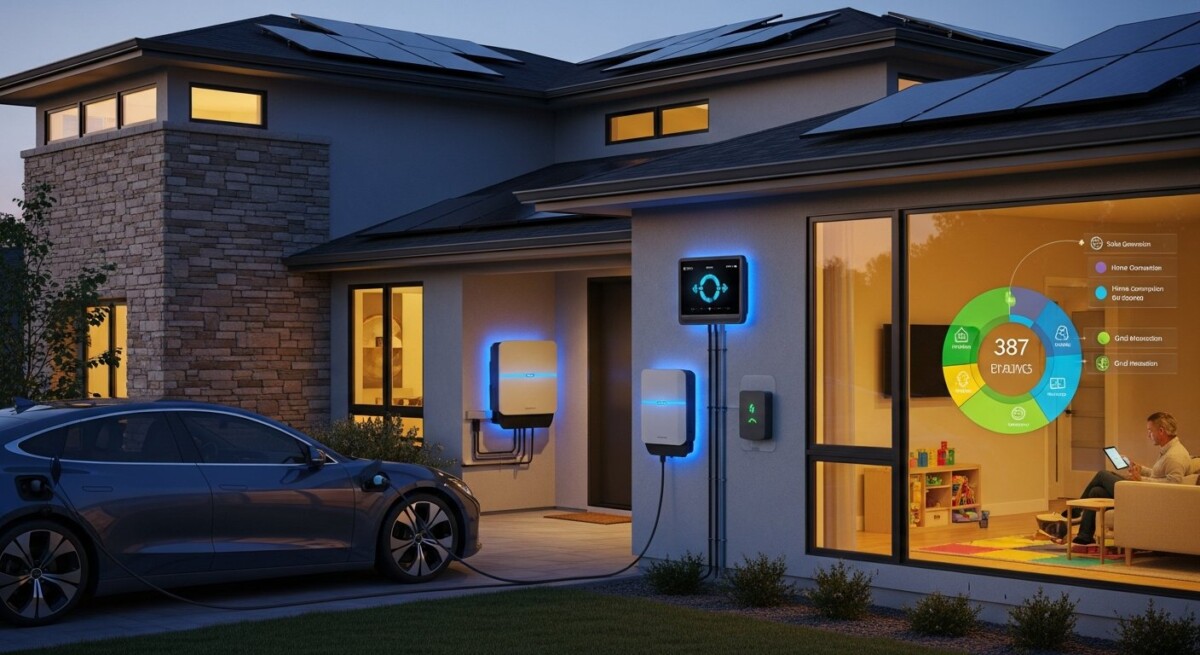
Your monthly electricity bill keeps climbing. You have probably wondered if there is a smarter way to power your home without relying entirely on the grid. Many homeowners are now searching for how AI works in solar systems to cut costs and gain energy independence. Understanding this technology can help you make a confident decision about solar panel installation and start saving sooner.
Understanding how AI works in solar systems
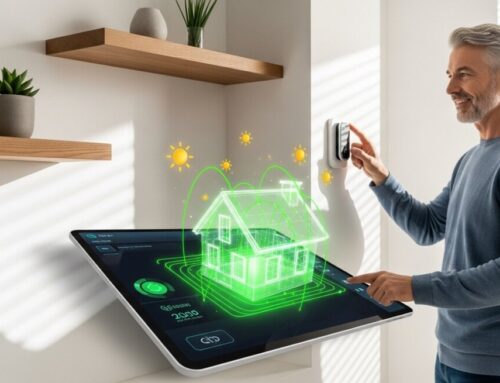
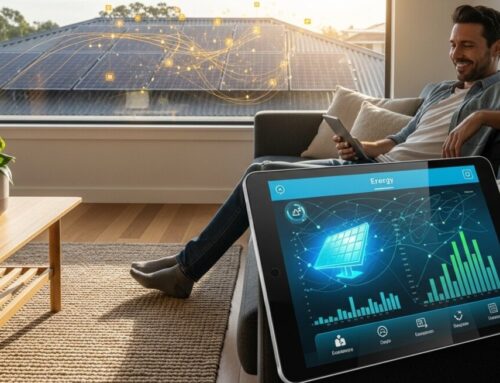
At its core, AI in solar systems uses smart software to optimize how your solar panels produce and use energy. Instead of just generating power when the sun shines, an AI-powered system learns your household’s energy patterns, predicts weather changes, and adjusts energy storage and usage in real time. This means you get more solar energy when you need it most, reducing your dependence on the grid.
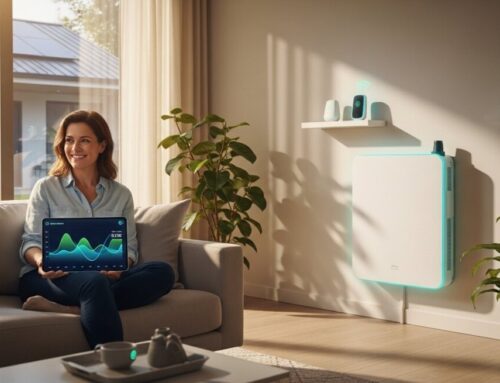
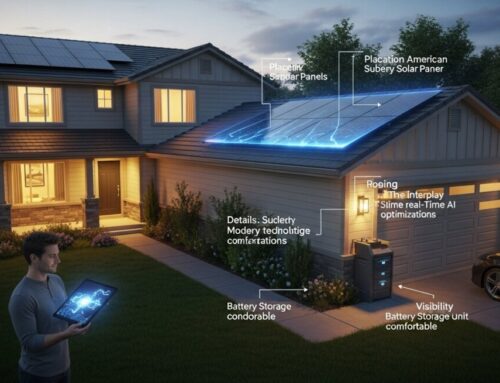
Think of it as a brain for your solar setup. Sensors and smart inverters collect data on sunlight, temperature, and your home’s electricity consumption. The AI processes this information and automatically decides whether to send power to your home, store it in a battery, or even sell excess energy back to the utility company. This level of automation maximizes your savings and makes solar energy far more efficient than traditional systems.
More homeowners are adopting AI-driven solar because it addresses the biggest pain point: inconsistent savings. With traditional solar, you might still rely on grid power during cloudy days or at night. AI solves this by forecasting energy needs and managing battery storage intelligently, so you use stored solar power when rates are highest. The result is lower bills and a faster return on your investment.
How AI predicts and adapts to your energy use
The AI continuously monitors your home’s energy habits,when you run the dishwasher, charge your EV, or turn on the AC. Over time, it builds a personalized profile and adjusts the system’s behavior to match your lifestyle. For example, if you usually cook dinner at 6 PM, the AI will ensure your battery is charged and ready to power the kitchen during peak evening rates.
Why Solar Energy Is Becoming More Popular
Electricity prices have risen sharply across the country, and homeowners are feeling the pinch. Solar energy offers a way to lock in lower, predictable energy costs for decades. When you generate your own power, you shield yourself from future rate hikes and gain greater control over your monthly budget.
Environmental concerns also play a big role. More families want to reduce their carbon footprint and contribute to a cleaner planet. Solar panels produce zero emissions, and pairing them with AI optimization makes them even more effective at displacing fossil fuel energy from the grid.
Long-term savings are undeniable. Although the upfront cost of solar installation can seem high, the combination of lower electricity bills, federal tax credits, and state incentives often means the system pays for itself within 6 to 10 years. After that, your electricity is essentially free for the remaining life of the panels,typically 25 years or more.
If you are considering solar power for your home, comparing installation quotes can help you understand your options. Request a free solar quote or call to learn more.
Common Questions Homeowners Have About Solar
Many homeowners worry about the upfront cost of solar panels. Fortunately, federal tax credits cover 30% of the installation cost, and many states offer additional rebates or performance-based incentives. Financing options like solar loans and leases make it possible to start saving with little or no money down.
Another common concern is whether your roof is suitable. Most roofs that face south or west with good sun exposure work well. A professional installer will evaluate your roof’s age, angle, and shading to determine the best setup. Even homes with complex rooflines can benefit from modern panel designs and microinverters.
System performance is also top of mind. Solar panels are durable and require minimal maintenance,just occasional cleaning and an annual checkup. AI monitoring alerts you if something is underperforming, so you can address issues quickly. Most panels come with 25-year warranties, giving you peace of mind.
- How much does a solar system cost for an average home?
- Will solar panels work on a shaded roof?
- How long do solar panels last?
- What happens if my panels produce more energy than I use?
- Do I need a battery with my solar system?
How Solar Panel Installation Works
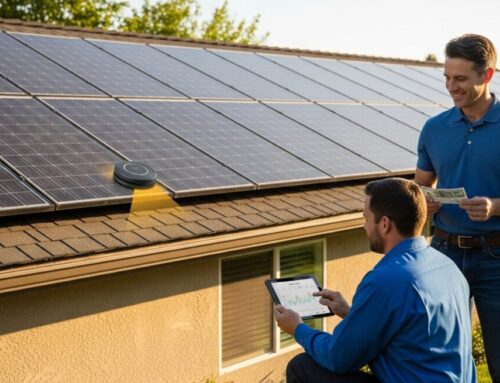
The installation process is straightforward when you work with experienced professionals. It starts with a home energy assessment to understand your current electricity usage and identify the right system size. Then, the installer designs a custom layout that maximizes sunlight capture and meets your aesthetic preferences.
Once the design is finalized, the installer handles all permits and approvals with your local utility and municipality. This step ensures your system complies with building codes and qualifies for net metering, which credits you for excess energy sent to the grid. After approvals are in place, the actual installation typically takes one to three days.
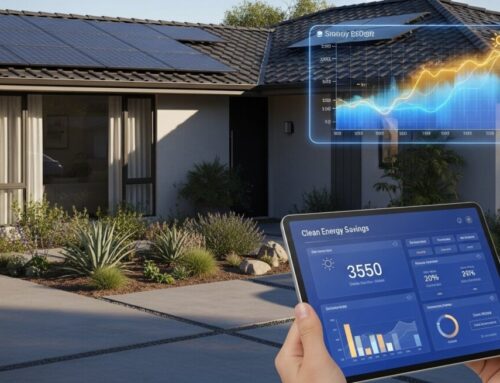
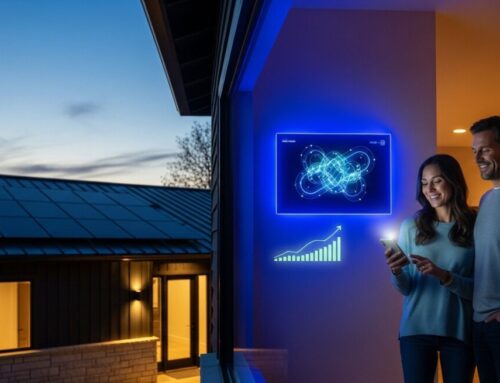
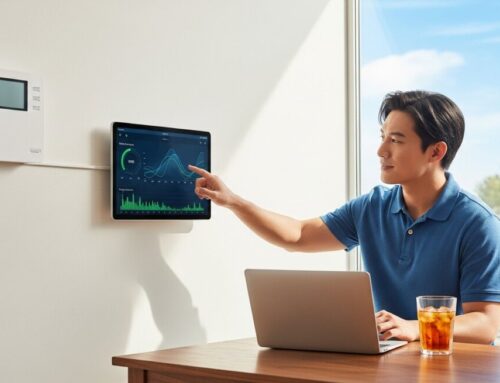
Finally, the system is inspected and activated. Your installer will walk you through the monitoring app so you can track production and savings in real time. If you chose an AI-integrated system, you will see how the technology optimizes your energy use from day one.
- Home energy assessment and usage analysis
- Custom system design and equipment selection
- Permit applications and utility approvals
- Panel mounting, wiring, and inverter installation
- System inspection, activation, and monitoring setup
Speaking with experienced installers can help you determine the best solar solution for your home. Compare solar quotes here or call to explore available options.
Signs Your Home May Be Ideal for Solar
Not every home is a perfect candidate, but many are. If your roof gets at least four to five hours of direct sunlight each day, you are likely a good fit. South-facing roofs with little to no shading are ideal, but east and west exposures can also work well with modern panel technology.
High electricity bills are another strong indicator. If you pay more than $100 per month on average, solar can deliver substantial savings. Homes that use electric heating, cooling, or have an electric vehicle tend to benefit even more because they consume more energy that solar can offset.
If you plan to stay in your home for at least five to seven years, the financial returns from solar become very attractive. You will recoup your investment through lower bills and increased home resale value. Many buyers are willing to pay a premium for homes with paid-off solar systems.
- Unshaded roof with southern exposure
- Monthly electricity bills over $100
- Roof in good condition with at least 15 years of life left
- Plan to stay in your home for 5+ years
- Interest in energy independence and reducing carbon footprint
What Affects Solar Installation Costs
System size is the biggest cost driver. A larger system that covers 100% of your energy needs costs more upfront but delivers greater long-term savings. Your installer will help you find the right balance based on your budget and energy goals.
Equipment quality matters too. Premium panels and inverters are more efficient and last longer, but they come at a higher price. AI-integrated systems may cost slightly more initially, but they often pay for themselves through optimized energy management and reduced grid reliance.
Installation complexity also plays a role. A simple, single-story roof with easy access costs less to install than a steep, multi-story roof with complex wiring. Local incentives and rebates can significantly reduce your net cost, so be sure to ask your installer about programs available in your area.
The cost of solar installation varies depending on your home and energy needs. Request personalized solar quotes or call to see what options are available.
Tips for Choosing a Reliable Solar Installer
Choosing the right installer is just as important as choosing the right equipment. Look for companies with a strong track record, proper licensing, and positive customer reviews. A trustworthy installer will take the time to answer your questions and explain the process clearly.
Warranties are a key sign of quality. Reputable installers offer workmanship warranties of at least 10 years and use panels with 25-year performance guarantees. Never hesitate to ask about what is covered and for how long,it protects your investment.
Comparing multiple quotes is the smartest way to find the best value. Different installers may recommend different system sizes, brands, and financing options. By reviewing at least three quotes, you can spot the best combination of price, quality, and service.
- Verify the installer’s license, insurance, and certifications
- Ask about panel and inverter warranties (aim for 25 years)
- Read recent customer reviews on Google, Yelp, or SolarReviews
- Compare at least three detailed quotes before signing
- Inquire about AI integration and monitoring features
Long-Term Benefits of Installing Solar Panels
Lower electricity bills are the most immediate benefit. With AI-optimized solar, you can reduce your monthly bill by 50% to 90% or more, depending on your energy usage and system size. Over 25 years, that adds up to tens of thousands of dollars in savings.
Your home’s value increases, too. Studies show that homes with solar panels sell for about 4% more than comparable homes without them. Buyers appreciate the lower utility costs and the environmental benefits, making your property more attractive on the market.
Energy independence is perhaps the most empowering benefit. You become less vulnerable to grid outages and rising electricity rates. With AI managing your battery storage, you can keep critical appliances running even during blackouts, giving you peace of mind and greater self-reliance.
Frequently Asked Questions
How does AI improve solar panel performance?
AI improves performance by analyzing weather forecasts, energy usage patterns, and real-time grid data. It then optimizes when to store energy, when to use it, and when to sell it back to the utility. This dynamic management boosts overall system efficiency and maximizes your savings.
Do I need a battery for an AI solar system?
You do not need a battery, but it is highly recommended if you want to maximize savings and achieve energy independence. AI works best with a battery because it can store excess solar energy for use during peak rate hours or at night. Without a battery, the AI still optimizes how you use solar power during the day.
How much can I save with an AI-powered solar system?
Savings vary based on your location, energy usage, and system size, but many homeowners reduce their electricity bills by 60% to 90%. AI can add 10% to 20% more savings compared to traditional solar by optimizing energy storage and usage. Over 25 years, this can mean thousands of extra dollars in your pocket.
Is AI solar technology reliable?
Yes, AI solar technology is mature and widely used by leading manufacturers. The software is continuously updated and tested to ensure reliability. Most systems include remote monitoring, so you will be alerted if any component needs attention.
Will solar panels work during a power outage?
Standard grid-tied solar systems shut down during outages for safety reasons. However, if you have a battery and an AI controller, the system can island itself and continue powering your home. This is a key benefit of AI-integrated solar with energy storage.
How long does it take to install solar panels?
Once permits and approvals are in place, the physical installation typically takes one to three days. The entire process from initial consultation to activation usually takes four to eight weeks, depending on your local permitting timeline and installer availability.
What maintenance do solar panels require?
Solar panels require very little maintenance. You should clean them occasionally if dust or debris accumulates, and have a professional inspect the system annually. AI monitoring alerts you to any performance issues, so you can address them quickly.
Are there government incentives for solar in 2025?
Yes, the federal solar tax credit allows you to deduct 30% of the installation cost from your federal taxes. Many states also offer additional rebates, performance payments, or property tax exemptions. Check with your installer or local energy office for current programs.
Exploring solar energy is one of the smartest moves you can make for your home and your wallet. AI-powered systems make it easier than ever to generate clean energy, reduce your bills, and gain control over your electricity costs. The best way to start is by comparing quotes from trusted installers who can tailor a solution to your home. Compare solar installation quotes today or call to take the first step toward energy savings.