AI Solar Energy for Off-Grid Systems: Savings and Independence
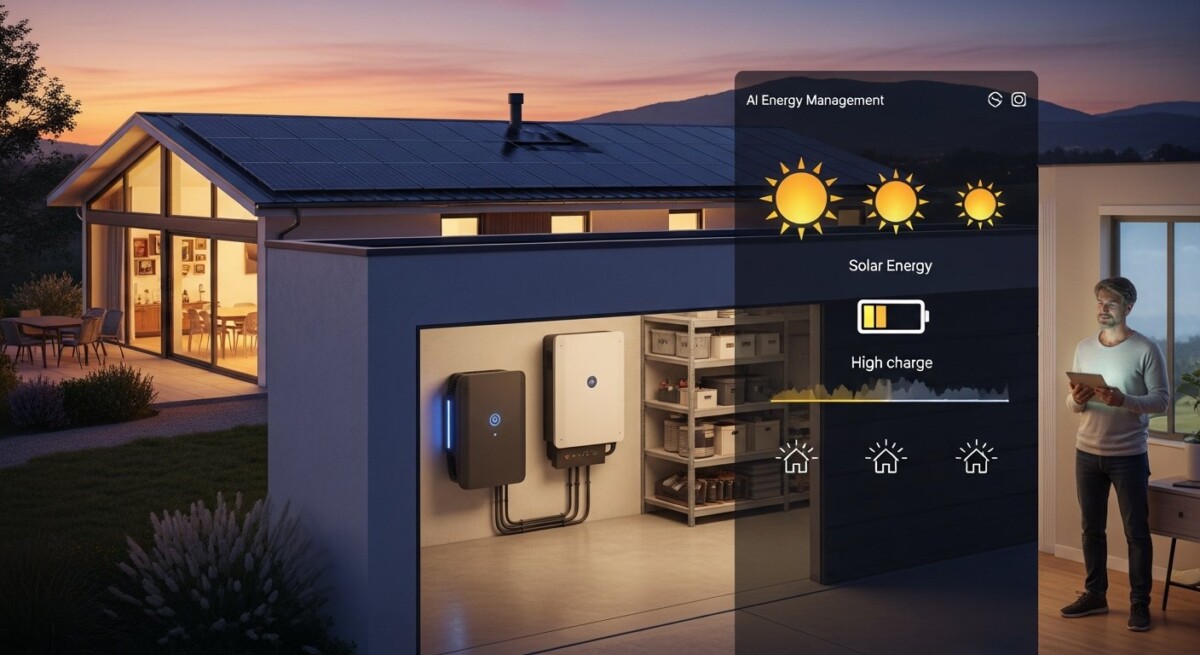
If you’re tired of unpredictable electricity bills and power outages, you’re not alone. Many homeowners are searching for reliable ways to reduce their energy costs and gain independence from the utility grid. Exploring AI solar energy for off-grid systems offers a powerful solution, combining modern technology with the timeless power of the sun to create a self-sufficient home.
Understanding AI Solar Energy for Off-Grid Systems
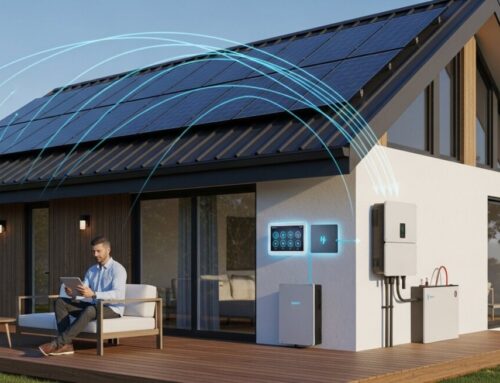
At its core, an off-grid solar system is designed to operate completely independently from the public electricity grid. It uses solar panels to capture energy, batteries to store it, and an inverter to power your home. The “AI” or smart technology comes in through advanced energy management systems that learn and optimize your power usage.
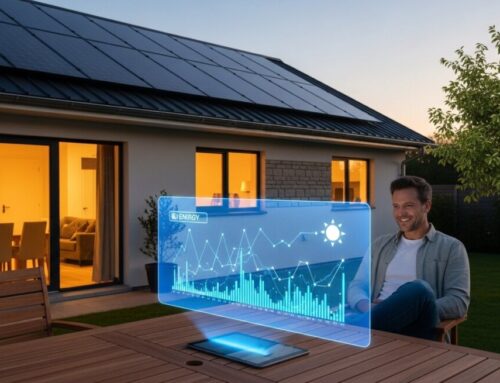
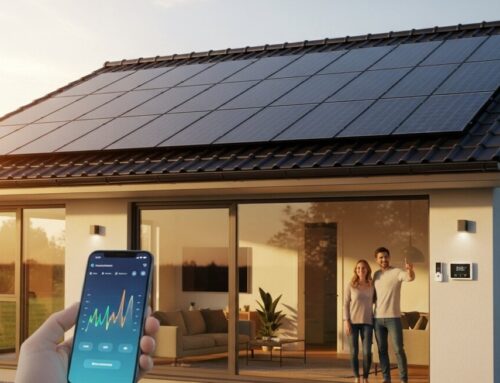
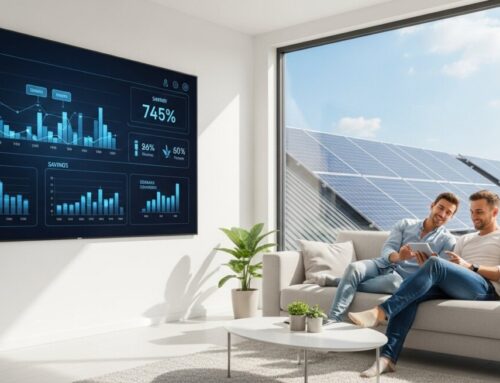
These intelligent systems monitor weather forecasts, your daily habits, and energy consumption patterns. They then make automatic decisions to maximize efficiency, like prioritizing which appliances to run on solar power and when to conserve energy in your battery bank. This smart management is key to maintaining a reliable power supply without a grid connection.
Why Solar Energy Is Becoming More Popular
Rising electricity prices are a major driver for homeowners to consider solar power. Locking in a consistent, low-cost energy source provides financial predictability and protection against future rate hikes. The long-term savings can be substantial, often paying for the initial system cost over time.
Beyond finances, environmental concerns and a desire for self-reliance are powerful motivators. Generating your own clean power reduces your carbon footprint and provides true energy independence. You gain peace of mind knowing your essential home systems will stay on, even during widespread grid failures.
If you are considering solar power for your home, comparing installation quotes can help you understand your options. Request a free solar quote or call to learn more.
Common Questions Homeowners Have About Solar
It’s normal to have questions before making a significant home improvement investment. Many homeowners wonder about the upfront cost and how long it will take to see a return. Others are concerned about whether their roof is suitable or if they get enough sunlight.
Professional installers are experts at answering these questions and conducting detailed assessments. They can evaluate your specific situation and design a system that meets your energy goals and budget. Getting multiple opinions is the best way to feel confident in your decision.
- How much does an off-grid solar system cost?
- Will solar panels work on my roof?
- What happens on cloudy days or at night?
- How much maintenance do solar panels require?
- Can I power my entire home with an off-grid system?
- Are there government incentives or rebates available?
How Solar Panel Installation Works
The installation process is handled by professionals from start to finish. It begins with a comprehensive consultation to understand your energy needs and assess your property. The installer will then design a custom system tailored to your home’s layout and your family’s consumption.
Once you approve the design, the installer manages all the necessary permits and paperwork. The physical installation is typically completed in a few days, with minimal disruption to your household. After a final inspection, your system is activated, and you can start generating power.
- Home Energy Assessment and Consultation
- Custom System Design and Proposal
- Permitting and Utility Approvals (if needed for hybrid systems)
- Equipment Delivery and Installation
- Final Inspection and System Activation
Speaking with experienced installers can help you determine the best solar solution for your home. Compare solar quotes here or call to explore available options.
Signs Your Home May Be Ideal for Solar
Certain conditions make a home particularly well-suited for an off-grid solar installation. The most obvious is having a roof or property with strong, unobstructed sunlight for most of the day. South-facing roofs in the Northern Hemisphere are often ideal, but modern systems can work well with east or west exposure too.
If you currently have high electricity bills, solar can provide significant relief. Homes in rural areas with expensive or unreliable grid connections also see immense benefits. Long-term plans to stay in your home allow you to fully realize the financial return on your investment.
- Your roof gets direct sunlight for 6+ hours per day.
- You experience frequent power outages or unreliable grid service.
- Your electricity bills are consistently high.
- You have the space for ground-mounted panels if your roof isn’t suitable.
- You plan to own your home for the next 10+ years.
- You have a strong personal interest in energy independence and sustainability.
What Affects Solar Installation Costs
The total cost of an off-grid solar system depends on several key factors. The size of the system, measured in kilowatts (kW), is the primary driver,more panels and a larger battery bank cost more but provide greater energy production and storage. The quality and brand of the equipment (panels, inverter, batteries) also influence the price.
Installation complexity matters too. A simple roof installation on a new home will cost less than a complex ground-mount system or an installation on an older roof requiring reinforcement. Crucially, available government incentives, tax credits, and rebates can significantly reduce your net cost, making solar more affordable than ever.
The cost of solar installation varies depending on your home and energy needs. Request personalized solar quotes or call to see what options are available.
Tips for Choosing a Reliable Solar Installer
Selecting the right installer is as important as choosing the right equipment. Look for a company with extensive experience, specifically with off-grid systems, as they have unique design requirements. A trustworthy installer will be licensed, insured, and offer strong warranties on both labor and equipment.
Always check customer reviews and ask for references from past projects similar to yours. A reputable installer will provide a detailed, written proposal and be transparent about all costs. Most importantly, get quotes from at least three different companies to compare pricing, equipment brands, and system designs.
- Verify licenses, insurance, and certifications (like NABCEP).
- Ask about their experience with off-grid installations specifically.
- Review the warranty terms for equipment and workmanship.
- Read online reviews and ask for local references.
- Ensure they provide a detailed site assessment and energy analysis.
- Always compare multiple detailed quotes before deciding.
Long-Term Benefits of Installing Solar Panels
The most immediate benefit is slashing or eliminating your monthly electricity bill. Over the 25+ year lifespan of a solar system, these savings add up to tens of thousands of dollars. This financial cushion protects you from rising energy costs for decades.
Solar panels also increase your property value and make your home more attractive to future buyers. You’ll enjoy the security of energy independence, knowing your lights and appliances will stay on during grid failures. Perhaps most rewarding is the significant reduction in your household’s carbon footprint, contributing to a cleaner environment. For a deeper look at the everyday impact, our guide on how we use solar energy daily illustrates its practical benefits.
How much can I really save with an off-grid solar system?
Savings depend on your current electricity costs and system size. By eliminating your utility bill entirely, a typical system can pay for itself in 8-12 years. After that, the energy you produce is essentially free for the remaining lifespan of the system, leading to substantial long-term savings.
What maintenance is required for solar panels?
Solar panels require very little maintenance. Occasional cleaning to remove dust, pollen, or debris is usually sufficient. Your installer will also recommend periodic system check-ups to ensure the inverter, batteries, and connections are functioning optimally.
Do I need a battery for an off-grid system?
Yes, a battery bank is essential for any true off-grid system. It stores the solar energy generated during the day for use at night and during periods of low sunlight. The size and quality of your battery bank directly determine your home’s power availability when the sun isn’t shining.
Can I add solar to my home if my roof is shaded?
Significant shading can reduce system efficiency. Professional installers can assess this using solar path tools. Solutions may include trimming trees, using micro-inverters to minimize shade impact on the whole system, or installing a ground-mounted array in a sunnier location on your property.
Are there tax credits for going off-grid?
Yes, the federal solar Investment Tax Credit (ITC) applies to off-grid systems, allowing you to deduct a significant percentage of the system cost from your federal taxes. Many states and local utilities also offer additional rebates and incentives. A qualified installer can help you identify all available programs.
What happens if my system doesn’t produce enough power?
A properly designed system is sized to meet your historical energy usage with a safety margin. Smart AI energy management helps prevent shortages by optimizing consumption. For backup, most systems include a generator input, allowing a small fuel-powered generator to recharge batteries during extended poor weather. Using a solar production calculator can help estimate your potential energy generation.
Exploring AI solar energy for your off-grid home is a powerful step toward financial savings and energy independence. By understanding the technology, benefits, and process, you can make an informed decision. The best next step is to consult with qualified professionals who can provide personalized quotes and designs for your unique home and energy goals.