How AI Improves Energy Efficiency for Your Home Solar System
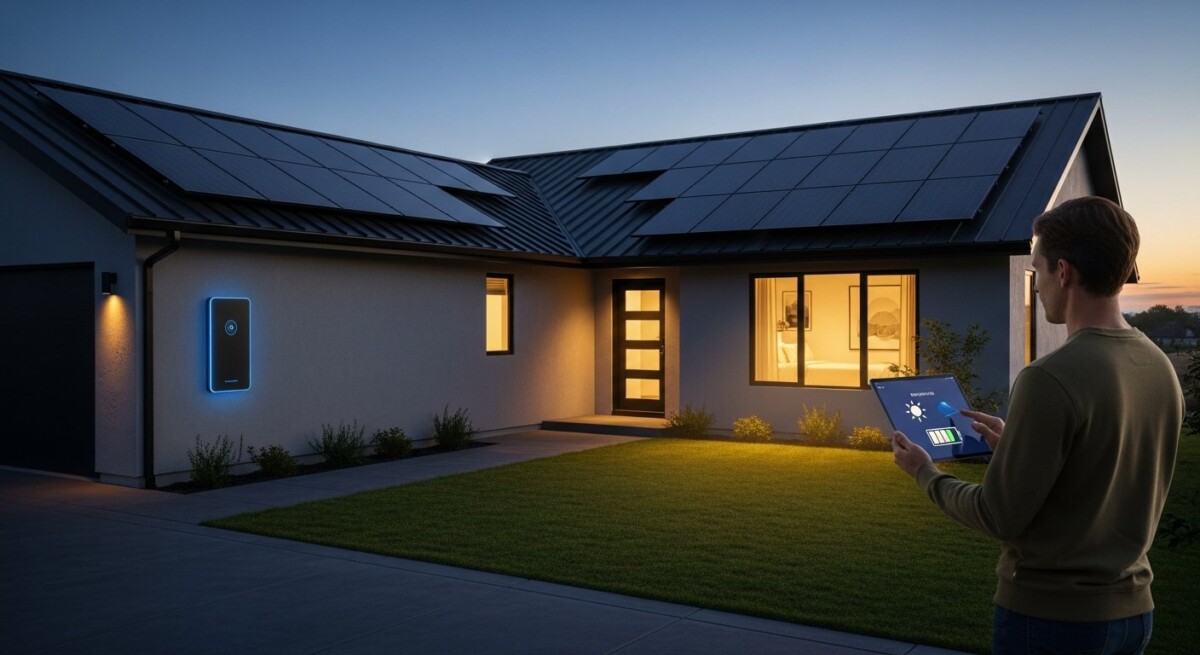
Every month, you open your electricity bill and feel a small jolt of frustration. Rates keep climbing, and it feels like there is little you can do to stop it. That is why so many homeowners are now searching for how AI improves energy efficiency , and discovering that solar power, paired with smart technology, offers a real path to lower bills and greater energy independence.
Understanding how AI improves energy efficiency
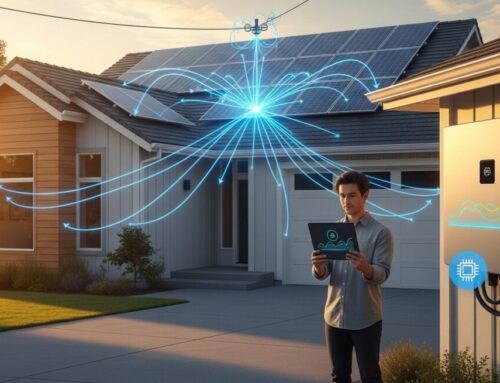
Artificial intelligence, or AI, might sound like something from a science fiction movie, but it is already working behind the scenes in many homes. In simple terms, AI is a computer system that learns from data and makes decisions to optimize performance. When applied to solar energy, AI helps your system predict how much power you will generate, how much you will use, and when it makes sense to store energy or pull from the grid.
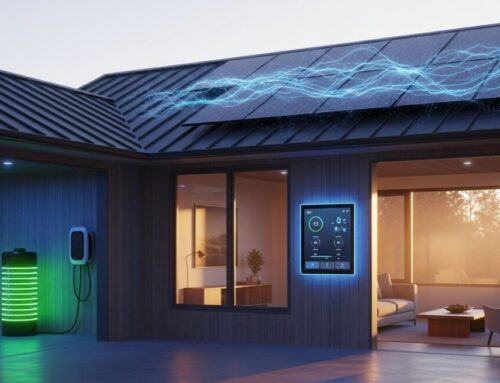
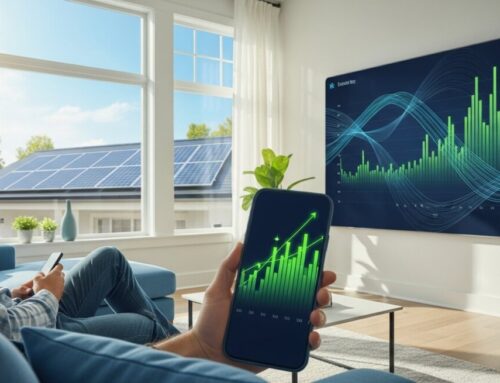
AI-powered solar systems use real-time weather forecasts, past energy usage patterns, and grid pricing data to automatically adjust your home’s energy flow. For example, on a cloudy day, the system might charge your battery overnight when electricity is cheaper so you can use that stored power during peak hours. This kind of intelligent management is a key reason why how AI improves energy efficiency is becoming a top concern for homeowners researching solar installation.
More homeowners are turning to AI-enhanced solar because it takes the guesswork out of saving money. Instead of manually adjusting your thermostat or guessing when to run the dishwasher, the system handles it all. In our guide on Solar Energy Forecasting With AI, we explain how these tools can boost your savings and make your home run more efficiently.
How AI works with your solar panels
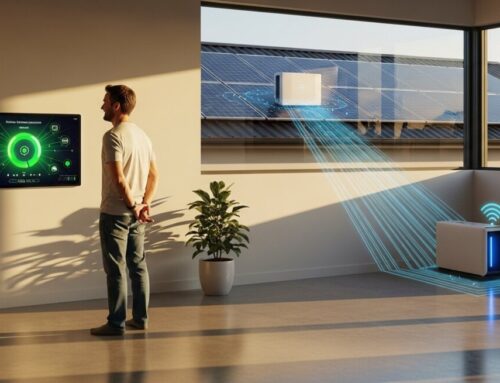
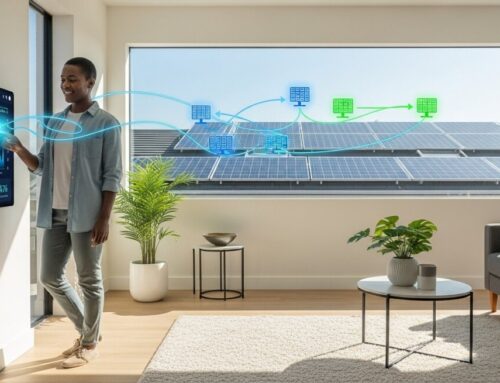
Think of AI as a smart assistant that never sleeps. It monitors your solar panel output, your home’s energy consumption, and even the local weather. If a storm is coming, the system can pre-charge your battery so you have backup power. If the sun is shining brightly, it can shift heavy energy use , like running the laundry or charging an electric vehicle , to those peak production hours.
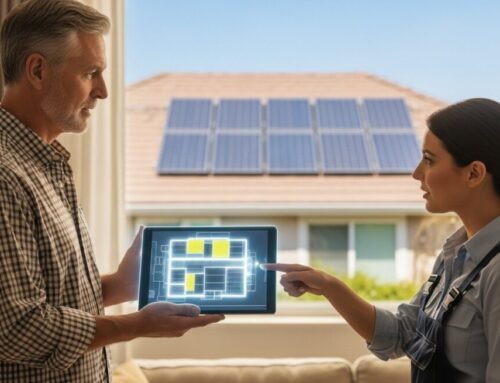
This technology also helps you avoid costly mistakes. For instance, some homeowners oversize their solar systems and pay for panels they never fully use. AI tools can analyze your actual electricity bills and recommend the perfect system size, saving you thousands of dollars upfront.
Why Solar Energy Is Becoming More Popular
Rising electricity prices are the number one reason homeowners are making the switch. In many areas, utility rates increase by 3,5 percent each year, which adds up quickly. Solar panels give you a way to lock in a lower, predictable energy cost for decades.
Environmental concerns also play a big role. Generating your own clean energy reduces your carbon footprint and helps fight climate change. But perhaps the most compelling reason is the long-term savings. Most homeowners recoup their investment within 7,10 years, then enjoy free electricity for the remaining life of the system, which often exceeds 25 years.
If you are considering solar power for your home, comparing installation quotes can help you understand your options. Request a free solar quote or call to learn more.
Common Questions Homeowners Have About Solar
Many homeowners worry that solar panels are too expensive or that their roof isn’t suitable. In reality, costs have dropped dramatically over the past decade, and most roofs can accommodate panels with a simple evaluation. Another common concern is system performance during cloudy days or winter months. While production does decrease, modern panels still generate electricity in diffused light, and net metering programs allow you to bank credits for later use.
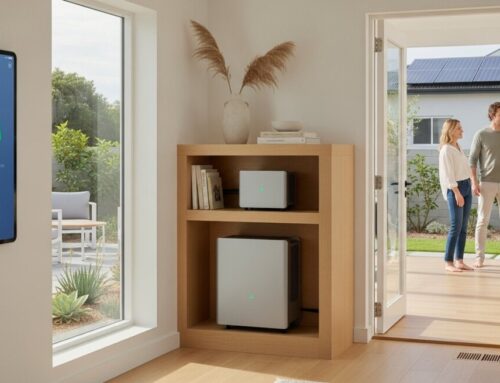
Battery storage is another frequent question. Batteries let you store excess power for use at night or during outages, but they are an optional add-on. Many homeowners start with panels alone and add a battery later as prices continue to fall.
- How much does a typical solar system cost?
- Will solar panels work on my roof?
- What happens when it is cloudy or raining?
- Do I need a battery with my solar system?
- How long do solar panels last?
- Are there government incentives available?
How Solar Panel Installation Works
The installation process is straightforward when you work with a professional installer. It begins with a home energy assessment, where an expert reviews your electricity bills, inspects your roof, and measures your sun exposure. Based on that data, they design a system tailored to your needs.
Once you approve the design, the installer handles all the permits and approvals required by your local government and utility company. This step can take a few weeks, but it ensures your system is safe and compliant. After permits are in place, the actual installation usually takes one to three days, depending on the system size. Finally, the utility company connects your system to the grid and activates it, and you start generating your own power.
- Home energy assessment and bill analysis
- System design and equipment selection
- Permits and approvals from local authorities
- Panel installation and wiring
- System activation and final inspection
Speaking with experienced installers can help you determine the best solar solution for your home. Compare solar quotes here or call to explore available options.
Signs Your Home May Be Ideal for Solar
Not every home is perfectly suited for solar, but most are. The most important factor is strong, unobstructed sunlight exposure. South-facing roofs with little to no shade from trees or nearby buildings produce the best results. If your roof is shaded, ground-mounted panels or community solar programs may still be an option.
High electricity bills are another strong indicator. If you pay more than $100 per month, solar can likely save you money. You also need enough roof space to accommodate the number of panels required to offset your usage. A typical home needs about 300,500 square feet of unshaded roof area.
- Your roof receives direct sunlight for most of the day
- Your monthly electricity bill is consistently high
- You have a south-, east-, or west-facing roof
- Your roof is in good condition and less than 15 years old
- You plan to stay in your home for at least 5,7 years
- Your local utility offers net metering or time-of-use rates
What Affects Solar Installation Costs
The cost of a solar system depends on several factors. System size is the biggest one , a larger system with more panels costs more upfront but also saves more money over time. Equipment quality also matters. Premium panels and inverters cost more but are more efficient and come with better warranties.
Installation complexity can add to the cost. A simple roof with easy access is cheaper to install than a complex multi-story roof with tiles or skylights. Local incentives and rebates can significantly reduce your out-of-pocket expense. The federal solar tax credit, for example, allows you to deduct 30 percent of your system cost from your taxes. Many states and utilities offer additional rebates or performance-based incentives.
The cost of solar installation varies depending on your home and energy needs. Request personalized solar quotes or call to see what options are available.
Tips for Choosing a Reliable Solar Installer
Choosing the right installer is just as important as choosing the right equipment. Look for a company with several years of experience and a strong track record in your area. Check online reviews on platforms like Google, Yelp, and the Better Business Bureau. A trustworthy installer will also offer clear, detailed warranties on both the equipment and the workmanship.
Always compare at least three quotes before making a decision. This helps you understand the market rate and avoid overpaying. When comparing quotes, pay attention to the type of panels and inverters included, the warranty terms, and the estimated energy production. A slightly higher upfront cost may be worthwhile if it comes with better equipment or a longer warranty.
- Look for installers with at least 5 years of experience
- Ask about equipment warranties (typically 25 years for panels)
- Read customer reviews and ask for references
- Compare at least three detailed quotes
- Check that the installer is licensed and insured in your state
Long-Term Benefits of Installing Solar Panels
The most obvious benefit is lower electricity bills. Once your system is paid off, your monthly energy costs drop dramatically. Over 25 years, the average homeowner saves between $20,000 and $50,000 depending on local electricity rates and sunlight exposure. Solar panels also increase your home’s resale value. Studies show that homes with solar sell for about 4 percent more than comparable homes without it.
Beyond the financial gains, solar gives you energy independence. You are less affected by utility rate hikes and grid outages. And by using clean, renewable energy, you are reducing your household’s carbon footprint by about 3,4 tons of CO2 per year , the equivalent of planting over 100 trees annually. For more details on high-efficiency equipment, check out our Qcell Solar Panel Reviews, which highlight top options for maximizing your savings.
Frequently Asked Questions
How does AI improve solar energy efficiency?
AI improves solar energy efficiency by analyzing data from weather forecasts, energy usage, and grid prices to automatically optimize when you use, store, or sell electricity. This reduces waste and maximizes your savings without any manual effort.
Will solar panels work on a cloudy day?
Yes, solar panels still generate electricity on cloudy days, though at a reduced rate. Modern panels can capture diffused sunlight, and net metering allows you to use credits from sunny days to offset lower production.
How long do solar panels last?
Most solar panels come with a 25-year performance warranty and continue producing electricity for 30,40 years. Their efficiency slowly declines over time, typically losing less than 0.5 percent of output per year.
What government incentives are available for solar?
The federal solar tax credit allows you to deduct 30 percent of your system cost from your federal taxes. Many states offer additional rebates, property tax exemptions, and net metering programs. Your installer can help you identify all applicable incentives.
Do I need to clean my solar panels?
In most areas, rain is enough to keep your panels clean. If you live in a dusty region or under trees that drop sap or leaves, occasional cleaning with water and a soft brush may boost performance. Most homeowners clean panels once or twice a year.
Can solar panels power my home during a blackout?
Standard grid-tied solar systems shut off during a blackout for safety reasons. If you want backup power during outages, you need a battery storage system. Batteries store excess energy and can power essential loads when the grid goes down.
How much roof space do I need for solar panels?
A typical 6 kW solar system requires about 300,400 square feet of unshaded roof space. An installer can measure your roof and design a system that fits your available area while meeting your energy needs.
What is the payback period for solar panels?
The average payback period is 7,10 years, depending on your electricity rates, system cost, and available incentives. After that, your electricity is essentially free for the remaining life of the panels.
Switching to solar is one of the most effective ways to take control of your energy costs and reduce your environmental impact. With modern AI tools and professional installation, the process is simpler and more rewarding than ever. Take the next step by comparing quotes from trusted installers in your area , you may be surprised at how affordable and beneficial solar can be for your home.