Solar Energy Forecasting With AI: Boost Savings and Efficiency
You have likely noticed your electricity bills creeping up month after month. This frustrating trend has led countless homeowners to search for smarter ways to manage their energy use. One of the most promising solutions is solar energy forecasting with AI, a technology that helps you get the most out of your solar panels while reducing reliance on the power grid. By understanding how this works, you can take a practical step toward lowering your energy bills and gaining greater control over your home’s power supply.
Understanding Solar Energy Forecasting With AI
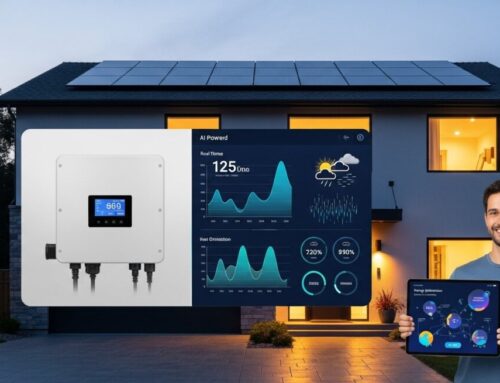
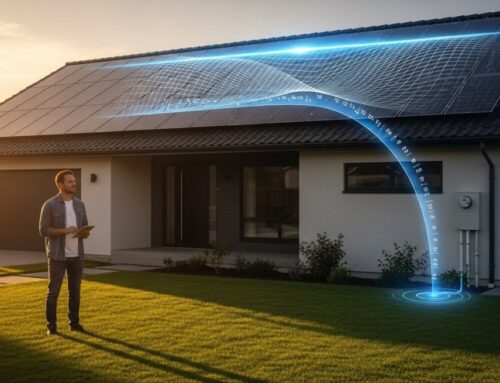
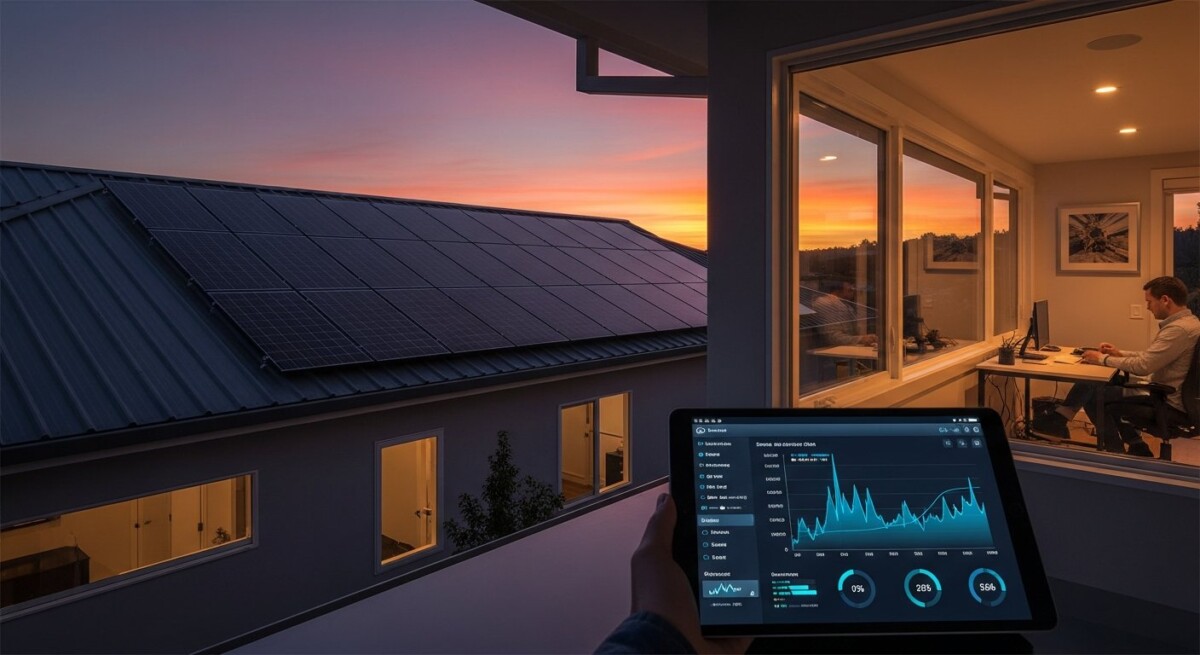
Solar energy forecasting with AI uses advanced computer models to predict how much sunlight your solar panels will receive over the coming hours and days. Think of it as a highly accurate weather report designed specifically for your rooftop system. The AI analyzes cloud cover, atmospheric conditions, historical data, and even satellite images to make these predictions.
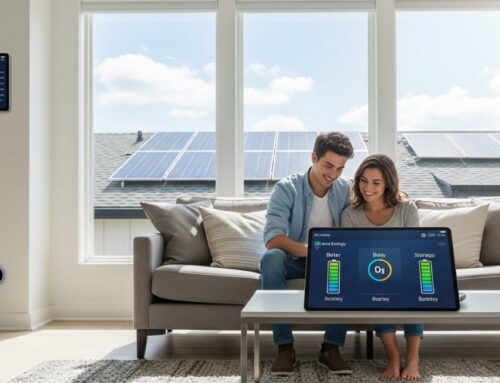
Why does this matter for your home? When your solar system knows when the sun will shine brightest, it can optimize energy production and storage. For example, on a partly cloudy day, the AI can tell your battery to store energy during sudden sunny spells so you have power when clouds roll in. This technology is becoming more popular because it turns solar power from a passive setup into an active, intelligent energy manager.
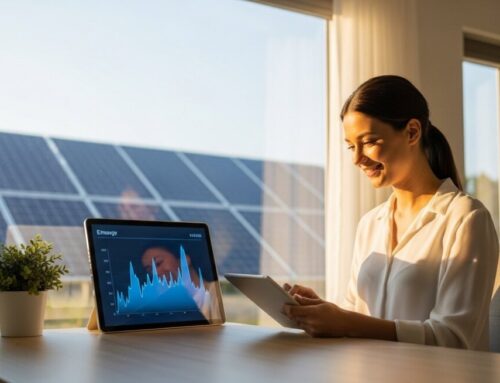
More homeowners are considering this approach because it directly addresses the biggest pain points of solar ownership: unpredictability and wasted energy. With AI-powered forecasting, you can count on your system to deliver consistent savings, even when the weather is unpredictable. It is like having a personal energy advisor that works around the clock to maximize your investment.
Why Solar Energy Is Becoming More Popular
Rising electricity prices are pushing many families to look for alternatives. Every year, the cost of grid power goes up, but the sun’s energy remains free. By installing solar panels, you lock in a lower rate for your electricity and protect yourself from future price hikes.
Environmental concerns also play a big role. More homeowners want to reduce their carbon footprint and contribute to a cleaner planet. Solar energy produces no emissions, making it one of the greenest choices available. When you combine these benefits with long-term savings, the decision to go solar becomes clear.
Over the life of a typical solar system, which can last 25 years or more, you can save tens of thousands of dollars on electricity. In our guide on investing in solar power for business, we explain how the same principles apply to homes. The upfront cost is offset by years of reduced bills, making solar a smart financial move for many families.
If you are considering solar power for your home, comparing installation quotes can help you understand your options. Request a free solar quote or call to learn more.
Common Questions Homeowners Have About Solar
Many homeowners wonder about the initial installation cost. The price has dropped significantly over the past decade, and federal and state incentives can cover a large portion of the expense. Most installers offer financing options that make the switch affordable from day one.
Another common concern is whether the roof is suitable for panels. A professional installer will assess your roof’s age, material, and orientation to determine if it can support solar. Most roofs in good condition with southern exposure are ideal candidates.
People also ask about system performance during cloudy days or winter months. Modern solar panels still generate electricity in diffused light, and AI forecasting helps manage production efficiently. Here are a few frequent questions homeowners have:
- Will solar panels work during a power outage?
- How long does installation take?
- What maintenance is required?
- Do I need a battery with my solar system?
- How much will I really save each month?
- What happens if I move to a new home?
How Solar Panel Installation Works
The installation process starts with a home energy assessment. A qualified installer reviews your electricity usage, roof condition, and sunlight exposure to design the right system for your needs. This step ensures you get the most value from your investment.
After the assessment, the installer creates a custom system design, handles permits and approvals, and schedules the installation. The actual panel installation usually takes one to three days, depending on the system size. Once everything is connected, the system is activated, and you start generating your own clean electricity.
Here are the main steps in a typical solar installation:
- Home energy assessment and usage review
- Custom system design and equipment selection
- Permits and approvals from local authorities
- Professional panel and inverter installation
- System activation and monitoring setup
Speaking with experienced installers can help you determine the best solar solution for your home. Compare solar quotes here or call to explore available options.
Signs Your Home May Be Ideal for Solar
Not every home is equally suited for solar, but many are. If your roof gets strong sunlight for most of the day, especially between 9 a.m. and 3 p.m., your home is likely a good candidate. The more direct sun your roof receives, the more electricity your panels will produce.
High electricity bills are another strong indicator. If you pay more than $100 per month on average, solar can likely reduce that amount significantly. Also, if you plan to stay in your home for several more years, the long-term savings make the investment worthwhile.
Look for these signs that your home may be ideal for solar panels:
- Unshaded roof with southern, eastern, or western exposure
- Monthly electricity bills over $100
- Roof in good condition with at least 10,15 years of life remaining
- Ownership of your home with plans to stay for 5+ years
- Available roof space of 300 square feet or more
- Interest in reducing your carbon footprint
What Affects Solar Installation Costs
The size of your solar system is the biggest factor in the total cost. Larger systems that generate more electricity cost more upfront but also provide greater savings over time. Equipment quality also matters,premium panels and inverters often come with longer warranties and higher efficiency.
Installation complexity can add to the price. If your roof has a steep pitch, unusual angles, or requires structural reinforcement, the labor costs may increase. However, local incentives and rebates can offset these expenses significantly. Many states offer tax credits, performance-based incentives, or net metering programs that reduce your out-of-pocket cost.
The cost of solar installation varies depending on your home and energy needs. Request personalized solar quotes or call to see what options are available.
Tips for Choosing a Reliable Solar Installer
Choosing the right installer is one of the most important decisions you will make. A reputable company will guide you through the process, recommend the best equipment, and ensure your system is installed correctly. Do not rush this decision,take time to research your options.
Start by reviewing the installer’s experience and certifications. Look for companies with a proven track record and positive customer reviews. Also, check the warranties they offer on both the equipment and the installation workmanship. Comparing multiple quotes gives you a clearer picture of pricing and helps you avoid paying too much.
Here are some practical tips for finding a reliable solar installer:
- Verify licensing, insurance, and industry certifications
- Read customer reviews on independent platforms
- Ask about equipment brands and warranty terms
- Request at least three detailed quotes for comparison
- Inquire about post-installation support and monitoring
- Check if they help with permits and incentive applications
Long-Term Benefits of Installing Solar Panels
The most immediate benefit of solar panels is lower monthly electricity bills. Once your system is paid off, the electricity it generates is essentially free. Over 20 to 25 years, these savings can add up to tens of thousands of dollars, depending on your energy usage and local utility rates.
Solar panels also increase your home’s value. Studies show that homes with solar systems sell for a premium compared to similar homes without them. Additionally, generating your own power gives you energy independence and protects you from future rate increases. If you are ready to explore solar, reach out to a professional who can help you navigate the options. For more information, feel free to contact us for solar power solutions.
Frequently Asked Questions
How does solar energy forecasting with AI work?
AI forecasting uses weather data, satellite images, and historical patterns to predict sunlight availability. This allows your solar system to optimize energy production and storage, ensuring you get the most out of your panels every day.
Will solar panels save me money on my electricity bills?
Yes, most homeowners see a significant reduction in their monthly electricity costs. Over the lifetime of the system, the savings often exceed the initial investment, especially when you factor in government incentives.
What government incentives are available for solar installation?
The federal solar tax credit allows you to deduct a percentage of your installation costs from your taxes. Many states also offer additional rebates, tax credits, or net metering programs that further reduce the cost.
How long do solar panels last?
Most solar panels come with a 25-year performance warranty and continue producing electricity for 30 years or more. Their efficiency decreases very slowly over time, so they remain useful for decades.
Do I need a battery with my solar system?
A battery is optional but highly recommended if you want backup power during outages or want to store excess energy for use at night. AI forecasting can help manage battery charging and discharging efficiently.
Can I install solar panels myself to save money?
DIY installation is risky and often voids warranties. Professional installers ensure the system is safe, properly connected, and eligible for incentives. Mistakes can cost more than hiring a pro in the long run.
What happens if my solar panels produce more electricity than I use?
Excess electricity is often sent back to the grid through net metering, and your utility credits you for it. Some systems also store surplus energy in batteries for later use.
How do I find the best solar installer in my area?
Start by getting multiple quotes from licensed, insured installers with good reviews. Compare the equipment, warranties, and total costs to find the best fit for your home and budget.
Solar energy forecasting with AI is changing how homeowners think about power. Instead of simply installing panels and hoping for the best, you can now take an intelligent approach to energy management. By comparing quotes from professional installers, you can find a system that fits your needs, reduces your bills, and helps you take control of your energy future.