AI Solar vs Traditional Solar Systems: Which Saves More?
You open your monthly electricity bill and feel a familiar pinch. Rates keep climbing, and you wonder if there is a better way to power your home. This is why so many homeowners are now searching for information about ai solar vs traditional solar systems to find a solution that cuts costs and delivers long-term savings. The promise of reducing your energy bills and gaining some independence from the grid has never been more appealing.
Understanding ai solar vs traditional solar systems
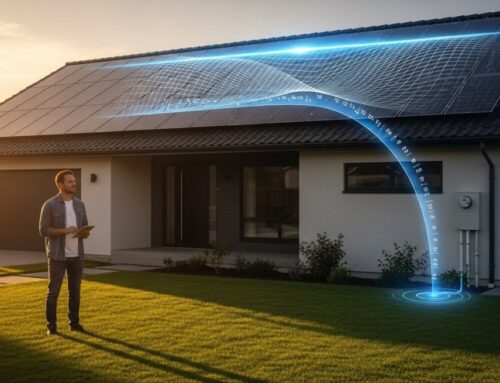
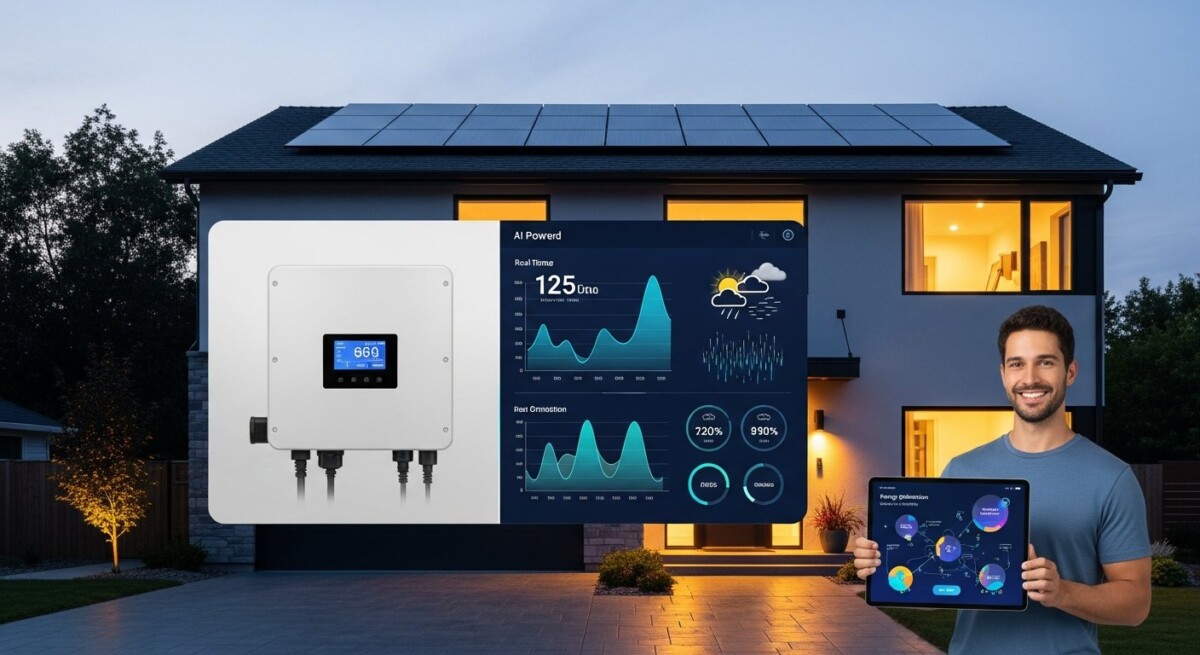
In the simplest terms, a traditional solar system uses solar panels and an inverter to convert sunlight into electricity. It operates on a fixed schedule and relies on basic settings. An AI solar system, on the other hand, uses artificial intelligence to optimize every part of the energy process. It learns your household habits and adjusts energy production and storage in real time.
Think of it as the difference between a basic thermostat and a smart thermostat. The smart version learns when you are home, predicts your heating needs, and saves energy automatically. AI solar systems do the same thing for your whole home. They analyze weather forecasts, monitor panel performance, and even decide when to use stored battery power versus grid power to maximize savings.
More homeowners are considering AI solar because it promises higher efficiency and better control. While traditional systems are reliable and proven, AI-enhanced setups can boost energy harvest by 10,20 percent. This means more of the sun’s energy turns into usable electricity for your home.
Why Solar Energy Is Becoming More Popular
Electricity prices have risen steadily over the past decade, and many homeowners feel the strain on their monthly budgets. Solar power offers a way to lock in lower energy costs and protect yourself from future rate hikes. The financial argument for going solar gets stronger every year.
Beyond saving money, people are also motivated by environmental concerns. Solar energy produces no emissions and reduces your carbon footprint. It is a clean, renewable resource that helps fight climate change while powering your daily life. For many families, this combination of savings and sustainability is hard to ignore.
The long-term financial picture is equally compelling. Most solar systems pay for themselves within 7 to 10 years through lower electricity bills. After that, you essentially generate free power for the remaining life of the system. With warranties lasting 25 years or more, the total savings can reach tens of thousands of dollars.
If you are considering solar power for your home, comparing installation quotes can help you understand your options. Request a free solar quote or call (844) 286-1706 to learn more.
Common Questions Homeowners Have About Solar
Most homeowners start with the same question: “How much will this cost?” The upfront price of a solar installation can seem high, but federal tax credits, state rebates, and net metering programs can reduce the cost by 30 percent or more. Over time, the savings on your electric bill typically cover the initial investment.
Another frequent concern is whether a roof is suitable for panels. The ideal roof faces south or west, gets direct sunlight for most of the day, and has enough space to hold the number of panels you need. Shading from trees or nearby buildings can reduce performance, but a professional assessment will tell you exactly what is possible.
People also worry about system performance on cloudy days or during winter. Solar panels still generate electricity in diffuse light, just at a lower rate. Modern systems are designed to handle seasonal changes, and battery storage can keep your home powered through the night or during storms.
- How long does installation take? Most residential systems are installed in one to three days.
- Do I need a battery? Batteries are optional but help maximize energy independence.
- What happens during a power outage? Without a battery, your system shuts off for safety. With a battery, you can keep running.
- Will solar increase my home value? Yes, studies show solar panels can add 3,4 percent to a home’s resale value.
- How long do panels last? Most panels come with a 25-year performance warranty and can last 30+ years.
- Can I install panels myself? DIY installation is possible but risky. Professional installers ensure safety, code compliance, and warranty protection.
How Solar Panel Installation Works
The process begins with a free home energy assessment. A professional installer reviews your electricity usage, roof condition, and sunlight exposure to design a system tailored to your needs. This step is critical because a properly sized system maximizes your savings.
Next, the installer creates a system design, handles permits and approvals from your local utility and municipality, and schedules the installation. The actual panel installation usually takes one to three days, depending on the complexity of your roof and system size.
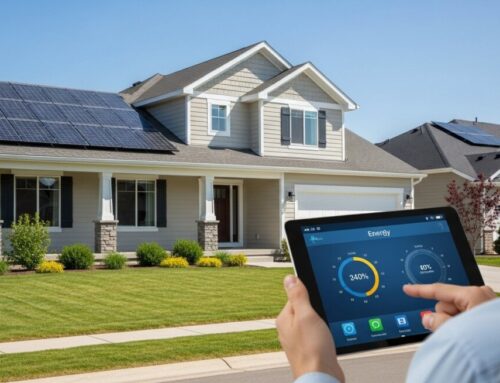
After installation, a final inspection is performed, and your system is connected to the grid. Once activated, you start generating your own clean energy and watching your meter run backward. Many systems come with monitoring apps so you can track production and savings in real time.
- Home energy assessment and consultation
- Custom system design and equipment selection
- Permitting and utility approvals
- Professional panel and inverter installation
- Final inspection, grid connection, and system activation
Speaking with experienced installers can help you determine the best solar solution for your home. Compare solar quotes here or call (844) 286-1706 to explore available options.
Signs Your Home May Be Ideal for Solar
Not every home is a perfect candidate for solar, but many are. The most important factor is sunlight exposure. If your roof gets direct sunlight for most of the day, especially between 9 a.m. and 3 p.m., your system will produce strong energy output.
Your roof condition also matters. Asphalt shingle roofs in good shape are ideal because they are easy to mount panels on and last as long as the panels themselves. If your roof needs replacement soon, it is often wise to replace it before installing solar.
High electricity bills are a strong indicator that solar will benefit you. The more you spend on power, the faster your system pays for itself. If you plan to stay in your home for at least five to seven years, the financial return becomes very attractive.
- Your roof faces south, west, or has a flat surface with good sun exposure
- Your monthly electricity bills are consistently high
- You have at least 300 square feet of unobstructed roof space
- You plan to stay in your home for several more years
- Your state or utility offers net metering or solar incentives
- You receive at least 4,5 hours of peak sunlight per day
What Affects Solar Installation Costs
System size is the biggest factor. A larger system that covers 100 percent of your electricity needs costs more upfront but delivers greater long-term savings. Smaller systems are cheaper but may only offset part of your usage, meaning you still pay some electric bills.
Equipment quality also plays a role. Premium panels and inverters cost more but offer higher efficiency and longer warranties. Budget-friendly options work well for many homes, but invest in quality if you want maximum performance over decades.
Installation complexity can raise or lower the price. A simple, south-facing roof with easy access is quicker and cheaper to install. Roofs with multiple angles, skylights, or complex structures require more labor and materials. Local incentives, including the federal solar tax credit, can reduce your net cost by thousands of dollars.
The cost of solar installation varies depending on your home and energy needs. Request personalized solar quotes or call (844) 286-1706 to see what options are available.
Tips for Choosing a Reliable Solar Installer
Choosing the right installer is just as important as choosing the right equipment. A reputable company will guide you through every step, handle permits, and stand behind their work. Look for installers with at least five years of experience and a strong local reputation.
Warranties matter. A good installer offers a workmanship warranty of at least 10 years, and the equipment should come with a 25-year performance guarantee. Read the fine print so you know exactly what is covered.
Customer reviews and online ratings give you a real sense of how a company treats its customers. Look for patterns in feedback. Consistently positive reviews about communication, timeliness, and follow-up service are excellent signs.
- Verify the installer is licensed, insured, and bonded in your state
- Ask for at least three detailed quotes from different companies
- Read recent online reviews on Google, Yelp, and the Better Business Bureau
- Check that the installer offers a robust workmanship and equipment warranty
- Ask about monitoring apps and post-installation support
- Compare not just price, but the quality of panels, inverters, and battery options
Long-Term Benefits of Installing Solar Panels
The most immediate benefit is lower electricity bills. Once your system is active, you start generating your own power and buying less from the utility. Over 20 years, the savings can easily reach $20,000 to $40,000, depending on your location and energy use.
Solar panels also increase your home value. Studies consistently show that homes with solar sell for a premium compared to similar homes without it. Buyers recognize the value of lower utility costs and are willing to pay more.
Beyond dollars and cents, solar gives you energy independence. You become less vulnerable to grid outages and price spikes. And every kilowatt-hour you generate from the sun reduces your carbon footprint. It is a practical way to make a positive environmental impact while improving your financial future.
Frequently Asked Questions
What is the difference between AI solar and traditional solar systems?
Traditional solar systems use fixed settings to convert sunlight into electricity. AI solar systems use artificial intelligence to optimize energy production, storage, and consumption in real time. AI systems learn your habits and adjust automatically to maximize savings.
How much can I save by switching to AI solar?
Homeowners typically save 10,20 percent more with AI solar compared to traditional systems. Combined with the standard 30 percent federal tax credit, total savings can be substantial. Your exact savings depend on your location, energy usage, and local utility rates.
Is AI solar worth the extra cost?
For many homeowners, yes. The higher upfront cost is often offset by greater energy efficiency and lower bills over time. If you want maximum control and optimization, AI solar is a smart investment.
Do solar panels work during cloudy days or at night?
Solar panels still generate electricity on cloudy days, just at a reduced rate. At night, panels do not produce power, but a battery storage system can supply energy from the day’s surplus. Without a battery, you rely on the grid after dark.
How long does a solar panel system last?
Most solar panels come with a 25-year performance warranty and continue producing electricity for 30 years or more. Inverters may need replacement after 10,15 years. Proper maintenance extends the life of your system.
Can I install solar panels on a flat roof?
Yes, flat roofs are suitable for solar panels. Installers use mounting systems that tilt the panels at the optimal angle to capture sunlight. Flat roofs can even make installation easier and safer.
What happens if I move after installing solar panels?
You have options. You can include the solar system in the home sale, which often increases the property value. Alternatively, some installers offer transferable warranties, making the system attractive to buyers.
Do I need to clean my solar panels?
Rain usually keeps panels clean enough. In dusty areas or during dry seasons, occasional cleaning with water can improve performance. Most systems require very little maintenance overall.
Understanding your options between AI solar and traditional solar systems is the first step toward saving money and gaining energy independence. The best way to move forward is to compare multiple quotes from trusted installers who can evaluate your home and recommend the right solution.