Ai Solar Energy: Slash Bills With Smart Solar Tech
Every month, you open your electricity bill and wonder where all that money goes. Rising energy costs have pushed many homeowners to search for what is ai solar energy and whether it can finally help them take control of their power bills. You want to reduce your monthly expenses and become less dependent on the grid, but you also need a solution that feels practical and trustworthy.
Solar energy has been around for decades, but new advances in artificial intelligence are making it smarter, more efficient, and more accessible than ever before. Understanding what is ai solar energy is the first step toward deciding if this technology is right for your home. In this article, we will explain everything you need to know in clear, simple language so you can make an informed decision.
Understanding What Is Ai Solar Energy
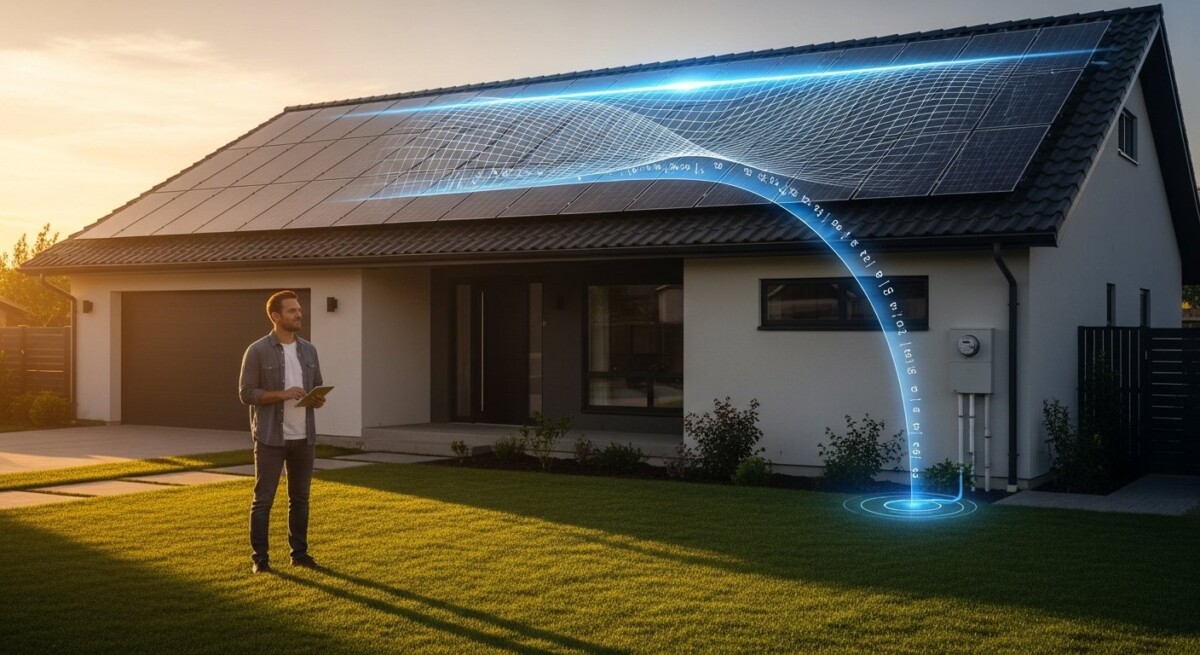
At its simplest, ai solar energy refers to solar power systems that use artificial intelligence to optimize how energy is generated, stored, and consumed. Instead of just installing panels and hoping for the best, these systems use smart software to learn your household’s energy patterns and adjust in real time.
For example, an AI-enabled system can predict when clouds will pass overhead and automatically draw stored power from a battery to keep your home running smoothly. It can also shift when your appliances run to match peak sunlight hours, maximizing the electricity your panels produce. This means you waste less energy and save more money every month.
More homeowners are considering ai solar energy because it removes the guesswork from solar ownership. You no longer need to manually monitor your system or worry about whether you are using energy at the right times. The AI handles all of that behind the scenes, making solar power more reliable and effective than ever before.
How AI Enhances Traditional Solar Systems
Traditional solar panels simply convert sunlight into electricity. AI adds a layer of intelligence that analyzes weather forecasts, your past energy usage, and real-time utility rates. This allows the system to decide whether to use solar power directly, store it in a battery, or even sell excess energy back to the grid when prices are highest.
In our guide on AI tools for solar energy, we explain how these smart features can boost your savings by up to 30% compared to standard systems. The result is a home energy system that practically runs itself while putting more money back in your pocket.
Why Solar Energy Is Becoming More Popular
Electricity rates have risen steadily across the United States, and many homeowners are feeling the pinch. Solar energy offers a way to lock in lower energy costs and protect yourself from future price hikes. With federal tax credits and state-level incentives, the upfront cost of solar has never been more affordable.
Environmental concerns also play a major role. People want to reduce their carbon footprint and leave a cleaner planet for their children. Solar panels produce clean, renewable energy without emitting greenhouse gases, making them one of the most effective ways to go green at home.
Long-term savings are another powerful motivator. While solar panels require an initial investment, most homeowners recover that cost within 6 to 10 years through lower electricity bills. After that, the electricity your panels produce is essentially free, providing decades of financial benefits.
If you are considering solar power for your home, comparing installation quotes can help you understand your options. Request a free solar quote or call to learn more.
Common Questions Homeowners Have About Solar
Before committing to solar, most homeowners have a few key concerns. The most common question is about installation cost. A typical residential solar system ranges from $15,000 to $25,000 before incentives, but federal tax credits can reduce that by 30%.
Another frequent worry is roof suitability. Not every roof is ideal for solar, but modern mounting systems can work on most roof types. A professional installer will assess your roof’s age, material, and orientation during a free consultation.
System performance is also top of mind. Homeowners want to know how much power their panels will generate and whether they will work on cloudy days. Solar panels still produce electricity in overcast conditions, just at a reduced rate. AI-enhanced systems can compensate by optimizing battery usage during low-light periods.
- How much does a solar system actually cost after incentives?
- Will my roof support solar panels?
- How long do solar panels last?
- What happens during a power outage?
- Do I need a battery with my solar system?
- How much will I really save on my electricity bill?
How Solar Panel Installation Works
The installation process is more straightforward than most people expect. It begins with a home energy assessment where an installer reviews your electricity bills, evaluates your roof, and discusses your energy goals. This step ensures the system is sized correctly for your needs.
Next comes system design and permitting. The installer creates a custom layout for your panels and submits the necessary permits to your local government and utility company. This part usually takes a few weeks but is handled entirely by the installer.
Once permits are approved, the physical installation begins. A crew mounts the panels on your roof, connects the wiring, and installs the inverter and any battery storage. Most residential installations are completed in one to three days. After a final inspection, your system is activated and starts producing clean energy for your home.
- Free home energy assessment and quote
- Custom system design and equipment selection
- Permit applications and utility approvals
- Professional panel and inverter installation
- Final inspection and system activation
Speaking with experienced installers can help you determine the best solar solution for your home. Compare solar quotes here or call to explore available options.
Signs Your Home May Be Ideal for Solar
Certain conditions make a home especially well-suited for solar panels. Strong, direct sunlight exposure throughout the day is the most important factor. Homes with south-facing roofs that receive little shade will generate the most electricity.
High electricity bills are another strong indicator. The more you pay for power now, the more you stand to save by switching to solar. If your monthly bill exceeds $100, solar could be a smart financial move.
Suitable roof space and a relatively new roof are also helpful. Most systems require about 300 to 500 square feet of clear roof area. If your roof needs replacement soon, it is often best to do that before installing panels.
- Your roof gets strong sunlight for most of the day
- Your monthly electricity bills are consistently high
- You have at least 300 square feet of usable roof space
- Your roof is less than 10 years old or in good condition
- You plan to stay in your home for at least 5 more years
- Your utility offers net metering or solar buyback programs
What Affects Solar Installation Costs
System size is the biggest cost driver. A larger system that covers more of your electricity needs will cost more upfront but also deliver greater long-term savings. Most homeowners choose a system that offsets 80 to 100 percent of their annual usage.
Equipment quality also matters. Premium panels and inverters cost more but often come with better warranties and higher efficiency. AI-enabled components add some cost but can significantly boost savings by optimizing energy use.
Installation complexity can increase the price. Factors like a steep roof, multiple stories, or older electrical panels may require extra labor. Local incentives also affect your net cost, so it is important to research what rebates and tax credits are available in your area.
The cost of solar installation varies depending on your home and energy needs. Request personalized solar quotes or call to see what options are available.
Tips for Choosing a Reliable Solar Installer
Choosing the right installer is just as important as choosing the right equipment. A reputable company will have years of experience, proper licensing, and a strong track record of satisfied customers. Look for installers who are certified by the North American Board of Certified Energy Practitioners (NABCEP).
Warranties are another critical factor. Quality installers offer at least a 10-year workmanship warranty and use panels with 25-year performance guarantees. Battery storage systems typically come with 10-year warranties as well.
Reading customer reviews on platforms like Google, Yelp, and EnergySage can give you insight into an installer’s reliability and customer service. Comparing multiple quotes is the best way to ensure you get fair pricing and the right system for your home.
- Verify the installer’s licensing and insurance
- Look for NABCEP certification or equivalent credentials
- Read recent customer reviews on multiple platforms
- Compare at least three detailed quotes before deciding
- Ask about equipment warranties and performance guarantees
Long-Term Benefits of Installing Solar Panels
Lower electricity bills are the most immediate benefit. Most solar homeowners see a 50 to 90 percent reduction in their monthly energy costs. Over 20 years, those savings can total $20,000 to $50,000 or more, depending on your local utility rates.
Solar panels also increase your home’s resale value. Studies show that homes with solar systems sell for about 4 percent more than comparable homes without them. Buyers are often willing to pay a premium for lower utility costs and energy independence.
Reducing your environmental impact is another powerful benefit. A typical residential solar system offsets roughly 3 to 4 tons of carbon dioxide per year, equivalent to planting more than 100 trees annually. And with AI optimization, you can further reduce waste by using energy exactly when it is most abundant.
Energy independence is the ultimate goal. By generating your own power, you protect yourself from rising utility rates and grid outages. With a battery and AI management, you can keep your lights on even during blackouts. In our article on how we use solar energy daily, we explore practical ways homeowners integrate solar into their routines.
Frequently Asked Questions
What is ai solar energy exactly?
Ai solar energy refers to solar power systems that use artificial intelligence to manage energy production, storage, and consumption. The AI analyzes weather data, usage patterns, and utility rates to optimize how your home uses solar electricity. This results in higher savings and a more reliable energy supply compared to standard solar systems.
How much can I save with AI-enhanced solar panels?
Most homeowners save 20 to 30 percent more with AI-enhanced systems compared to traditional solar setups. When combined with federal tax credits and state incentives, total savings over 25 years can exceed $40,000. The exact amount depends on your local electricity rates, system size, and sun exposure.
Do I need a battery for AI solar to work?
No, a battery is not required, but it does maximize the benefits of AI solar energy. With a battery, the AI can store excess power for use during cloudy days or at night. Without a battery, the system still optimizes when you use electricity from the grid versus your panels.
How long does a solar panel installation take?
The physical installation usually takes one to three days. The entire process, from initial consultation to system activation, typically takes 4 to 8 weeks. Permitting and utility approvals account for most of that time, but your installer handles all the paperwork.
Will solar panels work during a power outage?
Standard grid-tied solar systems shut down during outages for safety reasons. However, if you have a battery backup, your AI solar system can disconnect from the grid and keep powering your home. This is one of the key benefits of combining solar with smart energy storage.
What incentives are available for solar in 2025?
The federal Investment Tax Credit (ITC) allows you to deduct 30 percent of your solar installation cost from your federal taxes. Many states and utilities offer additional rebates, performance payments, or net metering programs. Your installer can help you identify all incentives you qualify for.
How do I know if my roof is suitable for solar?
A professional installer will evaluate your roof’s age, material, angle, and shading during a free assessment. Generally, roofs that face south, east, or west with minimal shade and at least 15 years of life remaining are good candidates. Most solar companies offer a no-obligation roof inspection.
What maintenance do solar panels require?
Solar panels require very little maintenance. Rain usually keeps them clean, but in dry areas, occasional rinsing with a garden hose can help. AI systems often include monitoring software that alerts you if a panel is underperforming, so you can address issues quickly.
Solar energy is one of the smartest investments you can make for your home and your finances. By understanding what is ai solar energy and how it works, you are already ahead of most homeowners. The next step is simple: compare quotes from trusted installers to find the best system for your home and budget. Take that step today and start saving on your electricity bills for years to come.