Solar Energy for Industrial Use: Slash Your Electric Bills
You open your monthly electric bill and feel a familiar sting. Rates keep climbing, and it seems like there is little you can do about it. Many homeowners are now searching for solar energy for industrial use as a way to take control of their rising costs. The idea of reducing your monthly bills and becoming less dependent on the power grid is more appealing than ever.
This guide explains how solar technology works, why it is becoming more popular, and how you can make an informed decision for your home. By the end, you will have a clear path forward,starting with comparing installation quotes from trusted professionals.
Understanding Solar Energy for Industrial Use
When people hear “industrial solar,” they often think of massive factory rooftops. In reality, the same technology is now scaled for homes. Solar energy for industrial use refers to high-efficiency photovoltaic (PV) systems that generate significant electricity,enough to offset a large household’s energy consumption.
These systems use premium solar panels, advanced inverters, and robust mounting hardware. They capture sunlight and convert it into direct current (DC) electricity. An inverter then changes that DC power into alternating current (AC) electricity, which powers your lights, appliances, and HVAC system.
More homeowners are choosing this approach because it delivers serious savings. Instead of a small starter system, you invest in a setup that covers most,or even all,of your energy needs. This reduces grid reliance and locks in lower electricity costs for decades.
How Does a Home Solar System Actually Work?
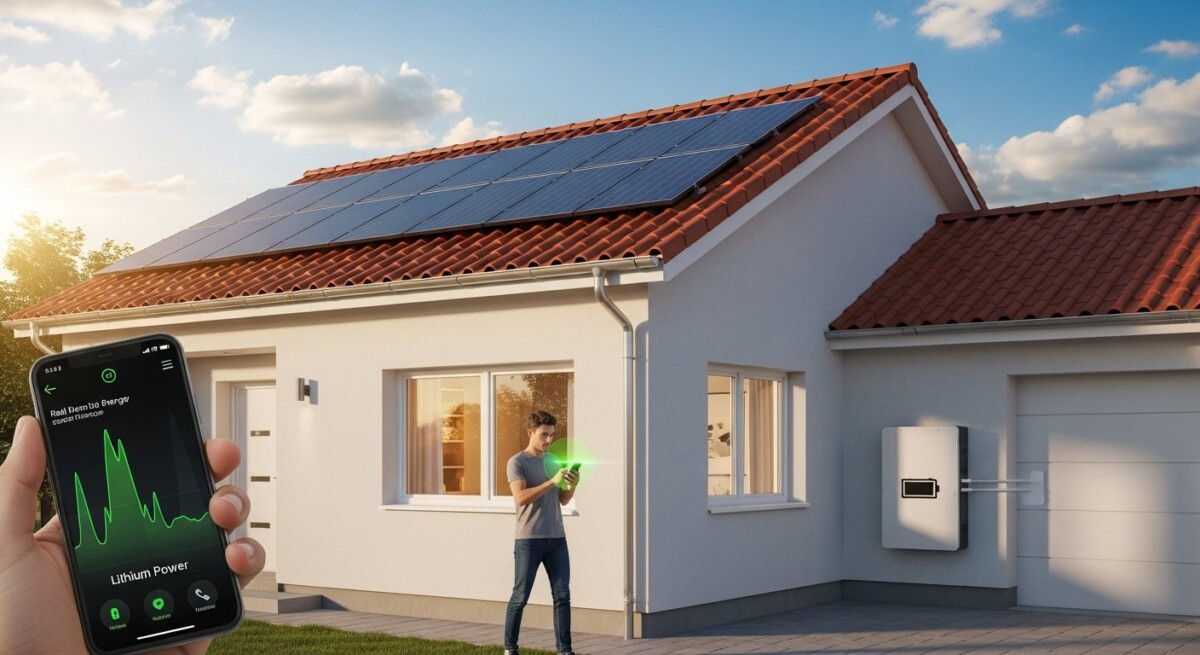
Think of your roof as a mini power plant. Solar panels absorb sunlight and create an electric field. The generated electricity flows through your home’s main electrical panel. Any surplus energy can be sent back to the grid, earning you credits through net metering programs.
Modern systems come with monitoring apps that show your real-time production and consumption. This transparency helps you track savings and spot issues early.
Why Solar Energy Is Becoming More Popular
Rising electricity prices are the number one reason homeowners switch to solar. According to the U.S. Energy Information Administration, residential rates have increased steadily over the past decade. Solar offers a hedge against future hikes.
Environmental concerns also drive adoption. Solar power produces no greenhouse gases during operation. By going solar, you shrink your carbon footprint and contribute to cleaner air in your community.
Long-term savings are the ultimate motivator. A properly sized solar system can pay for itself in 7 to 10 years through lower utility bills. After that, your electricity is essentially free for the remaining 15,20 years of the system’s life.
If you are considering solar power for your home, comparing installation quotes can help you understand your options. Request a free solar quote or call to learn more.
Common Questions Homeowners Have About Solar
Many people worry about upfront costs. The truth is that solar prices have dropped by more than 70% over the last decade. Federal tax credits and local rebates further reduce the net cost.
Roof suitability is another common concern. Most asphalt shingle, metal, and tile roofs work fine. A professional installer will inspect your roof’s age, angle, and shading before recommending a system.
System performance is also a top question. Modern panels are tested to withstand hail, high winds, and extreme temperatures. They produce power even on cloudy days, though output is lower than full sun.
- How much does a home solar system cost?
- Will solar work on my roof type?
- How long do solar panels last?
- What happens during a power outage?
- Do I need a battery with my system?
- What maintenance is required?
How Solar Panel Installation Works
The installation process is simpler than most homeowners expect. A licensed installer handles everything from design to permits, so you don’t have to worry about the technical details.
First, an energy assessor reviews your past electricity bills and examines your home’s layout. Then the installer designs a custom system and submits the necessary permits to your local utility and building department.
- Home energy assessment , Review bills and inspect roof condition and shading.
- System design , Layout panels and select inverters and mounting hardware.
- Permits and approvals , Secure city permits and utility interconnection agreement.
- Panel installation , Mount racks, install panels, and connect wiring.
- System activation , Utility inspection, meter swap, and final switch-on.
Most residential installations take one to three days. After activation, you start saving on your very next electric bill.
Speaking with experienced installers can help you determine the best solar solution for your home. Compare solar quotes here or call to explore available options.
Signs Your Home May Be Ideal for Solar
Not every home is a perfect fit, but many are. The best candidates have a south- or west-facing roof with minimal shade from trees or nearby buildings.
You should also have strong sunlight exposure for most of the day. If your roof is less than 15 years old and in good condition, you are likely ready for solar panels.
- Your roof receives direct sunlight for at least 5 hours daily.
- Your monthly electricity bill exceeds $100.
- You have at least 300 square feet of usable roof space.
- You plan to stay in your home for 5 or more years.
- Your roof is in good condition and less than 15 years old.
What Affects Solar Installation Costs
System size is the biggest cost driver. Larger systems with more panels cost more upfront but deliver higher long-term savings. A typical home system ranges from 5 kW to 10 kW.
Equipment quality also matters. Premium panels and microinverters cost more but offer better efficiency and longer warranties. Cheaper components may save money now but could lead to higher maintenance costs later.
Installation complexity affects pricing too. Steep roofs, tile roofs, or homes with complex electrical panels may require extra labor. Local incentives, such as state rebates or federal tax credits, can significantly reduce your net cost.
The cost of solar installation varies depending on your home and energy needs. Request personalized solar quotes or call to see what options are available.
Tips for Choosing a Reliable Solar Installer
Choosing the right installer is just as important as choosing the right equipment. A reputable company will guide you through incentives, design, and paperwork without cutting corners.
Start by reviewing each installer’s experience. Look for companies that have been in business for at least five years and hold valid licenses. Check their warranty offerings,both product and workmanship warranties matter.
- Verify installer certifications (NABCEP, licensed electrician).
- Read online reviews on Google, Yelp, and the Better Business Bureau.
- Ask for references from past customers in your area.
- Compare at least three quotes to understand pricing and value.
- Confirm the warranty covers panels, inverters, and labor.
Long-Term Benefits of Installing Solar Panels
The most obvious benefit is lower electricity bills. Over 20 years, a typical solar owner saves between $20,000 and $50,000 depending on local rates and system size. These savings can be redirected to other financial goals.
Solar panels also increase your home’s resale value. Studies show that homes with solar sell for about 4% more than comparable non-solar homes. Buyers recognize the value of lower utility costs.
Energy independence is another major advantage. With a solar-plus-battery system, you can keep your lights on during grid outages. And every kilowatt-hour you generate reduces demand on fossil fuel power plants, cutting your environmental impact.
What are the main disadvantages of solar energy for homes?
The main disadvantages include high upfront costs without financing, dependence on sunlight (reduced output on cloudy days), and the need for a suitable roof. However, federal tax credits and financing options make solar accessible for most homeowners. A professional installer can help you determine if the benefits outweigh the drawbacks for your specific situation.
How long does it take for solar panels to pay for themselves?
Most homeowners see a payback period of 7 to 10 years. This depends on your local electricity rates, system size, available incentives, and how much sunlight your roof receives. After that point, your electricity is essentially free for the remaining life of the system, which typically lasts 25 to 30 years.
Can I install solar panels myself to save money?
While DIY solar kits exist, professional installation is strongly recommended. Licensed installers handle permits, electrical work, and safety inspections. Mistakes in wiring or mounting can void warranties, reduce performance, or create fire hazards. The small upfront savings often lead to costly repairs later.
Will solar panels work during a power outage?
Standard grid-tied solar systems shut down during a blackout for safety reasons. If you want backup power, you need a solar battery system (like the Tesla Powerwall or LG Chem). Batteries store excess energy and automatically power critical loads when the grid goes down.
How much maintenance do solar panels require?
Solar panels require very little maintenance. Rain typically washes away dust and debris. You should inspect your system once or twice a year and clean panels if they become heavily soiled. Most installers offer monitoring services that alert you to performance issues.
What happens if my roof needs repairs after solar installation?
If your roof needs repairs, the installer can temporarily remove and reinstall the panels. This is why you should install solar on a roof that is in good condition. Many installers offer a roof warranty or work with roofing companies to coordinate repairs without damaging the solar system.
Do I need a battery with my solar system?
No, a battery is optional. Most homeowners start with a grid-tied system and add a battery later. Batteries are useful if you want backup power, if your utility has time-of-use rates, or if you want to maximize self-consumption of your solar energy. In our guide on AI tools for solar energy, we explain how smart monitoring can help you decide if a battery makes sense for your home.
How do I know if my home is a good candidate for solar?
The best way to know is to request a professional site assessment. Installers use satellite imagery and on-site measurements to evaluate your roof’s orientation, shading, and structural integrity. They also review your electric bills to size the system correctly. You can use AI tools to analyze your solar potential before scheduling a visit.
Solar energy is a smart investment for homeowners ready to take control of their electricity costs. By comparing quotes from multiple installers, you ensure you get the right system at a fair price. Start your journey today by requesting free quotes from trusted professionals in your area.