Smart Solar Energy Systems: Save Money and Gain Independence
Imagine opening your monthly electricity bill and seeing a number that keeps climbing higher. For many homeowners, rising energy costs have turned a routine expense into a growing financial burden. This is why more people are searching for smart solar energy systems,a practical way to reduce electricity bills and become less dependent on the power grid.
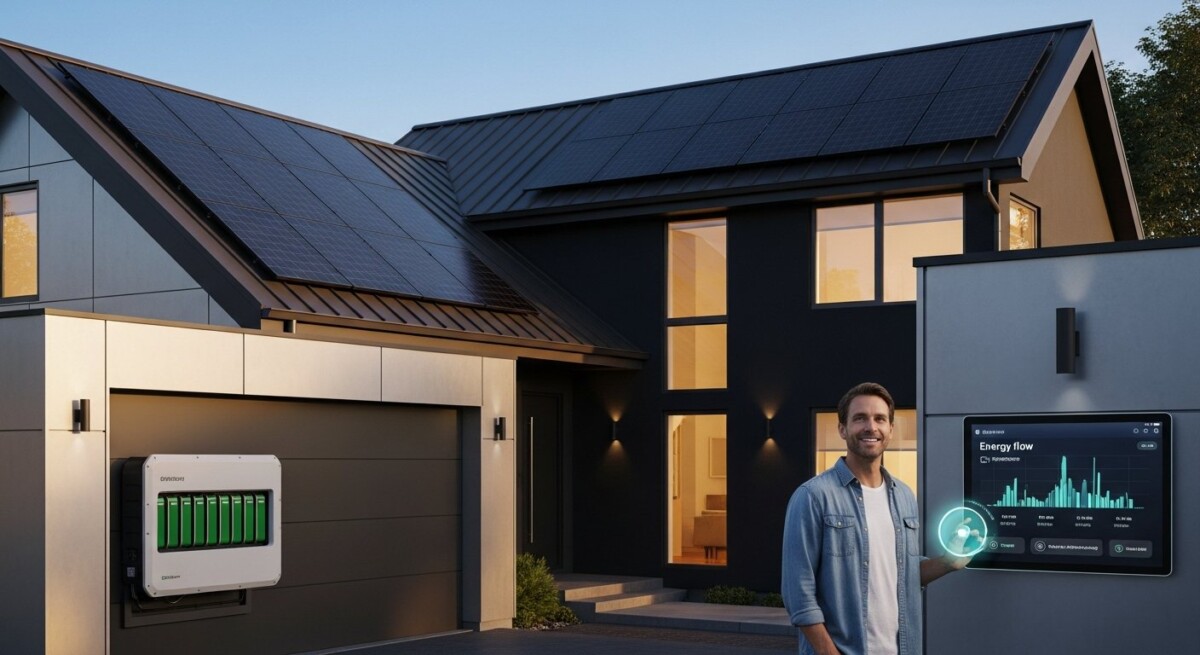
A smart solar system does more than just generate power. It uses advanced technology to monitor energy production, optimize consumption, and even store excess electricity for later use. In this article, we will walk through everything you need to know about these systems, from how they work to how they can transform your home’s energy profile. By the end, you will feel confident exploring solar installation options and comparing quotes to find the best fit for your home.
Understanding Smart Solar Energy Systems
A smart solar energy system combines traditional solar panels with intelligent software and hardware. This setup allows your home to communicate with the solar array, automatically adjusting how and when energy is used.
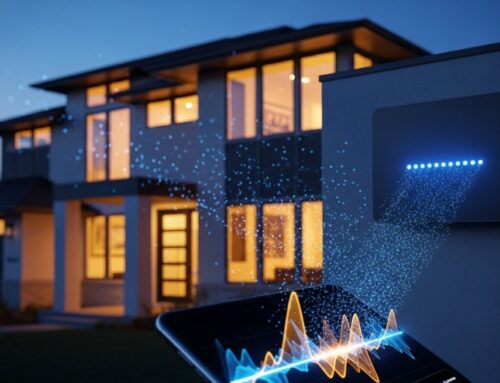
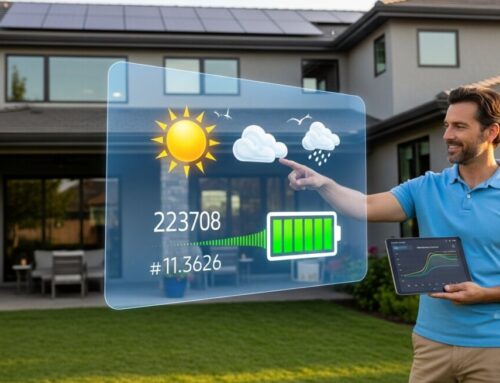
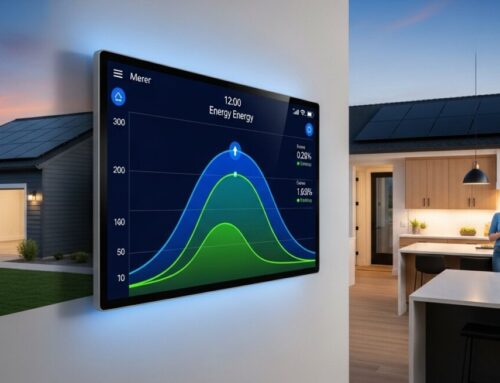
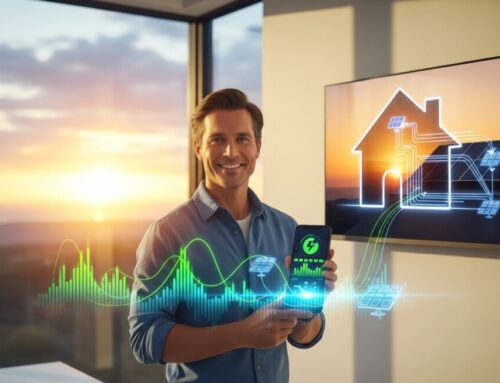
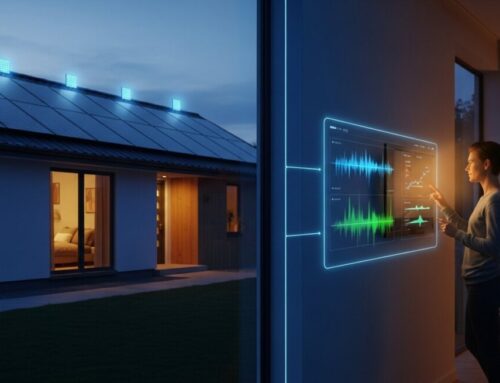
At its core, the system includes solar panels, an inverter, a monitoring platform, and often a battery storage unit. The panels capture sunlight and convert it into direct current (DC) electricity. The inverter then changes that DC power into alternating current (AC), which your home appliances can use. The smart part comes from the monitoring software: it tracks real-time energy production, identifies inefficiencies, and can even shift power usage to times when solar generation is highest.
Why Homeowners Are Turning to Smart Solar
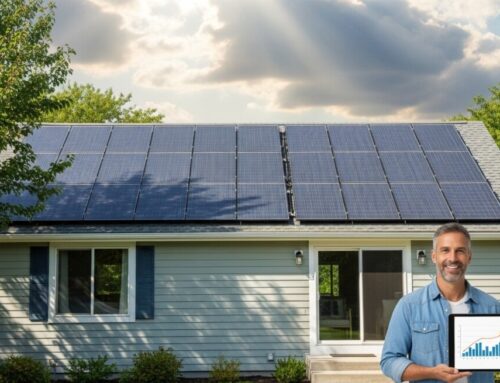
More homeowners are choosing smart solar systems because they offer control and transparency. Instead of guessing how much energy you are saving, you can see the data on your phone or computer. This visibility helps you adjust habits, reduce waste, and maximize savings.
Battery storage is another key feature. With a smart solar system, any extra electricity your panels produce during the day can be stored in a battery and used at night or during a power outage. This moves you closer to true energy independence.
Why Solar Energy Is Becoming More Popular
Electricity prices have been rising steadily across the United States. According to recent data, residential electricity rates have increased by more than 15% over the past five years. For a typical household, that adds hundreds of dollars to annual energy costs.
At the same time, environmental awareness is growing. Many homeowners want to reduce their carbon footprint and contribute to a cleaner future. Solar energy produces no greenhouse gas emissions once installed, making it one of the most sustainable choices available.
Long-term savings also drive interest. While the upfront cost of solar panels can seem high, the system typically pays for itself within six to ten years through lower electricity bills. After that, the electricity you generate is essentially free for the remaining life of the system, which can be 25 years or more.
If you are considering solar power for your home, comparing installation quotes can help you understand your options. Request a free solar quote or call (800) 555-0199 to learn more.
Common Questions Homeowners Have About Solar
When people start researching solar energy, they often have the same concerns. Understanding these questions can help you make an informed decision without feeling overwhelmed.
Installation cost is usually the first thing that comes to mind. A typical residential system costs between $15,000 and $25,000 before incentives. However, federal and state tax credits can reduce that amount significantly. Roof suitability is another common worry,most roofs can accommodate solar panels, but factors like age, material, and shading matter. Finally, homeowners wonder about system performance on cloudy days or during winter. Modern panels still generate power in low-light conditions, though at a reduced rate.
- How much does a solar system cost for an average home?
- Will my roof need repairs before installation?
- How much energy will my system produce each month?
- What happens if my panels produce more power than I use?
- Do solar panels work during a power outage?
- How long do solar panels last, and what maintenance is required?
How Solar Panel Installation Works
The installation process is more straightforward than many homeowners expect. Professional installers handle the heavy lifting, from initial assessment to final activation.
First, a technician visits your home to evaluate your energy usage, roof condition, and sunlight exposure. Based on this data, they design a system tailored to your needs. After that, permits are filed with your local government, and the installation crew mounts the panels and connects the inverter. Once everything is wired and inspected, the system is turned on, and you start generating your own electricity.
- Home energy assessment: Review past utility bills and inspect your roof.
- System design: Engineers create a layout that maximizes sunlight capture.
- Permits and approvals: Your installer handles all paperwork with local authorities and your utility company.
- Panel installation: Technicians mount the panels, install the inverter, and run wiring.
- System activation: After final inspection, the system is connected to the grid and begins producing power.
Speaking with experienced installers can help you determine the best solar solution for your home. Compare solar quotes here or call (800) 555-0199 to explore available options.
Signs Your Home May Be Ideal for Solar
Not every home is equally suited for solar panels, but many are. Looking for a few key indicators can tell you if solar is a good fit.
If your roof faces south or west and receives direct sunlight for most of the day, your home is a strong candidate. Similarly, if you pay high electricity bills,especially in the summer,solar can offset a large portion of that cost.
- Your roof gets at least four to five hours of direct sunlight per day.
- Your monthly electricity bill is consistently above $100.
- You have at least 300 square feet of unshaded roof space.
- Your roof is in good condition and less than 15 years old.
- You plan to stay in your home for at least five more years.
What Affects Solar Installation Costs
The price of a solar system depends on several factors, and understanding them helps you evaluate quotes accurately. System size is the biggest driver,larger systems cost more but also generate more electricity.
Equipment quality also matters. Premium panels and inverters come with longer warranties and higher efficiency, which can lead to greater savings over time. Installation complexity, such as a steep roof or outdated electrical panel, can add to labor costs. On the positive side, local incentives and federal tax credits reduce the net price significantly.
The cost of solar installation varies depending on your home and energy needs. Request personalized solar quotes or call (800) 555-0199 to see what options are available.
Tips for Choosing a Reliable Solar Installer
Selecting the right installer is one of the most important decisions you will make. A good installer ensures your system performs well and lasts for decades.
Start by looking for companies with at least five years of experience and a strong local reputation. Check that they use high-quality equipment from reputable manufacturers and offer comprehensive warranties on both panels and installation work.
- Review the installer’s experience and ask for customer references.
- Check that they offer a 25-year performance warranty on panels.
- Read online reviews on platforms like Google, Yelp, and the Better Business Bureau.
- Get at least three quotes to compare pricing, equipment, and service terms.
In our guide on what is a smart solar grid and how it cuts your bills, we explain how these systems connect to the broader energy network for added savings. For those looking to optimize usage, our article on how to use AI for solar energy to slash your electric bill provides practical tips.
Long-Term Benefits of Installing Solar Panels
The advantages of solar energy extend far beyond the first year. Once your system is paid off, you enjoy decades of free or nearly free electricity.
Lower electricity bills are the most immediate benefit. Many homeowners see a 50 to 90 percent reduction in their monthly energy costs. Over 20 years, that adds up to tens of thousands of dollars in savings. Additionally, solar panels increase your home’s resale value. Studies show that homes with solar sell for about 4 percent more than comparable homes without it.
Finally, solar energy gives you a measure of energy independence. With battery storage, you are less affected by grid outages and price spikes. You also reduce your carbon footprint by generating clean, renewable power.
Frequently Asked Questions
How much can I save on my electricity bills with a smart solar system?
Savings vary based on your location, system size, and energy usage. Most homeowners reduce their electricity bills by 50 to 90 percent. Over 20 years, typical savings range from $20,000 to $50,000.
Do smart solar systems work during a power outage?
Yes, if your system includes a battery storage unit. Without a battery, standard grid-tied systems shut down during outages for safety reasons. A smart system with battery backup can keep essential appliances running.
What government incentives are available for solar installation?
The federal Investment Tax Credit (ITC) allows you to deduct 30 percent of the installation cost from your federal taxes. Many states and local utilities offer additional rebates, tax credits, or net metering programs.
How long does it take to install a solar system?
Most residential installations take one to three days once permits are approved. The entire process, from initial consultation to activation, typically takes four to eight weeks.
Will solar panels damage my roof?
No, professional installers use mounting systems that protect your roof. In fact, panels can shield the covered area from weather and UV exposure, potentially extending roof life.
How do I know if my roof is suitable for solar panels?
A professional installer will assess your roof’s age, material, angle, and shading. In general, an asphalt shingle roof in good condition facing south or west with minimal shade is ideal.
What maintenance do solar panels require?
Solar panels require very little maintenance. Rain usually keeps them clean. You may need to clear heavy snow or debris occasionally, and an annual inspection ensures everything is working properly.
Can I finance a solar system, or do I need to pay upfront?
Yes, many installers offer financing options, including solar loans, leases, and power purchase agreements (PPAs). Some programs require zero down payment, making solar accessible to more homeowners.
Switching to solar is one of the smartest home improvements you can make. It lowers your bills, increases your property value, and helps protect the environment. The best way to get started is to compare installation quotes from trusted professionals. Request your free solar quotes today and take the first step toward energy independence.