Solar Energy Automation: Slash Bills With Smart Home Tech
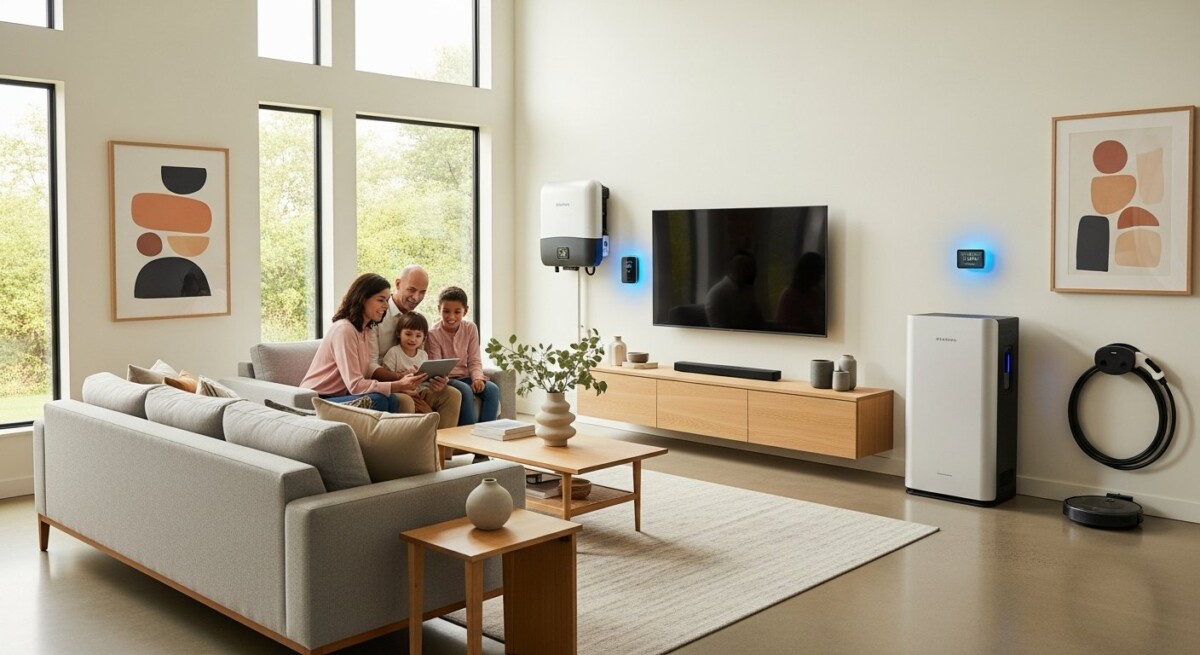
You open your monthly electric bill and feel a familiar sting. Rates keep climbing, and you wonder if there is a way to stop the cycle. Many homeowners are now looking at solar energy automation as a practical solution to reduce electricity costs and gain more control over their home energy use.
Solar energy automation combines solar panels with smart technology that manages when and how your home uses power. This approach helps you save money, lowers your reliance on the grid, and makes solar power work harder for you. Understanding how this technology works is the first step toward a smarter, more affordable home energy plan.
Understanding Solar Energy Automation
Solar energy automation refers to systems that automatically manage your solar panel output and home energy consumption. Instead of simply generating electricity during the day, automated systems use software and sensors to decide when to store power, when to use it, and when to send it back to the grid.
For example, a smart solar controller can charge your battery during peak sunlight hours and then automatically run your dishwasher or EV charger during that time. This reduces your reliance on expensive grid electricity. More homeowners are adopting this technology because it maximizes savings without requiring constant manual adjustments.
How Smart Solar Systems Work
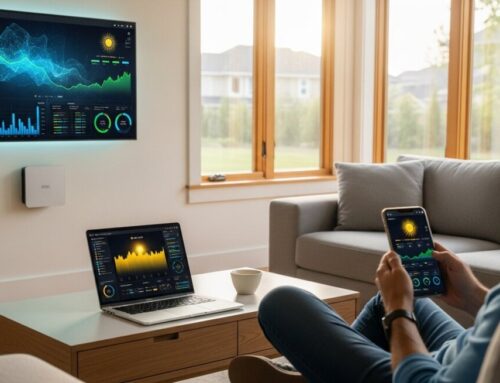
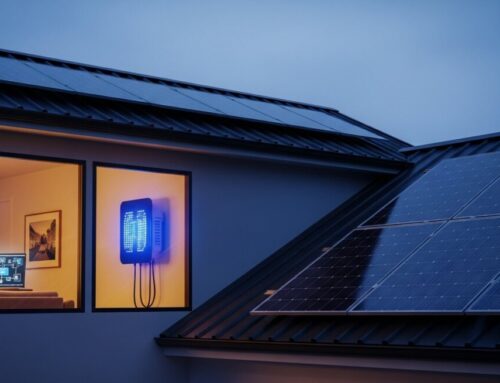
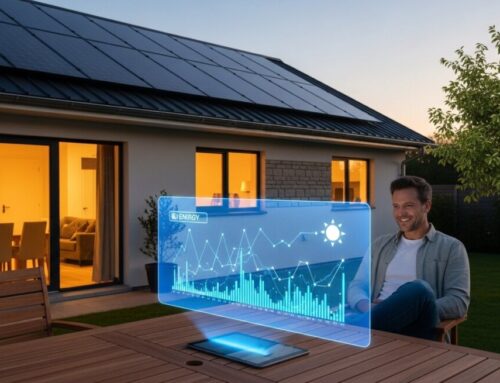
At the heart of solar energy automation is a device called an inverter or energy management system. It communicates with your solar panels, battery storage, and smart home appliances. The system monitors real-time energy production, weather forecasts, and your home’s usage patterns to make automatic decisions.
If a storm is forecast, the system may choose to store more energy in the battery rather than selling it back to the utility. If your electricity rates are higher in the evening, it will run your high-energy appliances during the day. This intelligent control is what sets automated solar apart from a basic panel setup.
Why Solar Energy Is Becoming More Popular
Electricity prices have risen steadily over the past decade, and many homeowners feel the pinch. Solar power offers a way to lock in lower energy costs and protect against future rate hikes. Pairing solar with automation makes those savings even more reliable.
Environmental concerns also play a big role. Switching to clean energy reduces your carbon footprint and supports a healthier planet. But the biggest driver for most people is the long-term financial benefit. A well-designed solar system can pay for itself within several years and continue saving you money for decades.
If you are considering solar power for your home, comparing installation quotes can help you understand your options. Request a free solar quote or call to learn more.
Common Questions Homeowners Have About Solar
Many homeowners hesitate because they are unsure about the upfront cost, roof suitability, and system performance. These are valid concerns, but professional installers can address them with a simple site evaluation. Most homes in sunny regions can benefit from solar panels, and many financing options make the initial investment manageable.
Another common worry is whether solar panels will work on cloudy days or during winter. Modern panels are efficient even in diffuse light, and automation helps you store energy for use when the sun isn’t shining. The key is to get a system designed for your specific location and energy needs.
- How much does a solar system cost for an average home?
- Will solar panels work on my roof if it is shaded or old?
- How long do solar panels last, and what maintenance do they need?
- Can I go completely off-grid with solar plus battery storage?
- What happens to my solar system during a power outage?
- How do government incentives reduce the net cost of installation?
How Solar Panel Installation Works
The installation process is straightforward when you work with an experienced professional. It starts with a home energy assessment to understand your current usage and roof conditions. From there, the installer designs a system that matches your energy goals and budget.
Once the design is approved, the installer handles permits and approvals with your local utility and municipality. This step ensures your system meets all safety and grid connection requirements. After that, the actual panel installation usually takes one to three days, followed by a final inspection and system activation.
- Schedule a home energy assessment and roof inspection.
- Review system design and equipment options with your installer.
- Submit permits and await utility approval.
- Install solar panels, inverter, and battery (if applicable).
- Pass final inspection and turn on the system.
Speaking with experienced installers can help you determine the best solar solution for your home. Compare solar quotes here or call to explore available options.
Signs Your Home May Be Ideal for Solar
Not every home is equally suited for solar panels, but many are. The best candidates have a roof that receives strong sunlight for most of the day, especially south- or west-facing slopes. If your roof is relatively new or in good condition, that is another positive sign.
Your current electricity bills also matter. If you pay high rates or use a lot of energy, solar can deliver faster payback. And if you plan to stay in your home for at least five to seven years, the long-term savings become even more attractive.
- Your roof gets at least four to five hours of direct sunlight daily.
- Your monthly electricity bills are consistently high.
- You have enough roof space without too many obstructions.
- You plan to live in your home for several more years.
- Your state or utility offers rebates or net metering programs.
What Affects Solar Installation Costs
The cost of a solar system depends on several factors, starting with the size of the system you need. A larger home with higher energy usage will require more panels and a bigger inverter, which increases the upfront price. Equipment quality also matters,premium panels and batteries cost more but often deliver better performance and longer warranties.
Installation complexity can add to the cost if your roof has a steep pitch, multiple stories, or unusual materials. Local labor rates and permit fees also vary. However, federal and state incentives can significantly reduce the net cost. In our guide on AI tools for solar energy, we explain how smart software helps you estimate savings and compare quotes more accurately.
The cost of solar installation varies depending on your home and energy needs. Request personalized solar quotes or call to see what options are available.
Tips for Choosing a Reliable Solar Installer
Finding the right installer is just as important as choosing the right equipment. A trustworthy installer will conduct a thorough site assessment, explain your options clearly, and provide a detailed written quote. They should also be licensed, insured, and experienced with local permit processes.
Reading customer reviews and asking for references can give you confidence in your choice. It is also wise to compare quotes from at least three different companies. This helps you understand pricing, equipment options, and warranty terms before making a decision.
- Check that the installer is licensed and has positive reviews.
- Ask about equipment warranties and workmanship guarantees.
- Request references from recent customers in your area.
- Get multiple quotes and compare costs, equipment, and timelines.
Long-Term Benefits of Installing Solar Panels
Installing solar panels is one of the most effective ways to reduce your monthly electricity bills. Over twenty years, the savings can total tens of thousands of dollars. Solar also increases your home’s resale value, making it a smart investment for the future.
Beyond financial gains, solar power gives you greater energy independence. You are less affected by utility rate hikes and grid outages. And by generating clean energy, you reduce your household’s environmental impact. As discussed in our article on AI solar energy, smart automation further enhances these benefits by optimizing energy use around the clock.
Frequently Asked Questions
How much can I save with solar energy automation?
Savings vary based on your location, energy usage, and system size. On average, homeowners save between $10,000 and $30,000 over twenty years. Automation can increase savings by optimizing when you use stored energy.
Do solar panels work during a power outage?
Standard grid-tied systems shut down during outages for safety. However, systems with battery storage and automation can keep essential appliances running when the grid goes down.
What maintenance do automated solar systems require?
Solar panels need minimal maintenance,mostly occasional cleaning and annual inspections. Automated systems may require software updates, but your installer can handle those remotely.
How long does it take to install solar panels?
Installation itself usually takes one to three days. The entire process, from assessment to activation, typically takes four to eight weeks depending on permits and utility approvals.
Can I add automation to an existing solar system?
Yes, many existing systems can be upgraded with smart inverters or energy management controllers. A professional installer can evaluate your current setup and recommend compatible automation options.
Are there government incentives for solar energy automation?
Yes, the federal solar tax credit covers a percentage of your total system cost, including batteries and automation equipment. Many states and utilities offer additional rebates or performance incentives.
Will solar panels damage my roof?
Professionally installed solar panels are mounted on racks that protect your roof. They can actually shield the covered areas from weather. Most installers offer a roof penetration warranty for added peace of mind.
How do I know if my roof is suitable for solar?
A solar installer will assess your roof’s age, material, angle, and sun exposure during a free site visit. Most asphalt shingle roofs in good condition work well with solar panels.
Solar energy automation offers a smart, practical path to lower electricity bills and greater energy independence. By understanding how it works and comparing professional quotes, you can choose a system that fits your home and budget. Take the next step by requesting quotes from trusted installers and seeing how much you could save.