Why Solar Efficiency Changes and How It Saves You Money
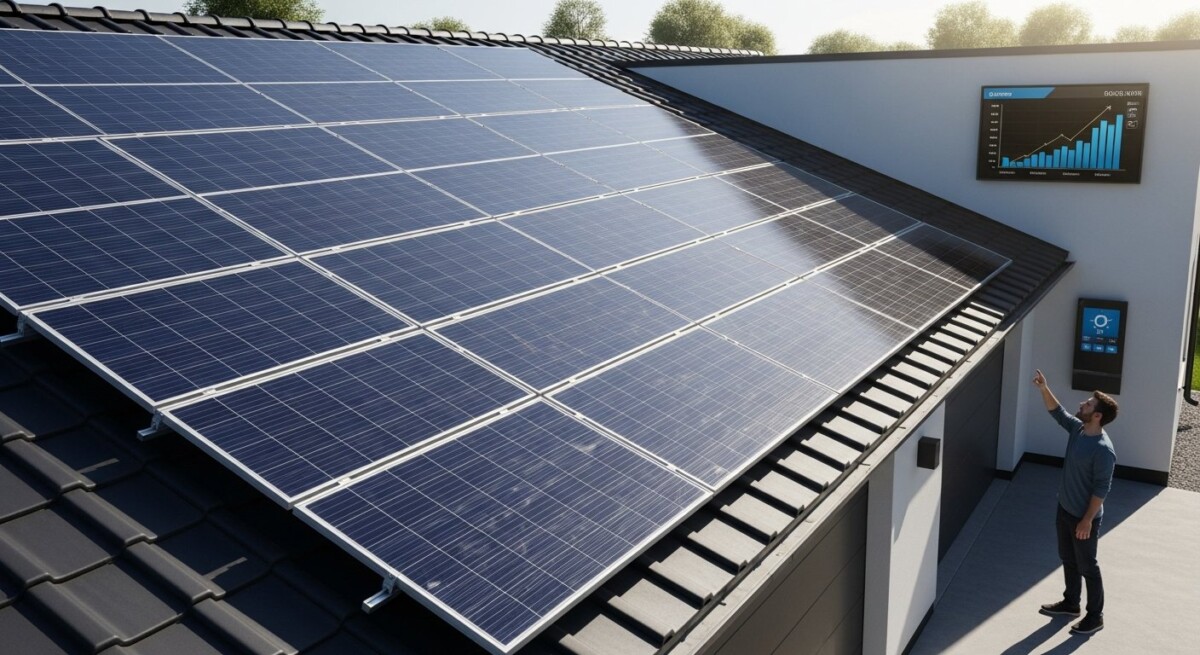
You have probably noticed your electricity bills creeping up year after year. As energy costs rise, more homeowners begin searching for ways to take control of their monthly expenses. That search often leads to a key question: why solar efficiency changes from one panel to another, and how those changes affect your wallet. Understanding this concept can help you make smarter decisions about solar installation and reduce your dependence on the power grid.
Understanding Why Solar Efficiency Changes
Solar panel efficiency refers to how much sunlight a panel can convert into usable electricity. Most residential panels convert between 15 and 22 percent of the sunlight they receive. The higher the efficiency, the more power you generate from the same amount of roof space.
Several factors cause efficiency to vary from panel to panel. The type of silicon used, the quality of manufacturing, and the panel design all play a role. Monocrystalline panels, for example, tend to be more efficient than polycrystalline panels because they are made from a single, pure crystal structure.
What Affects Efficiency Day to Day
Even after installation, efficiency changes throughout the day and year. Temperature, shading, and the angle of the sun all influence how much electricity your panels produce. Panels actually work best in cool, sunny conditions , extreme heat can reduce output slightly. Understanding these factors helps you set realistic expectations for energy production and savings.
Homeowners who compare solar installation quotes often discover that different installers recommend different panel brands and configurations. That is because a system designed for your specific roof and climate will perform better than a one-size-fits-all solution. Working with a professional installer ensures you choose panels that match your home’s unique conditions.
Why Solar Energy Is Becoming More Popular
More American homeowners are turning to solar power than ever before. The main drivers are simple: rising electricity prices, growing environmental awareness, and the long-term financial benefits of generating your own power. Solar panels allow you to lock in a lower, predictable electricity cost for decades.
Another reason for the surge in popularity is the availability of government incentives and rebates. The federal solar investment tax credit, for example, lets you deduct a significant portion of your installation costs from your taxes. Many states and utilities offer additional rebates, making solar more affordable than it was just a few years ago.
Homeowners also appreciate the energy independence that comes with solar panels. Instead of being at the mercy of utility rate hikes, you produce your own electricity. Any excess power you generate can often be sold back to the grid through net metering programs, further reducing your bills.
If you are considering solar power for your home, comparing installation quotes can help you understand your options. Request a free solar quote or call to learn more.
Common Questions Homeowners Have About Solar
Before making a decision, most homeowners have questions about cost, installation, and performance. Understanding the answers can help you feel confident about your investment. For example, many people worry that solar panels are too expensive, but the combination of incentives and long-term savings makes them accessible to a wide range of budgets.
Another common concern is whether a roof can support solar panels. Most roofs are suitable, but factors like age, material, and orientation matter. A professional installer will evaluate your roof during a home energy assessment to ensure it is ready for installation.
Here are some of the most frequent questions homeowners ask:
- How much does a typical solar system cost?
- Will solar panels work on a cloudy day?
- How long do solar panels last?
- Do I need to replace my roof before installing solar?
- What happens if I move after installing solar panels?
- How long does the installation process take?
Each of these questions has a straightforward answer, and a trusted installer can walk you through every detail. The key is to gather information from multiple sources before committing.
How Solar Panel Installation Works
Solar panel installation follows a clear, step-by-step process that begins with understanding your home’s energy needs. A professional installer will first conduct a home energy assessment to review your electricity usage, roof condition, and sunlight exposure. This assessment forms the foundation of your system design.
Once the design is complete, the installer handles permits and approvals from your local utility and government. This step ensures your system meets all safety and code requirements. After approvals are in place, the physical installation of panels, inverters, and wiring takes just one to three days for most homes.
The main steps in the installation process include:
- Home energy assessment to evaluate your needs and roof suitability
- System design tailored to your roof layout and energy goals
- Permits and approvals from local authorities and your utility company
- Panel installation, including mounting hardware, wiring, and inverter setup
- System activation and final inspection to ensure everything works correctly
After activation, you can start generating electricity and lowering your bills immediately. In our guide on why solar efficiency changes, we explain how different panel types affect long-term performance.
Speaking with experienced installers can help you determine the best solar solution for your home. Compare solar quotes here or call to explore available options.
Signs Your Home May Be Ideal for Solar
Not every home is perfectly suited for solar panels, but many are. The best candidates share several common characteristics that make solar installation both practical and profitable. If your home meets these conditions, you are likely to see strong returns on your investment.
For example, homes with south-facing roofs that receive direct sunlight for most of the day generate the most electricity. If your roof is shaded by large trees or nearby buildings, you may still benefit from solar, but your system design will need to account for reduced light.
Here are signs that your home is a good fit for solar panels:
- Your roof receives strong, direct sunlight for at least four to five hours per day
- Your monthly electricity bills are high, meaning you have more to save
- You have enough unshaded roof space to accommodate the system you need
- You plan to stay in your home for at least five to ten years
- Your roof is in good condition and made of durable materials like asphalt shingles or metal
- Your local utility offers net metering or other incentives for solar customers
Even if your home does not meet every criterion, a professional installer can help you explore alternative solutions like ground-mounted panels or community solar programs.
What Affects Solar Installation Costs
Solar installation costs vary widely depending on your location, energy needs, and the equipment you choose. The size of your system is the biggest factor , larger systems cost more upfront but also generate more savings over time. The average residential system in the United States ranges from 5 to 10 kilowatts.
Equipment quality also plays a major role. High-efficiency panels from top manufacturers cost more than budget options, but they often come with better warranties and longer lifespans. Inverters, mounting hardware, and monitoring systems add to the total cost as well.
Installation complexity can increase the price if your roof is steep, has multiple angles, or requires structural reinforcement. However, local incentives and rebates can significantly lower your net cost. Many homeowners find that after applying the federal tax credit and state rebates, their out-of-pocket expense is much lower than expected.
The cost of solar installation varies depending on your home and energy needs. Request personalized solar quotes or call to see what options are available.
Tips for Choosing a Reliable Solar Installer
Choosing the right installer is just as important as choosing the right panels. A reputable installer will help you avoid costly mistakes and ensure your system performs optimally for decades. Start by looking for companies with a proven track record and positive customer reviews.
It is also wise to verify that the installer holds proper licenses and insurance. Ask about the warranties they offer on both equipment and workmanship. A strong warranty gives you peace of mind that your investment is protected.
Follow these tips when selecting a solar installer:
- Review the installer’s experience and number of completed installations
- Check the warranties offered on panels, inverters, and labor
- Read customer reviews on third-party sites like Google and the Better Business Bureau
- Compare multiple quotes to understand pricing and equipment options
- Ask for references from recent customers in your area
- Confirm that the installer handles permits and inspections as part of the service
Taking the time to compare quotes from several installers ensures you get the best value. As we discuss in our article on can AI increase solar efficiency for your home, modern technology is making solar systems smarter and more efficient than ever.
Long-Term Benefits of Installing Solar Panels
The most obvious benefit of solar panels is lower electricity bills. Over the 25- to 30-year lifespan of a typical system, homeowners save tens of thousands of dollars. Those savings grow as utility rates continue to rise, making solar an increasingly valuable investment.
Solar panels also increase your home’s resale value. Studies show that homes with solar systems sell for a premium compared to similar homes without them. Buyers recognize the long-term savings and are willing to pay more for a property that already has solar installed.
Beyond financial gains, solar energy reduces your carbon footprint. By generating clean electricity, you help decrease reliance on fossil fuels and contribute to a healthier environment. Many homeowners also enjoy the peace of mind that comes with energy independence , knowing they are less affected by power outages and grid instability.
FAQs
What is solar panel efficiency and why does it matter?
Solar panel efficiency measures how much sunlight a panel converts into electricity. Higher efficiency means you generate more power from a smaller area, which is especially important if you have limited roof space. It directly affects how quickly you recoup your investment through energy savings.
Do solar panels work in cloudy or rainy weather?
Yes, solar panels still generate electricity on cloudy days, though at a reduced rate. They rely on diffuse sunlight, which passes through clouds. Modern panels are designed to capture this light efficiently, so you will still see savings even in less sunny climates.
How long do solar panels last?
Most solar panels come with a performance warranty of 25 years, and they often continue producing electricity well beyond that. Panels gradually lose efficiency over time, typically degrading at a rate of about 0.5 to 1 percent per year. Even after 30 years, most panels still operate at 80 to 90 percent of their original capacity.
Will solar panels damage my roof?
No, properly installed solar panels do not damage your roof. Installers use mounting systems that attach to the roof structure without compromising its integrity. In fact, panels can protect the roof area they cover from weather and UV exposure.
How much can I save on my electricity bills with solar?
Savings depend on your system size, local electricity rates, and sunlight exposure. On average, homeowners save between $600 and $2,000 per year. Over the system’s lifetime, total savings can range from $20,000 to $50,000 or more.
What happens if I move after installing solar panels?
You have several options if you sell your home. You can include the solar system in the sale, which often increases the home’s value and attracts buyers. Alternatively, some homeowners lease panels and transfer the lease to the new owner, though this varies by contract.
Are there government incentives for solar installation?
Yes, the federal solar investment tax credit allows you to deduct 30 percent of your installation costs from your federal taxes. Many states and local utilities offer additional rebates, performance payments, or tax credits. Incentives change over time, so it is wise to check current programs before installing.
How do I know if my roof is suitable for solar panels?
A professional installer will assess your roof’s age, material, orientation, and shading during a home energy assessment. Generally, roofs that are less than 10 years old, in good condition, and facing south or west are ideal. Even roofs with some shade can work with optimized panel placement.
Understanding why solar efficiency changes helps you make informed choices about your home energy future. Whether you are motivated by saving money, reducing your environmental impact, or gaining energy independence, solar panels offer a practical solution. The best way to get started is to compare installation quotes from multiple trusted professionals. Request your free solar quotes today or call to take the first step toward lower bills and a cleaner future.