Why Solar Efficiency Changes and How It Saves You Money
Your monthly electricity bill seems to climb higher every year. You have probably searched online for ways to lower those costs, and you may have wondered whether solar panels are worth the investment. Understanding why solar efficiency changes can help you decide if solar energy is the right choice for your home. By learning how solar panels perform in different conditions, you can make an informed decision that reduces your energy bills and moves you closer to energy independence.
Understanding Why Solar Efficiency Changes
Solar panel efficiency refers to how much sunlight a panel can convert into usable electricity. No panel captures 100% of the sunlight that hits it. Most residential panels today operate at 18% to 22% efficiency, which means they convert about one-fifth of the sun’s energy into power for your home. That percentage may sound low, but modern technology makes it highly effective for everyday use.
Efficiency changes based on several factors. Temperature, for example, plays a major role. Solar panels actually work best in cooler weather, not scorching heat. When the temperature rises above 77°F (25°C), panel efficiency can drop slightly. This is why you might see lower production on the hottest summer afternoons even though the sun is bright.
Key Factors That Influence Solar Panel Performance
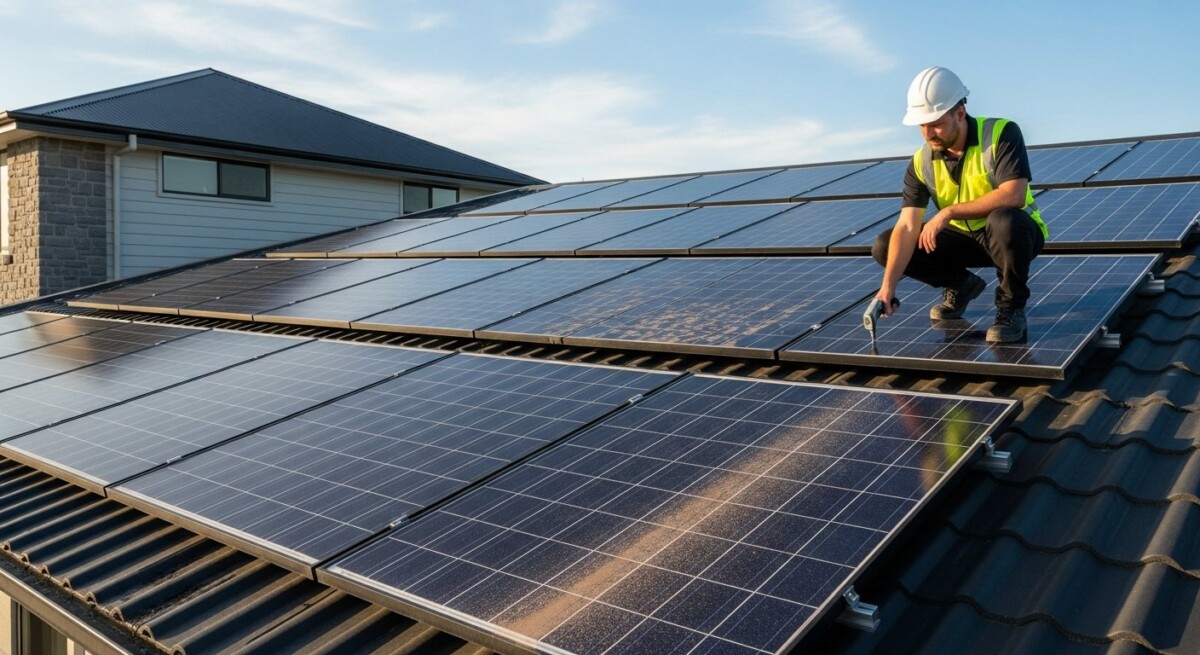
Shade is another common factor. Even a small shadow from a chimney, tree, or neighboring building can reduce output on that section of the panel. Dirt and dust buildup also block sunlight, which is why occasional cleaning helps maintain performance. Orientation and tilt matter too,panels facing south at the right angle generally produce the most energy. In our guide on Weather’s Impact on Solar Efficiency, we explain how seasonal changes and cloud cover also affect daily energy production.
These variations are normal, and professional installers account for them when designing your system. They will assess your roof’s sun exposure, local climate, and shading to recommend the best equipment and placement. Understanding why solar efficiency changes helps you set realistic expectations and avoid surprises after installation.
Why Solar Energy Is Becoming More Popular
More homeowners are turning to solar power because electricity rates continue to rise. The average cost of electricity has increased steadily over the past decade, and that trend shows no sign of reversing. Solar panels offer a way to lock in lower energy costs for 25 years or more.
Environmental concerns also drive interest in solar. Many people want to reduce their carbon footprint and contribute to a cleaner future. Solar energy produces no emissions during operation, making it one of the most environmentally friendly power sources available. Long-term savings combine with these environmental benefits to make solar an attractive choice for families who plan to stay in their homes for several years.
Government incentives and rebates make the switch even more appealing. The federal solar tax credit allows you to deduct a significant percentage of your installation costs from your taxes. Many states and utilities offer additional rebates or performance-based incentives. These programs lower the upfront cost and shorten the time it takes to see a return on your investment.
If you are considering solar power for your home, comparing installation quotes can help you understand your options. Request a free solar quote or call to learn more.
Common Questions Homeowners Have About Solar
Many homeowners hesitate because they are unsure about installation costs, roof suitability, and system performance. These are valid concerns, and reputable installers will address them during the consultation process. The key is to gather accurate information before making a decision.
One frequent question is whether solar panels work on cloudy days. The answer is yes,panels still generate electricity from diffuse sunlight, though at a lower rate than on sunny days. Another common concern is roof age. If your roof needs replacement soon, it makes sense to do that before installing solar panels. Most systems last 25 to 30 years, so you want a roof that will last as long.
- How much does a typical solar installation cost?
- Will solar panels work during a power outage?
- How long does installation take?
- Do I need a battery with my solar system?
- What happens if I move after installing solar?
- How much maintenance do solar panels require?
Each of these questions has a straightforward answer. Installers can explain how net metering works, what warranties cover, and whether a battery makes sense for your situation. Taking the time to ask these questions upfront prevents costly mistakes later.
How Solar Panel Installation Works
The installation process is more straightforward than most homeowners expect. A professional team handles everything from the initial assessment to the final connection to the grid. You do not need to be an expert,your installer guides you through each step.
After you sign a contract, the installer schedules a home energy assessment. They examine your roof, measure your current electricity usage, and review your utility bills. This information helps them design a system that meets your specific needs. Permits and approvals come next, and the installer typically manages that paperwork.
- Home energy assessment and roof inspection
- System design and equipment selection
- Permit applications and utility approvals
- Panel installation and electrical wiring
- System inspection and grid connection
- System activation and monitoring setup
Most installations take one to three days, depending on system size and roof complexity. After activation, you can start generating your own electricity immediately. Your installer will show you how to monitor production and track savings.
Speaking with experienced installers can help you determine the best solar solution for your home. Compare solar quotes here or call to explore available options.
Signs Your Home May Be Ideal for Solar
Not every home is equally suited for solar panels, but many are. The best candidates have roofs that receive direct sunlight for most of the day, especially from late morning through mid-afternoon. South-facing roofs with little to no shade are ideal, but east- and west-facing roofs can also work well.
High electricity bills are another strong indicator. If you pay a significant amount each month for power, solar can offset a large portion of that cost. Homes with adequate roof space,typically 300 to 500 square feet for an average system,are also good candidates. If you plan to stay in your home for at least five to seven years, the long-term savings usually outweigh the upfront investment.
- Your roof gets at least five hours of direct sunlight daily
- Your electricity bills are consistently high
- You have enough unobstructed roof space
- Your roof is in good condition or recently replaced
- You plan to stay in your home for several years
- Your state or utility offers solar incentives
Even if your home does not meet every condition, an installer may find creative solutions. Ground-mounted systems, for example, work well for properties with ample land but shaded roofs. A professional assessment gives you a clear picture of your home’s solar potential.
What Affects Solar Installation Costs
Solar installation costs vary based on system size, equipment quality, and the complexity of the installation. A larger system that covers more of your energy needs will cost more upfront but can deliver greater long-term savings. High-efficiency panels and premium inverters also add to the price, but they often perform better and last longer.
Roof type and condition matter too. Asphalt shingle roofs are the easiest and least expensive to work with. Tile, metal, or flat roofs may require special mounting hardware, which increases labor costs. Local labor rates and permit fees also affect the final price. Fortunately, federal and state incentives reduce the net cost significantly.
The cost of solar installation varies depending on your home and energy needs. Request personalized solar quotes or call to see what options are available.
Tips for Choosing a Reliable Solar Installer
Choosing the right installer is just as important as choosing the right equipment. A reputable company will have proper licensing, insurance, and a track record of satisfied customers. They should also offer strong warranties on both the equipment and the workmanship.
Do not rush into a decision. Collect quotes from at least three different installers and compare them carefully. Look beyond the total price,pay attention to the equipment brands, warranty terms, and estimated energy production. A slightly higher quote may be worth it if the installer uses better components or offers superior customer support.
- Verify the installer’s license and insurance
- Read online reviews and ask for references
- Compare warranty coverage for panels, inverters, and labor
- Ask about monitoring and maintenance services
- Get at least three detailed quotes before signing
- Check the company’s Better Business Bureau rating
Taking these steps helps you avoid common pitfalls and ensures you work with a professional who will stand behind their work. The time you spend researching now pays off in reliable performance and real savings for decades.
Long-Term Benefits of Installing Solar Panels
The most obvious benefit of solar panels is lower electricity bills. Once your system is paid off, the electricity it generates is essentially free. Over the 25- to 30-year lifespan of a typical system, the total savings can amount to tens of thousands of dollars. Those savings increase if electricity rates continue to rise.
Solar panels also increase your home’s resale value. Studies show that homes with solar systems sell for more than comparable homes without them. Buyers recognize the value of lower utility costs and are often willing to pay a premium. Additionally, generating your own power gives you greater independence from the grid and protects you from future rate hikes.
On the environmental side, every kilowatt-hour of solar energy you use reduces the demand for fossil fuels. A typical residential system offsets several tons of carbon dioxide each year,equivalent to planting hundreds of trees. By choosing solar, you join a growing movement toward cleaner, more sustainable energy.
Frequently Asked Questions
How much does a solar panel system cost for an average home?
The average cost of a residential solar system in the United States ranges from $15,000 to $25,000 before incentives. After the federal tax credit, the net cost drops significantly. Your final price depends on system size, equipment, and local labor rates.
Do solar panels work during a power outage?
Standard grid-tied solar systems shut down during a power outage for safety reasons. If you want backup power, you need a battery storage system. Batteries store excess energy during the day and provide power when the grid goes down.
How long do solar panels last?
Most solar panels come with a 25-year performance warranty, and they often continue producing electricity beyond that period. Their output gradually declines over time, typically losing about 0.5% efficiency per year. Even after 25 years, panels usually operate at 85% or more of their original capacity.
What maintenance do solar panels require?
Solar panels require very little maintenance. Rain usually washes away dust and dirt. In dry or dusty areas, occasional hosing down helps maintain performance. Most systems include monitoring software that alerts you if something goes wrong.
Will solar panels increase my property taxes?
In many states, solar panel installations are exempt from property tax increases. This means your home’s assessed value can go up without raising your tax bill. Check with your local tax authority or installer to confirm the rules in your area.
Can I install solar panels myself to save money?
DIY solar installation is possible but not recommended for most homeowners. Professional installers handle permits, electrical work, and safety requirements that are easy to overlook. Mistakes can lead to poor performance, safety hazards, or voided warranties. Hiring a professional ensures the system works correctly and meets local codes.
How long does it take to recoup the cost of solar panels?
The payback period typically ranges from six to ten years, depending on your electricity rates, system cost, and available incentives. After that point, the electricity your panels generate is essentially free. Solar savings add up over the remaining 15 to 20 years of the system’s life.
What happens if I sell my home after installing solar?
Selling a home with solar panels is usually a positive. Buyers often see the system as a valuable upgrade that reduces monthly expenses. You can either include the panels in the sale or transfer the lease if you have a solar loan or lease agreement. Discuss your options with your installer before selling.
Understanding why solar efficiency changes empowers you to make a smart investment in your home and your future. Solar panels deliver reliable savings, greater energy independence, and meaningful environmental benefits. The best way to move forward is to compare quotes from multiple professional installers. Each home is different, and a tailored solution gives you the best results. Compare solar installation quotes today or call to start saving on your electricity bills.