AI Solar Energy Optimization Explained: Boost Your Savings
You open your monthly electric bill and feel that familiar pinch. Rates keep climbing, and you wonder if there is a smarter way to power your home. That is exactly why more homeowners are searching for ai solar energy optimization explained , a modern approach that combines solar panels with smart technology to lower your bills and reduce reliance on the grid.
Understanding ai solar energy optimization explained
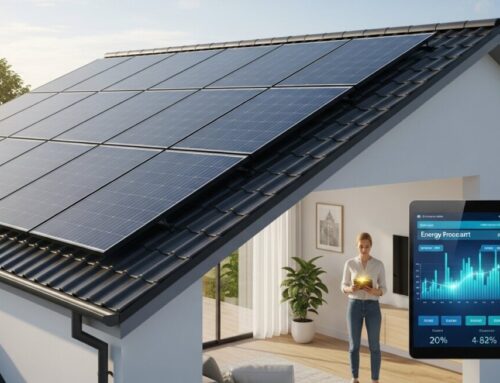
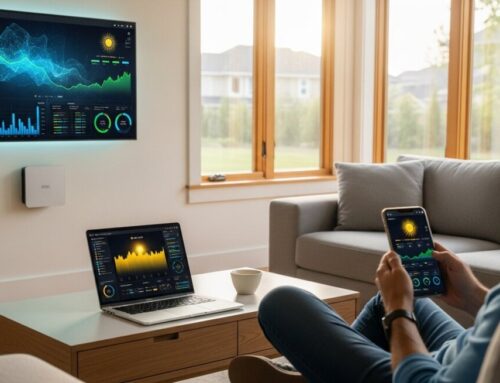
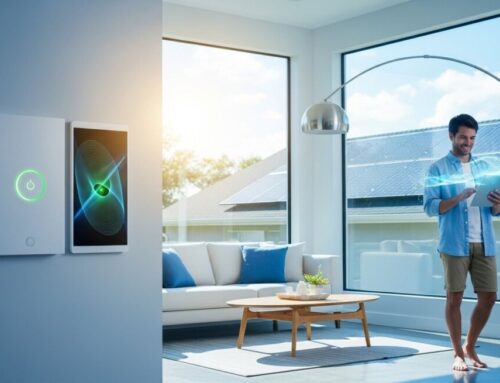
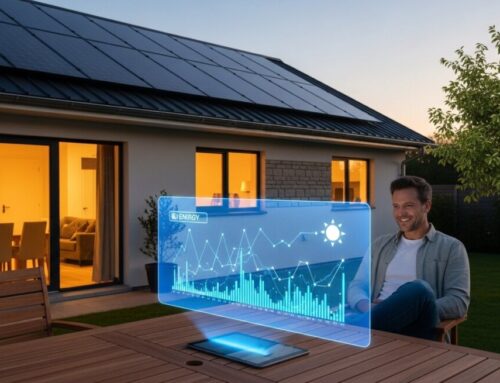
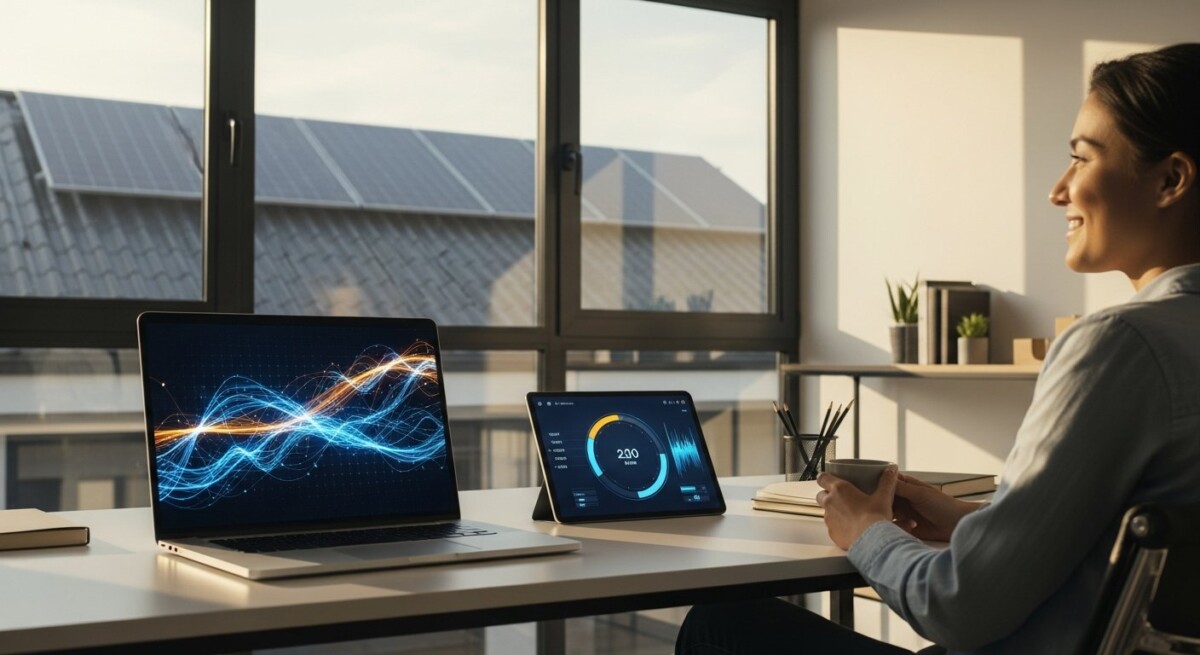
At its simplest, ai solar energy optimization means using artificial intelligence to make your solar system work harder for you. Instead of just installing panels and hoping for the best, AI-powered software analyzes weather patterns, your home’s energy usage, and grid pricing in real time.
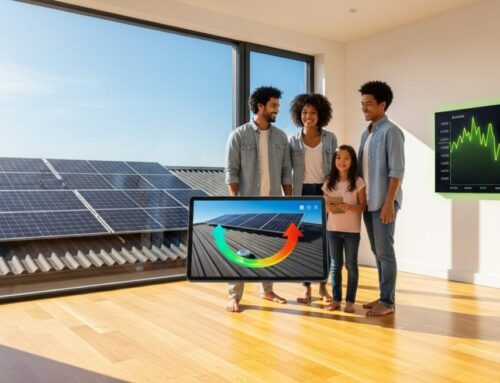
The system then automatically adjusts how your solar energy is stored, used, or sent back to the utility. This optimization can increase your savings by 10,30 percent compared to a standard solar setup, according to industry studies.
More homeowners are turning to this technology because it removes guesswork. You do not need to manually shift when you run your dishwasher or charge your electric car. The AI handles those decisions, learning your habits and adapting to maximize every kilowatt-hour your panels produce.
Why Solar Energy Is Becoming More Popular
Electricity rates have risen by an average of 4,5 percent per year over the past decade. For a typical household, that adds hundreds of dollars to annual expenses. Solar energy offers a way to lock in a lower, more predictable rate for decades.
Beyond financial reasons, many homeowners want to reduce their carbon footprint. Solar power produces clean electricity without emissions, helping protect the environment for future generations. This combination of savings and sustainability has made solar the fastest-growing energy source in the United States.
Government incentives also make the switch more affordable. Federal tax credits, state rebates, and net metering programs can reduce your upfront cost by 30 percent or more. These incentives, combined with falling panel prices, mean solar is more accessible than ever.
If you are considering solar power for your home, comparing installation quotes can help you understand your options. Request a free solar quote or call to learn more.
Common Questions Homeowners Have About Solar
Many homeowners worry about the upfront cost of solar panels. While the initial investment can be significant, financing options like solar loans and leases make it possible to go solar with little or no money down.
Another frequent concern is roof suitability. Not every roof works well for solar, but most do. A professional installer will evaluate your roof’s age, material, and orientation during a free assessment to determine if solar is a good fit.
Performance questions also come up often. Solar panels are durable and require minimal maintenance. Most come with 25-year warranties, and their efficiency degrades slowly , typically less than 0.5 percent per year.
- How much does a solar system cost for an average home?
- Will solar panels work during cloudy days or winter?
- How long does installation take from start to finish?
- What happens if I produce more energy than I use?
- Can I add batteries to store extra energy for nighttime?
How Solar Panel Installation Works
The solar installation process is simpler than most homeowners expect. It typically takes one to three months from the initial consultation to the day your system starts producing power.
Professional installers handle every step, from permits and paperwork to mounting panels and connecting to the grid. This means you do not have to navigate complex regulations or worry about safety risks.
Here are the main steps in a typical solar installation:
- Home energy assessment: An installer reviews your past electric bills and checks your roof’s condition and sun exposure.
- System design: Engineers create a custom layout that maximizes energy production for your specific roof.
- Permits and approvals: The installer handles all required permits and utility approvals.
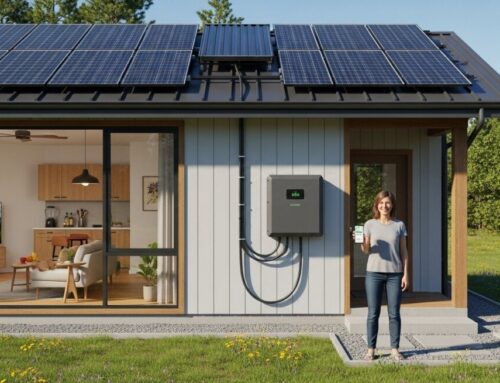
- Panel installation: A crew mounts the panels, installs wiring, and sets up the inverter or battery system.
- System activation: After final inspections, your system is turned on and begins generating electricity.
Speaking with experienced installers can help you determine the best solar solution for your home. Compare solar quotes here or call to explore available options.
Signs Your Home May Be Ideal for Solar
Not every home is perfectly suited for solar, but many are. The best candidates have roofs that face south or west and receive direct sunlight for most of the day.
Homes with high electricity bills benefit the most because solar offsets more expensive utility power. If you plan to stay in your home for five years or longer, the long-term savings typically outweigh the upfront cost.
- Your roof gets at least 4,5 hours of direct sunlight daily.
- Your monthly electricity bill is $100 or more.
- You have a south- or west-facing roof with minimal shading.
- Your roof is less than 15 years old and in good condition.
- You plan to stay in your home for at least five more years.
- Your local utility offers net metering or favorable solar policies.
What Affects Solar Installation Costs
The size of your solar system is the biggest cost factor. A larger system that covers 100 percent of your electricity needs costs more upfront but delivers greater long-term savings.
Equipment quality also matters. Premium panels and inverters cost more but often produce more power and last longer. Choosing the right balance between price and quality is where a good installer adds value.
Installation complexity can raise costs if your roof is steep, has multiple angles, or requires structural reinforcement. Local incentives and rebates can offset these expenses, so it pays to research what programs are available in your area.
The cost of solar installation varies depending on your home and energy needs. Request personalized solar quotes or call to see what options are available.
Tips for Choosing a Reliable Solar Installer
Selecting the right installer is just as important as choosing the right equipment. A reputable company will guide you through the process, handle permits, and provide ongoing support if issues arise.
Start by getting at least three quotes from licensed, insured installers. Comparing proposals side by side helps you spot differences in equipment, pricing, and warranty terms. In our guide on how to use AI for solar energy, we explain how smart technology can further boost your savings.
- Check the installer’s experience and number of years in business.
- Look for strong warranties on panels (25 years) and workmanship (10+ years).
- Read customer reviews on Google, Yelp, or the Better Business Bureau.
- Compare at least three quotes to ensure competitive pricing and terms.
- Ask about financing options, including loans, leases, and power purchase agreements.
Long-Term Benefits of Installing Solar Panels
The most obvious benefit is lower electricity bills. Many homeowners cut their monthly costs by 50,90 percent, and some eliminate their electric bill entirely with a properly sized system and net metering.
Solar panels also increase your home’s resale value. Studies show that homes with solar sell for about 4 percent more than comparable non-solar homes. Buyers are willing to pay a premium for lower utility costs and energy independence.
Environmentally, every kilowatt-hour of solar energy reduces carbon emissions. Over a 25-year lifespan, a typical residential system offsets as much CO2 as planting 100 trees. For homeowners who value sustainability, that impact matters. To explore how modern tools can maximize your return, check out our post on AI tools for solar energy to save more on your electric bill.
Energy independence is another key advantage. With solar plus battery storage, you can keep your lights on during grid outages and protect your family from future rate hikes.
FAQs About AI Solar Energy Optimization
What exactly is AI solar energy optimization?
AI solar optimization uses artificial intelligence to manage your solar system’s production, storage, and consumption. It analyzes weather forecasts, your energy habits, and utility rates to decide when to use solar power, store it in batteries, or sell it back to the grid. The system learns over time, becoming more efficient at saving you money.
How much can AI optimization really save me?
Homeowners who add AI optimization to their solar systems typically see 10,30 percent more savings compared to standard solar setups. The exact amount depends on your local electricity rates, net metering policies, and how much energy you use during peak hours. Over the system’s lifetime, that can mean thousands of extra dollars in savings.
Do I need special equipment to use AI with my solar panels?
Most modern solar inverters and battery systems are compatible with AI optimization software. Your installer can recommend the right hardware and configure the AI platform during installation. Retrofitting an existing system is also possible in many cases.
Will AI solar optimization work if I don’t have batteries?
Yes, AI optimization still provides benefits without battery storage. It can shift your heavy energy usage to times when solar production is highest, reducing the amount of electricity you pull from the grid. Batteries do increase savings by storing excess energy for evening use.
Is AI solar technology complicated to use at home?
Not at all. The AI runs automatically in the background, and most systems include a simple app that shows your energy production and savings. You can override settings if you want, but the system is designed to work without any daily effort on your part.
How do I find an installer who offers AI optimization?
When you compare quotes, ask each installer whether they offer AI-enabled inverters or energy management systems. Reputable companies will be transparent about their technology and explain how it benefits your specific home. Getting multiple quotes helps you find the best combination of equipment and service.
Does AI optimization work with any solar panel brand?
Most AI optimization platforms are compatible with major solar panel brands like LG, SunPower, and Canadian Solar. The key component is the inverter or energy management system that controls how power flows. Your installer can match the right hardware to your chosen panels.
Will AI solar technology become obsolete quickly?
AI platforms receive software updates over the air, similar to how your smartphone updates. This means your system can improve over time without requiring new hardware. Manufacturers design these systems to remain compatible with evolving grid and utility requirements.
Solar energy offers a practical path to lower bills, greater independence, and a cleaner environment. By understanding your options and comparing quotes from trusted professionals, you can find a solution that fits your home and budget. Start exploring solar installation quotes today to see how much you could save.