How AI Reduces Energy Waste and Cuts Solar Costs
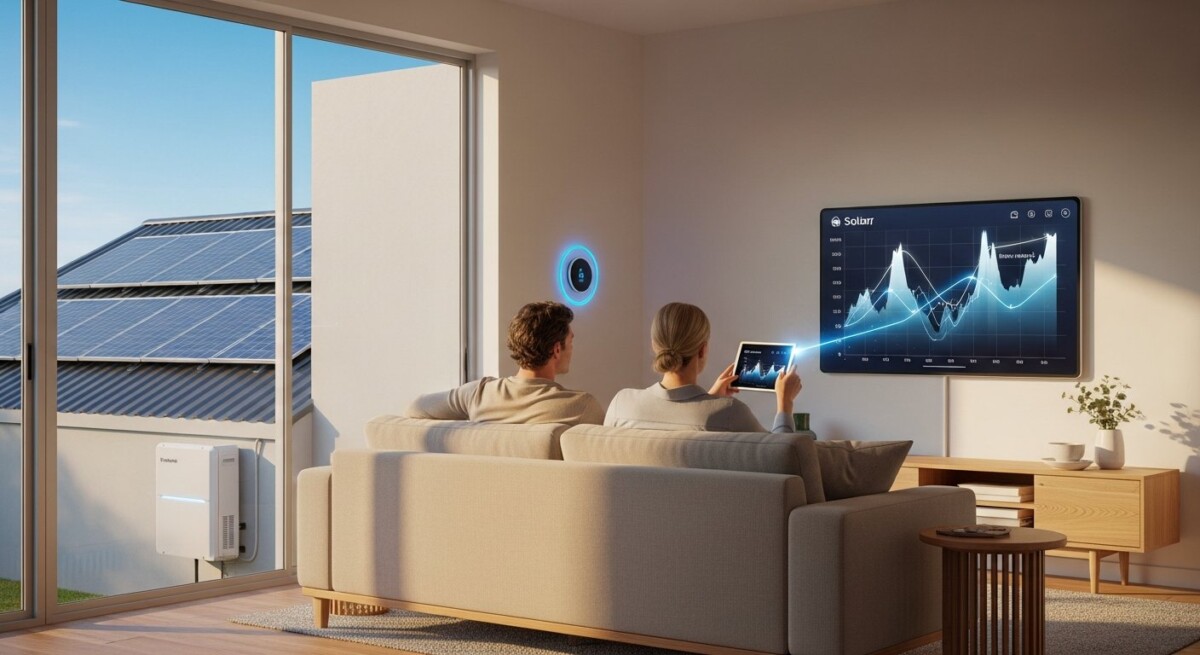
You open your monthly electricity bill and feel a familiar knot in your stomach. Rates keep climbing, and it seems like there is little you can do to stop the trend. Many homeowners are now searching for how AI reduces energy waste because they want to cut costs and take control of their power use. The idea of shrinking your electricity bills while becoming less dependent on the grid is more appealing than ever. That is where smart technology meets solar energy, offering a practical path to long-term savings.
Understanding how ai reduces energy waste
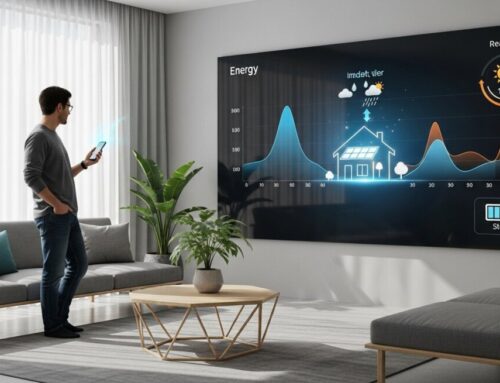
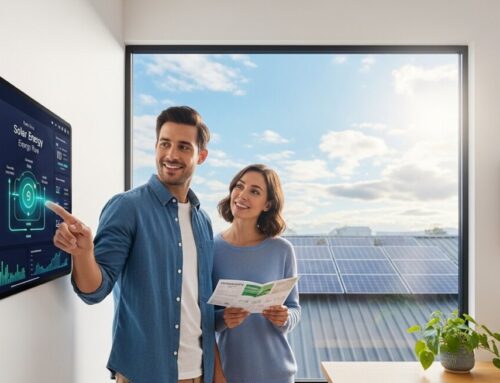
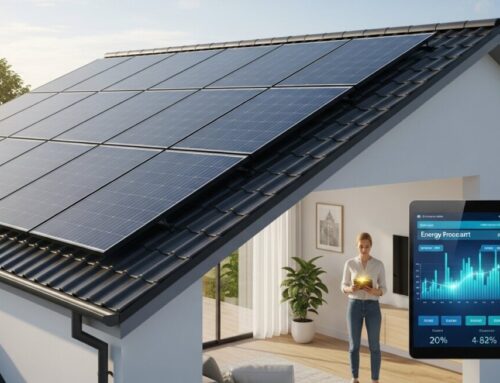
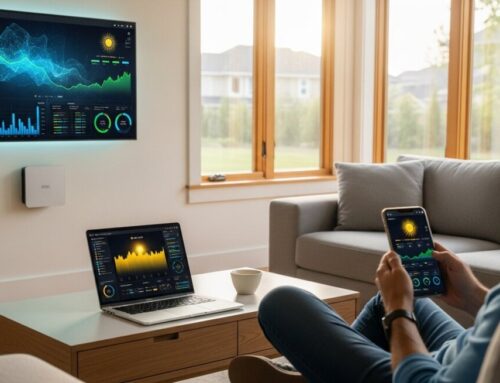
Artificial intelligence may sound complex, but its role in home energy management is surprisingly simple. AI systems learn your household’s daily patterns,when you wake up, when you cook dinner, and when you run the washing machine. Then they automatically adjust your solar energy use to match those habits, so you waste less power and save more money.
Think of it as a smart brain for your solar panels. During the day, your panels generate electricity, but you might not be home to use it. AI can shift that extra energy to charge a battery or pre-cool your house before peak hours, reducing what you pull from the grid. Over time, these small adjustments add up to significant savings on your monthly bills.
More homeowners are turning to AI-driven solar systems because they eliminate guesswork. Instead of manually timing your appliances or wondering if you are using energy efficiently, the system does it for you. This hands-off approach makes solar power more effective and gives you peace of mind.
Why Solar Energy Is Becoming More Popular
Electricity prices have risen steadily over the past decade, and there is no sign of them slowing down. Homeowners are looking for ways to lock in lower rates and protect themselves from future hikes. Solar energy offers that stability by letting you generate your own power instead of buying it from the utility company.
Beyond financial reasons, many people are motivated by environmental concerns. Solar panels produce clean, renewable energy that reduces your carbon footprint. You can power your home while knowing you are contributing to a healthier planet for future generations.
Long-term savings are another major draw. While solar panels require an upfront investment, they typically pay for themselves within 6 to 10 years through lower electricity bills. After that, the energy they produce is essentially free, putting hundreds of dollars back in your pocket each year.
If you are considering solar power for your home, comparing installation quotes can help you understand your options. Request a free solar quote or call 1-800-SOLAR to learn more.
Common Questions Homeowners Have About Solar
Many homeowners worry about the upfront cost of solar installation. The good news is that prices have dropped significantly in recent years, and federal tax credits can cover 30% of your system cost. With multiple financing options available, going solar is more accessible than ever.
Roof suitability is another frequent concern. Not every roof is ideal, but most homes can accommodate solar panels if they have enough unshaded space. A professional installer can assess your roof’s orientation, pitch, and condition to determine the best setup.
System performance also raises questions. You might wonder how panels perform on cloudy days or during winter. Modern solar panels still generate electricity in less-than-perfect conditions, and net metering programs let you earn credits for excess power you send back to the grid.
- How much does a solar system cost for an average home?
- Will solar panels work on a shaded roof?
- What happens during a power outage?
- How long do solar panels last?
- Do I need a battery with my solar system?
- Can I install solar panels myself to save money?
How Solar Panel Installation Works
The installation process is more straightforward than most people expect. It starts with a home energy assessment, where an installer reviews your electricity usage and examines your roof. This step ensures the system is sized correctly for your needs.
Next comes system design and obtaining permits. Your installer handles the paperwork with your local government and utility company, which simplifies the process for you. Once approvals are in place, the physical installation usually takes one to three days.
- Home energy assessment to evaluate your usage and roof condition.
- System design tailored to your home and energy goals.
- Permits and approvals secured by your installer.
- Panel installation on your roof or ground mount.
- System activation and connection to the grid.
Speaking with experienced installers can help you determine the best solar solution for your home. Compare solar quotes here or call 1-800-SOLAR to explore available options.
Signs Your Home May Be Ideal for Solar
Homes with strong, direct sunlight for most of the day are prime candidates for solar panels. South-facing roofs with minimal shading capture the most energy, but east and west exposures can also work well. Your installer will measure your site’s solar potential during the assessment.
High electricity bills are another strong indicator. If you pay more than $100 per month on average, solar can likely reduce that amount significantly. The more energy you use, the faster your system pays for itself.
- Your roof receives at least four hours of direct sunlight daily.
- Your monthly electricity bills are consistently high.
- You have ample unshaded roof space, ideally facing south.
- You plan to stay in your home for at least five to seven years.
- Your roof is in good condition or recently replaced.
What Affects Solar Installation Costs
The size of your system is the biggest factor in total cost. A larger system that covers most of your electricity needs will cost more upfront, but it also delivers greater long-term savings. Your installer will help you find the right balance between cost and energy production.
Equipment quality also plays a role. Higher-efficiency panels and premium inverters cost more but often come with better warranties and longer lifespans. In addition, installation complexity,such as a steep roof or older electrical panel,can add to the labor cost.
Local incentives can reduce your out-of-pocket expense substantially. Federal tax credits, state rebates, and net metering programs vary by location, so it pays to research what is available in your area. A good installer will help you navigate these opportunities.
The cost of solar installation varies depending on your home and energy needs. Request personalized solar quotes or call 1-800-SOLAR to see what options are available.
Tips for Choosing a Reliable Solar Installer
Finding a trustworthy installer is just as important as choosing the right equipment. Start by reviewing each company’s experience and track record. Installers who have been in business for several years and have completed hundreds of projects are more likely to deliver quality work.
Warranties are another critical consideration. Look for a comprehensive warranty that covers both the equipment and the installation workmanship. A strong warranty protects your investment and gives you confidence that your system will perform as promised.
- Check the installer’s licensing, insurance, and certifications.
- Read customer reviews on independent platforms like Google or the Better Business Bureau.
- Ask about equipment warranties and workmanship guarantees.
- Compare at least three quotes to ensure you get a fair price.
- Request references from past customers with similar homes.
Long-Term Benefits of Installing Solar Panels
Lower electricity bills are the most immediate reward. Once your panels are generating power, you will see a noticeable drop in what you owe the utility company each month. Over 20 to 25 years, those savings can total tens of thousands of dollars.
Your home’s value also gets a boost. Studies show that homes with solar panels sell for more than comparable homes without them. Buyers are attracted to the promise of lower energy costs and a smaller environmental footprint.
Energy independence is another powerful benefit. Generating your own electricity means you are less vulnerable to rate increases and grid outages. With a battery backup, you can keep essential appliances running even when the neighborhood loses power.
Frequently Asked Questions
How does AI reduce energy waste in a solar home?
AI learns your daily routines and automatically manages your solar energy use. It shifts power to when you need it most, stores excess energy in batteries, and reduces reliance on the grid. This smart optimization cuts waste and lowers your electricity bills.
Will solar panels work on my roof if it is old?
If your roof is near the end of its lifespan, most installers recommend replacing it before adding solar panels. This prevents the hassle and cost of removing and reinstalling panels later. A professional assessment will tell you if your roof is ready.
How long do solar panels last?
Most solar panels come with a 25-year performance warranty and continue producing electricity well beyond that. They typically degrade at a rate of about 0.5% per year, so after 25 years they still operate at around 87% of their original capacity.
Can I save money without installing a battery?
Yes, you can still save significantly without a battery. Net metering allows you to send excess power to the grid and earn credits, which you can use at night or on cloudy days. Batteries add energy independence but are not required for savings.
What government incentives are available for solar?
The federal solar tax credit lets you deduct 30% of your installation cost from your federal taxes. Many states and local utilities offer additional rebates, performance payments, or property tax exemptions. Your installer can help you find incentives in your area.
How do I know if I am getting a fair price for solar?
The best way to ensure a fair price is to compare quotes from multiple installers. Look at the total cost, equipment quality, and warranty terms side by side. Avoid high-pressure sales tactics and take your time to make an informed decision.
Do solar panels require a lot of maintenance?
Solar panels require very little maintenance. Rain usually washes away dust and debris, but you may need an occasional cleaning if you live in a dry or dusty area. Most systems come with monitoring software that alerts you to any performance issues.
Will solar panels work during a power outage?
Standard grid-tied solar systems shut off during an outage for safety reasons. If you want backup power, you need a battery storage system that can island your home. This allows you to keep lights and essential appliances running when the grid is down.
Exploring solar energy is a smart step toward lower bills and greater energy independence. By comparing installation quotes from trusted professionals, you can find a system that fits your home and budget. Request your free solar quotes today and take the first step toward a cleaner, more affordable energy future.