How Solar Monitoring Tools With AI Cut Your Electricity Bills
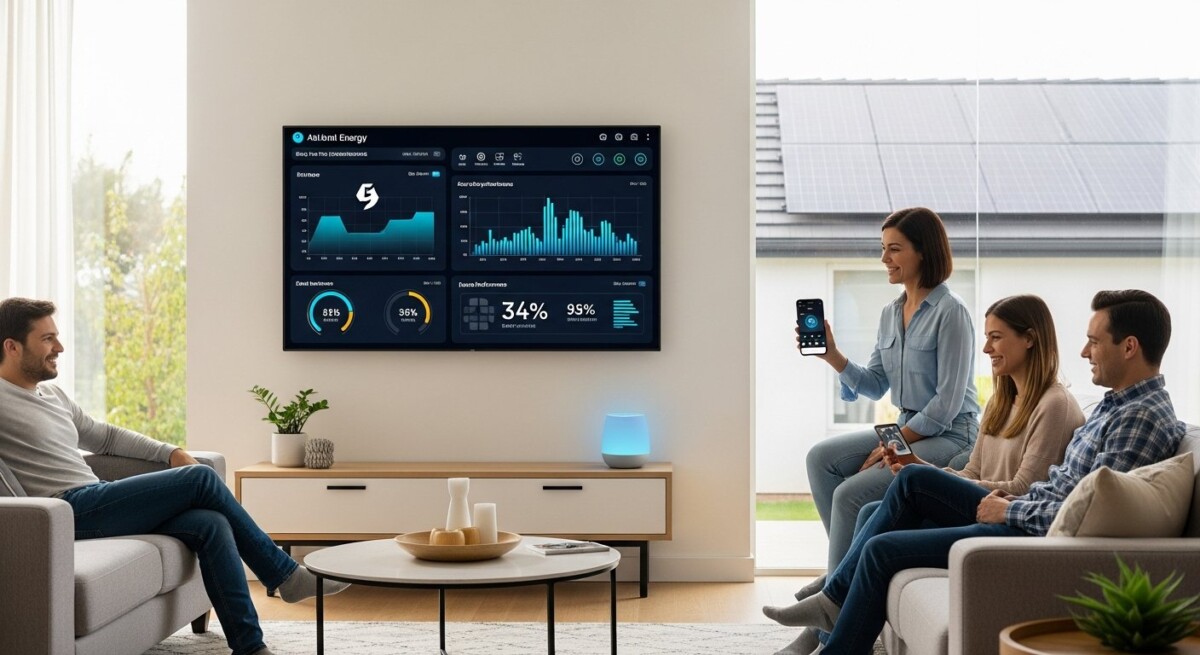
Your electricity bill keeps climbing, and you are not alone. Many homeowners now search for solar monitoring tools with ai to take control of their energy costs. These smart systems help you track every kilowatt your panels produce, spot problems early, and maximize savings. The goal is simple: reduce your monthly bills and become less dependent on the power grid.
Understanding solar monitoring tools with ai
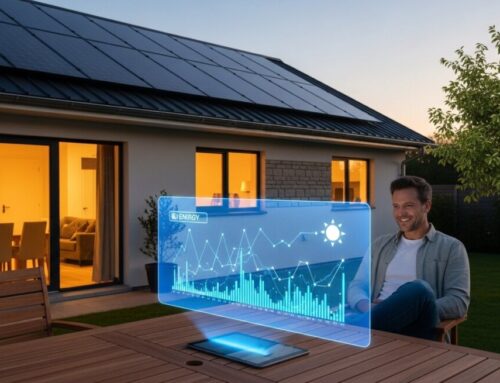
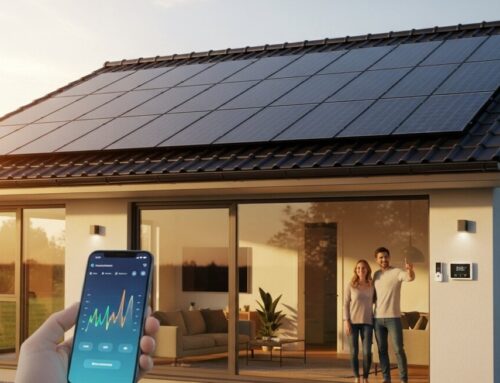
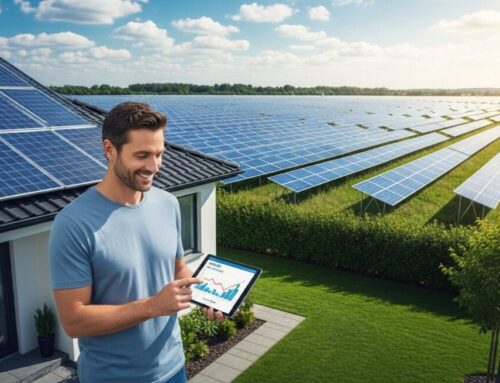
Solar monitoring tools with ai use artificial intelligence to track your solar panel performance in real time. Unlike basic monitors that just show energy production, these smart tools analyze data, detect shading, equipment faults, or weather impacts, and send you alerts. Think of it as a personal energy assistant that never sleeps.
AI-powered monitoring connects to your inverter or a small device on your breaker panel. It learns your home’s energy patterns and compares them to weather forecasts and historical data. When something goes wrong,like a panel underperforming,the system notifies you instantly, so you can fix it fast and avoid lost savings.
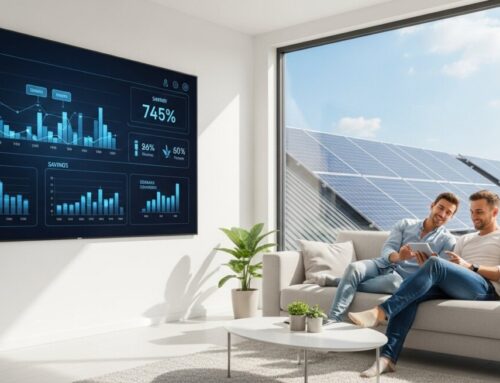
More homeowners are choosing these tools because they turn raw data into clear, actionable insights. You can see exactly how much money you are saving, when your system produces the most power, and whether your panels need cleaning or maintenance. This transparency builds trust and helps you get the most from your solar investment.
Why Solar Energy Is Becoming More Popular
Rising electricity prices are pushing more families to consider solar power. Over the past decade, the average cost of grid electricity has increased steadily, while solar panel prices have dropped significantly. Switching to solar now locks in lower energy costs for decades.
Environmental concerns also play a big role. Solar energy produces no carbon emissions, reduces reliance on fossil fuels, and helps fight climate change. Many homeowners feel good knowing their panels generate clean, renewable power every day.
Long-term savings are hard to ignore. A typical residential solar system can pay for itself in 6 to 10 years, then deliver free electricity for another 15 to 20 years. Add in federal tax credits and local rebates, and the financial case becomes even stronger.
If you are considering solar power for your home, comparing installation quotes can help you understand your options. Request a free solar quote or call to learn more.
Common Questions Homeowners Have About Solar
Many homeowners worry about the upfront cost of solar panels. While a full system can cost $15,000 to $25,000 before incentives, financing options and tax credits make it more affordable. The federal solar tax credit currently covers 30% of the total cost.
Roof suitability is another common concern. Most roofs with at least 20 years of life left, good sun exposure, and a south-facing slope work well. A professional installer can evaluate your roof during a free site visit.
System performance questions often come up, especially in cloudy climates. Modern panels still produce electricity on overcast days, just at a lower rate. AI monitoring tools help you track real-time output so you never wonder if your system is working.
- How much does a solar system cost? The price varies by size, equipment, and location, but most homeowners pay between $2.50 and $3.50 per watt.
- Will solar panels work on my roof? Most roofs with good sun exposure and enough space are suitable. A professional assessment gives you a clear answer.
- How long do solar panels last? Quality panels come with 25-year performance warranties and often produce power for 30 years or more.
- What happens during a power outage? Standard grid-tied systems shut down for safety. Adding a battery lets you keep the lights on.
- Do I need to clean my panels? Rain usually keeps them clean. In dusty areas, occasional rinsing helps maintain efficiency.
- Are there government incentives? Yes, the federal tax credit and many state rebates can reduce your costs significantly.
How Solar Panel Installation Works
Solar installation is a straightforward process when you work with a professional installer. Most projects take one to three days for the physical installation, with a few weeks of preparation beforehand.
Your installer handles everything from design to permits to final connection. This removes the stress and guesswork for you. In our guide on comparing AI solar monitoring tools, we explain how to choose the right system for your home.
- Home energy assessment: Your installer reviews your past electric bills and evaluates your roof to size the system correctly.
- System design: Using satellite images and on-site measurements, the installer creates a custom layout for your panels.
- Permits and approvals: The company files all necessary permits with your city and utility company. This can take one to four weeks.
- Panel installation: Crews mount the racking system, install the panels, and connect the inverter. This typically takes one to three days.
- System activation: After final inspection and utility approval, your system goes live and starts producing power.
Speaking with experienced installers can help you determine the best solar solution for your home. Compare solar quotes here or call to explore available options.
Signs Your Home May Be Ideal for Solar
Not every home is a perfect candidate for solar, but many are. If you have high electricity bills and a roof that gets direct sunlight for most of the day, you are likely a good fit.
Your roof condition matters too. Asphalt shingle roofs with at least 15 years of life left work well. If you plan to replace your roof soon, doing it before solar installation saves money and hassle.
- Strong sunlight exposure: South-facing roofs with little to no shade produce the most energy.
- High electricity bills: If you pay more than $100 per month, solar can likely reduce your costs.
- Suitable roof space: You need roughly 300 to 400 square feet of unshaded roof for a typical system.
- Long-term home ownership plans: Solar pays off best when you stay in your home for at least 5 to 7 years.
- Local net metering policies: Many utilities credit you for excess power sent to the grid, increasing your savings.
- Good roof condition: A roof in good shape avoids extra removal and reinstallation costs later.
What Affects Solar Installation Costs
Solar system size is the biggest cost driver. A larger system that covers 100% of your electricity needs costs more upfront but delivers higher long-term savings. Most homeowners choose a system sized to offset 80 to 100 percent of their annual usage.
Equipment quality also matters. Premium panels and inverters cost more but often come with better warranties and higher efficiency. AI monitoring tools add a small upfront cost but can save you hundreds of dollars annually by catching performance issues early. For more details, read our breakdown of AI solar monitoring explained.
Installation complexity affects pricing too. Simple, single-story roofs with easy access cost less to install than complex, steep, or multi-story roofs. Local incentives, including state rebates and tax credits, can reduce your net cost by 30% or more.
The cost of solar installation varies depending on your home and energy needs. Request personalized solar quotes or call to see what options are available.
Tips for Choosing a Reliable Solar Installer
Choosing the right installer is just as important as choosing the right equipment. A reputable company ensures your system is designed correctly, installed safely, and supported with strong warranties.
Start by getting at least three quotes from different installers. This lets you compare equipment options, pricing, and customer service. Avoid any company that pressures you to sign immediately or offers a deal that seems too good.
- Review installer experience: Look for companies with at least five years in business and hundreds of completed installations.
- Check warranties: Good installers offer a 10-year workmanship warranty and help you with panel and inverter warranty claims.
- Read customer reviews: Check Google, Yelp, and the Better Business Bureau for real feedback from past customers.
- Compare multiple quotes: Prices and equipment can vary widely. Comparing quotes helps you find the best value.
- Verify licensing and insurance: Make sure the installer is licensed in your state and carries liability and workers’ compensation insurance.
- Ask about AI monitoring: Inquire whether the installer includes or offers AI-powered monitoring tools to track your system’s performance.
Long-Term Benefits of Installing Solar Panels
The most obvious long-term benefit is lower electricity bills. Once your system is paid off, your monthly electric cost drops to near zero, saving you tens of thousands of dollars over the life of the panels. AI monitoring tools help ensure you actually achieve those savings by keeping your system running at peak efficiency.
Solar panels also increase your home’s value. Studies show that homes with solar sell for 4% to 6% more than comparable homes without solar. Buyers value the lower utility costs and the environmental benefits.
Energy independence is another major advantage. With solar plus battery storage, you can keep your lights on during grid outages and reduce your reliance on utility companies. And every kilowatt of solar power you generate reduces carbon emissions, helping create a cleaner planet for future generations.
What does a solar monitoring tool do?
A solar monitoring tool tracks how much electricity your panels generate in real time. AI-enhanced versions analyze that data to detect performance issues, predict maintenance needs, and show you exactly how much money you are saving each day.
How do AI solar monitors save me money?
AI monitors catch problems like shading, inverter faults, or dirty panels before they cost you significant energy production. By alerting you early, they help you fix issues quickly and keep your system running at peak efficiency, which maximizes your electricity bill savings.
Do I need a battery with my solar panels?
A battery is optional but highly recommended if you want backup power during outages or want to store excess energy for nighttime use. Without a battery, you still save money during the day and earn credits through net metering.
How long does it take to install solar panels?
Physical installation typically takes one to three days. The entire process, including permits and utility approval, usually takes four to eight weeks from signing the contract to activation.
What maintenance do solar panels need?
Solar panels require very little maintenance. In most climates, rain keeps them clean. You may need to have them inspected every few years and cleaned if dust or debris accumulates. AI monitoring alerts you if performance drops.
Can I install solar panels myself to save money?
DIY installation is possible but risky. Most homeowners are better off hiring professionals because they handle permits, ensure safety, and qualify for warranties. Mistakes can cost more than the savings from doing it yourself.
Will solar panels work during a blackout?
Standard grid-tied solar systems shut down during a blackout to protect utility workers. If you want backup power, you need a battery system paired with your solar panels.
How do I get started with solar?
The best first step is to compare quotes from multiple installers. They will assess your home, answer your questions, and provide a clear cost and savings estimate. Comparing quotes helps you find the best equipment and pricing for your situation.
Solar monitoring tools with ai make it easier than ever to track your energy production and maximize your savings. Whether you are just starting your research or ready to get quotes, comparing installation options from trusted professionals is the smartest way to move forward. Take the first step today and see how much you could save.