Solar Energy for Industrial Use: Slash Your Electric Bill
You open your monthly electric bill and feel a familiar sting. Rates keep climbing, and it seems like there is no end in sight. Many homeowners are now looking for smarter ways to power their homes,and they are discovering that solar energy for industrial use offers a practical solution. By harnessing the sun’s power, you can reduce your monthly bills, gain energy independence, and take control of your home’s energy future. This article walks you through everything you need to know, from how solar works to comparing installation quotes.
Understanding solar energy for industrial use
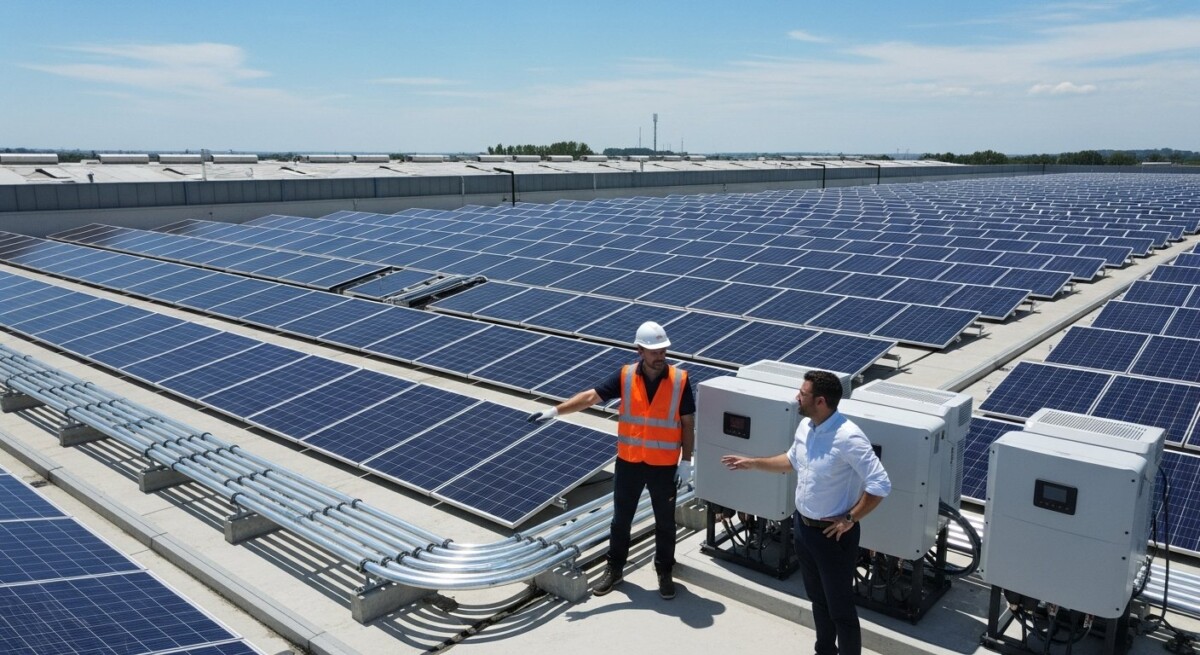
Solar energy for industrial use refers to large-scale solar systems designed to generate significant amounts of electricity,often for factories, warehouses, or even large homes with high energy demands. These systems use photovoltaic (PV) panels to convert sunlight directly into electricity. The technology is the same as residential solar panels, just scaled up to handle heavier loads.
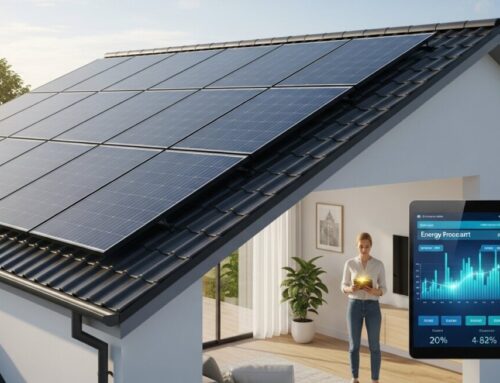
How does it work? Sunlight hits the solar panels, creating direct current (DC) electricity. An inverter then converts that DC power into alternating current (AC), which your home and appliances can use. Any extra electricity can be sent back to the grid, often earning you credits through net metering. More homeowners are considering this approach because it offers the same benefits as smaller systems,lower bills and energy independence,but with greater capacity to offset high usage.
Key components of a solar system
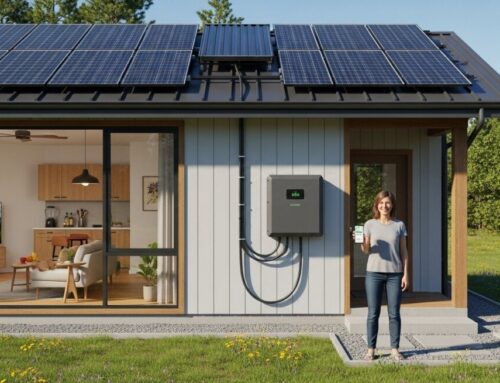
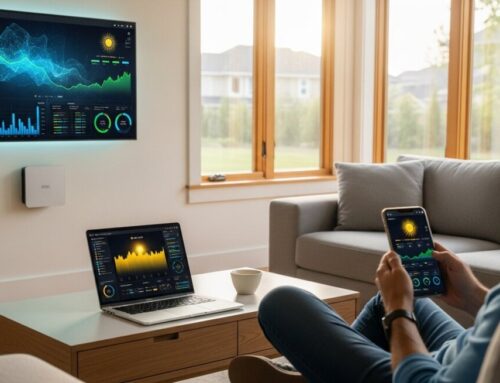
Every solar setup includes solar panels, an inverter, mounting hardware, and a monitoring system. For larger systems, you may also need battery storage to save excess energy for nighttime or cloudy days. Understanding these parts helps you evaluate quotes and choose the right system for your home.
Why solar energy is becoming more popular
Rising electricity prices are the top reason homeowners switch to solar. As utility rates increase, locking in a fixed energy cost with solar becomes more attractive. Environmental concerns also play a role,solar power produces no emissions, helping you shrink your carbon footprint. Long-term savings are another major factor: over 20 to 25 years, a solar system can save you tens of thousands of dollars.
Government incentives sweeten the deal. The federal solar tax credit allows you to deduct 30% of your installation costs from your taxes. Many states and local utilities offer additional rebates or performance-based incentives. These financial benefits make solar more accessible than ever, and professional installers can help you navigate them.
If you are considering solar power for your home, comparing installation quotes can help you understand your options. Request a free solar quote or call to learn more.
Common questions homeowners have about solar
Many homeowners worry about the upfront cost of solar panels. While the initial investment can be significant, financing options like solar loans and leases make it affordable. Roof suitability is another common concern,solar panels work best on south-facing roofs with little shade, but modern panels are efficient enough to perform well on east or west-facing roofs too.
System performance is also a frequent topic. Solar panels are durable and require minimal maintenance,just occasional cleaning and an annual inspection. Most panels come with 25-year warranties, and inverters typically last 10 to 15 years. Here are some other common questions homeowners ask:
- Will solar work during cloudy days or winter?
- How long does installation take?
- Do I need a battery?
- Can I add more panels later?
How solar panel installation works
Installing solar panels is a straightforward process when done by professionals. It starts with a home energy assessment, where an installer reviews your electricity bills and evaluates your roof. Then they design a system tailored to your energy needs and roof layout. After that, they handle permits and approvals, which can vary by city or county.
The actual installation usually takes one to three days, depending on system size. Once the panels are mounted and wired, a final inspection is performed, and the system is connected to the grid. Then you flip the switch and start generating your own power. Here are the typical steps:
- Home energy assessment and roof inspection
- System design and equipment selection
- Permitting and utility approvals
- Panel installation and wiring
- System activation and monitoring setup
Speaking with experienced installers can help you determine the best solar solution for your home. Compare solar quotes here or call to explore available options.
Signs your home may be ideal for solar
Not every home is a perfect candidate for solar, but many are. The most important factor is strong sunlight exposure,roofs that face south and get direct sun for most of the day are ideal. High electricity bills are another sign: if you pay more than $100 per month, solar can likely save you money. Suitable roof space is also critical. You need enough clear, unshaded area to mount the panels.
If you plan to stay in your home for the next five to ten years or more, solar becomes a smart investment. Homes with newer roofs (less than 10 years old) are also great candidates because you won’t need to replace the roof soon after installation. Look for these indicators:
- Strong, direct sunlight for at least 4,5 hours per day
- Monthly electricity bills above $100,$150
- At least 300,500 square feet of unshaded roof space
- Roof in good condition or recently replaced
- Plans to stay in your home for 5+ years
What affects solar installation costs
Solar installation costs vary based on several factors. System size is the biggest driver: larger systems with more panels cost more upfront but generate more savings. Equipment quality also matters,premium panels and inverters last longer and perform better, but they come at a higher price. Installation complexity, such as roof pitch or wiring challenges, can add to labor costs.
Local incentives can significantly lower your net cost. The federal tax credit, state rebates, and utility programs can reduce your out-of-pocket expense by 30% to 50% or more. To get an accurate picture, it is essential to compare multiple quotes from certified installers. In our guide on how to use AI for solar energy to slash your electric bill, we explain how technology can help you find the best deal.
The cost of solar installation varies depending on your home and energy needs. Request personalized solar quotes or call to see what options are available.
Tips for choosing a reliable solar installer
Choosing the right installer is just as important as choosing the right equipment. Start by reviewing the installer’s experience,look for companies that have been in business for at least five years and have installed systems similar to what you need. Check warranties: a good installer offers a workmanship warranty (typically 5,10 years) in addition to the manufacturer’s equipment warranties. Reading customer reviews on platforms like Google, Yelp, or the Better Business Bureau can reveal how responsive and reliable a company is.
Comparing multiple quotes is the single best way to avoid overpaying. Each installer will have different pricing, equipment options, and financing proposals. Seeing three to five quotes side by side helps you spot the best value. For more insights, check out our article on AI tools for solar energy: save more on your electric bill.
- Look for certified installers (NABCEP or similar)
- Ask about workmanship and equipment warranties
- Read recent customer reviews and testimonials
- Request at least three detailed quotes
- Ensure the installer handles permits and inspections
Long-term benefits of installing solar panels
The long-term advantages of solar panels go beyond just lower electricity bills. Over the 25,30 year lifespan of a typical system, you can save between $20,000 and $50,000 or more, depending on your location and energy use. Solar panels also increase your home’s resale value,studies show that homes with solar sell for a premium compared to those without.
On the environmental side, a typical residential solar system offsets about 3 to 4 tons of carbon dioxide per year, equivalent to planting over 100 trees annually. And by generating your own power, you become less vulnerable to grid outages and utility rate hikes. Energy independence is a powerful feeling,you produce your own clean electricity, rain or shine.
How does solar energy for industrial use affect my home?
While the term “industrial use” might sound large-scale, the same principles apply to residential systems sized for high-energy homes. You get robust performance, durable equipment, and the same financial incentives. Professional installers can help you choose a system that matches your specific consumption patterns.
What is the average payback period for solar panels?
The average payback period is 6 to 10 years, depending on your electricity rates, system cost, and available incentives. After that, your electricity is essentially free for the remaining life of the system. Your installer can run a personalized payback analysis.
Do I need a battery with my solar system?
No, a battery is optional. If you have net metering, you can send excess power to the grid and draw from it at night. Batteries are useful if you want backup power during outages or if you want to maximize self-consumption.
Will solar panels damage my roof?
Properly installed solar panels actually protect the roof area they cover from sun and rain. Installers use mounting systems that seal around roof penetrations. A reputable installer will also inspect your roof beforehand to ensure it is in good condition.
How much maintenance do solar panels require?
Solar panels require very little maintenance. Rain typically washes away dust and dirt. You may need an occasional cleaning in dry climates, and an annual professional inspection is recommended to ensure everything is working optimally.
Can I go completely off-grid with solar?
Going off-grid is possible but requires a large battery bank and careful energy management. Most homeowners stay connected to the grid to use net metering and have backup power when needed. Your installer can help you decide what makes sense for your situation.
What happens if my solar panels produce more electricity than I use?
Excess electricity is sent back to the grid, and you receive credits on your bill through net metering. Those credits offset the power you draw from the grid at night or during cloudy weather. This arrangement maximizes your savings.
How long do solar panels last?
Solar panels typically last 25 to 30 years, with most manufacturers offering performance warranties guaranteeing at least 80% output after 25 years. Many panels continue producing power well beyond that, just at a slightly reduced rate.
Solar energy is a smart investment for homeowners ready to take control of their electricity costs. By understanding how solar works, evaluating your home’s suitability, and comparing installation quotes from trusted professionals, you can make an informed decision that saves money and benefits the planet. Start exploring your options today,request free quotes and see how much you can save.