How AI Works in Solar Systems to Boost Home Savings
You open your monthly electricity bill and feel a familiar sting. Rates keep climbing, and you wonder if there is a way to take control. Many homeowners now search for answers about how AI works in solar systems to reduce energy costs and gain independence from the utility grid. Understanding this technology can help you make a smarter investment in your home.
Understanding How AI Works in Solar Systems
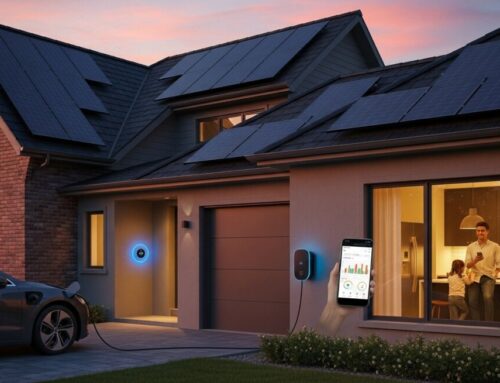
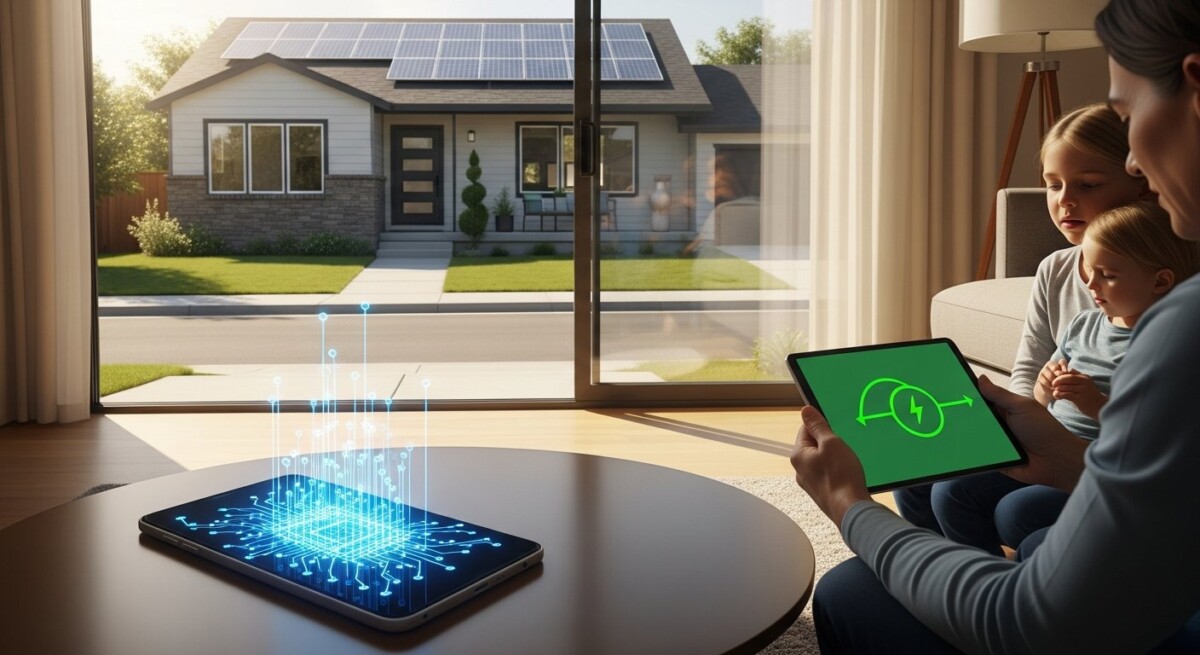
Artificial intelligence in solar energy is not science fiction. It is a practical tool that helps solar panels operate at peak efficiency. AI uses sensors, weather data, and real-time performance tracking to adjust how your system captures and stores sunlight.
Think of AI as a smart manager for your solar setup. It monitors cloud cover, temperature, and energy usage patterns. Then it automatically shifts power to your battery or sends surplus energy back to the grid at the most profitable times.
How Machine Learning Improves Solar Performance
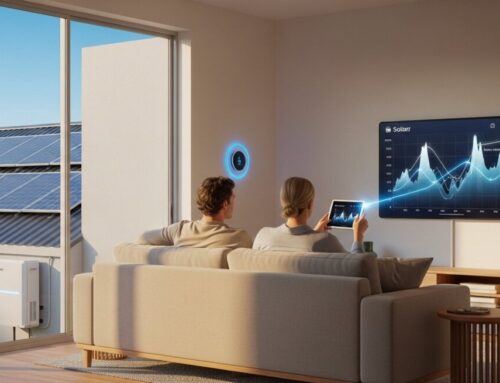
Machine learning, a branch of AI, studies your home’s energy habits over weeks and months. It learns when you use the most electricity and predicts future demand. This allows the system to store extra solar power during the day so you have cheap energy available at night.
More homeowners are adopting AI-enhanced solar systems because they deliver higher savings without manual effort. The technology handles the complex decisions, so you simply enjoy lower bills and greater reliability.
Why Solar Energy Is Becoming More Popular
Electricity prices have risen steadily across the country. Homeowners feel the pinch and look for ways to lock in stable, predictable energy costs. Solar power offers a solution that pays for itself over time.
Environmental concerns also drive interest. People want to reduce their carbon footprint without sacrificing comfort. Solar panels generate clean electricity from sunlight, cutting greenhouse gas emissions from your home.
Long-term savings remain the biggest motivator. Once installed, solar systems produce free electricity for decades. Many homeowners recoup their investment within 6 to 10 years and then enjoy nearly zero energy bills for the remaining life of the panels.
If you are considering solar power for your home, comparing installation quotes can help you understand your options. Request a free solar quote or call to learn more.
Common Questions Homeowners Have About Solar
Before committing to solar, most homeowners have legitimate concerns. Installation cost tops the list, but federal and state incentives can reduce the upfront price by 30 percent or more. Roof suitability also matters,south-facing roofs with little shade work best.
System performance in cloudy weather is another frequent question. Modern solar panels still generate electricity on overcast days, though at a reduced rate. AI helps optimize what is available by managing battery storage and grid interaction.
- Will solar work during a power outage?
- How much maintenance do panels need?
- How long do solar panels last?
- What happens if I move after installing solar?
- Does solar increase home value?
How Solar Panel Installation Works
Installing solar panels is a straightforward process when you work with a professional installer. The first step is a home energy assessment to evaluate your electricity usage and roof condition. The installer then designs a system tailored to your needs.
After finalizing the design, the installer handles permits and approvals with your local utility and government offices. This ensures your system meets all safety and grid connection requirements. The actual panel installation typically takes one to three days.
- Home energy assessment and roof inspection
- System design and equipment selection
- Permits and utility approvals
- Panel and inverter installation
- System activation and monitoring setup
Speaking with experienced installers can help you determine the best solar solution for your home. Compare solar quotes here or call to explore available options.
Signs Your Home May Be Ideal for Solar
Not every home is equally suited for solar panels, but many properties can benefit. Strong sunlight exposure is the most important factor. Homes with unshaded south-facing roofs capture the most energy and generate the highest savings.
High electricity bills also signal a good opportunity. If your monthly energy costs exceed $100, solar can provide meaningful relief. Sufficient roof space is another consideration,most systems need 300 to 500 square feet of clear area.
- Your roof faces south, east, or west with little shade
- You pay $100 or more per month for electricity
- Your roof is in good condition and less than 15 years old
- You plan to stay in your home for at least 5 to 7 years
- Your local utility offers net metering or time-of-use rates
What Affects Solar Installation Costs
Solar system prices vary based on several key factors. System size is the primary driver,a larger array that covers 100 percent of your usage costs more than a smaller partial system. Equipment quality also matters because premium panels and inverters offer better efficiency and longer warranties.
Installation complexity can raise costs. Roofs with steep pitches, unusual materials, or multiple obstructions require more labor. Your location influences pricing too, since local labor rates and permitting fees differ across markets.
Government incentives significantly lower the net cost. The federal solar tax credit currently allows you to deduct 30 percent of the installation price from your federal taxes. Many states and utilities offer additional rebates, performance payments, or property tax exemptions.
The cost of solar installation varies depending on your home and energy needs. Request personalized solar quotes or call to see what options are available.
Tips for Choosing a Reliable Solar Installer
Finding a trustworthy installer is just as important as choosing quality equipment. Experienced installers help you avoid costly mistakes like undersizing your system or using incompatible components. They also handle permits and inspections correctly.
Start by reviewing an installer’s experience and credentials. Look for companies with North American Board of Certified Energy Practitioners (NABCEP) certification and a proven track record in your area. Read online reviews and ask for references from recent customers.
- Verify the installer’s license, insurance, and certifications
- Compare equipment warranties (panels, inverters, and workmanship)
- Read customer reviews on Google, Yelp, and the Better Business Bureau
- Obtain at least three detailed quotes for fair comparison
- Ask about monitoring features, including AI-powered optimization
Long-Term Benefits of Installing Solar Panels
Solar panels deliver lasting financial rewards. Once your system is paid off, your monthly electricity bills drop dramatically,often to just the minimum utility connection fee. Over 20 to 25 years, these savings can total tens of thousands of dollars.
Your home also becomes more valuable. Studies show that homes with solar panels sell for a premium compared to similar homes without them. Buyers recognize the benefit of lower energy costs and often pay more for a solar-equipped property.
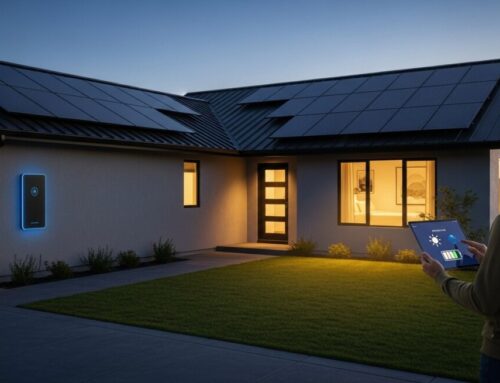
Energy independence is another powerful advantage. With battery storage and AI management, you can keep your lights on during grid outages and reduce reliance on fossil fuel power plants. Every kilowatt-hour you generate from sunlight cuts carbon emissions and supports a cleaner environment.
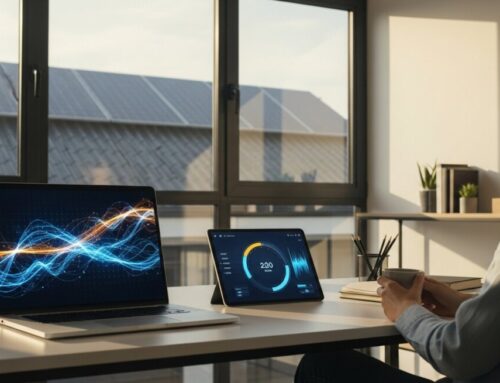
In our guide on why solar systems need monitoring, we explain how real-time tracking helps you maximize those savings. For a complete roadmap, read our article on the steps to implement solar systems and slash your energy bills.
Frequently Asked Questions
How does AI improve solar panel performance?
AI improves solar panel performance by analyzing weather forecasts and your home’s energy usage in real time. It adjusts how much power your system stores in batteries versus sends to the grid. This maximizes your savings and ensures you have backup power when you need it most.
Can solar panels work during cloudy days?
Yes, solar panels still generate electricity on cloudy days, though at a reduced output. AI helps optimize whatever energy is available by managing battery charging and grid exports. Modern panels are designed to capture diffuse sunlight effectively.
How much can I save on my electricity bill with solar?
Savings depend on your system size, local electricity rates, and sunlight exposure. Most homeowners reduce their electric bills by 50 to 90 percent. With AI optimization, you can shift your energy use to times when solar power is abundant, further lowering costs.
What government incentives are available for solar?
The federal solar investment tax credit (ITC) allows you to deduct 30 percent of your installation cost from your federal taxes. Many states offer additional rebates, performance-based incentives, or property tax exemptions. Your installer can help you identify all applicable programs.
How long does a solar panel system last?
Most solar panels come with a 25-year performance warranty and continue producing electricity well beyond that. Inverters typically last 10 to 15 years and may need replacement once during the system’s life. AI monitoring alerts you to performance issues so you can address them quickly.
Do I need a battery with my solar system?
A battery is optional but highly recommended if you want backup power during outages or want to maximize self-consumption. AI manages the battery to store cheap solar energy for use at night or during peak rate periods. This increases your overall savings and energy independence.
Will solar panels damage my roof?
Professionally installed solar panels do not damage your roof. Installers use mounting systems that seal around roof penetrations to prevent leaks. In fact, panels can protect the roof area underneath from sun and weather exposure, extending its lifespan.
How do I choose the right solar installer?
Choose an installer with strong credentials, positive customer reviews, and transparent pricing. Obtain multiple quotes and compare the equipment, warranties, and projected savings. A reputable installer will also explain how AI can be integrated into your system for better performance.
Solar energy offers a practical path to lower bills, greater independence, and a cleaner future. By understanding how AI works in solar systems and working with a qualified installer, you can make a confident choice for your home. Start by comparing quotes from multiple professionals to find the best solution for your needs and budget.