AI Solar Forecasting Explained: Boost Home Energy Savings
Rising electricity costs have many homeowners searching for smarter ways to manage their energy use. You may have noticed your monthly bills creeping higher, even as you try to conserve power. This frustration leads more families to explore solar energy as a way to reduce energy bills and become less dependent on the grid. Understanding how new technology can maximize your solar investment is key, which is why ai solar forecasting explained in simple terms can help you make an informed decision.
Understanding ai solar forecasting explained
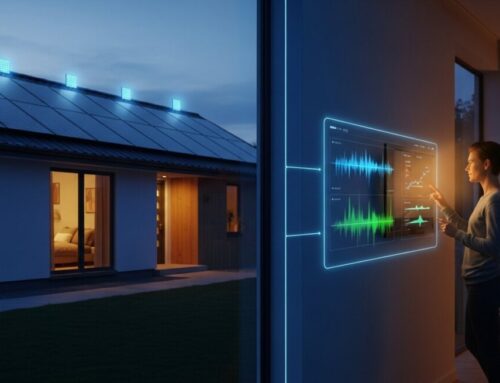
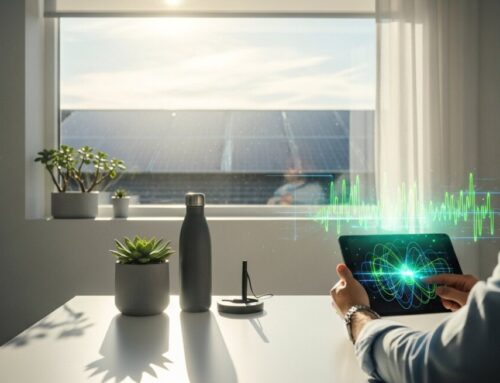
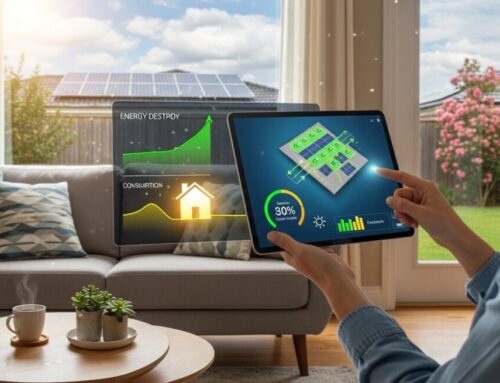
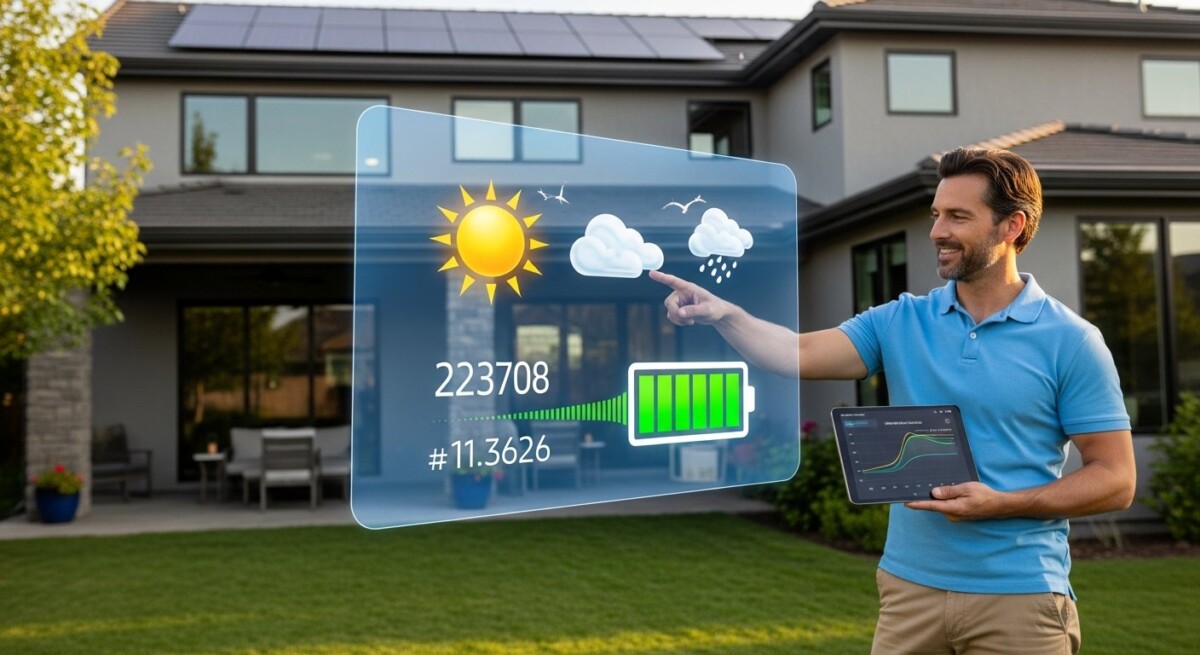
At its core, AI solar forecasting is a smart system that predicts how much sunlight your solar panels will receive over the coming hours and days. Instead of relying on guesswork, this technology uses weather data, satellite images, and historical patterns to estimate energy production with impressive accuracy. Think of it as a personalized weather report for your solar system, helping you plan when to run appliances or store extra power.
This forecasting works by feeding real-time data into machine learning algorithms. The AI analyzes cloud cover, temperature, humidity, and even seasonal changes to refine its predictions continuously. For homeowners, this means less surprise when a cloudy day reduces output and more control over how you use the energy your panels generate. As more people adopt solar, understanding ai solar forecasting explained becomes a practical way to boost savings.
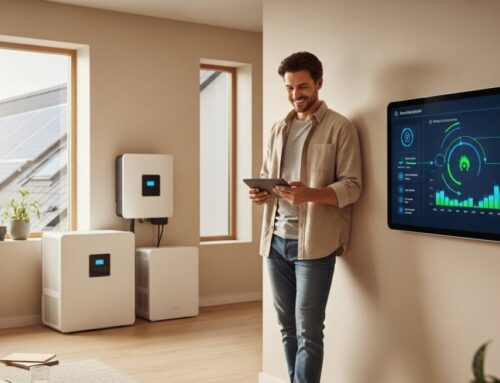
The technology is especially valuable because it helps you shift high-energy tasks to sunny periods. For example, you can run your dishwasher or charge an electric vehicle when the forecast predicts peak production. This simple adjustment can lower your reliance on grid electricity, cutting your bills further. In our guide on AI Solar Forecasting: Maximize Your Home Solar Savings, we explain how this tool integrates with modern solar systems.
How AI forecasting differs from traditional methods
Traditional solar monitoring only tells you what your panels produced yesterday. AI forecasting looks ahead, giving you actionable insights before the sun shines. This proactive approach helps you avoid peak utility rates and make the most of every kilowatt-hour your system creates.
Why solar energy is becoming more popular
Homeowners are turning to solar power for several compelling reasons. Electricity prices have risen steadily over the past decade, and many families feel the pinch each month. Solar panels offer a hedge against future rate hikes by locking in a lower, predictable energy cost for decades.
Environmental concerns also play a major role. Generating your own clean energy reduces your carbon footprint and supports a healthier planet. But the practical appeal of long-term savings remains the top motivator. A well-designed solar system can pay for itself within seven to ten years, then provide free electricity for another fifteen years or more.
Government incentives sweeten the deal further. The federal solar tax credit allows you to deduct a significant percentage of installation costs from your taxes. Many states and utilities offer additional rebates or performance payments, making solar more affordable than ever. These financial benefits, combined with rising grid prices, explain why more homeowners are requesting quotes.
If you are considering solar power for your home, comparing installation quotes can help you understand your options. Request a free solar quote or call to learn more.
Common questions homeowners have about solar
Before investing in solar panels, most homeowners have several practical concerns. The upfront cost is often the first question, but financing options like loans, leases, and power purchase agreements make solar accessible without a huge lump sum. Roof suitability is another common worry,installers assess orientation, shading, and structural integrity during a free site visit.
System performance in different weather also comes up frequently. Solar panels still generate electricity on cloudy days, though at reduced output. Modern panels are durable and designed to handle hail, snow, and high winds, so reliability is rarely an issue with quality equipment.
- How much does a typical solar system cost after incentives?
- Will my roof need repairs before installation?
- How long do solar panels last, and what warranties cover them?
- Can I go completely off-grid with solar and batteries?
- What happens if my panels produce more energy than I use?
- How do I maintain my solar panels over time?
How solar panel installation works
The installation process is straightforward when you work with a professional installer. It begins with a home energy assessment to review your electricity usage and roof characteristics. The installer then designs a system tailored to your home, factoring in sun exposure, shading, and your typical energy needs.
Once you approve the design, the company handles permits and approvals from your local utility and building department. This paperwork can take a few weeks, but experienced installers manage it efficiently. Actual panel installation usually takes one to three days, depending on system size and roof complexity.
- Home energy assessment and usage review
- Custom system design and equipment selection
- Permit applications and utility approvals
- Panel mounting, wiring, and inverter installation
- System activation and final inspection by the utility
Speaking with experienced installers can help you determine the best solar solution for your home. Compare solar quotes here or call to explore available options.
Signs your home may be ideal for solar
Not every home is equally suited for solar panels, but many properties can benefit significantly. The most important factor is strong sunlight exposure,a south-facing roof with minimal shading from trees or nearby buildings is ideal. Even east- or west-facing roofs can work well if they receive several hours of direct sun daily.
High electricity bills are another strong indicator that solar will pay off quickly. If you pay more than $100 per month on average, a properly sized system can substantially reduce those costs. Suitable roof space is also critical,most homes need about 300 to 500 square feet of clear roof area for a standard system.
- Your roof receives at least four hours of direct sunlight daily
- Your monthly electricity bill exceeds $100
- Your roof is less than 15 years old and in good condition
- You plan to stay in your home for at least five more years
- Your local utility offers net metering or time-of-use rates
- Your area has state or local incentives for solar installations
What affects solar installation costs
The price of a solar system depends on several variables that homeowners should understand. System size,measured in kilowatts,is the primary cost driver, with larger systems generating more power but requiring a higher upfront investment. Equipment quality also matters, as premium panels and inverters often come with better warranties and efficiency.
Installation complexity can add to the total cost. Factors like roof pitch, material type, and the need for electrical panel upgrades may require extra labor. Local permitting fees and labor rates vary by region, so comparing quotes from multiple installers helps you find a fair price.
Incentives reduce the net cost significantly. The federal tax credit alone can lower your out-of-pocket expense by 30 percent. Some states offer additional rebates, and many utilities provide performance-based incentives. Understanding these factors helps you evaluate quotes accurately and choose a system that fits your budget.
The cost of solar installation varies depending on your home and energy needs. Request personalized solar quotes or call to see what options are available.
Tips for choosing a reliable solar installer
Selecting the right installer is just as important as choosing the right equipment. Start by reviewing each company’s experience and credentials, including licensing, insurance, and industry certifications. A reputable installer will have a proven track record and transparent pricing without hidden fees.
Check warranties carefully,both the equipment warranty and the workmanship guarantee. Most solar panels come with 25-year performance warranties, while inverters may have shorter terms. A strong workmanship warranty protects you if installation issues arise later.
- Ask for references or read online customer reviews
- Verify the installer’s licenses and insurance coverage
- Compare at least three quotes to see market pricing
- Review warranty details for panels, inverters, and labor
- Ensure the installer handles permits and utility paperwork
- Look for companies that offer ongoing monitoring and support
Long-term benefits of installing solar panels
Solar panels deliver financial and practical advantages that compound over time. Lower electricity bills are the most immediate reward, often saving homeowners hundreds of dollars each year. Over the 25- to 30-year lifespan of a typical system, total savings can reach tens of thousands of dollars, especially as utility rates continue to rise.
Home value also increases after solar installation. Studies show that homes with owned solar panels sell for a premium compared to similar non-solar properties. Buyers recognize the long-term savings and energy independence, making your home more attractive on the market.
Environmental benefits add another layer of satisfaction. Generating clean energy reduces greenhouse gas emissions and decreases demand from fossil fuel power plants. For many homeowners, energy independence is the ultimate goal,producing your own power shields you from grid outages and volatile energy prices. In our article on AI Solar Forecasting: Boost Savings With Smart Energy, we explore how predictive technology enhances these long-term advantages.
Frequently Asked Questions
What is AI solar forecasting, and how does it help me save money?
AI solar forecasting uses weather data and machine learning to predict how much electricity your solar panels will generate. By knowing when production will be highest, you can schedule energy-intensive tasks like laundry or EV charging during those times. This reduces your reliance on grid power and lowers your monthly bills.
Do I need special equipment for AI solar forecasting to work?
Most modern solar systems with monitoring capabilities can integrate with AI forecasting services. Many installers offer this feature as part of their system packages or through third-party apps. Ask your installer whether their equipment supports predictive forecasting when you compare quotes.
How much can I expect to save by installing solar panels?
Savings vary based on system size, local electricity rates, and sunlight exposure. A typical home saves between $600 and $1,500 per year after installation. Over 25 years, total savings often range from $15,000 to $40,000, depending on your location and energy usage.
What happens when it’s cloudy or rainy,will my panels still work?
Solar panels generate electricity even on overcast days, though output drops to about 10 to 25 percent of their full capacity. AI forecasting helps you anticipate these low-production days so you can adjust your energy use. Batteries can store excess power from sunny days for use during cloudy periods.
Is my roof suitable for solar panels if it’s old or has shading?
Older roofs may need repairs or replacement before installation, and professional installers always inspect structural integrity. Shading from trees or chimneys can reduce performance, but partial shading doesn’t necessarily rule out solar. A site assessment by an installer will tell you if your roof is a good candidate.
How long does it take to recoup the cost of solar installation?
The payback period typically ranges from six to ten years, depending on system cost, incentives, and your electricity rates. After that point, your electricity is essentially free for the remaining life of the panels. Many homeowners see a full return on investment within the first decade.
What government incentives are available for solar panels in 2025?
The federal solar tax credit allows you to deduct 30 percent of installation costs from your federal taxes. Many states offer additional incentives, such as rebates, property tax exemptions, or sales tax waivers. Check the Database of State Incentives for Renewables & Efficiency (DSIRE) for programs in your area.
Should I lease solar panels or buy them outright?
Buying panels outright gives you the greatest long-term savings and increases home value. Leasing requires no upfront cost but usually offers lower savings over time. Compare both options with quotes from multiple installers to see which aligns with your financial goals.
Understanding solar energy and AI forecasting can help you make a confident decision about powering your home with clean, affordable electricity. The best way to move forward is to gather personalized information from trusted installers. Request multiple quotes, compare system designs, and choose the solution that fits your home and budget. Start exploring your solar options today by comparing installation quotes and taking the first step toward lower bills and energy independence.