What Is Solar AI Software and How It Saves You Money

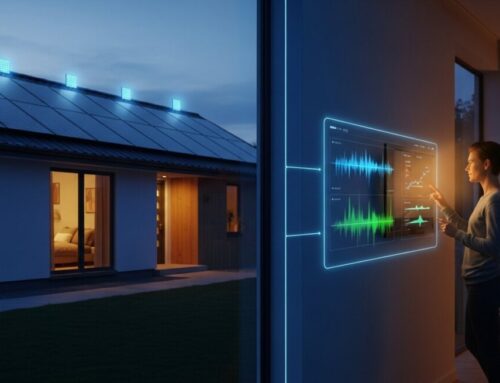
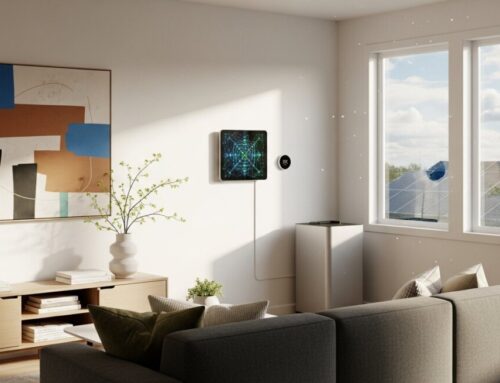
You open your monthly electricity bill and feel a familiar pang of frustration. Rates keep climbing, and you wonder if there is a way to take control of your energy costs. This is why so many homeowners are searching for what is solar AI software,a smart tool that helps you design, monitor, and optimize a solar system for your home. By using artificial intelligence to analyze your energy usage, roof layout, and local weather patterns, this technology makes solar simpler and more cost-effective than ever before.
Understanding what is solar AI software
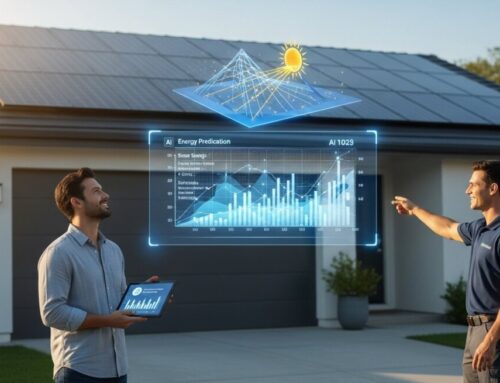
Solar AI software is a digital platform that uses machine learning to design the most efficient solar panel system for your specific home. Instead of relying on rough estimates, the software processes thousands of data points,your past electricity bills, satellite images of your roof, shade patterns from nearby trees, and even local utility rates,to recommend the perfect system size and layout.
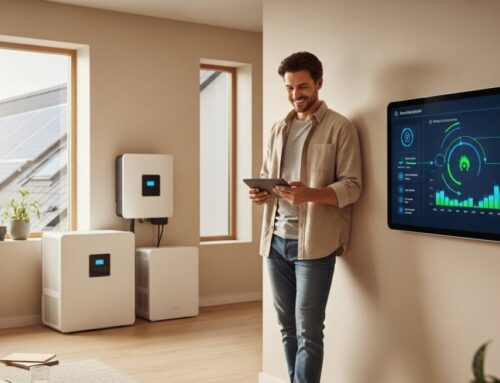
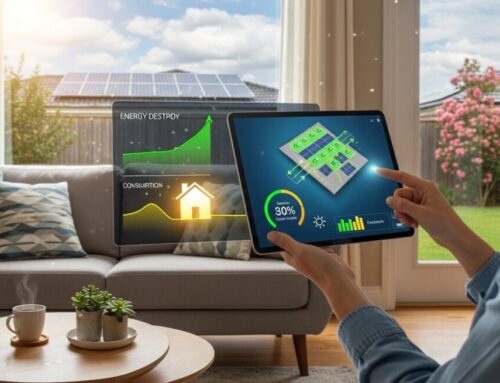
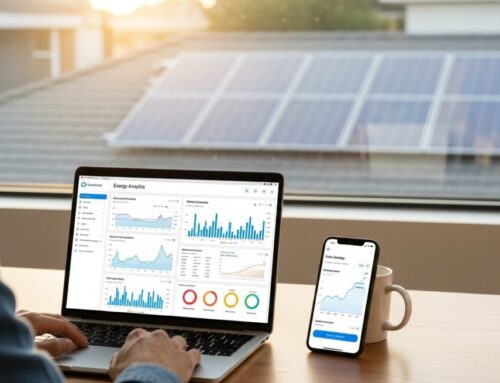
The software also monitors your solar panels in real time after installation. It alerts you to performance drops, predicts when your panels might need cleaning, and even adjusts your energy usage to maximize savings. For example, it can automatically shift when your appliances run to match peak solar production hours. This level of precision is why more homeowners are turning to AI-powered solutions to get the most out of their investment.
How solar AI differs from traditional solar planning
Traditional solar quotes often involve a salesperson taking measurements by hand and using generic formulas. Solar AI software eliminates guesswork by running millions of simulations in seconds. It accounts for variables like seasonal sun angles, local weather history, and your utility’s time-of-use rates. The result is a system that is tailored to your home and your budget, not a one-size-fits-all solution.
Why Solar Energy Is Becoming More Popular
Electricity prices across the United States have risen steadily over the past decade, and many homeowners see no end in sight. Solar energy offers a way to lock in lower energy costs for 25 years or more. Once your panels are installed, the electricity they produce is essentially free, shielding you from future rate hikes.
Environmental concerns also play a major role. Solar power produces no carbon emissions, which helps reduce your household’s carbon footprint. For many families, going solar is a practical way to contribute to a cleaner planet while also improving their own financial health. The combination of rising utility costs, growing environmental awareness, and federal incentives like the 30% Investment Tax Credit has made solar more accessible than ever.
Long-term savings are the real driver. A typical homeowner can save between $10,000 and $30,000 over the life of a solar system. When you consider that solar panels add value to your home and often increase its resale price, the decision becomes even clearer.
If you are considering solar power for your home, comparing installation quotes can help you understand your options. Request a free solar quote or call (888) 555-1234 to learn more.
Common Questions Homeowners Have About Solar
Many homeowners hesitate because they are unsure about the upfront cost. The good news is that prices have dropped dramatically over the past decade. With federal tax credits and local rebates, many families pay far less than they expect. Most installers also offer financing options that make solar affordable with little to no money down.
Another common concern is whether your roof is suitable. Solar panels work best on roofs that face south or west and receive direct sunlight for most of the day. However, modern panels are efficient enough to generate power even on partially shaded roofs. A professional installer will assess your roof’s condition, angle, and shading to determine if solar is right for you.
Here are some of the most frequent questions homeowners ask:
- How much does a solar system cost after incentives?
- Will solar panels work on my roof type?
- How long does installation take?
- What happens if my panels produce more power than I use?
- Do I need a battery with my solar system?
- How long do solar panels last?
How Solar Panel Installation Works
The installation process is straightforward when you work with a professional installer. It usually begins with a free home energy assessment where the installer reviews your electricity bills and inspects your roof. This is where solar AI software often comes into play, generating a custom system design that maximizes your savings.
After you approve the design, the installer handles all permits and approvals with your local utility and city government. This step can take a few weeks, but the installer manages the paperwork so you don’t have to. Once permits are approved, the actual installation typically takes one to three days. After a final inspection, your system is activated and starts producing power.
The main steps in a typical solar installation include:
- Home energy assessment and roof inspection
- System design using solar AI software
- Permit applications and utility approvals
- Panel and inverter installation on your roof
- Final inspection and system activation
Speaking with experienced installers can help you determine the best solar solution for your home. Compare solar quotes here or call (888) 555-1234 to explore available options.
Signs Your Home May Be Ideal for Solar
Not every home is equally suited for solar, but many are better candidates than homeowners realize. The most important factor is sunlight exposure. If your roof gets direct sun for most of the day,especially between 10 a.m. and 4 p.m.,you are likely a good candidate. South-facing roofs with little shade are ideal, but east and west-facing roofs can also work well.
Another strong indicator is your current electricity bill. If you pay $100 or more per month, solar can likely reduce or even eliminate that cost. Homes with older, inefficient appliances also benefit because solar offsets their higher energy consumption. If you plan to stay in your home for at least five to seven years, the savings will easily cover the upfront cost.
Here are signs that your home may be a good fit for solar:
- Your roof receives strong sunlight for most of the day
- You have high monthly electricity bills
- Your roof is in good condition and has enough space
- You plan to stay in your home for several years
- Your local utility offers net metering or solar incentives
What Affects Solar Installation Costs
Solar system costs vary based on several key factors. The size of the system,measured in kilowatts,is the biggest driver. A larger system costs more upfront but also saves more money over time. Equipment quality also matters. Premium panels and inverters cost more but often come with better warranties and higher efficiency.
Installation complexity can increase costs as well. If your roof is steep, has multiple angles, or requires electrical upgrades, the labor cost will be higher. Local incentives can significantly lower your net cost. The federal tax credit alone covers 30% of the total system cost, and many states offer additional rebates or performance-based incentives.
The cost of solar installation varies depending on your home and energy needs. Request personalized solar quotes or call (888) 555-1234 to see what options are available.
Tips for Choosing a Reliable Solar Installer
Choosing the right installer is just as important as choosing the right equipment. A good installer will walk you through every step, from design to permits to activation. They should also offer a strong workmanship warranty that covers labor for at least ten years. Look for installers who have been in business for several years and have positive reviews on platforms like Google and the Better Business Bureau.
Always compare multiple quotes before making a decision. Each installer may recommend different equipment, system sizes, and pricing. Comparing quotes helps you see which option offers the best value,not just the lowest price. A slightly more expensive system with higher-quality panels and a better warranty can save you more money in the long run.
Here are practical tips for finding a reliable installer:
- Check how long they have been in business
- Ask about equipment and workmanship warranties
- Read customer reviews on independent sites
- Compare at least three quotes before signing
- Verify their licenses and insurance
Long-Term Benefits of Installing Solar Panels
The most immediate benefit of solar panels is lower electricity bills. Most homeowners see their monthly bills drop by 50% to 100% depending on system size and sun exposure. Over 20 years, those savings add up to tens of thousands of dollars. Solar also increases your home’s resale value. Studies show that homes with solar panels sell for about 4% more than comparable homes without them.
Energy independence is another major advantage. When you generate your own power, you are less affected by grid outages and utility rate increases. Adding a battery system gives you backup power during blackouts, which provides peace of mind. Finally, solar energy reduces your carbon footprint. A typical residential solar system offsets about three to four tons of carbon emissions each year,the equivalent of planting over 100 trees annually.
Frequently Asked Questions
How does solar AI software improve savings?
Solar AI software analyzes your energy usage, roof layout, and local weather to design the most efficient system for your home. It also monitors performance after installation and can adjust your energy usage to maximize savings. This precision often leads to 10,20% more savings compared to traditional design methods.
Is solar worth it if I plan to move in five years?
Yes, solar can still be worthwhile. The increased home value from solar panels often covers the remaining system cost. Many buyers are willing to pay a premium for a home with lower electricity bills. You can also lease or finance a system with transferable terms.
Do solar panels work during cloudy days or winter?
Solar panels still produce electricity on cloudy days, just at a reduced rate. Modern panels capture both direct and diffuse sunlight. Winter production is lower due to shorter days, but net metering credits from summer can offset winter usage.
What maintenance do solar panels require?
Solar panels require very little maintenance. Rain usually keeps them clean. You may need to remove heavy snow or debris occasionally. Most systems come with monitoring software that alerts you to any performance issues.
Can I install solar panels myself to save money?
DIY solar installation is possible but not recommended for most homeowners. Incorrect installation can void warranties, create safety hazards, and reduce system efficiency. Professional installers also handle permits and utility paperwork, which saves time and prevents costly mistakes.
How long does it take for solar panels to pay for themselves?
The average payback period for residential solar is six to ten years. This depends on your electricity rates, system cost, available incentives, and sun exposure. After the payback period, your electricity is essentially free for the remaining 15,20 years of the system’s life.
Will solar increase my property taxes?
In most states, solar panels are exempt from property tax assessments. This means your home value increases without a corresponding tax increase. Check with your local tax authority to confirm the rules in your area.
What happens if my solar panels produce more power than I use?
Excess power is sent to the grid, and your utility credits you through a process called net metering. Those credits offset the power you use at night or on cloudy days. In some states, you can even receive a check for excess generation at the end of the year.
Solar energy is a smart investment that lowers your bills, increases your home value, and helps the environment. The key to getting the best system at the best price is comparing quotes from multiple installers. Each home is unique, and a custom-designed system using modern solar AI software ensures you get the maximum return on your investment. Take the first step today by requesting quotes and seeing how much you can save.