AI Solar Energy: How to Save More on Your Electric Bill
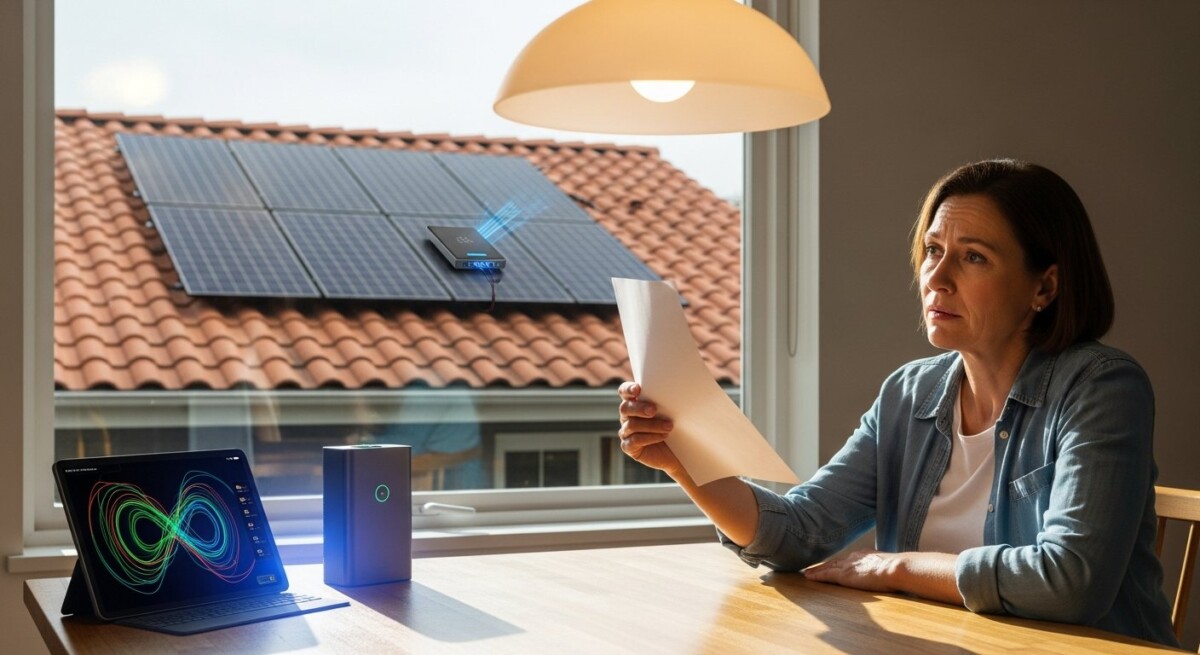
You open your monthly electric bill and feel a familiar pang of frustration. Rates keep climbing, and it seems like there is little you can do to stop it. This is why many homeowners are searching for what is AI solar energy and how it might help them take control of their rising costs.
The idea of reducing your energy bills and becoming less dependent on the power grid is appealing. AI solar energy represents a new wave of smarter, more efficient solar systems that can maximize your savings. This guide will explain the technology in simple terms and show you how to get started.
Understanding what is AI solar energy
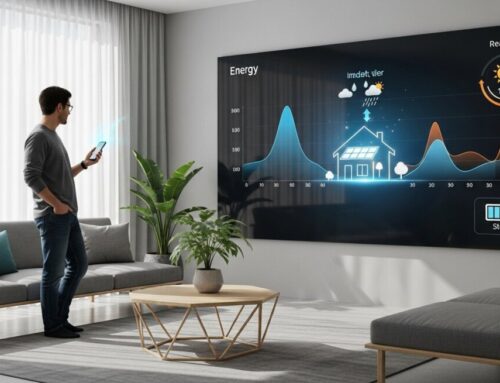
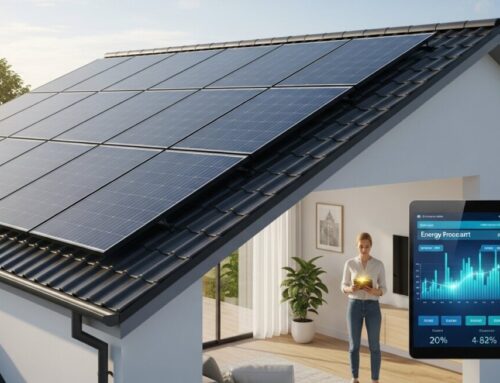
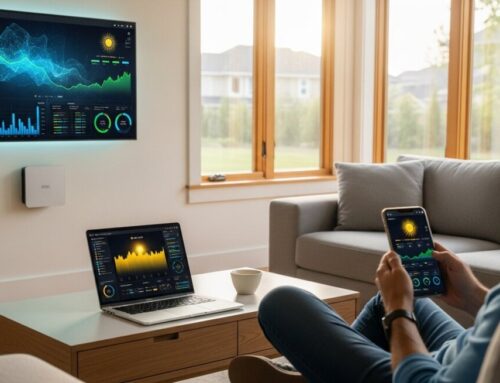
At its core, what is AI solar energy? It refers to solar power systems that use artificial intelligence to optimize how energy is produced, stored, and used. Instead of panels that simply generate electricity when the sun shines, AI-driven systems learn your home’s energy patterns and adjust in real time.
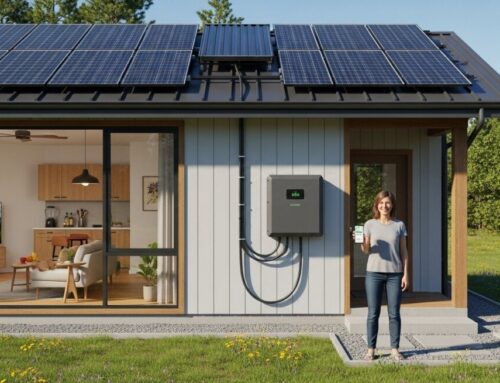
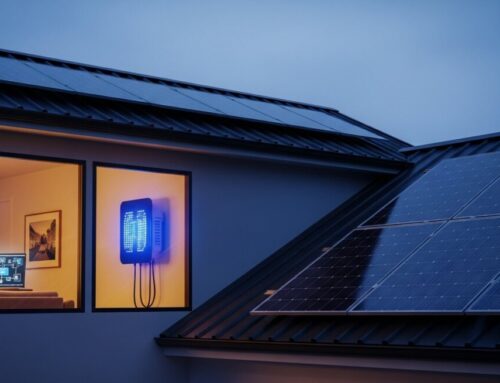
For example, an AI-powered inverter can predict cloudy weather and shift your battery storage settings to ensure you have power during peak evening hours. This technology helps you use more of the solar energy you generate and send less back to the grid at low rates. In our guide on AI tools for solar energy, we explain how these tools can help you save more on your electric bill.
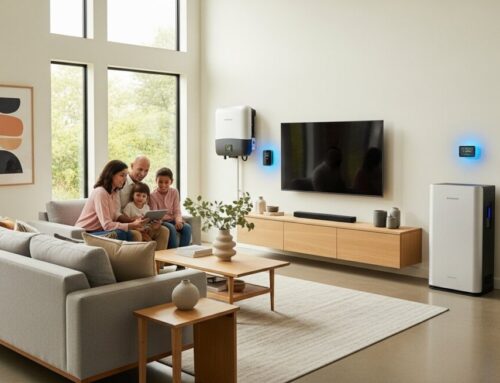
More homeowners are considering AI solar because it turns a static system into a dynamic asset. It is like having a smart thermostat for your entire home’s energy flow, making solar panels work harder for you.
Why Solar Energy Is Becoming More Popular
Rising electricity prices are the number one reason homeowners switch to solar. Every year, utility rates increase, while the cost of solar panels continues to drop. This creates a powerful financial incentive to lock in lower energy costs for decades.
Environmental concerns also play a big role. Many families want to reduce their carbon footprint and contribute to a cleaner planet. Solar energy produces no emissions, and AI optimization means you waste less energy, making your home even greener.
Long-term savings are the real draw. A well-designed solar system can pay for itself in 6 to 10 years and then provide free electricity for another 15 to 20 years. Professional installers use AI tools to design systems that match your exact usage, ensuring you get the highest return on investment.
If you are considering solar power for your home, comparing installation quotes can help you understand your options. Request a free solar quote or call to learn more.
Common Questions Homeowners Have About Solar
Most homeowners start with the same concerns: installation cost, roof suitability, and system performance. These are valid questions, and reputable installers address them upfront with a thorough site assessment.
Installation costs vary based on system size and equipment quality, but federal and state incentives can cover 30% or more of the total. Roof suitability depends on age, material, and sun exposure, which a professional can evaluate during a free consultation.
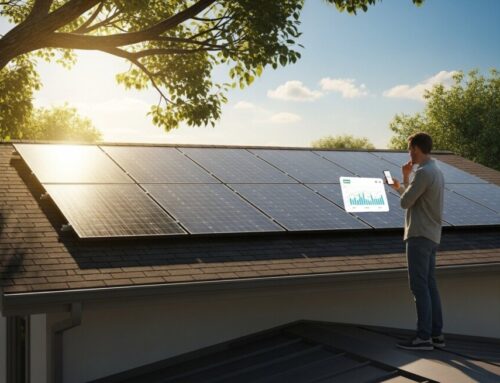
Performance is often better than expected. Modern panels are highly efficient, and AI systems monitor each panel individually to detect shading or dirt. This keeps your system running at peak output with minimal maintenance.
- How much does a solar system cost after incentives?
- Will my roof support solar panels?
- What happens during cloudy days or at night?
- How long do solar panels last?
- Do I need a battery with my system?
- How much will I really save on my electric bill?
How Solar Panel Installation Works
The installation process is straightforward when you work with a professional installer. It begins with a home energy assessment where a technician reviews your past utility bills, inspects your roof, and discusses your energy goals.
Next, the installer designs a system tailored to your home. They use software to simulate sun exposure across different seasons and choose panels and inverters that fit your budget. After you approve the design, the installer handles permits and approvals with your local utility and city.
- Home energy assessment , Review bills, inspect roof, discuss goals.
- System design , Create a custom layout and equipment list.
- Permits and approvals , Secure necessary permissions from local authorities.
- Panel installation , Mount panels, connect wiring, install inverter.
- System activation , Final inspection, utility approval, and turn-on.
Speaking with experienced installers can help you determine the best solar solution for your home. Compare solar quotes here or call to explore available options.
Signs Your Home May Be Ideal for Solar
Not every home is a perfect candidate for solar, but many are. The most important factor is strong, direct sunlight on your roof for most of the day. South-facing roofs with little to no shade are best.
High electricity bills are another sign. If you pay more than $100 per month, solar can likely reduce that amount significantly. A suitable roof with at least 20 years of life remaining and enough space for panels is also essential.
- Strong, unobstructed sunlight exposure on your roof.
- Monthly electricity bills that are consistently high.
- Ample roof space with good structural condition.
- Plans to stay in your home for at least 5 to 10 years.
- Access to net metering or battery incentives in your area.
What Affects Solar Installation Costs
System size is the biggest cost factor. A larger system that covers 100% of your usage costs more upfront but delivers greater long-term savings. Equipment quality also matters, premium panels and AI-enabled inverters cost more but offer better efficiency and longevity.
Installation complexity can raise costs. A simple roof with easy access is cheaper than a complex multi-story roof with tile or slate. Local incentives and rebates can dramatically lower your out-of-pocket expense, so it pays to research what is available in your state.
The key is to get multiple quotes and compare them side by side. A slightly higher upfront cost may be worth it if the system includes AI optimization, better warranties, or higher efficiency panels. In our guide on understanding solar energy quotes, we break down what to look for in each proposal.
The cost of solar installation varies depending on your home and energy needs. Request personalized solar quotes or call to see what options are available.
Tips for Choosing a Reliable Solar Installer
Choosing the right installer is as important as choosing the right equipment. Look for a company with years of experience, positive customer reviews, and strong warranties on both equipment and labor. A reliable installer will walk you through every step without high-pressure sales tactics.
Always check that the installer is licensed, insured, and certified by organizations like the North American Board of Certified Energy Practitioners (NABCEP). These credentials show they meet industry standards for quality and safety.
- Review the installer’s experience and portfolio of completed projects.
- Check warranty terms for panels, inverters, and installation workmanship.
- Read customer reviews on Google, Yelp, and the Better Business Bureau.
- Compare at least three quotes to see pricing, equipment, and service differences.
- Ask about AI features and how they optimize energy production for your home.
Long-Term Benefits of Installing Solar Panels
Lower electricity bills are the most immediate benefit. After your system is paid off, you enjoy decades of free or near-free electricity. This frees up hundreds of dollars each month for other priorities.
Your home value also increases. Studies show that homes with solar panels sell for more and faster than those without. Buyers recognize the built-in energy savings and are willing to pay a premium.
Reducing your environmental impact feels good, and energy independence gives you peace of mind. With AI solar energy, you are not just generating power, you are using it intelligently to protect your budget and the planet.
How long do solar panels last?
Most solar panels come with a 25-year performance warranty, but they can continue generating electricity for 30 years or more. Panels degrade slowly, losing about 0.5% efficiency each year, so after 25 years they still operate at roughly 87% capacity. AI monitoring helps you track this performance and catch any issues early.
Do I need a battery with my solar system?
A battery is optional but highly recommended if you want to store excess energy for nighttime use or during power outages. AI solar systems can intelligently manage battery charging and discharging to maximize savings. Without a battery, you still save money through net metering, where you sell excess power back to the grid.
What happens if my roof needs repairs after installation?
Reputable installers use mounting systems that seal around roof penetrations to prevent leaks. If you need roof repairs later, a professional can temporarily remove and reinstall the panels. Many installers offer a workmanship warranty that covers this type of service for the first few years.
Will solar panels work during a power outage?
Standard grid-tied solar systems shut off during outages to protect utility workers. However, if you have a battery and an AI-powered inverter, your system can island itself and continue powering your home. This is a key benefit of AI solar energy for homeowners in areas with frequent outages.
How much maintenance do solar panels require?
Solar panels require very little maintenance. Rain naturally washes away most dirt and debris. You may need to occasionally hose them off during dry spells or have a professional clean them once a year. AI monitoring alerts you if a panel’s output drops, making maintenance simple and proactive.
Can I install solar panels myself to save money?
DIY installation is possible but not recommended for most homeowners. Mistakes in wiring, mounting, or permitting can lead to safety hazards, voided warranties, and lower system performance. Professional installers ensure the system is optimized, safe, and eligible for all incentives, which often outweighs the DIY savings.
What financing options are available for solar?
You can purchase solar panels outright, finance them through a loan, or lease them with no upfront cost. Loans and leases are popular because they allow you to start saving immediately. Federal tax credits and state rebates apply to purchased and financed systems, making ownership the most cost-effective long-term choice.
Switching to solar energy is one of the smartest investments you can make for your home and your wallet. AI solar technology makes that investment even more powerful by optimizing every kilowatt-hour. The best way to start is by comparing quotes from multiple professional installers to find the system that fits your needs and budget. Compare solar installation quotes today and take the first step toward lower bills and energy independence.