What Is Solar Performance Tracking? Boost Your Energy Savings
You open your monthly electricity bill and feel a familiar pinch. Prices keep climbing, and it feels like there is little you can do about it. Many homeowners in this exact situation begin searching for long-term solutions, which is why so many now ask, “What is solar performance tracking?” This question often leads people to discover how solar panels can reduce energy bills and offer greater independence from the power grid. Understanding this concept is the first step toward taking control of your home’s energy future.
Understanding what is solar performance tracking
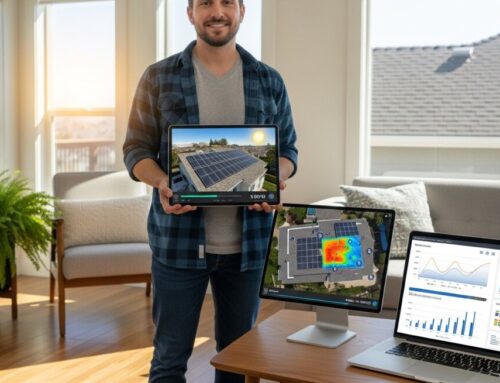
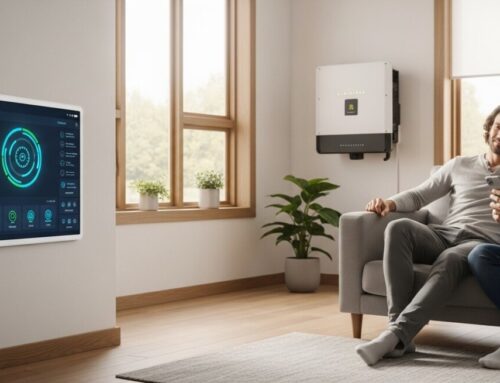
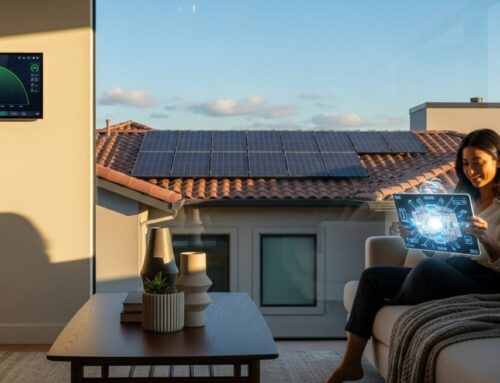
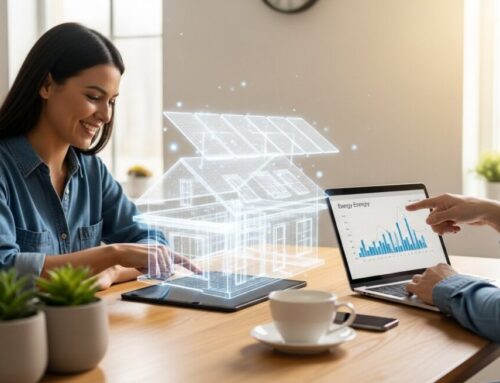
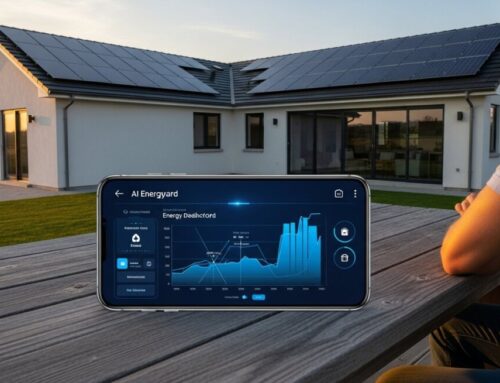
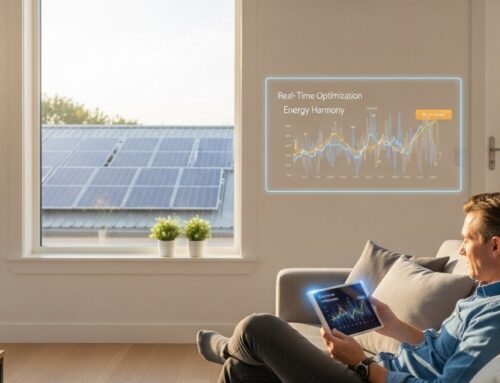
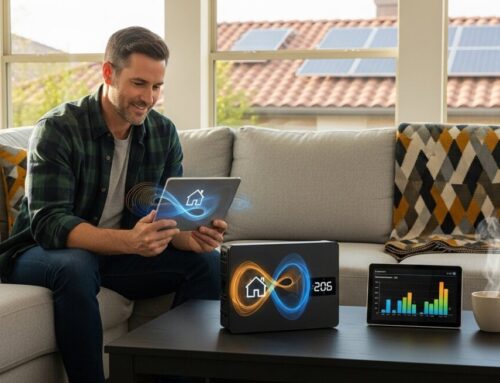
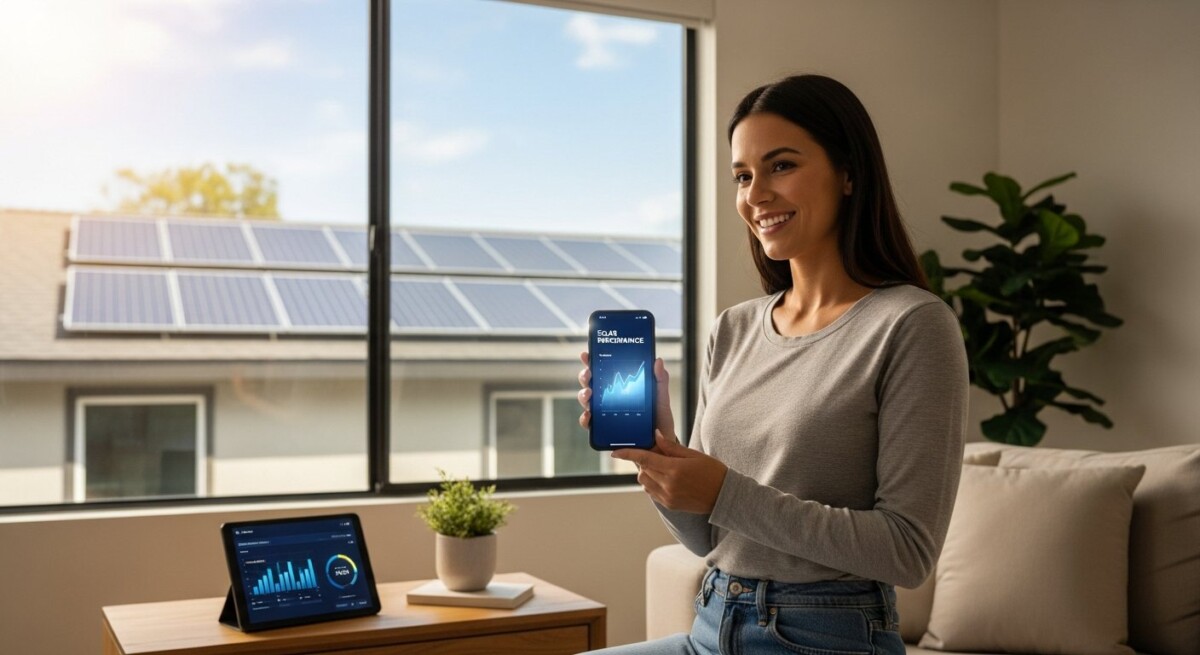
Solar performance tracking is the process of monitoring how much energy your solar panel system produces over time. Think of it as a fitness tracker for your solar installation,it shows you real-time data on energy generation, system health, and potential issues. Most modern systems include a monitoring platform accessible through a smartphone app or web portal.
When you understand what is solar performance tracking, you realize it is not just about watching numbers. It helps you verify that your system is working as promised, spot problems like shading or equipment failure early, and maximize your long-term savings. Without this visibility, you could lose money without knowing your panels are underperforming. More homeowners are adopting solar because monitoring technology has made it easier than ever to see exactly what your investment is delivering.
How monitoring works in simple terms
Each solar panel or inverter sends data to a central hub in your home. That hub transmits the information to a secure online dashboard. You can then see daily, weekly, and yearly energy production, compare it to your household usage, and even track environmental benefits like reduced carbon emissions.
Why Solar Energy Is Becoming More Popular
Rising electricity rates are a major driver behind the shift to solar. When utility costs increase year after year, generating your own power becomes an attractive alternative. Homeowners also cite environmental concerns as a key reason for making the switch, wanting to reduce their carbon footprint without sacrificing comfort or convenience.
Long-term savings are another powerful motivator. While the upfront cost of solar panels can seem significant, the return on investment is compelling. Most systems pay for themselves within 6 to 10 years through lower electricity bills, and panels often last 25 years or more. This means decades of nearly free energy after the break-even point.
If you are considering solar power for your home, comparing installation quotes can help you understand your options. Request a free solar quote or call to learn more.
Common Questions Homeowners Have About Solar
Many homeowners worry about the initial cost of installation. The good news is that federal tax credits, state rebates, and local incentives can reduce the price by 30 percent or more. Another frequent concern is whether a roof can support solar panels. Most roofs in good condition with adequate sun exposure work well, but a professional assessment is always recommended.
Performance questions also arise. People want to know if panels work on cloudy days or during winter. The answer is yes,solar panels still generate electricity in diffuse light, though at reduced levels. Modern systems are designed to perform efficiently in a variety of conditions, and performance tracking gives you peace of mind by showing real output.
- How much does a typical solar system cost?
- Will solar panels work during a power outage?
- How long does installation take?
- Do I need to clean my panels regularly?
- What happens if my roof needs repairs later?
- Can I add more panels in the future?
How Solar Panel Installation Works
The installation process begins with a home energy assessment. An installer evaluates your electricity usage, roof condition, and sun exposure to design a system tailored to your needs. This step is critical because a properly sized system maximizes savings and avoids overspending on unnecessary capacity.
After the design is finalized, the installer handles permits and approvals from your local utility and municipality. This can take a few weeks, but a professional team manages the paperwork so you don’t have to. Once approvals are in place, the physical installation typically takes one to three days, followed by system activation and connection to the grid.
- Home energy assessment and usage analysis
- Custom system design and equipment selection
- Permit applications and utility approvals
- Panel and inverter installation on your roof
- Final inspection and system activation
Speaking with experienced installers can help you determine the best solar solution for your home. Compare solar quotes here or call to explore available options.
Signs Your Home May Be Ideal for Solar
Not every home is equally suited for solar panels, but many are. The most important factor is sunlight exposure. If your roof faces south or west and receives direct sun for most of the day, you have strong solar potential. Shade from trees or nearby buildings can reduce output, but modern microinverters and optimizers help mitigate this issue.
High electricity bills are another clear indicator. If you pay more than $100 per month on average, solar can likely save you money. Sufficient roof space is also essential,most systems require about 300 to 500 square feet of unobstructed area. Finally, if you plan to stay in your home for at least five more years, the financial benefits of solar become very attractive.
- Your roof receives direct sunlight for most of the day
- Your monthly electricity bills are consistently high
- You have at least 300 square feet of usable roof space
- Your roof is in good condition and less than 10 years old
- You plan to stay in your home for several more years
- Your local utility offers net metering or other incentives
What Affects Solar Installation Costs
System size is the biggest factor in determining cost. A larger system that covers more of your energy usage will naturally cost more upfront but also deliver greater long-term savings. Equipment quality also matters,premium panels and inverters tend to be more efficient and come with longer warranties, which can be worth the extra investment.
Installation complexity plays a role too. A simple roof with easy access and standard materials costs less than a complex multi-story roof with tile or slate. Local incentives can dramatically lower your net cost. The federal Investment Tax Credit (ITC) currently offers a 30 percent tax credit, and many states and utilities add their own rebates. In our guide on solar panel installation cost, we explain how to estimate your total investment and savings potential.
The cost of solar installation varies depending on your home and energy needs. Request personalized solar quotes or call to see what options are available.
Tips for Choosing a Reliable Solar Installer
Choosing the right installer is as important as choosing the right equipment. Look for companies with several years of experience and a strong track record of completed installations in your area. Experienced installers know local permitting requirements, utility policies, and climate conditions that affect system performance.
Warranties are a critical part of your decision. A reputable installer should offer a workmanship warranty of at least 10 years, while equipment warranties typically cover panels for 25 years. Reading customer reviews on independent platforms gives you honest insight into service quality and reliability. Always compare multiple quotes,prices and system designs can vary significantly between installers.
- Review the installer’s experience and years in business
- Check equipment and workmanship warranty terms carefully
- Read recent customer reviews on Google, Yelp, or solar-specific sites
- Compare at least three detailed quotes before making a decision
- Ask about monitoring and maintenance services included in the price
Long-Term Benefits of Installing Solar Panels
Lower electricity bills are the most immediate and obvious benefit. After your system is paid off, the energy it produces is essentially free, protecting you from future rate hikes. Over 20 years, the savings can easily reach tens of thousands of dollars, depending on your location and energy usage.
Solar panels also increase your home’s resale value. Studies show that homes with solar systems sell for a premium compared to similar homes without them. Beyond financial gains, you gain energy independence,you become less vulnerable to grid outages and volatile energy prices. Environmentally, each kilowatt-hour of solar power avoids carbon emissions that would come from fossil fuel plants. To see how local policies and top-rated installers can maximize your savings, check our resource on top solar energy companies in Colorado for a state-specific example.
Frequently Asked Questions
How does solar performance tracking help me save money?
Solar performance tracking shows you exactly how much energy your system produces in real time. If production drops unexpectedly, you can identify the issue quickly and get it fixed, preventing lost savings. Without monitoring, a small problem could go unnoticed for months, costing you hundreds of dollars.
Do solar panels work on cloudy days?
Yes, solar panels still generate electricity on cloudy days, though at reduced efficiency,typically 10 to 25 percent of their rated capacity. Modern panels are designed to capture diffuse sunlight. Performance tracking helps you see how weather conditions affect your daily output.
What is net metering and how does it work with solar?
Net metering is a billing arrangement that credits you for excess electricity your solar system sends back to the grid. When your panels produce more than you use, the meter runs backward. You can then draw those credits when your system isn’t generating enough, like at night. This arrangement maximizes your savings.
How long do solar panels last?
Most solar panels come with a 25-year performance warranty and continue producing electricity well beyond that,often 30 years or more. Efficiency does degrade slowly, about 0.5 percent per year. Performance tracking helps you monitor this gradual decline and ensure your system still meets expectations.
Can I install solar panels myself to save money?
DIY solar installation is possible but rarely recommended. Professional installers handle permits, safety codes, and complex electrical work. Mistakes can be costly and dangerous. Most warranties also require professional installation. Comparing quotes from qualified installers is a safer and more reliable path.
What happens to solar panels at the end of their life?
Solar panels are recyclable. Many manufacturers have take-back programs, and recycling facilities can recover materials like glass, aluminum, and silicon. The industry is actively improving recycling processes. Your installer can advise on proper disposal when the time comes.
Will solar panels damage my roof?
When installed correctly by professionals, solar panels do not damage your roof. In fact, they can protect the area underneath from weather exposure. Installers use mounting systems that seal all penetration points. A reputable company will also inspect your roof beforehand to ensure it is in good condition.
How much can I expect to save on my electricity bills with solar?
Savings depend on your system size, local electricity rates, and sun exposure. On average, homeowners save between $600 and $1,500 per year. Over 20 years, that adds up to $12,000 to $30,000 or more. Performance tracking helps you calculate your actual savings and adjust energy habits if needed.
Understanding what is solar performance tracking gives you the tools to make an informed decision about solar energy. By monitoring your system and choosing a reliable installer, you can enjoy lower electricity bills, long-term financial savings, and greater energy independence. The best way to start is by comparing multiple solar installation quotes to find the right fit for your home and budget. Take the next step today and see how solar can work for you.