Solar Energy for Commercial Buildings: Cut Costs Now
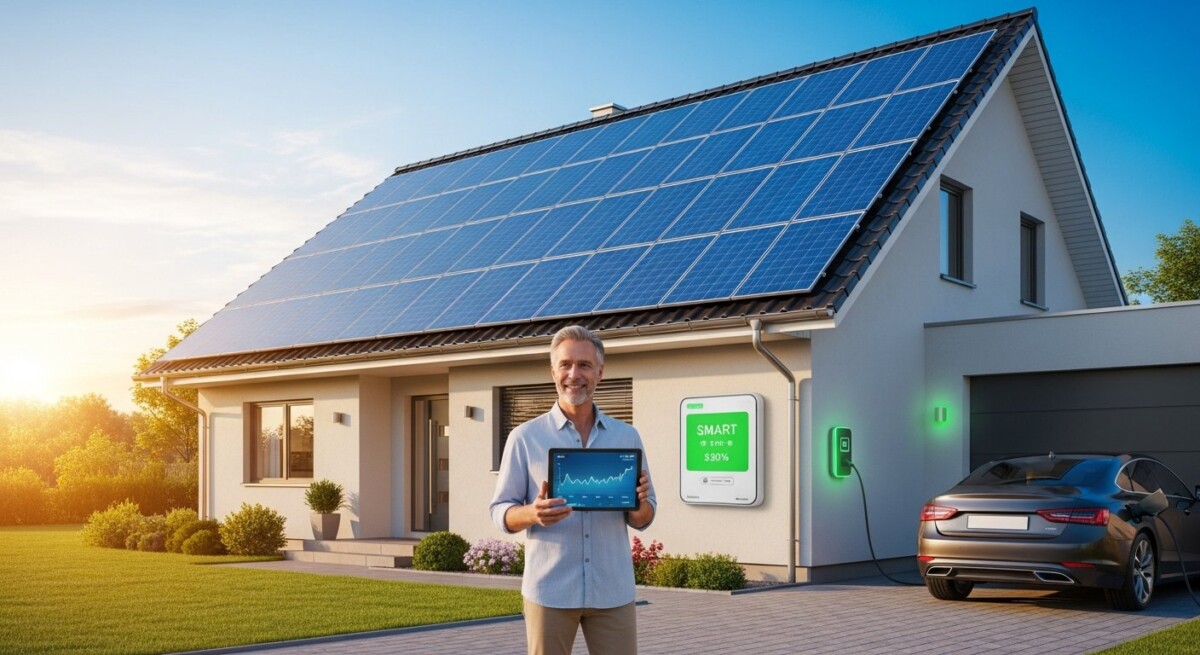
You open your monthly electricity bill and feel a familiar sting. Rates keep climbing, and your budget feels tighter every season. Many homeowners in your shoes start searching for solar energy for commercial buildings,but the same technology that helps businesses save works beautifully for homes too. Imagine slashing those monthly payments and relying less on a fluctuating power grid. That is exactly what residential solar panels can do for you.
Understanding Solar Energy for Commercial Buildings
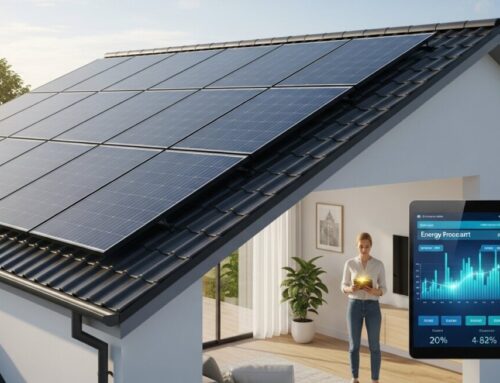
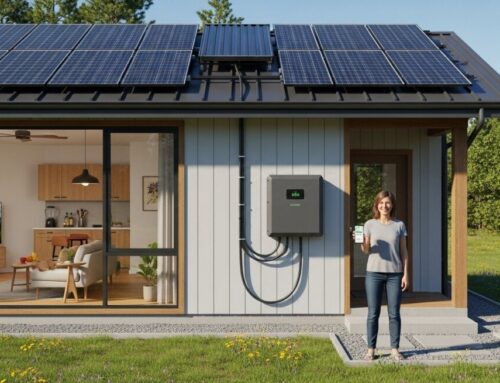
Solar energy converts sunlight into electricity using photovoltaic (PV) panels. These panels capture photons from the sun and create direct current (DC) electricity. An inverter then changes that DC power into alternating current (AC) electricity, which your home appliances use.
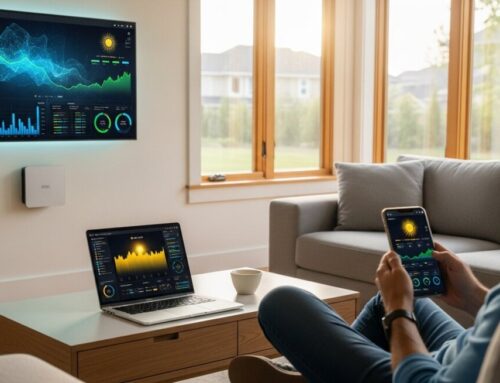
You do not need a warehouse or a flat rooftop to benefit. Modern residential solar systems fit standard sloped roofs, ground mounts, and even carports. Homeowners are increasingly adopting this technology because it turns a free natural resource into predictable savings. In our guide on AI tools for solar energy, we explain how data-driven insights help you optimize your system for maximum savings.
The basic principle is simple: generate your own power, use what you need, and send excess energy back to the grid for credits. This process is called net metering, and it is available in most states. The result? Lower bills and greater control over your energy future.
Why Solar Energy Is Becoming More Popular
Rising electricity prices are the number one reason homeowners switch to solar. Utility rates have increased nearly 15% over the past decade, and forecasts show no signs of slowing. Solar panels act as a hedge against these hikes by locking in your generation costs for 25 years or more.
Environmental concerns also drive adoption. Solar power produces no greenhouse gases during operation, so every kilowatt-hour from your roof reduces your carbon footprint. For families who want to leave a cleaner planet for their children, solar offers a tangible way to contribute.
Long-term financial savings seal the deal. Most homeowners recover their initial investment within 6 to 10 years through lower electricity bills. After that break-even point, your electricity is essentially free for the remaining life of the system. That is money you can redirect toward retirement, education, or home improvements.
If you are considering solar power for your home, comparing installation quotes can help you understand your options. Request a free solar quote or call to learn more.
Common Questions Homeowners Have About Solar
Many homeowners worry about the upfront cost of solar panels. Prices have dropped dramatically over the past decade, and federal tax credits now cover 30% of the total installation. Financing options like solar loans and leases make it possible to start saving with little or no money down.
Roof suitability is another frequent concern. Solar panels work best on south-facing roofs with minimal shading and at least 15 to 20 years of remaining life. But modern mounting systems can accommodate east- and west-facing roofs, and ground-mounted arrays are an option if your roof is not ideal.
Performance in cloudy or cold weather surprises many people. Solar panels actually operate more efficiently in cooler temperatures, and they still generate electricity on overcast days,just at a reduced rate. Modern systems are designed to produce consistent power year-round.
- Will solar panels damage my roof? No, when installed properly, panels protect the roof area beneath them.
- How long do solar panels last? Most panels come with 25-year warranties and continue producing at 80% efficiency after 30 years.
- Do I need a battery? Not necessarily, but batteries let you store excess energy for use at night or during outages.
- What happens if I move? Solar panels can increase home resale value, and you can transfer the lease or warranty to the new owner.
- Are there hidden fees? Reputable installers provide transparent quotes with all costs disclosed upfront.
- Will my HOA allow solar panels? Federal law generally protects your right to install solar, but check local covenants.
How Solar Panel Installation Works
Professional installation begins with a home energy assessment. An installer reviews your electricity bills, inspects your roof, and measures sunlight exposure. This data helps them design a system sized to cover your typical usage.
After you approve the design, the installer handles permits, utility approvals, and any required inspections. This paperwork can be tedious, but experienced companies manage it for you. Once approvals are in place, the physical installation typically takes one to three days.
- Home energy assessment , Review past bills and evaluate your roof condition and sun exposure.
- System design , Create a custom layout that maximizes energy production and fits your roof.
- Permits and approvals , Secure all necessary permissions from your local government and utility company.
- Panel installation , Mount the panels, connect wiring, and set up the inverter on your property.
- System activation , Pass final inspections, receive permission to operate from your utility, and start generating power.
Speaking with experienced installers can help you determine the best solar solution for your home. Compare solar quotes here or call to explore available options.
Signs Your Home May Be Ideal for Solar
Not every home is perfectly suited for solar, but many are. Start by checking your average monthly electricity bill. If you pay $100 or more every month, solar can likely save you money. The higher your bill, the faster your system will pay for itself.
Your roof matters too. A south-facing roof with little to no shade from trees or nearby buildings is ideal. You also need enough unshaded area: a typical residential system requires about 400 to 600 square feet of usable roof space. If your roof is older, consider replacing it before installing panels to avoid future removal costs.
- Your electricity bills exceed $100 per month consistently.
- Your roof faces south, west, or east with minimal shade.
- You have at least 400 square feet of unobstructed roof space.
- You plan to stay in your home for at least 5 to 7 more years.
- Your local utility offers net metering or similar incentives.
- Your roof was built or replaced within the last 10,15 years.
What Affects Solar Installation Costs
System size is the biggest cost driver. A larger system that covers 100% of your electricity needs costs more upfront than a smaller one that offsets only part of your usage. But the savings also scale up with size, so bigger systems often provide better long-term returns.
Equipment quality matters too. Premium panels from top manufacturers cost more but typically offer higher efficiency and longer warranties. Budget panels are cheaper but may degrade faster or produce less power in low-light conditions. Your installer can help you balance cost and performance.
Local incentives and installation complexity also influence the final price. Some states and utilities offer additional rebates or performance-based incentives that lower your net cost. Complex roof angles, multiple stories, or outdated electrical panels can add labor costs. The good news is that professional installers account for all these factors when designing your quote.
The cost of solar installation varies depending on your home and energy needs. Request personalized solar quotes or call to see what options are available.
Tips for Choosing a Reliable Solar Installer
Choosing the right installer is just as important as choosing the right panels. A reputable company ensures your system is designed correctly, installed safely, and supported by solid warranties. Start by looking for installers with at least five years of experience and valid licenses in your state.
Warranties protect your investment. Look for a minimum 25-year power production warranty on panels and a 10-year workmanship warranty on the installation. Customer reviews on platforms like Google, Yelp, and the Better Business Bureau can reveal how a company handles service calls and problems.
- Verify the installer’s licenses, insurance, and industry certifications (e.g., NABCEP).
- Read recent customer reviews on multiple platforms.
- Ask for at least three detailed quotes that include equipment, labor, and permits.
- Compare financing options: cash, loan, lease, or power purchase agreement.
- Check if the installer offers monitoring and ongoing maintenance services.
Long-Term Benefits of Installing Solar Panels
The most obvious benefit is lower electricity bills. Once your system is paid off, your monthly energy costs drop dramatically. Many homeowners see savings of $1,000 to $2,000 per year, depending on their location and electricity rates. Over 25 years, that adds up to tens of thousands of dollars.
Solar panels also increase your home’s value. Studies show that homes with solar systems sell for 4% to 6% more than comparable non-solar homes. Buyers recognize the value of lower utility costs and energy independence, making your property more attractive on the market.
Energy independence is another powerful benefit. When you generate your own electricity, you are less vulnerable to grid outages and rate hikes. Adding a battery system gives you backup power during blackouts, providing peace of mind for your family. And every kilowatt-hour of solar power reduces reliance on fossil fuels, helping to build a cleaner energy future. To better understand how solar fits into daily life, see our article on how we use solar energy daily.
How much can I save by switching to solar?
Savings vary based on your location, electricity rates, and system size. Most homeowners save between $10,000 and $30,000 over 20 years. A professional installer can calculate your specific savings during a home assessment.
Does solar work during winter or cloudy days?
Yes, solar panels still generate electricity on cloudy days, though at reduced efficiency. Modern panels are designed to capture diffuse sunlight. Snow can actually help by reflecting light onto panels once it melts or slides off.
What maintenance do solar panels require?
Solar panels need very little maintenance. Rain usually keeps them clean. You may need occasional cleaning in dusty areas or after heavy pollen seasons. Most systems come with monitoring software that alerts you to performance issues.
Are there government incentives for residential solar?
Yes, the federal solar Investment Tax Credit (ITC) lets you deduct 30% of your installation cost from your federal taxes. Many states and utilities offer additional rebates, performance payments, or property tax exemptions. Check the Database of State Incentives for Renewables & Efficiency (DSIRE) for your area.
Can I install solar panels myself to save money?
DIY solar installation is possible but not recommended for most homeowners. Professional installers handle permits, electrical work, and safety protocols. Mistakes can void warranties, create fire hazards, or prevent you from qualifying for incentives.
Will solar panels work with my existing electrical system?
In most cases, yes. Your installer will evaluate your electrical panel and may recommend an upgrade if it is outdated. Modern systems are designed to integrate seamlessly with standard home wiring.
How long does the installation process take?
After you sign a contract, installation typically occurs within 2 to 6 weeks. The physical installation takes one to three days. Final utility approval and system activation may add another week or two.
Is solar a good investment if I plan to sell my home soon?
It depends on your timeline. If you plan to sell within two years, you may not recoup the full installation cost. However, solar panels can increase your home’s resale value and attract eco-conscious buyers. A professional can help you evaluate the numbers for your situation.
Solar energy offers a practical path to lower bills, greater independence, and a cleaner planet. By understanding how the technology works and what affects costs, you can make an informed decision. The smartest step is to compare multiple quotes from experienced installers. Compare solar quotes now or call to start your journey toward energy savings.