What Affects Solar Panel Efficiency and Your Savings
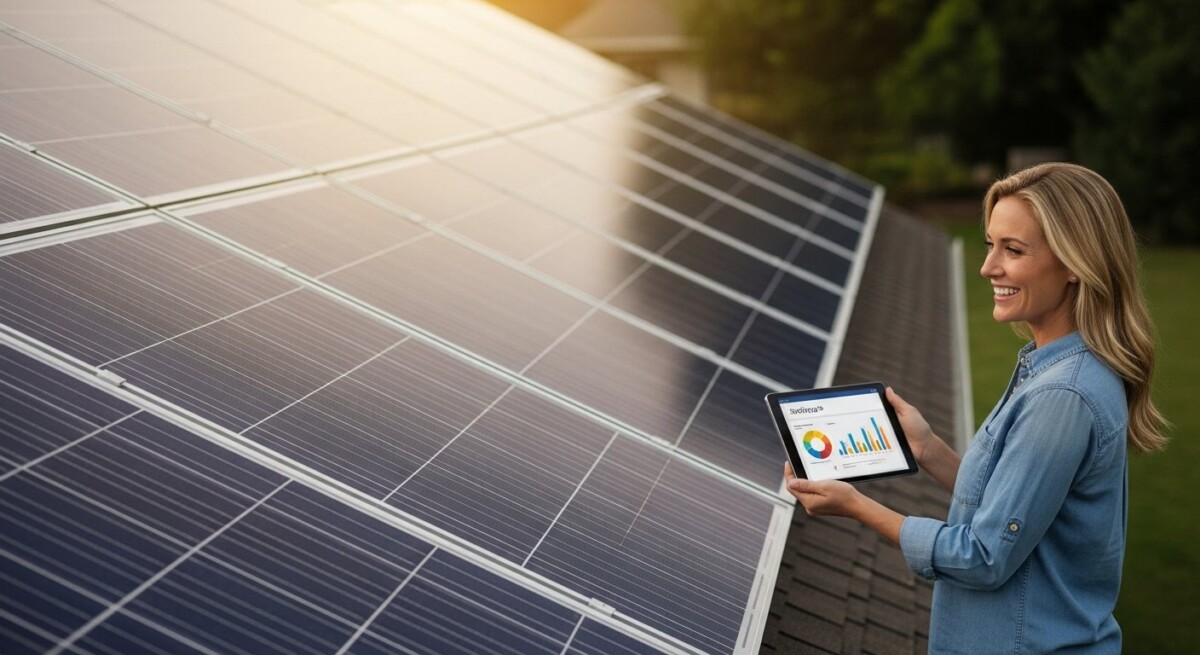
You open your monthly electric bill and feel a familiar sting. Prices keep climbing, and it seems like there is no end in sight. Like many homeowners, you have started searching for ways to reduce those costs and gain more control over your home energy use. This search often leads to one big question: what affects solar panel efficiency and how does it impact your potential savings?
Understanding what affects solar panel efficiency is the first step toward making a smart investment in your home. Efficiency determines how much electricity your panels can produce from the sunlight that hits them. When you know what influences that number, you can choose the right system for your home, reduce your monthly electricity bills, and move closer to true energy independence.
Understanding what affects solar panel efficiency
Solar panel efficiency refers to how well a panel converts sunlight into usable electricity. Most residential panels today convert between 18 and 22 percent of the sunlight they receive into power. This percentage may sound small, but modern technology has made panels far more productive than they were just a decade ago.
Several key factors determine a panel’s efficiency. The type of solar cell used , monocrystalline, polycrystalline, or thin-film , plays a major role. Monocrystalline panels are the most efficient and perform better in low-light conditions, while polycrystalline panels offer a lower upfront cost with slightly lower efficiency. Temperature also matters: panels lose some efficiency on very hot days, which is why proper ventilation during installation is so important.
Why efficiency matters for your home
Higher efficiency panels produce more electricity in less space. This is critical if your roof has limited area or if parts of it are shaded during the day. A professional installer can help you understand how much power you need and which panel type will deliver the best results for your home. In our guide on factors affecting solar panel efficiency, we explain how these choices directly affect your long-term savings.
More homeowners are considering solar because of rising utility rates and growing awareness of renewable energy benefits. Solar panels can cut your electric bill by 50 to 90 percent depending on your location, system size, and local sunlight hours. When you understand what affects solar panel efficiency, you can make an informed decision that protects your household budget for decades.
Why Solar Energy Is Becoming More Popular
Electricity prices have risen steadily across the United States, and many homeowners feel the pressure. Solar power offers a way to lock in lower energy costs and shield your household from future rate hikes. This financial predictability is one of the strongest reasons families are making the switch.
Environmental concerns also drive interest in solar. Generating your own clean electricity reduces your carbon footprint and supports a healthier planet. For many people, knowing that their home runs on renewable energy brings a deep sense of satisfaction and purpose.
Beyond the monthly savings, solar panels increase your property value. Studies show that homes with solar systems sell faster and at higher prices than comparable homes without them. Combining these benefits with available tax credits and rebates makes solar an increasingly attractive option for budget-conscious homeowners.
If you are considering solar power for your home, comparing installation quotes can help you understand your options. Request a free solar quote or call to learn more.
Common Questions Homeowners Have About Solar
Many homeowners worry about the upfront cost of solar installation. The good news is that federal tax credits, state rebates, and financing options have made solar more affordable than ever. Most systems pay for themselves within 7 to 10 years and continue saving you money for decades after that.
Roof suitability is another common concern. South-facing roofs with minimal shading and plenty of sunlight are ideal, but modern panels work well on east- and west-facing roofs too. A professional installer will assess your roof’s age, material, and angle to determine if solar is a good fit for your home.
Performance questions also come up frequently. Homeowners want to know how panels perform on cloudy days or during winter. Solar panels still generate electricity in diffuse light, though at reduced levels. Net metering programs allow you to send excess power back to the grid and earn credits, which helps balance out seasonal variations.
- How much does a typical residential solar system cost?
- Will solar panels work on my roof type?
- How long do solar panels last?
- What happens if my panels produce more power than I use?
- Do I need a battery with my solar system?
- How do I maintain my solar panels?
How Solar Panel Installation Works
Installing solar panels is a straightforward process when you work with a qualified professional. The first step is a home energy assessment, where an installer reviews your electricity usage, roof condition, and sunlight exposure. This information helps design a system that meets your specific needs.
Once the design is complete, the installer handles all necessary permits and approvals from your local utility and municipality. This step ensures your system meets safety standards and qualifies for net metering or other incentive programs. The actual installation usually takes one to three days depending on system size and roof complexity.
- Home energy assessment and usage analysis
- System design and equipment selection
- Permitting and utility approvals
- Panel and inverter installation on your roof
- Inspection and system activation
Speaking with experienced installers can help you determine the best solar solution for your home. Compare solar quotes here or call to explore available options.
Signs Your Home May Be Ideal for Solar
Not every home is equally suited for solar, but most can benefit from at least some panel installation. The best candidates have roofs that receive direct sunlight for most of the day, especially between 9 a.m. and 3 p.m. If your roof is shaded by tall trees or neighboring buildings, trimming trees or choosing higher efficiency panels can help.
High electricity bills are another strong indicator that solar is right for you. If you pay more than $100 per month on average, solar can likely reduce that cost significantly. Homes with south-facing roof space and minimal obstructions are especially good candidates for maximum energy production.
- Your roof gets at least 5 hours of direct sunlight daily
- You pay high monthly electricity bills
- Your roof is in good condition and has at least 15,20 years of life left
- You plan to stay in your home for at least 5,7 years
- Your local utility offers net metering or solar incentives
What Affects Solar Installation Costs
The total cost of a solar system depends on several variables. System size is the biggest factor: larger homes with higher energy needs require more panels and a bigger inverter, which increases the price. Equipment quality also matters, as premium panels and inverters cost more but often deliver better long-term performance.
Installation complexity can raise costs if your roof has multiple angles, is steep, or requires structural reinforcement. Local labor rates and permit fees also vary by region. Fortunately, the federal solar tax credit currently covers 30 percent of the total system cost, and many states and utilities offer additional rebates that lower your out-of-pocket expense.
Understanding what affects solar panel efficiency helps you choose equipment that balances upfront cost with long-term savings. A slightly more expensive high-efficiency panel may produce enough extra power to pay for itself within a few years, especially on a roof with limited space.
The cost of solar installation varies depending on your home and energy needs. Request personalized solar quotes or call to see what options are available.
Tips for Choosing a Reliable Solar Installer
Selecting the right installer is just as important as choosing the right panels. A trustworthy company will conduct a thorough site evaluation, explain all costs upfront, and help you navigate incentive programs. Look for installers who have been in business for several years and have a strong track record of completed projects.
Warranties offer important protection for your investment. Most quality panels come with a 25-year performance warranty, and reputable installers offer workmanship guarantees of at least 10 years. Reading online reviews and asking for references can give you confidence in your choice.
- Verify the installer’s licenses and insurance
- Ask about equipment warranties and workmanship guarantees
- Read recent customer reviews on multiple platforms
- Get at least three detailed quotes for comparison
- Ask about financing options and available incentives
Long-Term Benefits of Installing Solar Panels
The most obvious benefit of solar panels is lower electricity bills. Once your system is paid off, your power is essentially free for the remaining life of the panels. Many homeowners see their monthly bills drop by 70 percent or more, freeing up money for other priorities.
Solar panels also increase your home’s resale value. Studies from the National Renewable Energy Laboratory show that homes with solar sell for about 4 percent more than comparable homes without it. This added value, combined with years of energy savings, makes solar one of the best home improvements you can make.
Beyond financial gains, solar gives you energy independence. You rely less on the grid and are less affected by utility rate increases. Generating clean energy also reduces your household’s environmental impact, helping combat climate change one roof at a time. As we discuss in our article on how AI can improve solar panel efficiency for homeowners, new technologies continue to make solar more effective and accessible.
How much roof space do I need for solar panels?
Most homes need between 300 and 500 square feet of roof space to install enough panels to cover their electricity usage. A typical solar panel is about 3 feet by 5 feet, and the number you need depends on your energy consumption and panel efficiency. A professional installer can calculate the exact requirements during a site visit.
Do solar panels work during a power outage?
Standard grid-tied solar systems shut down during a power outage for safety reasons. If you want backup power during outages, you need a battery storage system like the Tesla Powerwall or similar products. Batteries store excess solar energy and allow you to power essential appliances when the grid is down.
How long do solar panels last?
Solar panels are built to last 25 to 30 years, and many continue producing power at reduced efficiency beyond that. Most manufacturers offer a 25-year performance warranty guaranteeing at least 80 percent of original output. With proper maintenance, panels can last even longer.
What happens if I move after installing solar?
You can include the solar system in the sale of your home, and many buyers see it as a valuable upgrade. If you own the panels outright, you can negotiate a higher sale price. If you have a solar lease or power purchase agreement, the new owner may need to take over the contract.
Can I install solar panels myself?
While DIY solar kits exist, professional installation is strongly recommended. Certified installers understand local building codes, electrical safety requirements, and optimal panel placement. Improper installation can void warranties, create safety hazards, and reduce system performance.
How much does solar panel maintenance cost?
Solar panels require very little maintenance. Rain usually keeps them clean, but in dusty areas, occasional rinsing with a garden hose may help. Annual inspections by a professional cost around $150 to $300 and ensure your system operates at peak efficiency.
Will solar panels damage my roof?
When installed correctly by a qualified professional, solar panels actually protect the roof area underneath them. Installers use specialized mounting systems that seal around roof penetrations to prevent leaks. In fact, panels can extend the life of the covered portion of your roof by shielding it from sun and rain.
How do I know if my roof is strong enough for solar?
Most modern roofs can support the weight of solar panels, which typically add about 3 to 5 pounds per square foot. A structural engineer or your installer can evaluate your roof’s condition and load-bearing capacity during the initial assessment. If needed, reinforcements can be made before installation.
Understanding what affects solar panel efficiency helps you make a confident decision about going solar. When you compare quotes from multiple installers, you gain clarity on equipment options, costs, and potential savings. Take the first step today and see how solar can transform your home energy experience.