How Accurate AI Solar Predictions Boost Your Savings
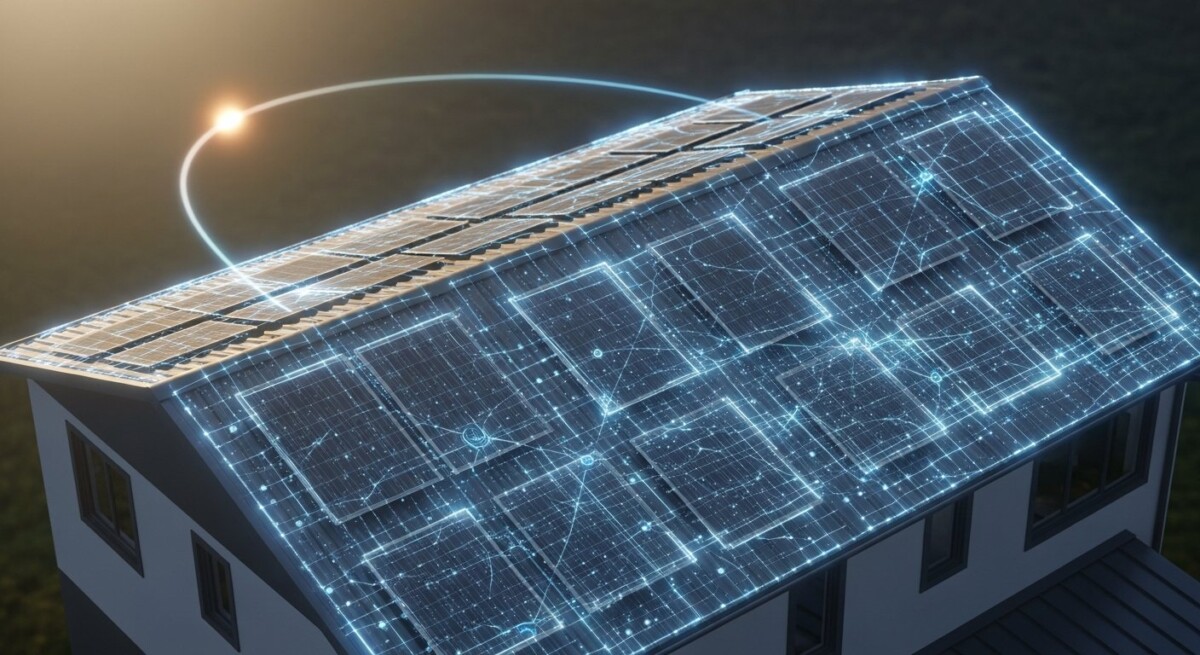
You open your monthly electricity bill and wince. Rates keep climbing, and you wonder if there is a way to take control. Many homeowners are now searching for answers about solar energy and asking themselves just how accurate AI solar predictions really are when it comes to estimating long-term savings.
The idea of reducing your energy bills and becoming less dependent on the power grid is appealing. Yet, you want proof that the investment will pay off. That is where modern technology steps in to give you trustworthy numbers you can actually rely on.
Let us explore how accurate AI solar predictions are and why this matters for your home.
Understanding How Accurate AI Solar Predictions Are
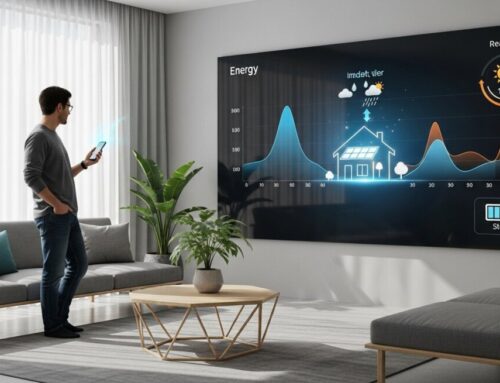
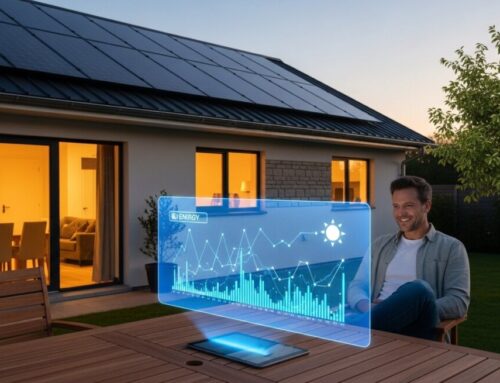
Artificial intelligence has changed the way solar companies estimate your potential savings. Instead of using rough averages, AI analyzes your specific roof, local weather patterns, and electricity usage to create a personalized forecast.
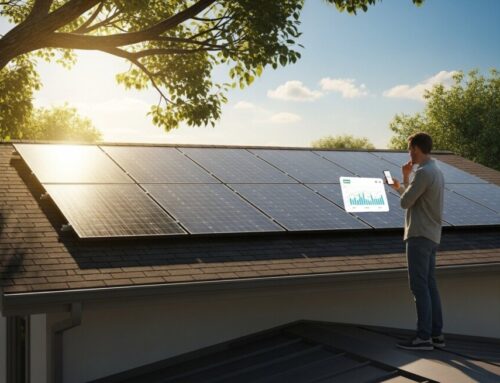
AI models process millions of data points, including satellite images of your roof, historical sunlight hours in your area, and even shading from nearby trees. This gives you a prediction that is far more precise than a simple rule-of-thumb estimate.
How the Technology Works
The system learns from past installations and real-world performance data. It adjusts for seasonal changes, cloud cover, and even future electricity rate increases. Most platforms now achieve accuracy rates above 90% when comparing predicted versus actual energy production.
This means you can trust the numbers you see in a solar proposal. When an installer shows you how accurate AI solar predictions are for your home, you are looking at a data-driven forecast, not a guess.
Why Solar Energy Is Becoming More Popular
Rising electricity prices are the number one reason homeowners are switching to solar. Every year, utility rates increase, making grid power more expensive. Solar panels allow you to lock in a lower, predictable energy cost for decades.
Environmental concerns also play a major role. Generating your own clean energy reduces your carbon footprint significantly. Many homeowners feel good about contributing to a healthier planet while saving money at the same time.
Long-term savings are hard to ignore. Most solar systems pay for themselves within 6 to 10 years and continue producing free electricity for another 15 to 20 years. That is tens of thousands of dollars in avoided utility bills over the life of the system.
If you are considering solar power for your home, comparing installation quotes can help you understand your options. Request a free solar quote or call to learn more.
Common Questions Homeowners Have About Solar
Many homeowners wonder if solar panels will work on their specific roof. The good news is that most roofs with southern, eastern, or western exposure can accommodate panels. A professional assessment will tell you exactly what is possible.
Installation cost is another major concern. Prices have dropped dramatically over the past decade, and federal tax credits now cover 30% of the total system cost. Many states also offer additional rebates that further reduce your out-of-pocket expense.
Performance in cloudy or rainy weather is a frequent question. Solar panels still generate electricity on overcast days, just at a reduced rate. Modern systems are designed to keep your home powered even when the sun is not shining brightly.
- Will solar panels work during a power outage?
- How long does installation take?
- Do I need to clean my panels regularly?
- What happens if my roof needs repairs later?
- Can I add more panels in the future?
How Solar Panel Installation Works
The process begins with a home energy assessment. An installer reviews your past electricity bills, measures your roof, and uses AI tools to calculate how many panels you need to meet your energy goals.
Next comes system design and permitting. The installer creates a custom layout for your roof and submits the necessary paperwork to your local utility and city government. This step ensures your system meets all safety and code requirements.
- Home energy assessment and AI-powered savings estimate
- Custom system design and equipment selection
- Permit applications and utility approval
- Professional panel installation (typically 1 to 3 days)
- Final inspection and system activation
Speaking with experienced installers can help you determine the best solar solution for your home. Compare solar quotes here or call to explore available options.
Signs Your Home May Be Ideal for Solar
Homes with strong sunlight exposure and minimal shading are prime candidates for solar. If your roof faces south or west and receives direct sun for most of the day, you will likely see excellent energy production.
High electricity bills are another strong indicator. The more you pay the utility company each month, the more you stand to save by generating your own power. Solar is especially valuable if you live in an area with time-of-use rates or high demand charges.
- Your roof gets at least 4 to 5 hours of direct sunlight daily
- Your monthly electricity bill exceeds $100
- You have at least 300 square feet of usable roof space
- You plan to stay in your home for 5 or more years
- Your roof is in good condition or recently replaced
What Affects Solar Installation Costs
System size is the biggest cost factor. A larger system that covers 100% of your electricity usage will cost more upfront but also deliver greater long-term savings. AI predictions help you find the sweet spot between cost and energy production.
Equipment quality also matters. High-efficiency panels and premium inverters cost more but produce more electricity over their lifespan. Cheaper components may save money now but lead to lower performance and shorter warranties.
Local incentives can dramatically lower your net cost. Federal tax credits, state rebates, and net metering programs reduce your investment by thousands of dollars. A professional installer will help you identify every incentive you qualify for.
The cost of solar installation varies depending on your home and energy needs. Request personalized solar quotes or call to see what options are available.
Tips for Choosing a Reliable Solar Installer
Start by reviewing the installer’s experience and credentials. Look for companies that have been in business for several years and hold certifications from the North American Board of Certified Energy Practitioners (NABCEP). This ensures they follow industry best practices.
Check warranties carefully. A quality installer offers a 25-year performance warranty on panels and a 10-year workmanship warranty. Avoid companies that provide vague or short-term guarantees, as this often indicates lower-quality work.
- Read online reviews on Google, Yelp, and the Better Business Bureau
- Ask for references from recent installations in your area
- Compare at least three quotes before making a decision
- Verify that the installer handles permits and utility approvals
- Request a detailed breakdown of equipment and labor costs
Long-Term Benefits of Installing Solar Panels
Lower electricity bills are the most immediate benefit. Once your system is paid off, your monthly power cost drops to near zero. Even with financing, your solar payment is often less than what you were paying the utility company.
Your home value increases as well. Studies show that homes with solar panels sell for 4% to 6% more than comparable homes without them. This makes solar a smart investment that adds equity to your property.
Energy independence gives you peace of mind. You are protected from future rate hikes and grid instability. Combined with a battery system, you can keep your lights on even during blackouts.
Environmental benefits are substantial. The average residential solar system offsets roughly 3 to 4 tons of carbon dioxide each year. That is equivalent to planting more than 100 trees annually.
Frequently Asked Questions
How accurate are AI solar predictions for my home?
Modern AI models are highly accurate, often within 5% to 10% of actual energy production. They analyze your specific roof, local weather, and shading to give you a reliable forecast you can use to compare quotes.
Will solar panels work on a cloudy day?
Yes, solar panels still generate electricity in cloudy conditions. They produce about 10% to 25% of their rated capacity on overcast days. AI predictions account for your local cloud cover when estimating annual savings.
How long do solar panels last?
Most solar panels come with a 25-year performance warranty and continue producing electricity for 30 years or more. They degrade slowly, losing about 0.5% efficiency each year, so they still work well decades after installation.
Do I need a battery with my solar system?
Batteries are optional but becoming more popular. They store excess energy for use at night or during power outages. AI predictions can show you whether adding a battery makes financial sense for your home.
Can I install solar panels myself?
DIY installation is possible but not recommended for most homeowners. Professional installers handle permits, safety inspections, and proper wiring. Mistakes can void warranties and create safety hazards.
What is net metering and how does it work?
Net metering credits you for excess solar energy you send back to the grid. When your panels produce more power than you use, your meter runs backward. You can then use those credits when your system produces less, such as at night.
How much does a typical solar system cost after incentives?
The average residential system costs between $10,000 and $20,000 after the 30% federal tax credit. State and local rebates can lower that amount further. Comparing quotes helps you find the best price for your home.
How do I know if my roof is suitable for solar?
A professional installer will inspect your roof’s age, material, and orientation. Most asphalt shingle, tile, and metal roofs work well. AI tools can analyze satellite images to give you a preliminary assessment before you schedule a visit.
The decision to go solar is one of the most impactful steps you can take for your finances and the environment. Understanding how accurate AI solar predictions are gives you the confidence to move forward. Start by comparing installation quotes from trusted professionals to find the system that fits your home and budget.