How Solar Energy Automation AI Can Lower Your Electric Bills
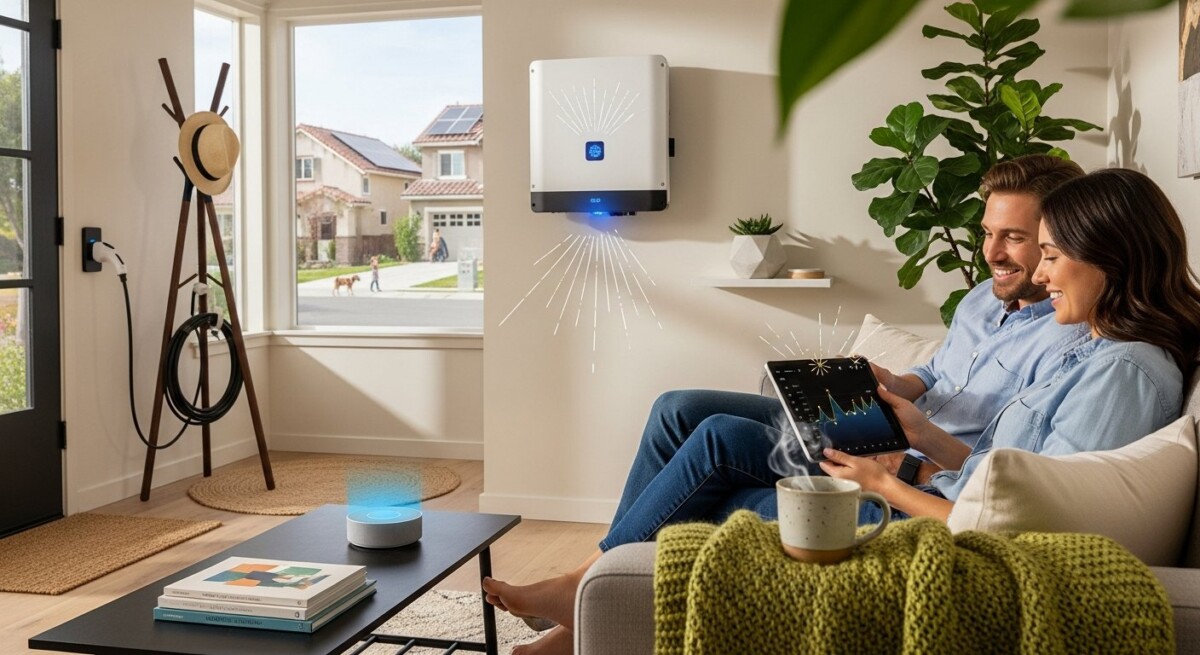
Every month, you open your electric bill and wonder where all that money went. You are not alone. Rising electricity costs are pushing more homeowners to search for smarter ways to power their homes. One solution gaining attention is solar energy automation ai, a technology that combines solar panels with intelligent systems to maximize savings and reduce grid dependence.
Imagine a system that not only generates your own power but also learns your energy habits and adjusts in real time. That is the promise of solar energy automation ai. In this article, we will explain what this technology is, how it works, and why comparing installation quotes is the smartest first step toward lower bills and energy independence.
Understanding Solar Energy Automation AI
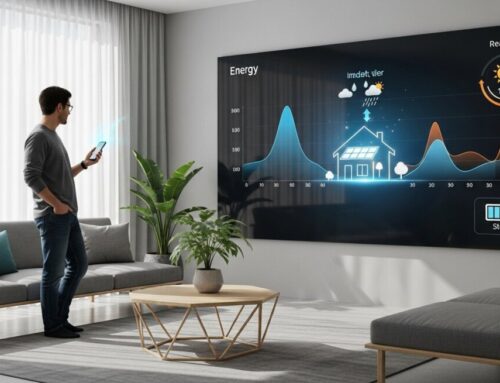
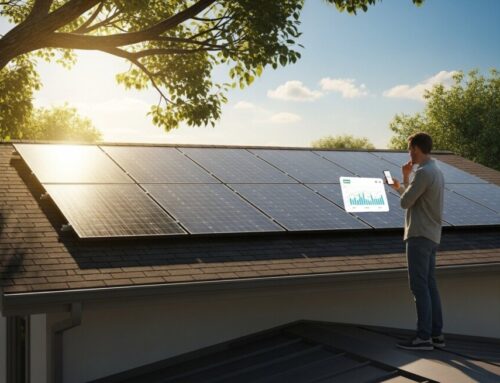
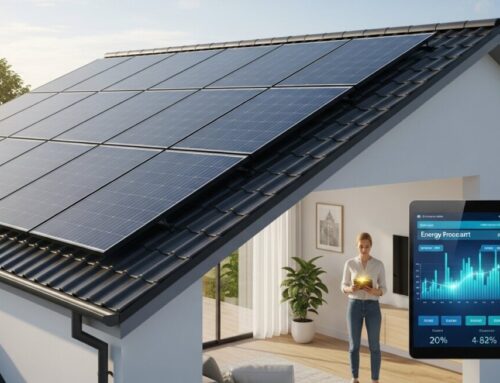
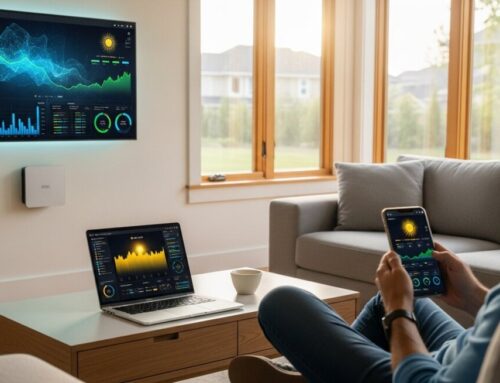
Solar energy automation ai refers to the use of artificial intelligence to manage and optimize a home solar power system. Instead of panels simply sitting on your roof, intelligent software monitors energy production, weather forecasts, and your household consumption to make split-second decisions.
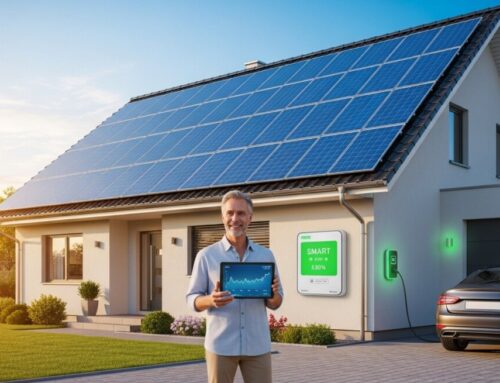
For example, on a cloudy day, the system might draw stored battery power during peak rate hours. When the sun is strong, it can divert excess energy to charge your electric vehicle or sell it back to the grid. This automation takes the guesswork out of saving money, letting your system work for you around the clock.
More homeowners are considering this technology because it turns a static solar setup into a dynamic, money-saving asset. By analyzing patterns, AI can predict your future usage and adjust settings to avoid buying expensive grid electricity.
How AI Makes Solar Smarter
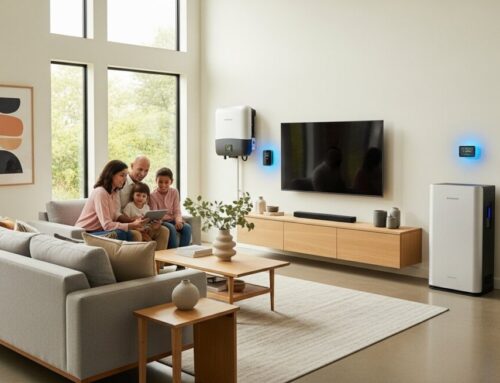
At its core, the AI uses data from your home, your solar panels, and local weather stations. It learns when you typically run the dishwasher, when your family wakes up, and when the sun is strongest. Then it automatically manages your energy flow to minimize costs and maximize self-consumption. In our guide on solar energy data analytics, we explain how this data-driven approach helps you save on electricity bills without lifting a finger.
Why Solar Energy Is Becoming More Popular
Electricity rates have risen steadily over the past decade, and many homeowners feel the pinch. Solar power offers a way to lock in lower energy costs for decades. Even without AI, a standard solar system can cut your monthly bills by 50 to 90 percent depending on your location and energy use.
Environmental concerns also drive the shift. People want to reduce their carbon footprint without sacrificing comfort. Solar energy is clean, renewable, and produces no emissions once installed. Plus, long-term savings are substantial,most systems pay for themselves within 6 to 10 years and continue generating free electricity for another 15 to 20 years.
If you are considering solar power for your home, comparing installation quotes can help you understand your options. Request a free solar quote or call to learn more.
Common Questions Homeowners Have About Solar
When exploring solar, most homeowners ask about cost, roof suitability, and performance. These are valid concerns that a professional installer can address during a free consultation. The key is knowing what to ask and what to look for.
Here are some of the most frequent questions:
- How much does a solar system cost? The average residential system runs between $15,000 and $25,000 before incentives, but prices vary widely based on size and equipment.
- Is my roof good for solar? South-facing roofs with little shade and a slope between 15 and 40 degrees are ideal, but many homes still qualify.
- Will solar work during cloudy days or at night? Panels still produce power on cloudy days, and batteries store excess energy for evening use.
- How long do solar panels last? Most panels come with 25-year performance warranties and can last 30 years or more.
- What happens if I move? Solar panels can increase your home’s resale value, and some systems are transferable to the new owner.
- Are there government incentives available? Yes, the federal solar tax credit currently covers 30% of installation costs, and many states offer additional rebates.
How Solar Panel Installation Works
Installation is a straightforward process when you work with a qualified team. It typically takes one to three days on site, but the planning phase ensures everything fits your home perfectly. A professional installer handles the heavy lifting so you don’t have to worry about permits or technical details.
Here are the main steps:
- Home energy assessment , An installer reviews your past bills, inspects your roof, and measures your energy usage to design the right system.
- System design , Using software, they create a custom layout that maximizes sun exposure and meets your budget.
- Permits and approvals , The installer applies for local building permits and utility interconnection agreements so your system is legal and safe.
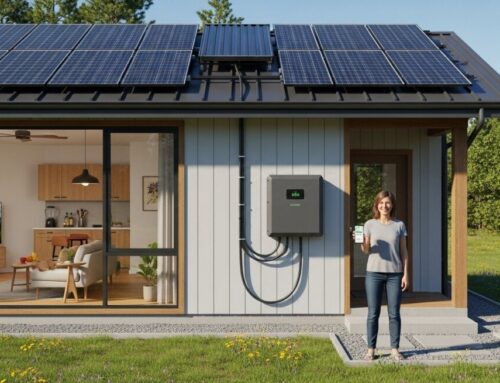
- Panel installation , Mounts are secured to your roof, panels are attached, and wiring is connected to your electrical panel.
- System activation , After inspection and utility approval, your solar system is turned on and starts generating power immediately.
Speaking with experienced installers can help you determine the best solar solution for your home. Compare solar quotes here or call to explore available options.
Signs Your Home May Be Ideal for Solar
Not every home is equally suited for solar, but many are. If you own your home and have a roof that gets good sun, you are likely a strong candidate. Even homes with less-than-perfect roofs can benefit from ground-mounted panels or community solar programs.
Look for these indicators that your home is ready for solar:
- Strong sunlight exposure , Your roof receives direct sunlight for most of the day, especially between 9 a.m. and 3 p.m.
- High electricity bills , You pay more than $100 per month on average, making solar a worthwhile investment.
- Suitable roof space , You have at least 300 square feet of unshaded roof area facing south, east, or west.
- Long-term home ownership plans , You plan to stay in your home for at least 5 to 7 years to fully recoup the investment.
- Good roof condition , Your roof is less than 10 years old or in good shape, so you won’t need to replace it soon after installation.
What Affects Solar Installation Costs
Solar system prices depend on several factors, and understanding them helps you compare quotes accurately. The size of the system, measured in kilowatts, is the biggest driver. A larger home with higher energy use will need more panels, which increases the upfront cost.
Equipment quality also matters. Premium panels and inverters cost more but often produce more power and last longer. Installation complexity, such as a steep roof or older electrical panel, can add labor costs. Finally, local incentives and net metering policies can significantly reduce your net price.
For a deeper look at pricing, read our article on AI solar energy cost explained to see how automation affects your bottom line.
The cost of solar installation varies depending on your home and energy needs. Request personalized solar quotes or call to see what options are available.
Tips for Choosing a Reliable Solar Installer
Finding the right installer is just as important as choosing the right panels. A good installer will guide you through permits, incentives, and system design, ensuring your system performs as promised. They also stand behind their work with warranties and ongoing support.
Use these tips when evaluating installers:
- Review installer experience , Look for companies with at least 3 to 5 years in business and a track record of successful installations.
- Check warranties , Ensure the installer offers a workmanship warranty (typically 10 years) and that panels have a 25-year performance guarantee.
- Read customer reviews , Check platforms like Google, Yelp, and the Better Business Bureau for real feedback.
- Compare multiple quotes , Get at least three quotes to compare pricing, equipment, and service terms before making a decision.
Long-Term Benefits of Installing Solar Panels
Once your system is live, you will immediately notice lower electricity bills. Over time, those savings add up to tens of thousands of dollars, especially if you take advantage of net metering or battery storage. Solar also increases your home’s value,studies show homes with solar sell for 4 to 6 percent more than comparable homes without it.
Beyond finances, solar gives you energy independence. You are less affected by rate hikes, blackouts, and grid failures. Environmentally, every kilowatt-hour of solar power avoids about 0.8 pounds of CO2 emissions. Over 25 years, a typical home system offsets the equivalent of planting over 100 trees annually.
Frequently Asked Questions
What is solar energy automation ai?
Solar energy automation ai is a smart system that uses artificial intelligence to manage your home’s solar power. It analyzes energy usage, weather, and grid rates to automatically optimize when you use, store, or sell electricity.
How much can I save with solar panels?
Typical homeowners save between $10,000 and $30,000 over 20 years depending on their location, energy usage, and local incentives. Adding AI-driven automation can increase those savings by 10 to 20 percent.
Do solar panels work during power outages?
Standard grid-tied systems shut off during outages for safety. However, if you have a battery storage system, you can keep essential appliances running even when the grid is down.
Are there government rebates for solar in 2025?
Yes, the federal solar investment tax credit (ITC) remains at 30% for systems installed through 2032. Many states and utilities also offer additional rebates, performance payments, or tax exemptions.
How long does it take to install solar panels?
Once you sign a contract, installation usually happens within 2 to 4 weeks. The actual on-site work takes 1 to 3 days, followed by inspection and utility approval, which can add another 2 to 4 weeks.
What happens if my roof needs repairs after solar is installed?
A reputable installer will ensure your roof is in good condition before installation. If repairs are needed later, the panels may need to be temporarily removed by a professional, which is why choosing an installer with a strong warranty is important.
Can I add batteries to my existing solar system?
Yes, most modern systems are battery-ready. Adding a battery later is possible, but it is often more cost-effective to install it at the same time as the panels.
How do I know if my home qualifies for solar?
The best way is to request a free site assessment from a licensed installer. They will evaluate your roof, shade, and energy usage to determine if solar is a good fit for you.
Solar energy is a smart investment for your home, your wallet, and the planet. By understanding your options and comparing quotes from trusted professionals, you can find a system that fits your needs and budget. Take the first step today and explore solar installation quotes to see how much you could save.