How AI Reduces Solar Energy Waste for Homeowners
If you’re a homeowner watching your electricity bill climb, you’re not alone. Many are searching for ways to cut costs and gain independence from the unpredictable power grid. Solar energy offers a powerful solution, and modern technology is making it smarter and more efficient than ever. This article explores how artificial intelligence (AI) is key to reducing solar energy waste, ensuring you get the most from every ray of sunshine on your roof.
Understanding How AI Reduces Solar Energy Waste
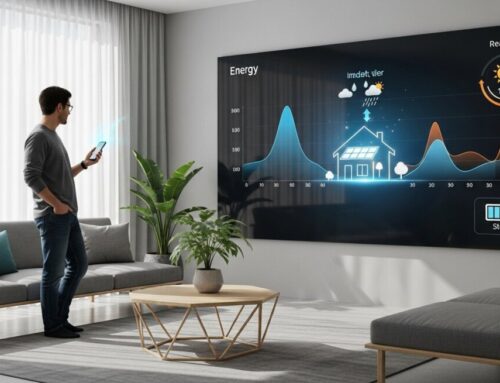
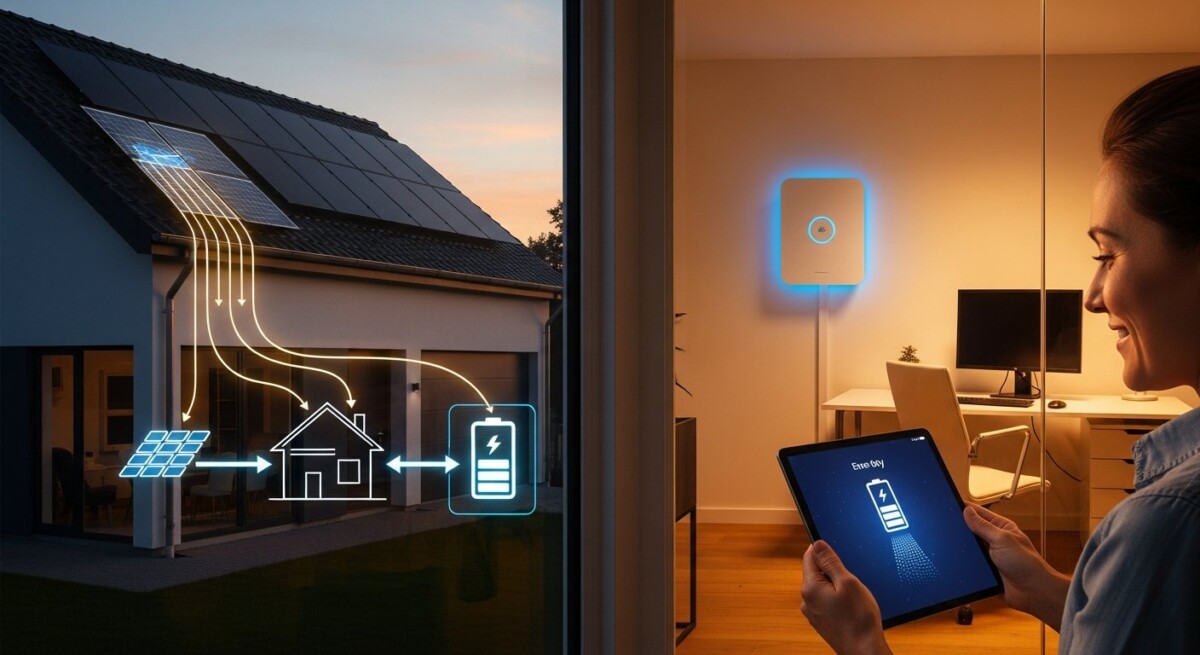
At its core, solar energy waste happens when your panels produce more power than your home can use at that moment. Traditionally, this excess energy gets sent back to the grid, often for minimal credit, or is simply lost. AI steps in as a smart manager for your entire home energy system.
It works by constantly learning your household’s energy patterns, predicting weather changes, and optimizing where every watt of solar power goes. Think of it as a brilliant, automated conductor for your home’s energy orchestra. This technology ensures less power is wasted and more is used directly by you or stored for later.
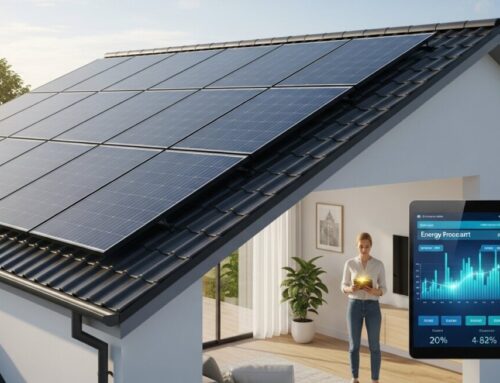
More homeowners are now considering AI-enhanced systems because they maximize the return on a significant investment. By minimizing waste, you keep more of the free energy you produce, which directly translates to lower bills and faster payback on your solar panels.
Why Solar Energy Is Becoming More Popular
Rising electricity prices are a major driver for the solar boom. Locking in a predictable, low-cost energy source for decades provides immense financial peace of mind. Solar panels act as a shield against future rate hikes from your utility company.
Beyond savings, environmental concerns are a powerful motivator. Generating clean power from your roof significantly reduces your household’s carbon footprint. It’s a tangible step towards a sustainable future that also benefits your wallet.
The combination of long-term savings, energy independence, and environmental benefits creates a compelling case. With available government incentives and rebates lowering the upfront cost, solar power has moved from a niche alternative to a mainstream home upgrade.
If you are considering solar power for your home, comparing installation quotes can help you understand your options. Request a free solar quote or call to learn more.
Common Questions Homeowners Have About Solar
It’s normal to have questions before investing in solar panels. The initial cost is often the first concern, but it’s crucial to view it as a long-term investment with monthly savings that add up over time. Many are also unsure if their roof is suitable or if they’ll have enough sunlight.
Performance worries are common, especially regarding cloudy days or system maintenance. Modern systems, especially those with AI optimization and battery storage, are designed to handle variability and provide reliable power. A professional installer can assess your specific situation and provide clear, trustworthy answers.
- How much do solar panels really cost, and what are the financing options?
- Is my roof strong enough, and does it get enough sun?
- What happens to my solar power when the sun isn’t shining?
- How long will the system last, and what maintenance is required?
- Will solar panels increase my property value?
- How do I navigate permits, rebates, and incentives?
How Solar Panel Installation Works
The installation process is designed to be straightforward for the homeowner, handled by experienced professionals. It begins with a detailed assessment of your home’s energy needs and physical characteristics. This ensures the system is perfectly tailored for you.
From there, the installer manages the design, permits, and paperwork, leveraging their knowledge of local regulations and available incentives. The physical installation is typically completed in just a few days, with minimal disruption to your daily life.
- Home Energy Assessment: Review of your electricity usage and a site evaluation.
- System Design: Custom plan for panel placement, inverter, and potential battery storage.
- Permits and Approvals: Your installer secures all necessary local permits and utility approvals.
- Panel Installation: Mounting racks, installing panels, and setting up electrical components.
- System Activation: Final inspection and connection to the grid, flipping the switch on your new power source.
Speaking with experienced installers can help you determine the best solar solution for your home. Compare solar quotes here or call to explore available options.
Signs Your Home May Be Ideal for Solar
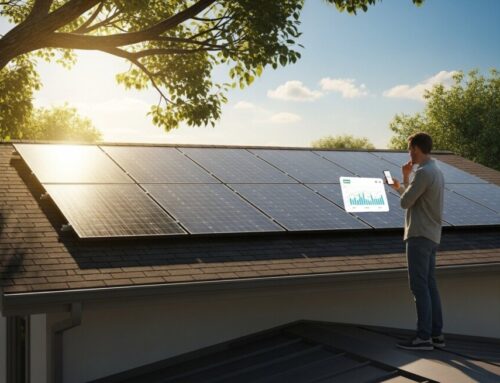
Certain conditions make a home particularly well-suited for solar panels, leading to greater savings and efficiency. The most obvious factor is strong, unobstructed sunlight exposure on your roof for most of the day. Even partially shaded roofs can work, but production will be optimized with clear access.
If you have high monthly electricity bills, solar can provide substantial relief. The more you currently pay, the greater your potential savings. A suitable roof with adequate space and a relatively good condition is also a key indicator.
- Your roof faces south, east, or west with minimal shading from trees or other structures.
- You consistently have high electricity bills you’d like to reduce.
- Your roof has sufficient, uncluttered space and is in good condition.
- You plan to own your home for the next 5-10 years to realize the full financial benefits.
- You live in an area with strong net metering policies or solar incentives.
- You’re interested in increasing your home’s value and energy independence.
What Affects Solar Installation Costs
The final price of a solar system isn’t one-size-fits-all. The system size, measured in kilowatts (kW), is the primary driver,it’s directly based on your home’s energy consumption. A larger system to power a big home with high usage will cost more than a smaller one.
Equipment quality also plays a role. Premium, high-efficiency panels and advanced inverters may have a higher upfront cost but can produce more energy in the same space over a longer lifespan. Installation complexity, like a steep or multi-angle roof, can affect labor costs.
Critically, local and federal incentives dramatically reduce the net cost. The federal solar tax credit, along with state or utility rebates, can slash the final price by 30% or more. A trustworthy installer will provide a clear breakdown of costs and savings, helping you understand the true value. For a deeper look at pricing, our guide on understanding solar energy quotes for homeowners breaks down the numbers.
The cost of solar installation varies depending on your home and energy needs. Request personalized solar quotes or call to see what options are available.
Tips for Choosing a Reliable Solar Installer
Selecting the right installer is as important as choosing the equipment. They will be your guide through the entire process and are responsible for the system’s long-term performance. Look for established companies with a proven track record in your community.
Always check licenses, insurance, and certifications, such as the North American Board of Certified Energy Practitioners (NABCEP). A strong warranty covering both equipment and workmanship is a sign of a company that stands behind its installations. Don’t hesitate to ask for and contact references from past customers.
- Review the installer’s years of experience and number of local installations completed.
- Verify they are properly licensed, insured, and hold relevant certifications.
- Carefully read and compare the warranties offered on equipment and labor.
- Read independent customer reviews and ask for references.
- Ensure they handle all permitting and interconnection paperwork.
- Most importantly, compare detailed quotes from at least three different installers.
Long-Term Benefits of Installing Solar Panels
The most immediate and ongoing benefit is significantly lower electricity bills. By generating your own power, you buy less from the utility, protecting yourself from rising rates for 25 years or more. This leads to substantial long-term financial savings that often exceed the initial investment.
Solar panels also increase your home’s market value and appeal to future buyers. Studies consistently show homes with solar sell faster and for a premium. You’ll also enjoy greater energy independence, reducing your reliance on the grid, especially when paired with a battery.
Of course, the environmental impact is profound. You’ll be directly reducing greenhouse gas emissions and air pollution. Understanding how we use solar energy daily highlights its seamless integration into modern life. Together, these benefits create a smarter, more resilient, and valuable home.
How much can I really save on my electricity bill with solar?
Savings depend on your local electricity rates, system size, and sunlight. Most homeowners see a reduction of 50% to 100% on their monthly bill. Over 20+ years, total savings often reach tens of thousands of dollars, far outweighing the system’s cost.
Do solar panels work on cloudy days or in winter?
Yes, solar panels generate electricity anytime there is daylight, just at a reduced output. They are rated for efficiency in real-world conditions. Modern systems are designed to produce ample annual energy, accounting for seasonal variations in your location.
What is the average payback period for a home solar system?
The average payback period in the U.S. is typically between 6 to 10 years. This timeline is based on your upfront cost after incentives, divided by your annual energy savings. Factors like local electricity costs and sun exposure directly influence this calculation.
Can I add a battery to my solar system later?
It is possible, but it’s often more cost-effective and simpler to install a battery-ready system from the start. This ensures your inverter and electrical setup are compatible. Discuss future battery plans with your installer during the initial design phase.
How does AI specifically reduce energy waste in my solar system?
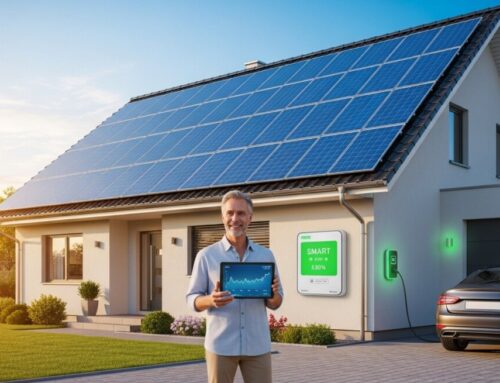
AI predicts your energy usage patterns and solar production. It can automatically shift appliance use to sunny periods, optimize battery charging and discharging, and ensure excess power is used most efficiently in your home before sending it to the grid, minimizing wasted potential.
What happens if my solar panels produce more electricity than I need?
Excess energy is sent back to the utility grid through a process called net metering. You typically receive a credit on your bill for this power. With an AI system or battery, more of this excess can be stored for your own use at night, maximizing self-consumption.
Investing in solar energy is a powerful decision for your finances and your home’s future. By understanding how modern technology like AI minimizes waste, you can feel confident in getting the maximum value from your system. The best next step is to gather personalized information. Comparing quotes from qualified, local installers will give you a clear picture of costs, savings, and the ideal system for your unique home.