How AI Optimizes Solar Power for Homeowners
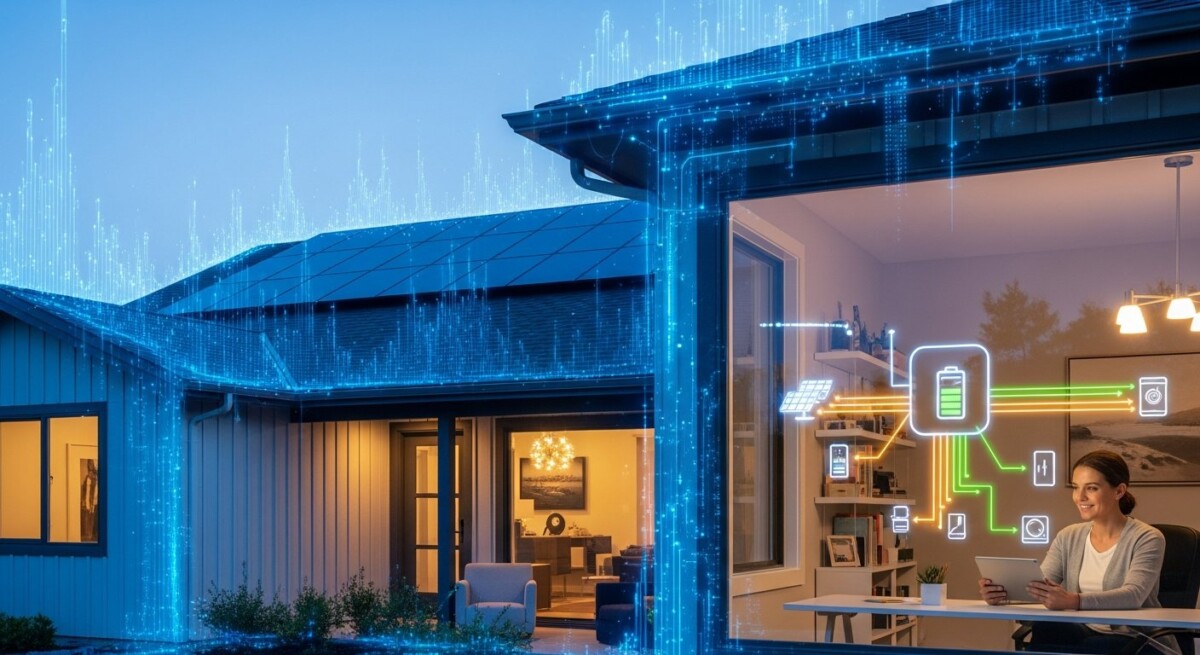
If you’ve watched your electricity bill climb steadily, you’re not alone. Many homeowners are searching for a reliable way to reduce their energy costs and gain independence from the unpredictable power grid. This search often leads to a powerful solution: solar energy, a technology now supercharged by artificial intelligence (AI) to maximize your savings and system performance.
Understanding How AI Works in Solar Power Systems
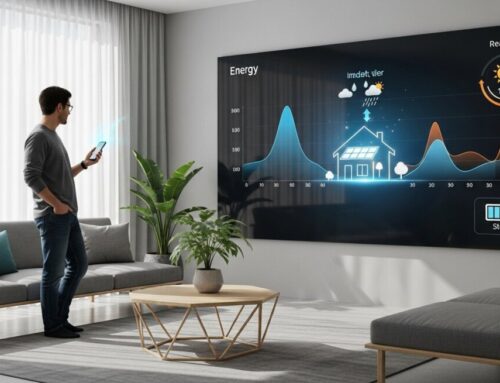
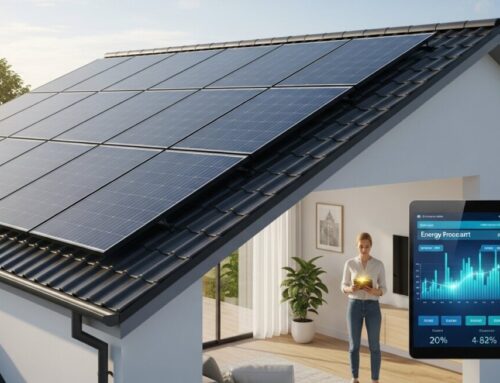
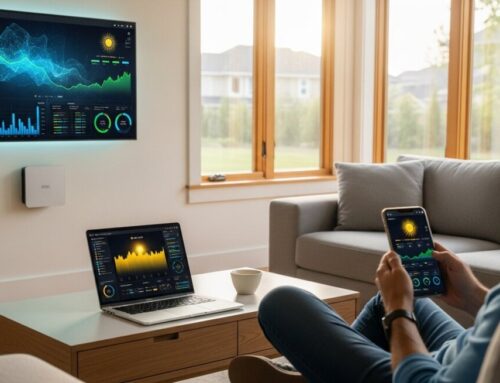
At its core, AI in solar acts like a brilliant, 24/7 energy manager for your home. It uses software and smart devices to constantly learn, predict, and optimize how your solar panels produce and your home consumes electricity. This isn’t science fiction; it’s practical technology working behind the scenes to squeeze every bit of value from your investment.
These intelligent systems analyze vast amounts of data, from weather forecasts and sunlight intensity to your household’s unique energy habits. By processing this information, AI can make precise adjustments in real-time. For instance, it can direct surplus solar energy to charge a home battery for use at night or automatically sell it back to the grid when rates are highest.
From Simple Monitoring to Smart Optimization
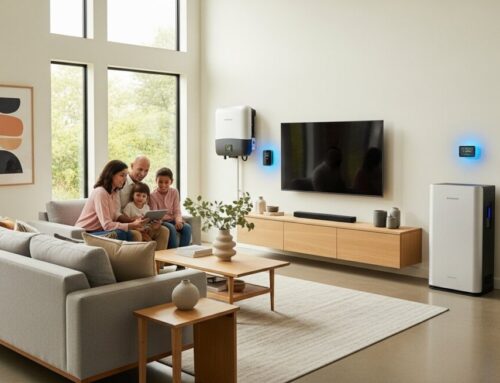
Early solar systems simply reported how much power they made. Today’s AI-driven platforms go far beyond monitoring. They proactively manage your entire home energy ecosystem, coordinating between panels, batteries, and appliances. This intelligent coordination is what transforms a basic solar setup into a highly efficient, money-saving power plant on your roof.
Why Solar Energy Is Becoming More Popular
The shift to solar is driven by a powerful combination of financial and environmental benefits. With traditional electricity prices showing no sign of decreasing, locking in a lower, predictable energy cost for decades is incredibly appealing. Solar panels provide a direct shield against future rate hikes, offering long-term stability for your household budget.
Beyond the savings, there’s a growing desire to reduce our environmental footprint. Generating clean, renewable power from the sun significantly cuts household carbon emissions. This allows homeowners to contribute to a healthier planet while also achieving greater energy independence, making your home more resilient during grid outages, especially when paired with a battery.
If you are considering solar power for your home, comparing installation quotes can help you understand your options. Request a free solar quote or call to learn more.
Common Questions Homeowners Have About Solar
It’s normal to have questions when considering a significant home upgrade like solar. Understanding the basics can ease concerns and help you make an informed decision. Professional installers excel at answering these questions and tailoring solutions to your specific home and goals.
Common concerns often revolve around cost, roof suitability, and system performance. Reputable companies provide detailed assessments that address each point, showing you the projected savings, design options for your roof, and the expected energy production. For a deeper look at the fundamentals, our article on the basic solar power setup explains the core components.
- How much does a solar panel system actually cost?
- Is my roof suitable for solar panels?
- What happens on cloudy days or at night?
- How long will the installation process take?
- Are there government incentives or rebates available?
- Will solar panels increase my property value?
How Solar Panel Installation Works
The journey to solar power is a structured process managed by your chosen installer. It begins with a detailed consultation to understand your energy needs and evaluate your home’s solar potential. This initial step ensures the system designed for you is neither too large nor too small, but perfectly sized for optimal savings.
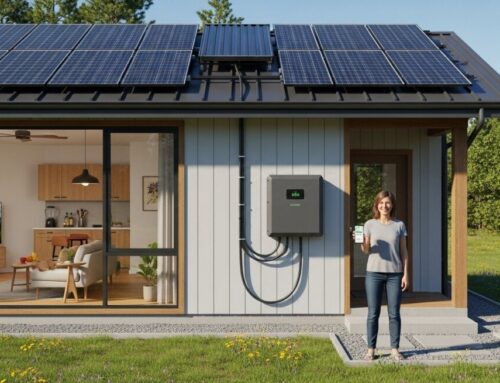
Once you approve the design, the installer handles all the necessary permits and paperwork, including applications for local incentives. The physical installation is typically completed in just a few days by a trained crew, with minimal disruption to your daily life. Finally, after a final inspection and connection approval from your utility, your system is activated.
- Home Energy Assessment and Consultation
- Custom System Design and Proposal
- Permitting and Utility Approvals
- Professional Installation of Panels and Inverter
- Final Inspection and System Activation
Speaking with experienced installers can help you determine the best solar solution for your home. Compare solar quotes here or call to explore available options.
Signs Your Home May Be Ideal for Solar
While many homes are excellent candidates for solar, certain characteristics make the investment particularly advantageous. The most obvious factor is access to strong, unobstructed sunlight for a significant part of the day. A south-facing roof with good exposure is ideal, but east and west-facing roofs can also work very well.
Your current energy consumption and future plans are also key indicators. If you have high electricity bills, solar can provide substantial relief. Furthermore, if you plan to stay in your home for the long term, you’ll have more years to enjoy the free energy and see a full return on your investment.
- You receive direct sunlight on your roof for most of the day.
- Your monthly electricity bills are consistently high.
- You have a suitable roof area that is not heavily shaded.
- You plan to own your home for the next 5-10+ years.
- Your roof is in good condition or will soon need replacement.
- You live in an area with strong net metering policies or solar incentives.
What Affects Solar Installation Costs
The total cost of a solar energy system is influenced by several specific factors. The primary driver is the size of the system, measured in kilowatts (kW), which is directly tied to how much electricity you need to offset. A larger system for a big home with high usage will cost more than a smaller one, but it will also generate greater long-term savings.
Other factors include the quality and type of equipment (like premium panels or batteries), the complexity of your roof, and local labor costs. Crucially, available government tax credits, state rebates, and local utility incentives can dramatically reduce your net upfront cost, making solar more affordable than ever. Understanding these large-scale benefits is easier when you learn how a solar power plant works on a community level.
The cost of solar installation varies depending on your home and energy needs. Request personalized solar quotes or call to see what options are available.
Tips for Choosing a Reliable Solar Installer
Selecting the right installer is as important as choosing the right equipment. A trustworthy company ensures a smooth process, a quality installation, and reliable long-term support. Start by looking for installers with strong local experience and a proven track record in your community.
Always review their certifications, warranties, and customer testimonials. A reputable installer will provide a clear, detailed contract and be transparent about costs, timelines, and expectations. They should act as your guide, not just a salesperson, helping you navigate incentives and system choices.
- Verify licenses, insurance, and industry certifications (like NABCEP).
- Read reviews and ask for references from past customers.
- Compare the warranties offered on both equipment and workmanship.
- Get detailed, written quotes from at least three different companies.
- Ensure they handle the entire process, from permits to activation.
Long-Term Benefits of Installing Solar Panels
The most immediate benefit of solar power is reducing or even eliminating your monthly electricity bill. This predictable energy cost protects you from rising utility rates for 25 years or more, the typical lifespan of modern panels. The savings accrued over decades often far exceed the initial investment.
Beyond bill savings, solar panels increase your home’s market value and appeal to future buyers. They also provide a profound sense of energy independence and security. By generating your own clean power, you take a direct, positive step for the environment, reducing your household’s reliance on fossil fuels and its carbon footprint.
How long do solar panels last?
Most high-quality solar panels come with a performance warranty guaranteeing they will still produce at least 80-90% of their original output after 25 to 30 years. With minimal maintenance, the system itself can continue generating significant savings for decades beyond that initial warranty period, making it a remarkably durable investment.
What is net metering?
Net metering is a billing arrangement with your utility company. When your solar panels produce more electricity than your home uses, the excess is sent to the grid, and your meter literally runs backwards. You receive credits for this power, which you can use to draw electricity from the grid at night or on cloudy days.
Do I need a solar battery?
A battery is not required for most solar systems, but it adds valuable benefits. It allows you to store excess solar energy for use at night, increasing your independence from the grid. It also provides essential backup power during outages, keeping your lights and critical appliances running.
Can I install solar panels myself?
While DIY solar kits exist, professional installation is highly recommended. Installers ensure the system is correctly designed, safely installed, and compliant with all local building codes and utility requirements. This protects your warranty, your home, and ensures you qualify for important incentives.
What happens if I sell my house?
Studies consistently show that homes with solar panels sell faster and for a premium compared to homes without. A solar system is viewed as a valuable, income-generating upgrade, much like a renovated kitchen, making your property more attractive to energy-conscious buyers.
Are there tax credits for going solar?
Yes, the federal government offers a significant Investment Tax Credit (ITC) that allows you to deduct a percentage of your solar system cost from your federal taxes. Many states and local utilities offer additional rebates and incentives, which a qualified installer can help you identify and apply for.
Embracing solar energy is a smart, forward-thinking decision for your home and finances. By understanding how modern AI-enhanced systems work and taking the time to compare professional quotes, you can confidently invest in a solution that provides clean energy, substantial savings, and peace of mind for years to come.