How AI Can Maximize Your Solar Panel Savings
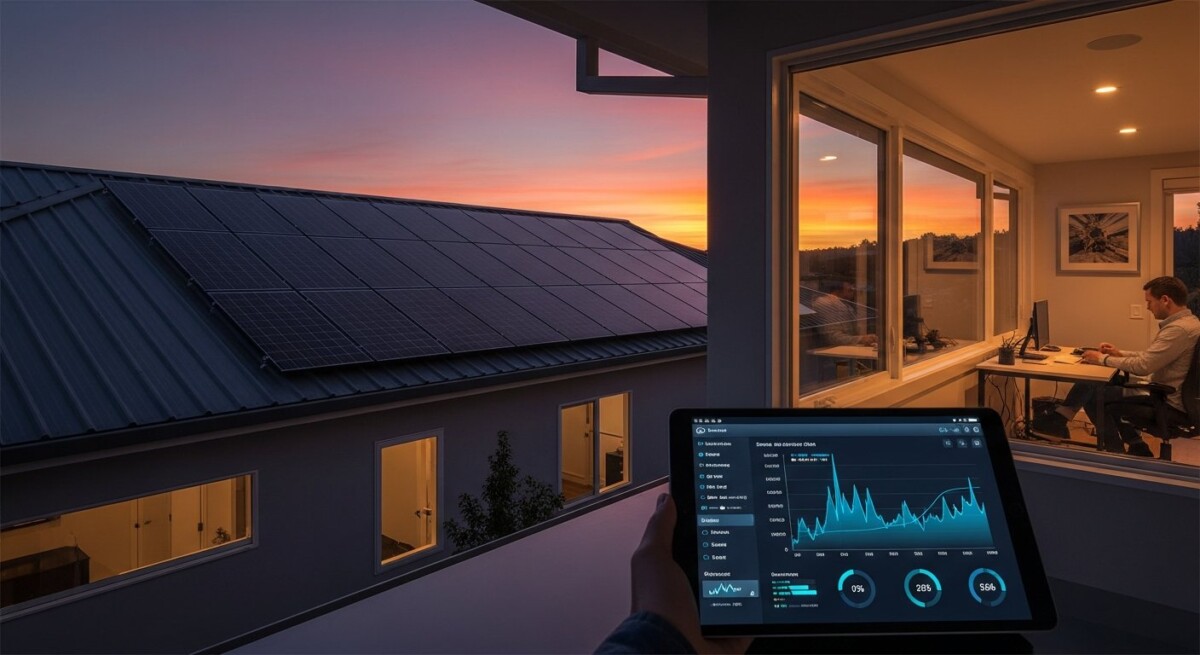
Have you watched your electricity bill climb higher each month? You’re not alone. Many homeowners are searching for a reliable way to reduce their energy costs and gain independence from the unpredictable power grid. This search often leads to a powerful question: how much can AI improve solar output? The answer reveals a smarter path to long-term savings and a more efficient home.
Understanding How Much Can AI Improve Solar Output
At its core, AI for solar energy is about intelligent optimization. It’s not a physical part of your solar panels, but a sophisticated layer of software that manages your entire system. This technology uses data and machine learning to make your solar investment work harder for you every single day.
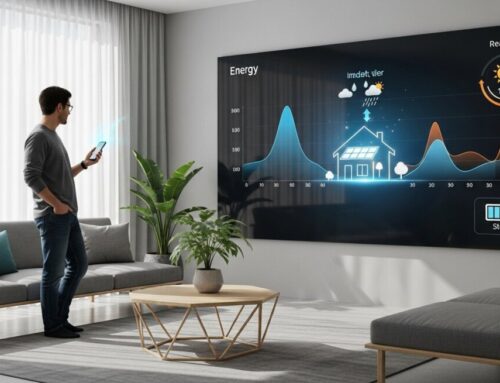
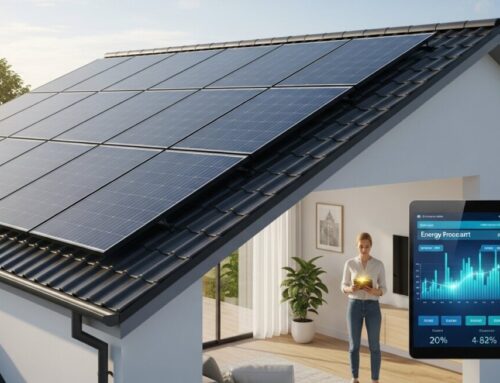
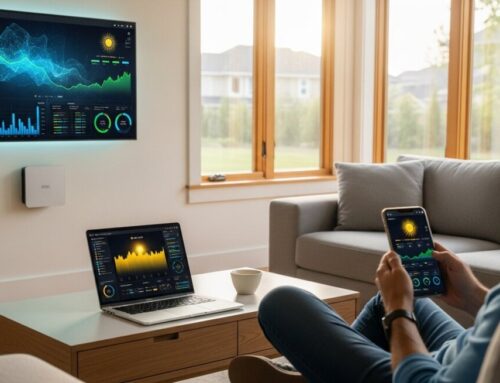
Think of it as a brilliant energy manager for your home. The AI analyzes vast amounts of information, from real-time weather forecasts and sunlight intensity to your household’s unique energy consumption patterns. It then makes automatic adjustments to maximize how much clean power your panels produce and how efficiently you use it.
This smart technology is why more homeowners are considering advanced solar systems. It moves solar power from a “set it and forget it” setup to a dynamic, responsive energy solution. The goal is simple: squeeze every possible kilowatt-hour from your roof to lower your bills even further.
Why Solar Energy Is Becoming More Popular
Homeowners are turning to solar power for several compelling, practical reasons. The most immediate driver is the consistent rise in electricity prices from traditional utilities. Locking in a lower, predictable energy cost with solar provides powerful financial stability for decades.
Beyond the budget, there’s a growing desire to reduce our environmental footprint. Generating clean electricity from the sun significantly cuts household carbon emissions. It’s a direct, tangible action you can take for a healthier planet, paired with substantial personal savings.
The long-term financial picture is exceptionally strong. With available government incentives, like the federal solar tax credit, the upfront cost is more manageable. Over the system’s 25+ year lifespan, the savings on electricity bills often far exceed the initial investment, increasing your home’s value in the process.
If you are considering solar power for your home, comparing installation quotes can help you understand your options. Request a free solar quote or call to learn more.
Common Questions Homeowners Have About Solar
It’s normal to have questions when researching a significant home upgrade like solar. The initial cost is a common concern, but it’s crucial to view it as a long-term investment with a strong return, especially with current financing options and incentives.
Many wonder if their roof is suitable. Professional installers conduct a detailed assessment to evaluate your roof’s angle, material, shading, and structural integrity. Even roofs with some shade can be excellent candidates with modern panel technology and proper design.
Homeowners also want assurance about system performance and durability. Today’s solar panels are built to withstand harsh weather for decades, backed by strong warranties. Their performance naturally degrades very slowly, typically around 0.5% per year, ensuring reliable output.
- How much will a solar system really cost after incentives?
- Will solar panels work on my specific roof type and direction?
- What happens to my solar power when the sun isn’t shining?
- How long will the installation process take?
- Do I need to replace my roof before installing panels?
- How does net metering work with my utility company?
How Solar Panel Installation Works
The solar installation process is designed to be straightforward and managed by professionals from start to finish. It begins with a detailed consultation and home energy assessment. An expert will review your past electricity bills, evaluate your roof, and discuss your energy goals to design the ideal system.
Once you approve the design, your installer handles all the necessary permits and approvals from your local government and utility company. This step ensures your system is compliant with all safety and grid-connection regulations, saving you from complex paperwork.
The physical installation is typically quick, often completed in just one to three days. After the panels and inverter are mounted and connected, your system undergoes final inspections before activation. Soon after, you can start generating your own clean power.
- Home Energy Assessment & Custom Design
- Permitting & Utility Approvals
- Professional Installation of Equipment
- Final Inspections & System Activation
Speaking with experienced installers can help you determine the best solar solution for your home. Compare solar quotes here or call to explore available options.
Signs Your Home May Be Ideal for Solar
Certain home characteristics make solar panels an especially wise investment. The most obvious is strong, unobstructed sunlight exposure on your roof for a significant part of the day. South-facing roofs are often ideal, but east and west-facing roofs can also be highly effective.
If you’re consistently paying high monthly electricity bills, solar can provide dramatic relief. The higher your current bill, the greater your potential savings. Homeowners with suitable, unshaded roof space and plans to stay in their home for several years are perfect candidates to reap the full financial benefits.
- You receive direct sunlight on your roof for most of the day.
- Your monthly electricity bills are a significant household expense.
- You have a roof in good condition with ample, unshaded space.
- You plan to own your home for the next 5-10 years or more.
- Your local area offers net metering or other solar-friendly policies.
- You are interested in increasing your property value and energy independence.
What Affects Solar Installation Costs
The final price of your solar system depends on several key factors. The system’s size, measured in kilowatts (kW), is the primary driver,a larger system to offset more usage will cost more upfront but yield greater long-term savings. The quality and efficiency of the panels and inverter you choose also influence the price.
Installation complexity matters too. A simple, single-story roof is easier to work on than a steep, multi-story one. Most importantly, available government incentives and rebates dramatically reduce your net cost. For instance, the federal solar tax credit allows you to deduct a significant percentage of the system cost from your federal taxes. It’s wise to understand the rules, such as those explained in our article on whether you can claim the solar tax credit twice, to maximize your benefit.
The cost of solar installation varies depending on your home and energy needs. Request personalized solar quotes or call to see what options are available.
Tips for Choosing a Reliable Solar Installer
Selecting the right installer is as important as choosing the right equipment. Look for a company with a strong track record of local installations and positive customer reviews. They should be licensed, insured, and offer robust warranties on both their workmanship and the products they install.
Never settle for just one quote. Comparing detailed proposals from multiple reputable installers is the best way to ensure you get a fair price and a system tailored to your needs. A trustworthy installer will be transparent, answer all your questions patiently, and never use high-pressure sales tactics.
- Verify licenses, insurance, and certifications (like NABCEP).
- Read customer reviews and ask for local references.
- Compare the details of multiple quotes, not just the bottom line.
- Ensure they offer strong warranties (25 years on panels, 10+ on inverters).
- Ask who will perform the installation and handle permits.
- Choose a company that provides clear monitoring and support after installation.
Long-Term Benefits of Installing Solar Panels
The most celebrated benefit of solar power is the drastic reduction in your electricity bills. By generating your own power, you shield yourself from rising utility rates for decades. Over the system’s lifetime, the savings can amount to tens of thousands of dollars, offering an excellent return on investment.
Solar panels also increase your home’s market value and appeal to future buyers. Studies consistently show homes with solar sell faster and for more money. Beyond finances, you gain true energy independence and contribute directly to a cleaner environment by reducing fossil fuel reliance.
Your system is also designed to grow with your needs. If your energy consumption increases in the future, adding more solar panels to your system is often a straightforward process with the help of your installer, protecting your long-term savings.
How much money can I really save with solar panels?
Savings depend on your local electricity rates, system size, and sunlight. Most homeowners save between 50% and 100% on their electricity bills. Over 20-30 years, total savings often range from $20,000 to $70,000, far outweighing the system’s cost.
Do solar panels work during a power outage?
Standard grid-tied systems shut off during an outage for safety reasons. However, you can add a solar battery backup system to keep critical appliances running. This provides excellent energy security and independence during grid failures.
How long do solar panels last?
Solar panels are extremely durable and typically come with a 25-year performance warranty. They can continue producing electricity well beyond that, often for 30-40 years, though at a gradually reduced efficiency.
What maintenance do solar panels require?
Solar systems require very little maintenance. Occasional cleaning from rainfall is usually sufficient, though you may need to rinse them off in dusty areas. Your installer will monitor system performance remotely.
Can I finance a solar panel system?
Yes, several financing options are available, including solar loans, leases, and Power Purchase Agreements (PPAs). Loans allow you to own the system and claim incentives, while leases/PPAs offer little to no upfront cost.
Will solar panels damage my roof?
Professional installers use mounting systems that protect your roof’s integrity. In fact, the panels often shield the covered portion of your roof from weather. Installation includes sealing all penetration points to prevent leaks.
What is the federal solar tax credit?
The Investment Tax Credit (ITC) allows you to deduct a significant percentage of your solar system cost from your federal income taxes. It’s a major incentive that reduces the net price of going solar.
How do I know if my roof gets enough sun?
Professional installers use satellite imagery and specialized software to analyze your roof’s solar potential. They can accurately estimate production based on its orientation, tilt, and any shading from trees or structures.
Exploring solar energy for your home is a smart step toward controlling costs and investing in a sustainable future. By understanding how modern technology maximizes output and comparing detailed quotes from trusted local installers, you can make a confident, informed decision that pays dividends for years to come.