AI Solar Energy Software: Save on Home Electricity Bills
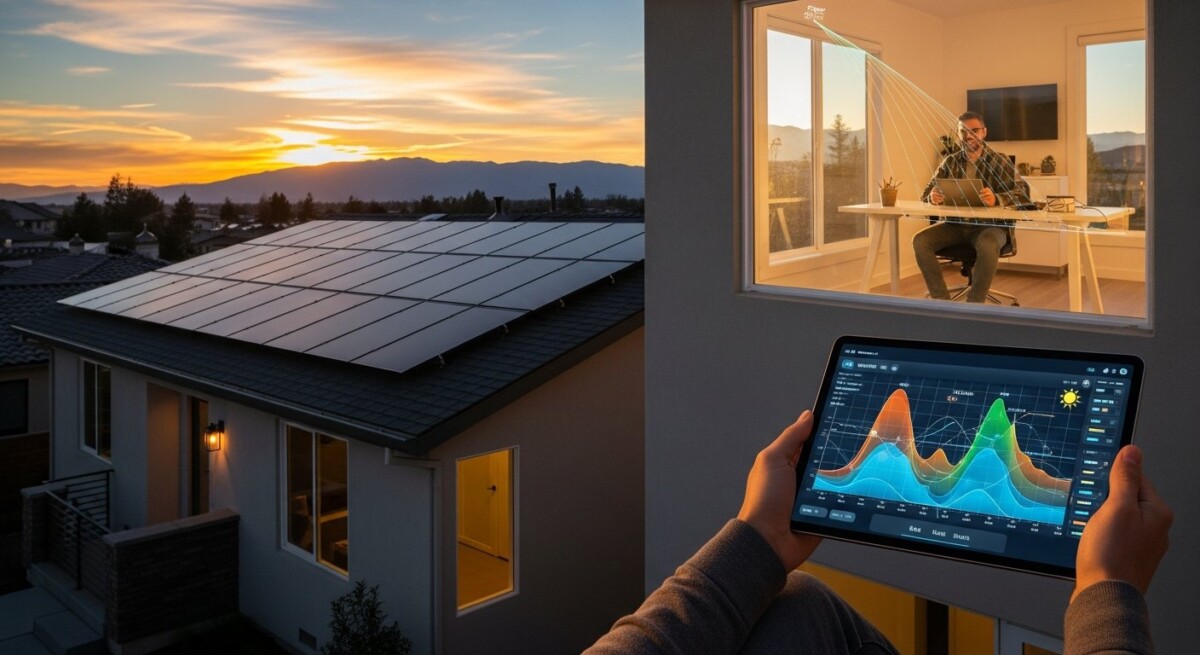
If you’ve watched your electricity bill climb higher every year, you’re not alone. Many homeowners are now searching for smarter ways to power their homes, seeking both savings and stability. This search often leads to solar panels and the innovative AI solar energy software solutions that make them more efficient and affordable than ever before.
Understanding AI Solar Energy Software Solutions
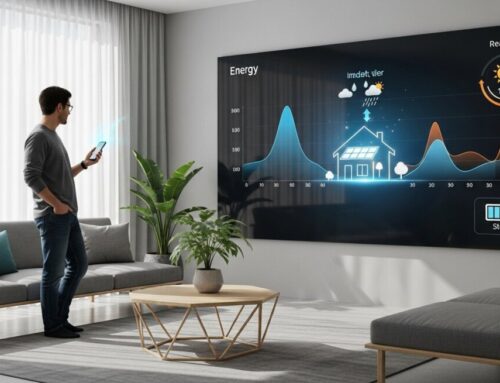
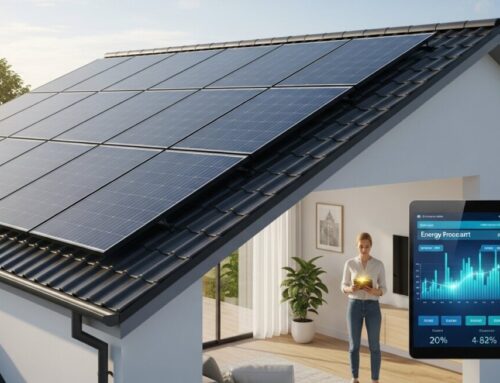
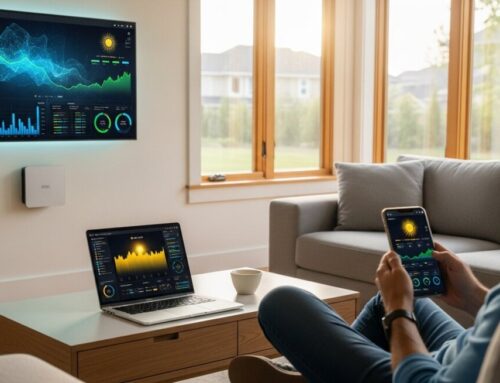
At its core, AI solar energy software is a smart technology that helps design, monitor, and optimize your home solar system. Think of it as a personal energy manager for your solar panels. It uses artificial intelligence to analyze your home’s unique energy patterns and sunlight exposure.
This software works by processing vast amounts of data, from local weather forecasts to your historical electricity usage. It then predicts your energy production and consumption, ensuring your system is perfectly tailored for maximum savings. This smart approach is why more homeowners feel confident making the switch to solar power.
Why Solar Energy Is Becoming More Popular
Homeowners are turning to solar for several powerful reasons. First and foremost, rising electricity prices make a fixed-cost solar system an attractive shield against unpredictable utility rate hikes. This shift provides long-term financial predictability that renting power from the grid simply cannot offer.
Beyond the wallet, environmental concerns are a major driver. Generating clean energy from your roof significantly reduces your household’s carbon footprint. It’s a practical step towards a sustainable lifestyle, combining immediate bill reduction with a positive environmental impact.
If you are considering solar power for your home, comparing installation quotes can help you understand your options. Request a free solar quote or call to learn more.
Common Questions Homeowners Have About Solar
It’s normal to have questions before investing in a solar energy system. Many wonder about the upfront cost and how long it will take to see a return on their investment. Others are concerned about whether their roof is suitable or if their system will perform well on cloudy days.
Professional installers address these concerns every day. They use advanced tools to provide clear, personalized answers, helping you avoid costly assumptions. An experienced installer will assess your specific situation, not offer a one-size-fits-all solution.
- How much does a solar panel system actually cost?
- Is my roof strong enough and facing the right direction?
- What happens to my solar power when the sun isn’t shining?
- Will I still have an electricity bill?
- How do government incentives and rebates work?
- How long will the installation process take?
How Solar Panel Installation Works
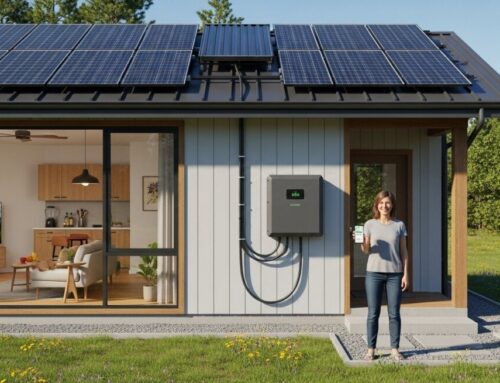
The installation process is designed to be straightforward and managed by professionals from start to finish. It begins with a detailed assessment of your home’s energy needs and solar potential. This crucial first step ensures your system is designed for optimal performance and savings.
From there, your installer handles the logistics, including permits and approvals, so you don’t have to. The physical installation is typically completed in just a few days, with minimal disruption to your daily life. Finally, your system is activated and connected to the grid, often with the help of your utility company.
- Home Energy Assessment and Consultation
- Custom System Design and Proposal
- Permits, Approvals, and Financing
- Panel and Equipment Installation
- Final Inspection and System Activation
Speaking with experienced installers can help you determine the best solar solution for your home. Compare solar quotes here or call to explore available options.
Signs Your Home May Be Ideal for Solar
Certain conditions make a home particularly well-suited for solar panels. The most obvious is strong, unobstructed sunlight exposure on your roof for most of the day. South-facing roofs in the Northern Hemisphere typically receive the most sunlight, but east and west-facing roofs can also be excellent candidates.
Your current energy habits also play a key role. If you have consistently high electricity bills, solar can offer significant and immediate savings. The investment also makes more sense if you plan to stay in your home long enough to enjoy the full financial benefits.
- Your roof receives direct sunlight for 4-6+ hours per day.
- You have high monthly electricity bills.
- Your roof is in good condition and has adequate space.
- You plan to own your home for the next 5-10 years or more.
- You live in an area with strong net metering policies.
- You are motivated by energy independence and environmental goals.
What Affects Solar Installation Costs
The final price of your solar system depends on several key factors. The size of the system, measured in kilowatts (kW), is the primary driver,larger systems for bigger homes cost more but produce more savings. The quality and efficiency of the panels and inverters you choose also influence the price.
Installation complexity, like a steep or multi-level roof, can affect labor costs. Most importantly, available government incentives, tax credits, and local rebates can dramatically reduce your net cost. A trustworthy installer will provide a transparent breakdown of all costs and savings. For a precise estimate, you can use our solar production calculator to model potential savings based on your location and energy use.
The cost of solar installation varies depending on your home and energy needs. Request personalized solar quotes or call to see what options are available.
Tips for Choosing a Reliable Solar Installer
Selecting the right installer is as important as choosing the right equipment. Look for a company with a strong track record of local installations and positive customer reviews. They should be licensed, insured, and offer robust warranties on both their workmanship and the equipment.
Never settle for the first quote you receive. Comparing multiple detailed proposals is the best way to ensure you get a fair price and a system designed for your specific needs. A good installer will educate you, not pressure you, and will be happy to answer all your questions.
- Check for proper licensing, insurance, and certifications.
- Read verified customer reviews and ask for local references.
- Compare the details of multiple quotes, not just the bottom-line price.
- Ensure they offer strong warranties (25 years on panels is standard).
- Ask who will perform the installation and handle permits.
- Choose an installer who listens and provides clear, patient explanations.
Long-Term Benefits of Installing Solar Panels
The advantages of going solar extend far beyond the first month’s lower bill. You lock in a significant portion of your energy costs for decades, protecting yourself from rising utility rates. This leads to substantial long-term financial savings, often totaling tens of thousands of dollars over the system’s life.
Solar panels also increase your property value and make your home more attractive to future buyers. Perhaps most rewarding is the energy independence and security you gain, knowing you’re producing your own clean power. You contribute directly to a cleaner grid and a healthier environment, a benefit that lasts for generations. To see how solar integrates into everyday life, explore our article on how we use solar energy daily.
How much can I really save with solar panels?
Savings depend on your local electricity rates, system size, and sunlight. Most homeowners save 50-100% on their monthly electric bills. Over 20-30 years, total savings often exceed the system’s initial cost several times over, especially with federal and local incentives.
Do solar panels work on cloudy days or in winter?
Yes, solar panels generate electricity anytime there is daylight, even through clouds, though at a reduced rate. Modern systems are designed to produce ample annual energy, accounting for seasonal variations. Snow can sometimes temporarily reduce output, but it usually melts quickly on dark panels.
What is the federal solar tax credit?
The federal Investment Tax Credit (ITC) allows you to deduct a significant percentage of your solar system’s cost from your federal taxes. This incentive directly reduces your tax bill, making solar more affordable. It’s crucial to consult a tax professional to understand how it applies to your specific situation.
How long do solar panels last?
High-quality solar panels are extremely durable and typically come with a 25-year performance warranty. They often continue producing electricity well beyond that, though at a gradually declining efficiency. Inverters may need replacement once during the system’s lifespan.
Will I need a battery with my solar system?
Not necessarily. Most homes start with a grid-tied system without a battery, using the utility grid as a backup. Batteries add cost but provide backup power during outages and can increase energy independence. Your installer can help you decide if a battery makes sense for your goals and budget.
What is net metering?
Net metering is a billing arrangement with your utility company. When your solar panels produce more electricity than you use, the excess is sent to the grid, and you earn credits. At night or on cloudy days, you use those credits to draw power from the grid, often reducing your bill to nearly zero.
Exploring solar energy for your home is a smart step towards controlling costs and gaining energy independence. By understanding the technology, the process, and the long-term benefits, you can make a confident decision. The best next step is to gather personalized information from qualified local installers to see what solar can do for your specific home.