AI Solar Energy for Homes: Save on Electricity Bills

If you’ve opened your electricity bill recently and felt a jolt of surprise, you’re not alone. Rising energy costs are pushing more homeowners to search for a reliable, long-term solution. For many, the answer lies in harnessing the sun’s power with AI solar energy for residential homes, a smart way to reduce monthly bills and gain independence from the unpredictable grid.
Understanding AI Solar Energy for Residential Homes
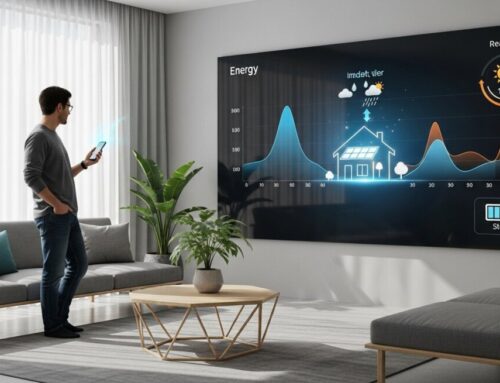
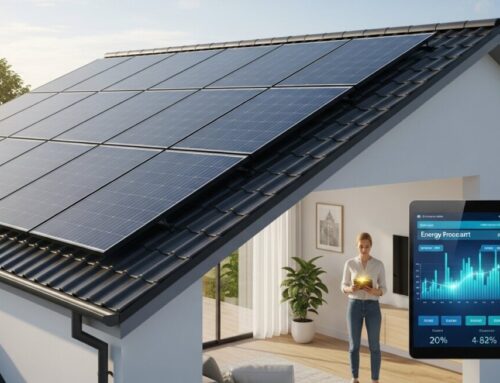
At its core, AI solar energy for residential homes combines traditional solar panels with intelligent software. This system uses artificial intelligence to manage how your home generates, stores, and uses electricity. It’s like having a brilliant energy manager working 24/7 to maximize your savings.
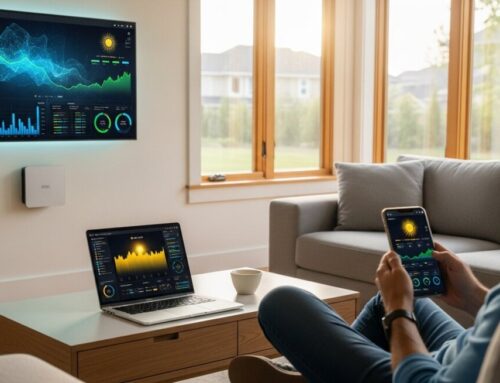
The technology works by analyzing vast amounts of data from your solar panels, home appliances, weather forecasts, and even utility rate schedules. The AI then makes automatic adjustments to optimize performance. For example, it might decide to store excess energy in a battery for use during expensive peak hours instead of sending it back to the grid.
What Makes It “Smart”?
The “AI” or smart component is typically software integrated with your solar inverter and monitoring system. It learns your household’s energy patterns over time. This allows it to predict your needs and make the most cost-effective decisions without you lifting a finger.
Why Solar Energy Is Becoming More Popular
Homeowners are turning to solar power for several powerful reasons. First and foremost is financial security. With electricity prices consistently trending upward, locking in a lower, predictable energy cost for decades provides immense peace of mind.
Environmental concerns are also a major driver. Choosing solar significantly reduces your household’s carbon footprint. It’s a tangible step towards cleaner air and a more sustainable future, which matters deeply to many families.
The long-term savings are undeniable. While there is an upfront investment, solar panels are designed to produce free electricity for 25 years or more. This translates to tens of thousands of dollars saved over the system’s lifetime, making it one of the best home upgrades for return on investment.
If you are considering solar power for your home, comparing installation quotes can help you understand your options. Request a free solar quote or call to learn more.
Common Questions Homeowners Have About Solar
It’s normal to have questions before making a significant home improvement decision. Many homeowners wonder about the initial cost and how long it will take to see a return. Others are concerned about whether their roof is suitable or what happens on cloudy days.
Reputable solar installers are experts at answering these questions clearly. They can provide detailed financial projections, conduct a thorough roof assessment, and explain how modern systems, especially those with battery storage, perform reliably in various weather conditions. Getting multiple perspectives is key, which is why we always recommend using a solar calculator and speaking with several companies.
- How much do solar panels cost, and are there financing options?
- Is my roof strong enough and does it get enough sun?
- Will solar panels work during a power outage?
- How much will I really save on my electricity bill?
- What maintenance is required?
- Are there government tax credits or local rebates available?
How Solar Panel Installation Works
The installation process is straightforward when handled by professionals. It begins with a detailed consultation and energy assessment to understand your specific needs and goals. The installer will examine your roof, review your past energy bills, and discuss your budget.
Next, a custom system is designed for your home. The installer handles all the necessary permits and paperwork with your local authorities and utility company. Once approved, the physical installation typically takes just a few days, followed by a final inspection and connection to the grid.
- Home Energy Assessment & Consultation: Review your usage, roof, and goals.
- Custom System Design: Create a plan for panel placement and system size.
- Permits & Approvals: Secure all required local and utility permissions.
- Panel & Equipment Installation: Mount racks, panels, inverter, and wiring.
- System Activation & Inspection: Final utility approval to turn the system on.
Speaking with experienced installers can help you determine the best solar solution for your home. Compare solar quotes here or call to explore available options.
Signs Your Home May Be Ideal for Solar
Certain conditions make a home particularly well-suited for solar panels. The most obvious is having a roof that gets plenty of direct sunlight for most of the day, with minimal shading from trees or other structures. South-facing roofs in the Northern Hemisphere are often ideal.
If your monthly electricity bills are consistently high, solar can offer dramatic savings. Homeowners who plan to stay in their current house for the long term will reap the full financial benefits. Even if you move, studies show solar panels can increase your home’s resale value.
- Your roof is in good condition and receives strong sunlight.
- You pay high monthly electricity bills.
- You have a suitable amount of unshaded roof space.
- You plan to own your home for 5+ years.
- Your local utility has high rates or net metering policies.
- You are interested in energy independence and backup power.
What Affects Solar Installation Costs
The total cost of a solar energy system depends on several key factors. The size of the system, measured in kilowatts (kW), is the primary driver,a larger system for a bigger home costs more. The quality and efficiency of the equipment you choose, such as premium panels or a home battery, also influence the price.
Installation complexity matters too. A simple, single-plane roof is easier to work on than a multi-angled roof with skylights. Most importantly, federal tax credits, state rebates, and local incentives can substantially reduce your net cost. A good installer will help you navigate all available financial incentives.
The cost of solar installation varies depending on your home and energy needs. Request personalized solar quotes or call to see what options are available.
Tips for Choosing a Reliable Solar Installer
Selecting the right installer is crucial for a smooth experience and optimal system performance. Look for a company with a strong track record, proper licensing, and insurance. They should offer robust warranties on both the equipment and their workmanship.
Always read customer reviews and ask for references from recent projects in your area. A trustworthy installer will conduct a thorough site evaluation, provide a detailed written proposal, and explain everything in clear terms without high-pressure sales tactics. Comparing multiple detailed quotes is the best way to ensure you get a fair price and a quality design.
- Verify licenses, insurance, and certifications (like NABCEP).
- Choose an installer with several years of local experience.
- Review warranties for equipment, performance, and labor.
- Read independent customer reviews and ask for references.
- Get and compare itemized quotes from at least 3 companies.
- Ensure they handle all permitting and interconnection paperwork.
Long-Term Benefits of Installing Solar Panels
The long-term advantages of going solar extend far beyond the first month’s lower bill. You effectively lock in a portion of your energy costs, protecting yourself from future rate hikes. Over 20-30 years, this can amount to life-changing savings that can be used for retirement, education, or other investments.
Solar panels increase your property value and make your home more attractive to eco-conscious buyers. You gain a degree of energy independence, reducing your reliance on the traditional grid. Perhaps most rewarding is the knowledge that you are actively contributing to a cleaner environment by reducing fossil fuel demand. To see how solar integrates into everyday life, explore our guide on how we use solar energy daily.
How long do solar panels last?
Most quality solar panels come with a 25-year performance warranty, guaranteeing they will still produce at a high capacity after decades. The system itself requires very little maintenance, usually just an occasional cleaning and a visual inspection.
What happens on cloudy days or at night?
Solar panels still produce electricity on cloudy days, just at a reduced rate. At night, they don’t produce power. This is where grid connection or a battery storage system comes in, allowing you to use stored energy or pull a small amount from the grid when needed.
Can I go completely off-grid with solar?
While technically possible, going completely off-grid requires a very large solar array and a significant battery bank, making it costly for most homes. Most homeowners choose a grid-tied system with or without battery backup, which is more economical and practical.
Do solar panels require a lot of maintenance?
Solar panels require minimal maintenance. Rainfall typically cleans them sufficiently. It’s a good idea to have them inspected periodically by a professional, but there are no moving parts to wear out.
Will solar panels damage my roof?
Professional installers use mounting systems that protect your roof’s integrity. In fact, the panels can shield the covered portion of your roof from weather elements. Installation includes sealing any penetration points to prevent leaks.
What is net metering?
Net metering is a utility billing arrangement where you receive credit for excess solar electricity you send back to the grid. This credit offsets electricity you draw from the grid at night or on cloudy days, making your system more efficient and valuable.
Are there tax credits for solar panels?
Yes, the federal government offers a significant Investment Tax Credit (ITC) for residential solar systems, which allows you to deduct a percentage of the system cost from your federal taxes. Many states and local utilities offer additional rebates or incentives.
How do I know what size system I need?
A qualified installer will determine the ideal system size by analyzing your past year’s electricity usage, your roof’s size and orientation, and your future energy goals (like adding an electric vehicle). The goal is to design a system that meets the majority of your annual consumption.
Exploring AI solar energy for your home is a smart step toward financial predictability and environmental responsibility. By understanding the technology, the process, and the profound long-term benefits, you can make a confident decision. The best next step is to gather information tailored to your specific home,starting by comparing quotes from reputable local installers.