AI Solar Energy Cost Optimization for Homeowners

Have you watched your electricity bill climb higher each month? You’re not alone. Many homeowners are searching for a reliable way to reduce their energy costs and gain independence from the unpredictable power grid. This search often leads to a powerful solution: solar panels, now supercharged with AI solar energy cost optimization to maximize your savings.
Understanding AI Solar Energy Cost Optimization
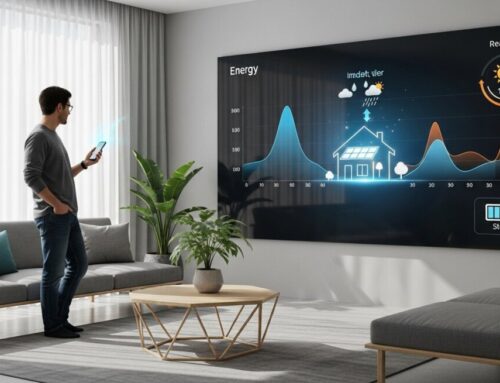
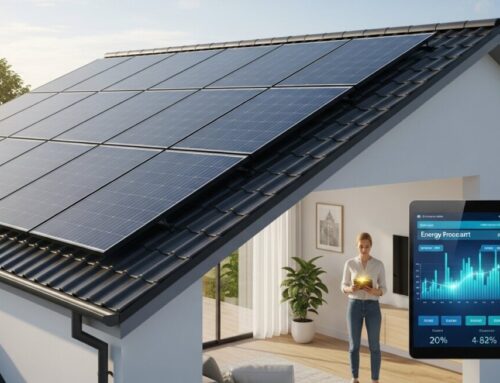
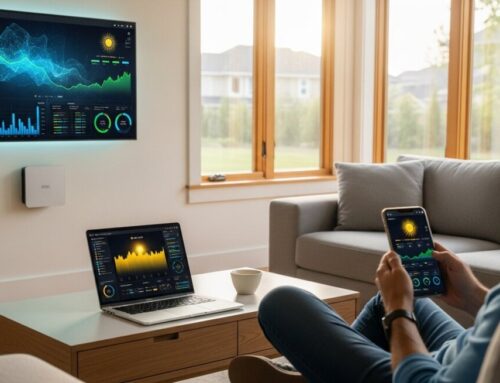
AI solar energy cost optimization is a smart technology that makes your solar power system work smarter, not just harder. It uses artificial intelligence and machine learning to analyze your energy production, consumption patterns, and even local weather forecasts. The goal is simple: to ensure you get the most financial value from every ray of sunshine that hits your roof.
Think of it as a personal energy manager for your home. This technology can automatically decide when to use solar power directly, when to store energy in a battery, and when to draw from the grid to save the most money. It constantly learns and adapts to your household’s unique rhythm, optimizing for lower bills and greater self-reliance without you lifting a finger.
Why Solar Energy Is Becoming More Popular
Homeowners are turning to solar power for several compelling, practical reasons. First and foremost, it provides a direct defense against rising electricity prices, locking in a lower, predictable cost for your home’s energy for decades. Once your system is paid for, the sunlight powering your home is essentially free, leading to substantial long-term financial savings.
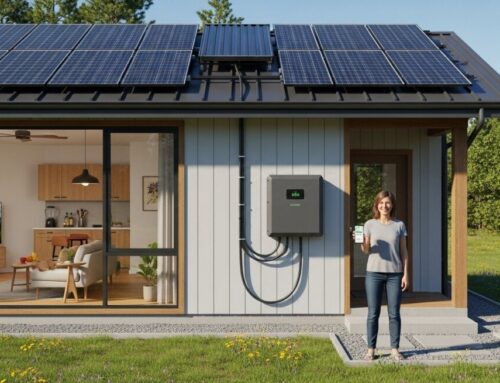
Beyond the wallet, there’s a strong desire for energy independence and environmental responsibility. Generating your own clean power reduces your carbon footprint and makes you less vulnerable to grid outages, especially when paired with a battery. Combined with available government incentives and rebates, which can significantly lower the upfront cost, solar has become an accessible and wise investment for many.
If you are considering solar power for your home, comparing installation quotes can help you understand your options. Request a free solar quote or call to learn more.
Common Questions Homeowners Have About Solar
It’s normal to have questions before making a significant home upgrade like solar. The initial cost is a major consideration, though financing options and incentives make it more affordable than many realize. People also wonder if their roof is suitable, how the system will perform on cloudy days, and what maintenance will be required.
A professional installer can address all these concerns with a detailed assessment of your specific home. They help you avoid costly mistakes by designing a system tailored to your energy needs and roof structure. To get started, here are some common questions they can answer for you:
- What is the total upfront cost, and what financing is available?
- How much can I really save on my electricity bills?
- Is my roof strong enough and does it get enough sun?
- What happens during a power outage or on rainy days?
- How long will the installation process take?
- What warranties come with the panels and the workmanship?
How Solar Panel Installation Works
The solar installation process is designed to be straightforward and managed by professionals from start to finish. It begins with a detailed consultation where an expert evaluates your energy usage, examines your roof, and discusses your goals. This ensures the system design is perfectly sized for your home’s needs and your budget.
The installer then handles all the necessary permits and paperwork, navigating local regulations for you. Once approved, the physical installation is typically completed in just a few days. The main steps are organized and efficient:
- Home Energy Assessment: Reviewing your past bills and evaluating your site.
- Custom System Design: Creating a plan for panel placement and equipment.
- Permits and Approvals: Securing all required local permits and utility interconnection agreements.
- Panel Installation: Mounting the racking, panels, inverter, and other components.
- System Activation: Final inspections and flipping the switch to start producing power.
Speaking with experienced installers can help you determine the best solar solution for your home. Compare solar quotes here or call to explore available options.
Signs Your Home May Be Ideal for Solar
While many homes are good candidates for solar, some characteristics make the investment particularly advantageous. The most obvious factor is your roof’s exposure to strong, unobstructed sunlight for most of the day. A south-facing roof is often ideal, but east and west-facing roofs can also work very well.
Your current energy costs and future plans also play a big role. If you have high electricity bills, your potential savings from solar are greater, improving your return on investment. Furthermore, if you plan to stay in your home for the long term, you’ll have more years to enjoy the reduced operating costs and increased property value. Key indicators include:
- High monthly electricity bills.
- A roof with good sun exposure and minimal shading from trees or other structures.
- Ample, suitable roof space (typically 200+ square feet).
- Plans to own your home for 5-10+ years.
- A roof in good condition with several years of life remaining.
- A desire to reduce your environmental impact and gain energy security.
What Affects Solar Installation Costs
The final price of your solar system isn’t a one-size-fits-all number. It’s influenced by several key factors that a reputable installer will explain clearly. The system size, measured in kilowatts (kW), is the biggest driver,a larger system for a bigger home costs more but also produces more savings.
Equipment quality, installation complexity, and local labor rates also play a role. Premium, high-efficiency panels and advanced inverters may have a higher upfront cost but can produce more energy in a limited space. Crucially, available government incentives, tax credits, and local utility rebates can dramatically reduce your net cost, making solar more accessible than ever. You can explore your potential savings with tools like our solar production calculator to get a clearer picture.
The cost of solar installation varies depending on your home and energy needs. Request personalized solar quotes or call to see what options are available.
Tips for Choosing a Reliable Solar Installer
Selecting the right installer is as important as choosing the right equipment. A trustworthy company will be your guide and partner for the life of your system. They should have proven experience, proper licensing, and a solid reputation in your community.
Always get detailed proposals from multiple companies to compare not just price, but also equipment brands, warranty terms, and projected energy production. This comparison is your best tool for making an informed decision. Keep these tips in mind during your search:
- Check for necessary licenses, insurance, and certifications (like NABCEP).
- Read customer reviews and ask for local references.
- Compare warranties on both equipment (panels, inverters) and workmanship.
- Ensure they handle the entire process: permits, installation, and interconnection.
- Get everything in writing, including production estimates and total costs.
- Never feel pressured; a good installer will give you time to decide.
Long-Term Benefits of Installing Solar Panels
The long-term advantages of going solar extend far beyond the first month’s lower bill. Financially, you are insulating yourself from future utility rate hikes, potentially saving tens of thousands of dollars over the system’s 25+ year lifespan. This investment also increases your home’s market value, with studies showing buyers are willing to pay more for homes with existing solar systems.
On a personal level, you gain greater energy independence and contribute to a cleaner environment. By reducing reliance on fossil fuels, you’re directly cutting your household’s carbon emissions. This powerful combination of financial security, property value, and environmental stewardship makes solar a uniquely rewarding home improvement. To understand the full scope of its impact, consider reading about how we use solar energy daily in modern life.
How much can I really save with solar panels?
Savings depend on your local electricity rates, system size, sun exposure, and incentives. Most homeowners see a reduction of 50-100% on their electric bills. Over 20 years, total savings often range from $20,000 to $70,000, effectively paying for the system multiple times over.
What happens if my solar panels don’t produce enough power?
Your home will automatically draw the additional electricity it needs from the traditional utility grid. This is called net metering. You only pay for the extra power you use, while the excess solar energy you send back to the grid often earns you credits on your bill.
Do solar panels work during a power outage?
Standard grid-tied systems shut off during an outage for safety reasons. However, if you pair your system with a solar battery storage unit, you can keep critical appliances running. This provides valuable backup power and enhances your energy independence.
How long does a solar panel system last?
High-quality solar panels are very durable and typically come with a 25-year performance warranty, guaranteeing they will still produce at a high capacity (often around 80-90%) at that age. The system itself can continue producing electricity for 30 years or more.
Will solar panels damage my roof?
Professional installers use mounting systems designed to protect your roof’s integrity. In fact, the panels can shield the covered portions of your roof from weather elements. A proper installation includes weatherproofing, and your roof should be in good condition before installation begins.
Are there tax credits or rebates for going solar?
Yes, the federal government offers a significant Investment Tax Credit (ITC) that allows you to deduct a percentage of your system cost from your federal taxes. Many states, utilities, and local governments offer additional rebates and incentives, which your installer can help you identify.
Investing in solar energy, especially with modern AI optimization, is a powerful step toward controlling your home’s energy costs and environmental impact. By understanding the process, benefits, and costs, you can make a confident decision. The best next step is to gather information specific to your home,starting by comparing detailed quotes from trusted, local installers.