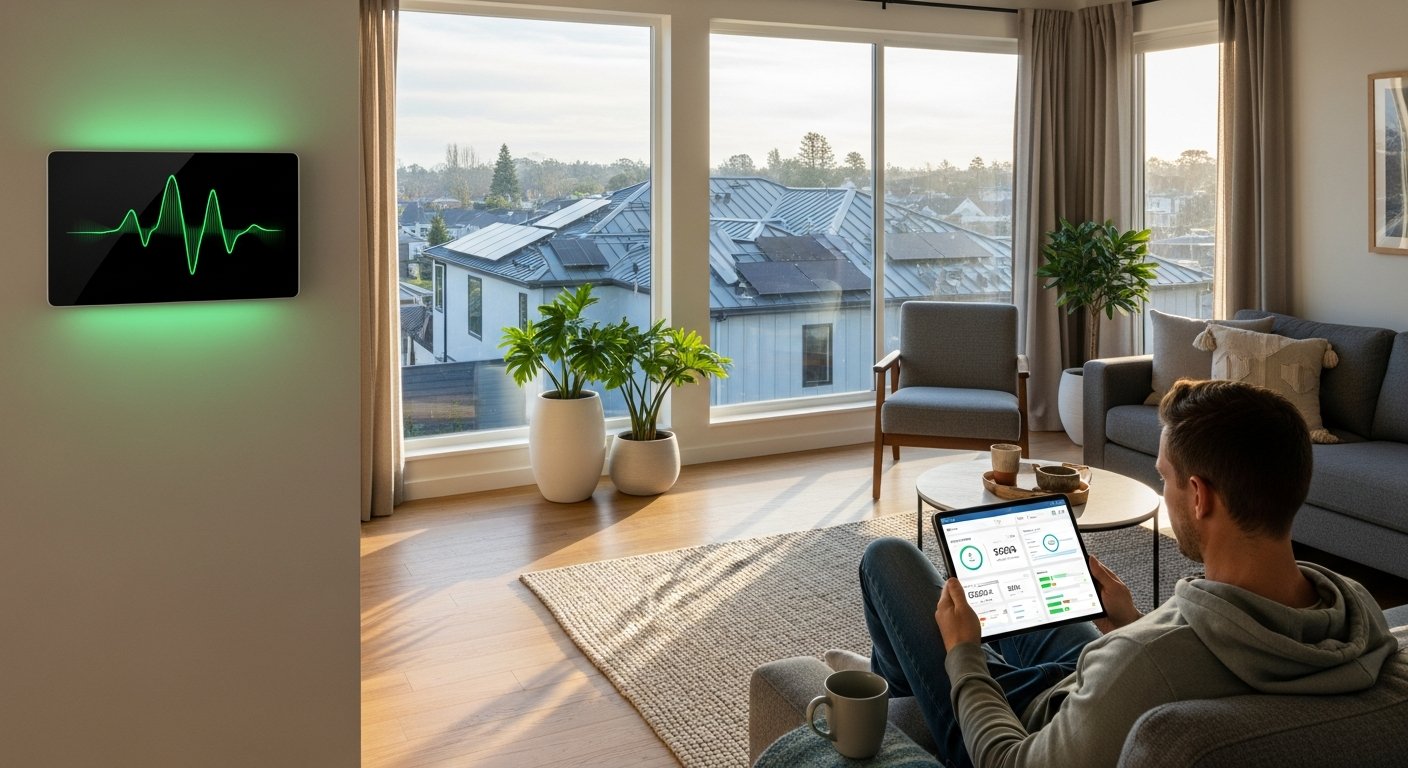
AI Energy Optimization: Slash Waste and Power Costs
Discover how AI energy optimization can cut your electricity bills by up to 25% while boosting home comfort and solar savings.

By Owen Phillips
Learn more about Weatherization for guides, costs, and what to expect.
Compare Weatherization Pros Near You

Enter your ZIP code to compare top-rated local professionals and request free quotes.
Rising electricity rates and growing environmental concerns have pushed energy efficiency to the top of the priority list for American households. Yet many homeowners still rely on static schedules and manual adjustments that fail to match real-time energy use. The result is wasted power, higher bills, and unnecessary strain on the grid. Enter artificial intelligence, which is changing how homes consume energy by learning from your habits, weather patterns, and utility rates. This article explores how AI energy optimization works, why it matters for your wallet, and how you can start using it today.
What Is AI Energy Optimization?
AI energy optimization refers to the use of machine learning algorithms and predictive analytics to automatically manage energy consumption in buildings and homes. Unlike traditional programmable thermostats or simple timers, AI systems continuously analyze data from sensors, smart meters, and external sources like weather forecasts. They then adjust heating, cooling, lighting, and appliance usage to minimize waste while maintaining comfort.
For example, an AI-powered thermostat can learn that you leave for work at 8:15 AM and return at 6:00 PM. It will adjust the temperature gradually to save energy while you are away, then pre-cool or pre-heat your home just before you arrive. It can also respond to unexpected changes, such as a sudden heatwave, by optimizing your air conditioning cycles based on real-time electricity prices and your solar panel output.
This goes beyond simple automation. Energy optimization with AI creates a dynamic, self-improving system that gets smarter with every piece of data it processes. Over time, it identifies patterns you might never notice, such as which appliances draw power during peak hours or how your home's insulation performs under different outdoor conditions.
Why Homeowners Are Turning to AI for Energy Savings
The primary driver behind AI adoption in home energy management is cost reduction. According to the U.S. Energy Information Administration, the average American household spends over $1,800 annually on electricity. A significant portion of that is wasted on empty rooms, idle devices, and inefficient cooling or heating cycles. AI can cut this waste by 10% to 20% or more, depending on your home and usage patterns.
Another factor is the rise of time-of-use (TOU) electricity plans, where rates vary by the hour. AI systems excel at shifting energy-intensive tasks, like running the dishwasher or charging an electric vehicle, to off-peak periods when electricity is cheaper. This strategy directly lowers your bill without requiring you to change your lifestyle.
For homeowners with solar panels, AI becomes even more valuable. It can align your consumption with peak solar production, ensuring you use the clean energy you generate rather than selling it back to the grid at a low rate and buying expensive power later. This synergy between solar generation and AI-driven consumption is a key topic in our AI energy management systems guide, where we explain how to pair these technologies for maximum benefit.
How AI Energy Optimization Works in Practice
To understand the practical mechanics, think of your home as a network of energy-consuming devices. An AI system connects to this network through smart plugs, smart thermostats, and your utility's smart meter. It then collects data on your usage, indoor and outdoor temperatures, humidity, and even your daily routines.
Using this data, the AI builds a predictive model of your home's energy behavior. It can forecast how much energy your HVAC system will need to maintain a set temperature, how much solar power your panels will produce based on cloud cover, and when electricity rates will spike. The system then makes real-time decisions, such as:
- Pre-cooling your home during the morning when solar production is high and rates are low
- Delaying the start of your pool pump until off-peak hours
- Optimizing your EV charging schedule to finish just before you leave
- Adjusting your water heater setpoint based on your hot water usage patterns
This level of automation removes the burden of constant manual adjustments. You set your preferences once, and the AI handles the rest. Some systems even provide detailed reports that show you exactly where energy is being used, helping you identify opportunities for further savings.
For those considering a full solar setup, the combination of AI and solar panels offers a compelling path to near-zero electricity bills. Our article on AI solar energy optimization for homeowners breaks down how these systems work together to maximize your return on investment.
Key Benefits of AI-Driven Energy Management
Adopting AI energy optimization delivers benefits that go beyond simple bill reduction. Here are the most impactful advantages:
- Lower electricity bills: Reduced waste and smart scheduling can save you 10% to 25% on annual energy costs.
- Increased comfort: AI maintains your preferred temperature and lighting levels more consistently than manual control.
- Extended appliance lifespan: By avoiding unnecessary cycles and reducing strain, AI can help your HVAC and appliances last longer.
- Environmental impact: Cutting energy waste lowers your carbon footprint, especially when paired with renewable sources.
Beyond these, AI systems can also enhance home safety. They can detect anomalies in energy usage that might indicate a malfunctioning appliance or even an electrical fault. In some cases, this early detection prevents costly repairs and reduces fire risk.
Getting Started with AI Energy Optimization
You do not need a complete smart home overhaul to begin. Many homeowners start with a single AI-enabled device, such as a smart thermostat, and expand from there. Here is a practical roadmap:
- Assess your current energy usage: Review your utility bills and identify the biggest energy consumers in your home. This will help you prioritize which devices to automate first.
- Install a smart thermostat: This is the most effective entry point. Models like the Google Nest or Ecobee use AI to learn your schedule and adjust temperatures automatically.
- Add smart plugs and appliances: Use smart plugs to control lights, fans, and small appliances. For larger loads, consider smart water heaters or EV chargers.
- Integrate with a central system: If you have solar panels or a battery, use an energy management platform that coordinates all devices. This is where AI truly shines.
Once your system is running, give it a few weeks to learn your patterns. Most AI systems require a learning period before they hit peak efficiency. During this time, review the reports it generates and adjust your preferences as needed.
Pairing AI with Solar Panels: The Ultimate Savings Combo
If you already have solar panels or are planning an installation, AI energy optimization becomes a powerful tool to maximize your solar investment. Solar panels produce the most energy during the middle of the day, but many households use the most electricity in the evening. Without AI, you might end up selling your excess solar power to the utility at a low rate and then buying it back at a higher rate at night. AI eliminates this inefficiency by shifting your major energy use to daylight hours.
For example, an AI system can pre-cool your home during the afternoon, run your dishwasher and laundry when solar output is highest, and charge your EV just before the sun sets. This strategy, known as solar self-consumption, can increase the value of your solar array by 30% or more. It also reduces your reliance on the grid, making you more resilient to power outages.
For a deeper dive into the financial and technical aspects, our comprehensive guide on AI energy optimization to cut waste and save on power provides real-world examples and cost analyses.
Challenges and Considerations
Despite its benefits, AI energy optimization is not without challenges. The most significant barrier is the upfront cost of smart devices and installation. A full suite of smart thermostats, plugs, and an energy management hub can cost several hundred dollars. However, the potential savings often pay for the system within one to three years, especially if you qualify for utility rebates or tax credits.
Privacy is another consideration. AI systems collect detailed data about your daily routines and energy usage. It is essential to choose products from reputable manufacturers that offer strong data encryption and clear privacy policies. You should also be aware of what data is shared with third parties.
Finally, compatibility can be an issue. Not all smart devices work with every AI platform. Before purchasing, check that your devices support common protocols like Zigbee, Z-Wave, or Matter, and that they can integrate with your chosen management system.
The Future of AI in Home Energy
Looking ahead, AI energy optimization will become more sophisticated and accessible. Advances in machine learning will allow systems to understand not just your habits but also the energy profile of each individual appliance. This could lead to even more precise control and higher savings.
Integration with smart grid technology will also grow. Utilities are beginning to offer dynamic pricing and demand response programs that reward customers for reducing usage during peak periods. AI systems will automatically participate in these programs, generating additional savings and helping stabilize the grid.
For homeowners, this means that investing in AI energy management today is not just a short-term fix. It is a step toward a more sustainable, cost-effective, and resilient home that is ready for the future of energy.
In summary, AI energy optimization offers a clear path to lower bills, increased comfort, and reduced environmental impact. Whether you start with a single smart thermostat or build a fully integrated system, the benefits are tangible and lasting. As technology improves and prices drop, there has never been a better time to make your home smarter and your energy use more efficient.