AI Solar Energy Optimization Explained for Homeowners
Learn how AI solar energy optimization helps homeowners maximize savings and efficiency from their solar panel systems. A practical guide for your clean energy journey.

By Dylan Harris
Learn more about Solar Panel Installation and Repair for guides, costs, and what to expect.
Compare Solar Panel Installation and Repair Pros Near You

Enter your ZIP code to compare top-rated local professionals and request free quotes.
Have you watched your electricity bill climb higher each month? You’re not alone. Many homeowners are searching for ways to reduce their energy costs and gain independence from the unpredictable power grid. This search often leads them to discover the powerful combination of solar panels and artificial intelligence, a topic best described as AI solar energy optimization explained.
Understanding AI Solar Energy Optimization Explained
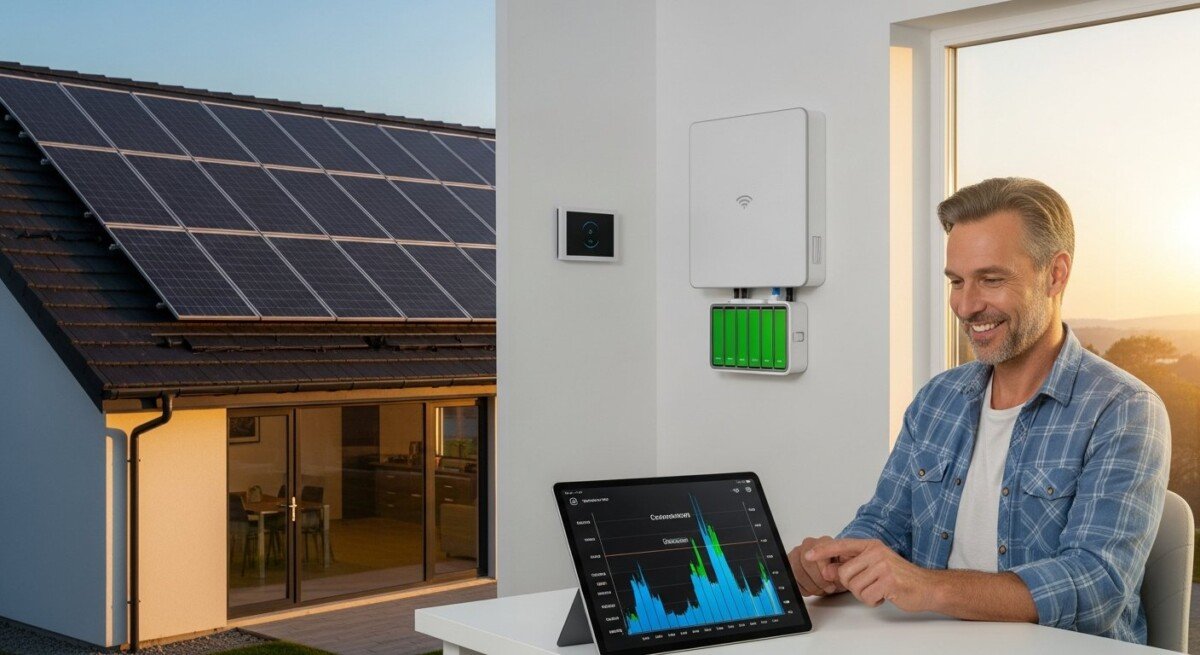
At its core, AI solar energy optimization is about making your solar panel system smarter. It uses artificial intelligence software to manage how your home generates, stores, and uses solar electricity. Think of it as a brilliant energy manager that works 24/7 to maximize your savings.
This technology analyzes vast amounts of data, from weather forecasts and sunlight patterns to your household’s unique energy habits. It then makes automatic adjustments to ensure you use the most solar power possible and send the least amount back to the grid. The goal is simple: squeeze every bit of value from your solar investment.
More homeowners are considering this because it solves a common problem. Solar panels don’t produce power at night, and clouds can reduce daytime output. AI optimization bridges these gaps intelligently, making solar a more reliable and financially sound choice for everyday life.
Why Solar Energy Is Becoming More Popular
Homeowners are turning to solar power for several compelling reasons. First, rising electricity prices make locking in a lower, predictable energy cost highly attractive. With solar, you generate your own power and protect yourself from future rate hikes.
Environmental concerns are another major driver. Solar energy is a clean, renewable resource that significantly reduces your household’s carbon footprint. It’s a practical step toward a more sustainable lifestyle without sacrificing modern comforts.
The long-term financial savings are often the deciding factor. While there is an upfront investment, solar panels can eliminate the majority of your electric bill for decades. Combined with available government incentives, the return on investment is stronger than ever.
If you are considering solar power for your home, comparing installation quotes can help you understand your options. Request a free solar quote or call to learn more.
Common Questions Homeowners Have About Solar
It’s normal to have questions before making a significant home upgrade. Many wonder about the true cost and how long it will take to see a return. Others are concerned about their roof’s suitability or what happens on cloudy days.
Professional installers are experts at answering these questions and designing a system tailored to your home. They help you avoid costly mistakes by assessing your energy needs, roof condition, and local climate. Their guidance is invaluable in navigating permits, incentives, and equipment choices.
- How much do solar panels cost, and are there financing options?
- Is my roof suitable for solar panels?
- What happens to my solar power when the sun isn’t shining?
- How long will the installation process take?
- Will solar panels increase my property value?
- What maintenance is required for a solar system?
How Solar Panel Installation Works
The installation process is straightforward when handled by qualified professionals. It begins with a detailed assessment of your home and energy usage. This ensures the system is correctly sized for your needs, not too big or too small.
Next, the installer designs your system, handles all necessary permits, and orders the equipment. The physical installation is typically quick, causing minimal disruption to your household. Finally, the system is connected and activated, often with a simple inspection from your local utility company.
- Home Energy Assessment: A consultant reviews your bills and evaluates your roof.
- System Design & Proposal: You receive a custom design and detailed quote.
- Permits & Approvals: Your installer manages all paperwork with the city and utility.
- Panel Installation: The racking, panels, and inverter are installed on your roof.
- System Activation & Inspection: The system is connected and given final approval to operate.
Speaking with experienced installers can help you determine the best solar solution for your home. Compare solar quotes here or call to explore available options.
Signs Your Home May Be Ideal for Solar
Certain conditions make a home particularly well-suited for solar panels. The most obvious is having a roof with strong, unobstructed sunlight exposure for most of the day. South-facing roofs in the Northern Hemisphere are typically ideal, but east and west-facing roofs can also work well.
If you have high monthly electricity bills, solar can offer substantial relief. The more you currently pay for power, the faster your solar investment typically pays for itself. Homeowners planning to stay in their homes for the long term gain the most benefit, as they enjoy decades of free power after the system is paid off.
- Your roof receives direct sunlight for 6+ hours per day.
- You have high or rising monthly electricity costs.
- Your roof is in good condition and has ample, unshaded space.
- You plan to own your home for 5-10+ years.
- You live in an area with strong net metering policies or solar incentives.
- You’re interested in increasing your home’s value and appeal.
What Affects Solar Installation Costs
The total cost of a solar system depends on several key factors. The size of the system, measured in kilowatts (kW), is the primary driver. A larger system for a big home with high usage will cost more than a smaller one.
Equipment quality and brand also influence price. Premium panels and inverters may have a higher upfront cost but often come with better warranties and efficiency. The complexity of your roof, such as its pitch or the number of obstructions, can affect labor costs. Crucially, federal tax credits, state rebates, and local utility incentives can dramatically reduce your net cost. To understand your specific potential, using a solar production calculator is an excellent first step.
The cost of solar installation varies depending on your home and energy needs. Request personalized solar quotes or call to see what options are available.
Tips for Choosing a Reliable Solar Installer
Selecting the right installer is as important as choosing the right equipment. A reputable company ensures a smooth process, proper installation, and long-term support. They will be your partner for the 25+ year lifespan of your system.
Always check for proper licensing, insurance, and certifications. Read customer reviews and ask for references from past clients in your area. A trustworthy installer will provide a detailed, written proposal and explain every aspect of the project without high-pressure sales tactics.
- Choose an installer with several years of experience and a strong local reputation.
- Review the warranties offered on both equipment and workmanship.
- Read verified customer reviews on independent sites.
- Ensure they handle the entire permit and interconnection process.
- Always compare detailed quotes from at least three different companies.
Long-Term Benefits of Installing Solar Panels
The long-term advantages of solar power extend far beyond the initial installation. The most immediate benefit is dramatically lower electricity bills, often reducing them by 70-100%. This creates predictable energy costs and protects you from utility rate inflation for decades.
Solar panels also increase your home’s market value and appeal to future buyers. They provide a tangible sense of energy independence and security. Perhaps most importantly, you’ll make a significant positive impact on the environment by reducing reliance on fossil fuels. For a deeper look at the daily impact, our guide on how we use solar energy daily illustrates its practical benefits.
How long do solar panels last?
Most quality solar panels come with a 25-year performance warranty, guaranteeing they will still produce at least 80-85% of their original output at that time. They can often continue generating electricity effectively for 30 years or more. The inverter, which converts the power, typically needs replacement once during the system’s lifespan.
Do solar panels work in cloudy weather or winter?
Yes, solar panels do work on cloudy days and during winter, though their output is reduced. They generate electricity from daylight, not just direct sunlight. Modern panels are quite efficient at capturing diffuse light. Snow can temporarily cover panels, but it usually melts quickly, and the cool temperatures can actually improve panel efficiency.
What is net metering?
Net metering is a billing arrangement with your utility company. When your solar panels produce more electricity than your home uses, the excess is sent to the grid, and your meter runs backward. At night or on cloudy days, you draw power from the grid. You are typically billed only for your “net” energy use over a billing period.
Can I go completely off-grid with solar?
Going completely off-grid is possible but requires a significantly larger investment. You would need a very large solar array and a substantial battery bank to store enough power for nights and extended cloudy periods. For most homeowners, a grid-tied system with a smaller battery for backup is a more practical and cost-effective solution.
What maintenance do solar panels require?
Solar panels require very little maintenance. They have no moving parts. Occasional rinsing with a garden hose to remove dust, pollen, or bird droppings is usually sufficient to keep them operating at peak efficiency. It’s also wise to have a professional inspect the system every few years to check electrical connections and mounting hardware.
Are there tax credits or rebates for solar panels?
Yes, the federal government offers a significant Investment Tax Credit (ITC) that allows you to deduct a percentage of your solar system cost from your federal taxes. Many states, cities, and utilities offer additional rebates, tax credits, or performance-based incentives. Your solar installer can provide details on all incentives available in your area.
Exploring solar energy for your home is a smart decision that combines immediate savings with long-term value. By understanding how AI optimization enhances modern systems and comparing quotes from trusted local installers, you can make a confident choice. Take the next step toward energy independence and lower bills by requesting personalized information today.
Learn more about Solar Panel Installation and Repair for guides, costs, and what to expect.
Compare Solar Panel Installation and Repair Pros Near You
Enter your ZIP code to compare top-rated local professionals and request free quotes.