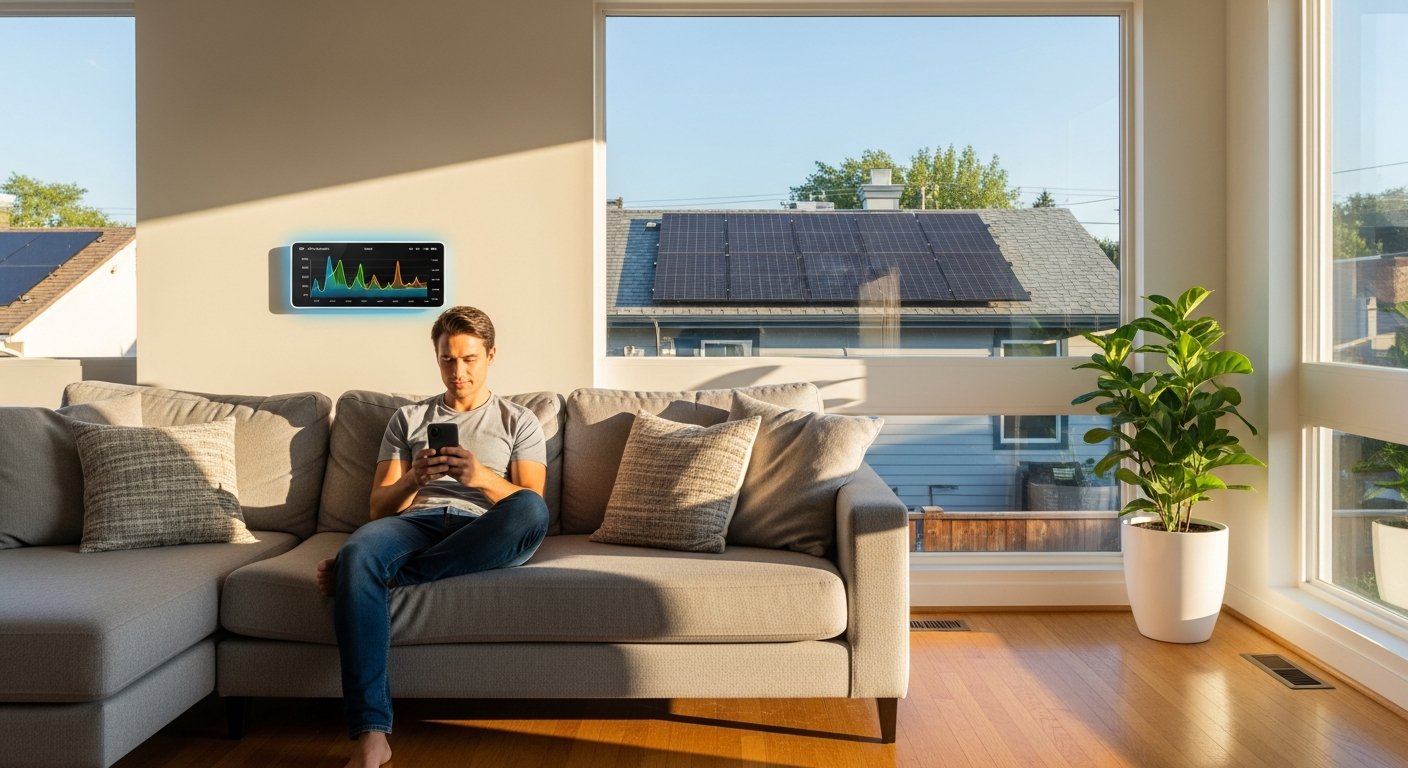
AI Energy Optimization: Cut Waste and Save on Power
Discover how AI energy optimization cuts your power bills by learning your habits, shifting loads, and maximizing solar savings.

By Owen Phillips
Learn more about Solar Panel Installation and Repair for guides, costs, and what to expect.
Compare Solar Panel Installation and Repair Pros Near You

Enter your ZIP code to compare top-rated local professionals and request free quotes.
Your home is likely wasting energy every single day, and you are paying for it. Heating an empty room, cooling a house while everyone is away, or running power-hungry appliances at peak rates are all silent budget killers. The good news is that artificial intelligence now offers a way to stop that waste. AI energy optimization is not a futuristic concept; it is a practical tool available to homeowners today. It learns your habits, adjusts your systems automatically, and helps you use electricity smarter, not harder.
This technology matters more than ever because energy costs continue to climb and the push for greener living grows stronger. By applying intelligent control to your home's energy use, you can see a direct impact on your monthly bills and your carbon footprint. This article will show you how AI energy optimization works, how to use it with solar power, and how to get real savings without sacrificing comfort.
What Is AI Energy Optimization?
AI energy optimization uses machine learning algorithms to analyze your energy consumption patterns and automatically adjust your home's systems for maximum efficiency. Unlike a simple programmable thermostat, which follows a fixed schedule, AI systems learn from your behavior, weather forecasts, and even local energy prices. They make real-time decisions to reduce waste while keeping your home comfortable.
For example, an AI-powered thermostat can notice that you leave for work at 8:15 a.m. and return at 6:00 p.m. It will automatically adjust the temperature to save energy while you are gone, then start cooling or heating shortly before you arrive, so you come home to the perfect climate. This is a level of personalization that traditional timers simply cannot match.
AI energy optimization is particularly powerful when paired with solar panels. A solar-linked AI system can track your panels' real-time output and decide when to run your dishwasher, charge your electric vehicle, or heat your water. It aligns your energy-hungry tasks with the sunniest hours, maximizing your use of free solar electricity and minimizing the amount you draw from the grid. As we explain in our guide on AI energy management systems, this coordination can significantly cut your bills.
How AI Cuts Your Energy Bills
The core benefit of AI energy optimization is its ability to identify and eliminate waste. Here are the key ways it reduces your power costs:
- Load shifting: Moves appliance use to off-peak hours when electricity rates are lower.
- Predictive adjustments: Uses weather data to pre-cool or pre-heat your home, avoiding energy spikes.
- Standby power elimination: Detects and shuts down devices that draw power in standby mode, like game consoles or old TVs.
- HVAC optimization: Fine-tunes heating and cooling cycles based on occupancy and humidity levels.
These strategies work together to create a holistic efficiency plan. For instance, a smart system might delay your pool pump's start time to the early morning when rates are lowest, or it might adjust your refrigerator's defrost cycle to avoid overlapping with other high-energy uses.
While the average homeowner sees savings of 10 to 20 percent on their energy bills, the exact amount depends on your home's size, your habits, and the complexity of the AI system you choose. Over a year, these savings can amount to hundreds of dollars, which is money that stays in your pocket.
Pairing AI with Solar Power
If you have solar panels, AI energy optimization becomes even more valuable. Without AI, solar owners often miss out on potential savings because they use energy when their panels are not producing enough power. AI solves this by forecasting solar generation and adjusting consumption to match.
For example, an AI system can predict that a cloudy afternoon will reduce your solar output. It will then automatically delay your electric vehicle charging until the evening, when the grid has surplus renewable energy. Conversely, on sunny days, it might run your pool pump and clothes dryer during peak sun hours, ensuring you use more of your own clean power instead of selling it back to the utility at a lower rate.
This smart coordination is the essence of AI solar energy optimization. It turns your solar array from a passive generator into an active, dynamic asset. The result is higher self-consumption of solar power, which directly translates to lower grid purchases and bigger savings on your electricity bill.
Key Features to Look For in an AI Energy System
Not all AI energy systems are created equal. When shopping for one, focus on these essential features to ensure you get the best return on your investment:
- Real-time monitoring: The system should provide live data on your energy production and consumption, viewable on a smartphone app.
- Learning capability: Look for systems that adapt to your behavior over time, not just those with pre-set schedules.
- Integration with renewables: The AI must be able to connect with your solar inverter or battery system to optimize self-consumption.
- Utility rate awareness: The system should understand your local time-of-use rates to shift loads to cheaper periods automatically.
- Smart device compatibility: Ensure it works with your existing smart plugs, thermostats, and appliances, or that you are willing to invest in compatible ones.
Once you have a system with these features, you can expect a user-friendly dashboard that shows exactly where your energy goes and how much you save. Many systems also send alerts if they detect unusual consumption, helping you catch problems early.
For those who are new to solar, understanding the full potential of AI can feel overwhelming. That is why we created a detailed resource on boosting your savings with AI solar optimization. It walks you through real-world examples and helps you set realistic expectations.
Smart Thermostats and Beyond: Practical Applications
The most accessible entry point into AI energy optimization is the smart thermostat. Products like Nest or Ecobee use AI to learn your schedule and adjust temperatures automatically. They also use occupancy sensors to avoid heating or cooling empty rooms, which is a major source of savings in most homes.
However, AI energy optimization extends far beyond thermostats. Whole-home energy management systems can control everything from lighting to EV chargers. For instance, a smart EV charger can start charging your car at 11 p.m. when rates are lowest and pause if your home's overall load gets too high, preventing breaker trips.
Even small appliances benefit. Smart plugs with AI capabilities can turn off devices that are not in use, based on your patterns. For example, your coffee maker might automatically power down after you leave for work, and your entertainment system might cut standby power when you are asleep. These small adjustments add up to significant annual savings.
Overcoming Challenges and Costs
Adopting AI energy optimization is not without its hurdles. The initial cost of smart devices and energy management systems can be a barrier for some homeowners. However, prices have dropped dramatically in recent years, and the long-term savings often justify the upfront investment. Many utility companies also offer rebates for installing smart thermostats, further reducing the cost.
Another challenge is integration. If your home has older appliances or an outdated electrical panel, connecting everything to a central AI system might require professional help. SolarEnergy.ai offers comprehensive energy surveys to assess your current setup and recommend the best path forward, ensuring your AI system works seamlessly with your existing infrastructure.
Privacy is also a consideration. AI systems collect data about your habits, so it is important to choose products from reputable brands with clear data policies. Always read the terms and conditions, and make sure you are comfortable with how your data is used.
The Future of Home Energy Management
As AI technology advances, the possibilities for energy optimization will expand. We are already seeing the emergence of virtual power plants, where thousands of AI-connected homes work together to balance grid demand. This allows homeowners to earn money by automatically reducing their consumption during peak periods, turning their energy efficiency into a revenue stream.
Battery storage is also becoming a key part of the AI equation. An AI system can manage your home battery to charge when solar is abundant and discharge when rates are high, maximizing your energy independence. This is particularly valuable in areas with frequent power outages or time-of-use pricing.
For now, the most practical step is to start with a single AI device, such as a smart thermostat, and expand from there. As you see the savings grow, you can add more components and eventually a full home energy management system. The key is to choose solutions that are scalable and compatible with your long-term goals.
Getting Started with AI Energy Optimization
If you are ready to take control of your energy use, the first step is to analyze your current consumption. Many utility companies provide free energy audits, or you can use a home energy monitor to identify your biggest energy drains. With this data in hand, you can prioritize which AI solutions will deliver the most impact.
Next, consider your solar setup. If you already have panels, look for an AI system that can integrate with your inverter or battery. If you are planning to go solar, discuss AI optimization with your installer to ensure your system is designed for smart energy management from day one.
Finally, remember that AI energy optimization is a journey, not a one-time fix. Start with small changes, monitor your progress, and adjust as you learn what works best for your home. The savings you unlock will not only lower your bills but also contribute to a more sustainable future.
By embracing this technology, you are not just saving money; you are joining a movement toward smarter, cleaner energy use. Your home becomes a participant in the grid, using power efficiently and responsibly. That is a win for you, your wallet, and the planet.
Learn more about Solar Panel Installation and Repair for guides, costs, and what to expect.
Compare Solar Panel Installation and Repair Pros Near You
Enter your ZIP code to compare top-rated local professionals and request free quotes.