How AI Monitors Solar Systems in Real Time for Savings
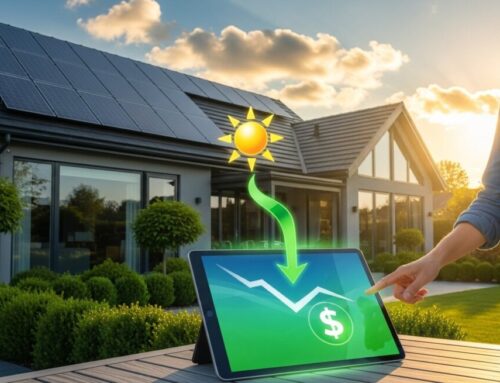
You open your monthly electricity bill and feel that familiar sting. Rates keep climbing, and you wonder if there is a better way to power your home while keeping more money in your pocket. That search often leads homeowners to discover how AI monitors solar systems in real time, a technology that transforms solar panels from a static investment into a dynamic, money-saving asset.
Solar energy has long promised lower electricity bills and less dependence on the power grid. But what if your system could think for itself, adjust to changing weather, and alert you the moment something goes wrong? That is exactly what artificial intelligence brings to modern solar installations. It turns sunlight into smart savings, day and night.
Understanding how AI monitors solar systems in real time
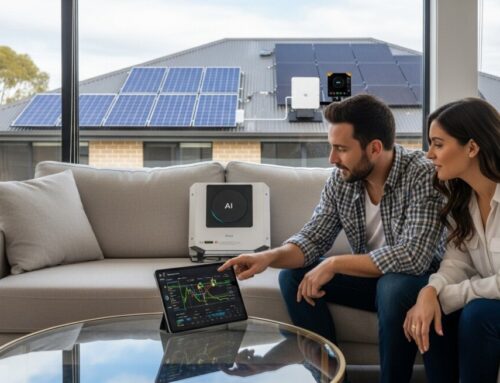
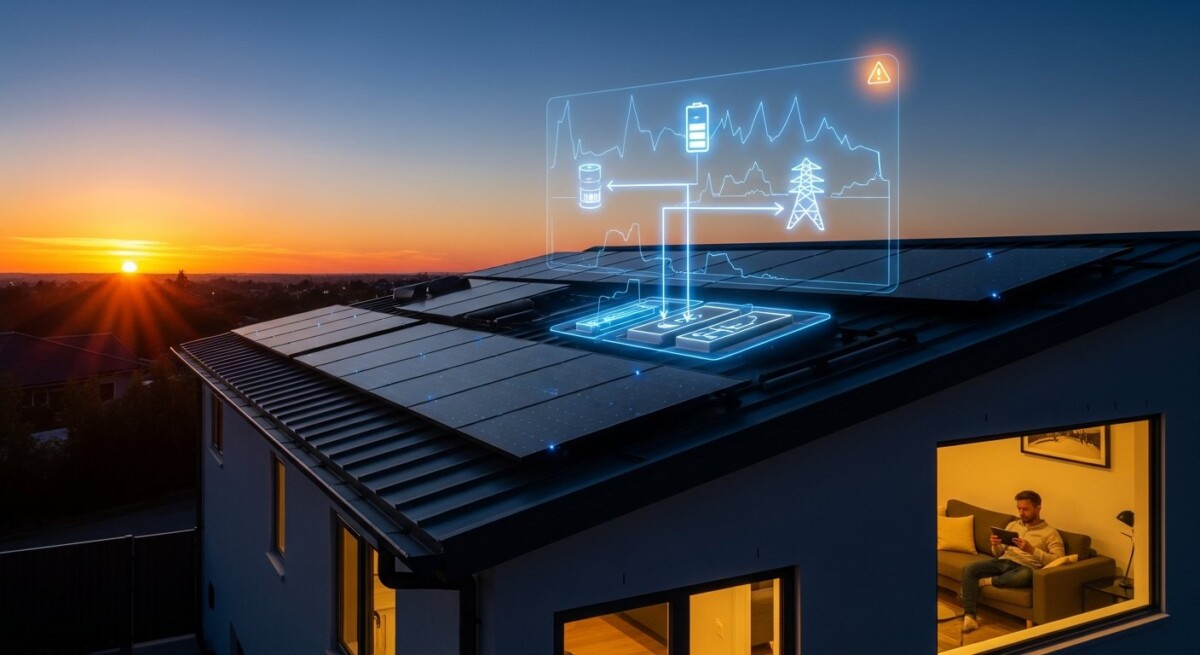
Artificial intelligence, or AI, refers to computer systems that learn from data and make decisions without human programming for every step. When applied to solar energy, AI acts like a 24/7 digital technician that watches your panels, inverter, and energy usage second by second. In our guide on how AI monitors solar systems, we explain how these tools use sensors and cloud software to track performance.
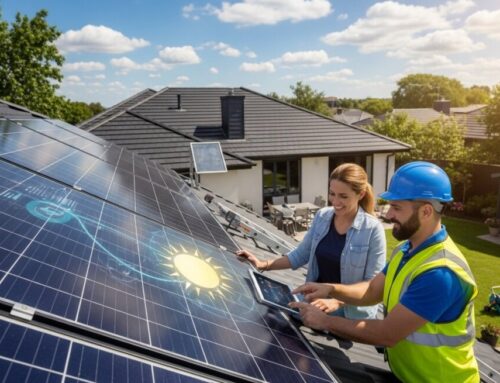
Here is how it works in simple terms. Sensors attached to your solar panels measure voltage, current, and temperature. This data flows to an AI platform that compares it against thousands of similar systems. If your output drops even a few percent, the AI flags the issue before you notice a higher bill.
Why homeowners are choosing AI-monitored solar
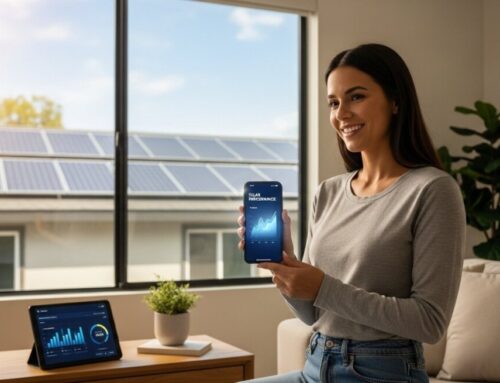
More families are upgrading to AI-monitored systems because they offer peace of mind and real savings. Instead of waiting for a monthly statement to spot a problem, you get instant alerts on your phone. You also receive recommendations on when to run heavy appliances for maximum solar usage.
This technology makes solar energy smarter, not just cleaner. It helps you avoid costly repairs and ensures your system produces as much power as possible every single day.
Why Solar Energy Is Becoming More Popular
Electricity rates have risen steadily over the past decade, and many homeowners feel the pinch. Solar power offers a way to lock in lower energy costs and protect against future rate hikes. When you generate your own electricity, you rely less on utility companies and more on the sun.
Environmental concerns also drive adoption. Solar energy produces no carbon emissions, reduces air pollution, and shrinks your household’s carbon footprint. For many families, going solar is a practical step toward a cleaner planet.
Long-term savings remain the biggest draw. Although solar panels require an upfront investment, they can cut your electricity bills by 50 to 90 percent over 25 years. With federal tax credits and local rebates, the payback period grows shorter each year.
If you are considering solar power for your home, comparing installation quotes can help you understand your options. Request a free solar quote or call to learn more.
Common Questions Homeowners Have About Solar
Before installing solar panels, most homeowners have questions about cost, suitability, and performance. Understanding these topics helps you make an informed decision.
Installation cost is often the first concern. Prices vary based on system size, equipment quality, and your roof’s complexity. However, incentives and financing options make solar more accessible than ever.
- How much does a typical solar system cost?
- Will solar panels work on my roof?
- How long do solar panels last?
- What happens during cloudy weather?
- Do I need a battery with my solar system?
- How much can I really save on electricity bills?
How Solar Panel Installation Works
The installation process is straightforward when you work with experienced professionals. It begins with a home energy assessment to measure your current usage and roof condition.
Next, your installer designs a system sized to your needs and handles all permits. Finally, the team installs the panels, connects the inverter, and activates your system. The whole process usually takes one to three days.
- Home energy assessment and roof inspection
- System design and equipment selection
- Permit applications and utility approvals
- Panel mounting and electrical wiring
- System activation and monitoring setup
Speaking with experienced installers can help you determine the best solar solution for your home. Compare solar quotes here or call to explore available options.
Signs Your Home May Be Ideal for Solar
Not every home is equally suited for solar panels, but many are better candidates than homeowners realize. Strong sunlight exposure is the most important factor. South-facing roofs with little shade produce the most energy.
High electricity bills also signal that solar could save you money. If your monthly bill exceeds $100, solar panels can likely reduce it. Adequate roof space and a solid structure are necessary for panel installation.
- Your roof receives direct sunlight for most of the day
- Your electricity bills are consistently high
- You have at least 300 square feet of usable roof space
- Your roof is in good condition and less than 15 years old
- You plan to stay in your home for at least five more years
- Your local utility offers net metering or solar incentives
What Affects Solar Installation Costs
Solar system prices depend on several variables. System size is the biggest factor,more panels mean higher upfront costs but greater long-term savings. Equipment quality also matters; premium panels and inverters cost more but last longer and perform better.
Installation complexity can add to the price. A simple roof with easy access costs less than a steep, complex roof with multiple angles. Local incentives, including federal tax credits and state rebates, can reduce your net cost by 30 percent or more.
The cost of solar installation varies depending on your home and energy needs. Request personalized solar quotes or call to see what options are available.
Tips for Choosing a Reliable Solar Installer
Choosing the right installer is just as important as choosing the right equipment. A reliable company will assess your home honestly, use quality components, and stand behind their work with solid warranties.
Start by reviewing each installer’s experience and certifications. Look for companies that have installed hundreds of systems and hold credentials from the North American Board of Certified Energy Practitioners (NABCEP). Read customer reviews on independent sites to gauge satisfaction levels.
- Verify the installer’s license and insurance
- Ask about equipment warranties and workmanship guarantees
- Read recent customer reviews on Google or Yelp
- Request at least three detailed quotes for comparison
- Ask how the installer handles monitoring and maintenance
- Check if they offer AI-powered monitoring as standard
Long-Term Benefits of Installing Solar Panels
Lower electricity bills are the most immediate benefit. With AI monitoring, you can maximize those savings by catching performance issues early and adjusting your usage to match solar production. Over 25 years, the savings often exceed the initial investment by tens of thousands of dollars.
Solar panels also increase your home’s resale value. Studies show that homes with solar systems sell faster and at higher prices than comparable homes without them. You also gain energy independence, reducing your vulnerability to grid outages and rising utility rates.
Environmentally, every kilowatt-hour of solar power avoids carbon emissions that would come from fossil fuels. By choosing solar, you contribute to cleaner air and a more sustainable energy future for your community.
How long does it take for solar panels to pay for themselves?
Most homeowners recoup their investment within 6 to 10 years, depending on system size, local electricity rates, and available incentives. With AI monitoring, you can shorten that timeline by maintaining peak performance.
Do solar panels work during a power outage?
Standard grid-tied solar systems shut off during outages for safety reasons. However, if you install a battery backup system, you can store excess solar energy and use it when the grid goes down.
What maintenance do solar panels require?
Solar panels need very little maintenance. Rain usually keeps them clean, and AI monitoring alerts you to any issues. An annual inspection by a professional is recommended to ensure everything runs smoothly.
Can I install solar panels myself?
DIY installation is possible but not recommended for most homeowners. Professional installers handle permits, electrical work, and roof sealing, reducing the risk of costly mistakes. They also ensure you qualify for warranties and incentives.
How does AI monitoring help me save money?
AI monitoring detects underperformance immediately, so you can fix problems before they cost you lost energy. It also recommends optimal times to run dishwashers, dryers, and other appliances when your panels produce the most power.
Will solar panels work in cloudy or cold climates?
Yes. Solar panels generate electricity from daylight, not direct heat. They still produce power on cloudy days, and cold temperatures actually improve panel efficiency. AI monitoring helps you track production in any weather.
What happens if my roof needs replacement after solar installation?
If your roof needs replacement within the first few years, installers can remove and reinstall the panels. This adds cost, so it is wise to ensure your roof is in good condition before going solar.
Are there government incentives for solar in 2025?
Yes. The federal solar investment tax credit (ITC) allows you to deduct 30 percent of your system cost from your federal taxes. Many states and utilities offer additional rebates, performance payments, or net metering programs.
Solar energy puts you in control of your electricity costs while helping the environment. With modern AI monitoring, your system works harder and smarter for you. The best way to start is by exploring your options and comparing quotes from trusted installers. Request a free solar quote or call to take the first step toward lower bills and energy independence.