Boost Solar Savings With Output Optimization Techniques
Every month, you open your electricity bill and see the numbers climbing higher. You are not alone. Many homeowners now search for solar output optimization techniques to take control of their energy costs and reduce dependence on the power grid.
Solar energy offers a practical way to lower your monthly bills while increasing your home’s value. By learning how to maximize the electricity your panels produce, you can turn sunlight into long-term savings.
Understanding Solar Output Optimization Techniques
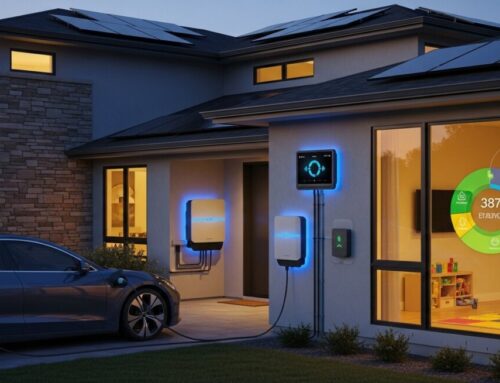
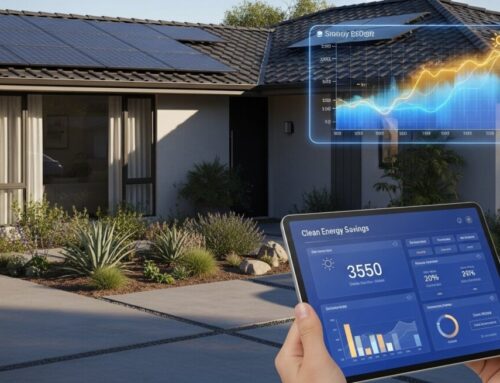
Solar output optimization techniques refer to the strategies and technologies used to get the most electricity from your solar panel system. This includes choosing the right equipment, positioning panels correctly, and using advanced tools to monitor performance.
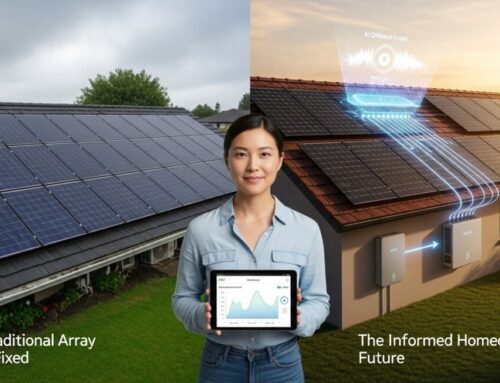
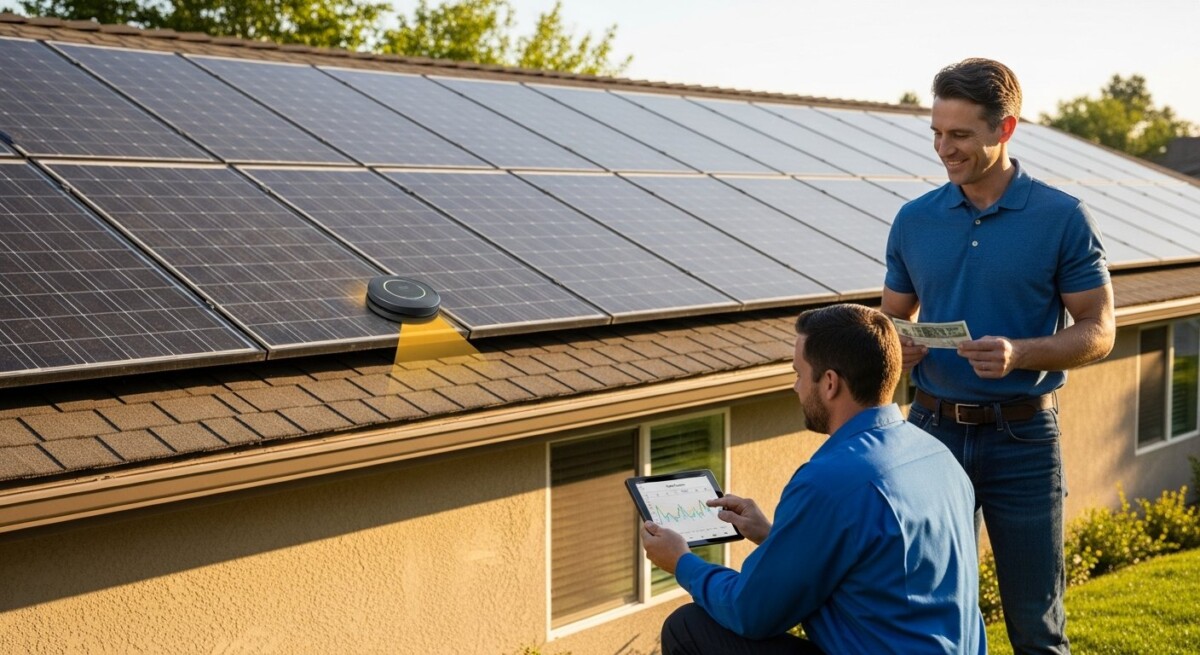
These methods work by reducing energy losses and capturing more sunlight throughout the day. For example, microinverters or power optimizers can help each panel operate independently, so shade on one panel does not drag down the whole system. As a result, homeowners see higher energy production and faster payback on their investment.
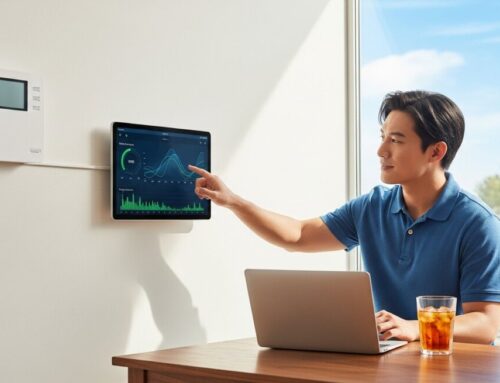
More families are turning to these techniques because they make solar systems more efficient and reliable. With energy prices rising, every kilowatt-hour counts. Exploring how AI improves solar output for bigger savings can also reveal smart ways to boost performance without adding hardware.
Why Solar Energy Is Becoming More Popular
Electricity rates have increased steadily over the past decade, and many households feel the pinch. Solar power offers a way to lock in lower energy costs and protect your budget from future rate hikes.
Beyond saving money, homeowners are motivated by environmental concerns. Generating clean energy from the sun reduces your carbon footprint and helps create a healthier planet for future generations. The combination of financial and ecological benefits makes solar an attractive choice.
Government incentives also play a big role. Federal tax credits, state rebates, and net metering programs can significantly lower the upfront cost of installation. These programs make solar more accessible than ever before.
If you are considering solar power for your home, comparing installation quotes can help you understand your options. Request a free solar quote or call to learn more.
Common Questions Homeowners Have About Solar
Many homeowners wonder whether solar panels are worth the investment. The upfront cost is often the biggest concern, but financing options and incentives can make it manageable. Most systems pay for themselves within 6 to 10 years.
Roof suitability is another frequent question. Panels work best on south-facing roofs with little shade, but east and west orientations can still produce good results. A professional installer can assess your roof’s condition and sun exposure during a home energy assessment.
System performance also raises questions. Will panels work on cloudy days? Yes, they still generate electricity from diffuse sunlight, though at a reduced rate. Modern systems are designed to perform reliably in various weather conditions.
- How much does a solar system cost upfront?
- Will my roof support solar panels?
- How long do solar panels last?
- What happens during a power outage?
- Do I need a battery with my system?
- How much maintenance do solar panels require?
How Solar Panel Installation Works
The installation process begins with a home energy assessment. An installer reviews your electricity usage, roof condition, and sunlight exposure to design a system that meets your needs. This step ensures you get the right size and configuration.
After the design is complete, the installer handles permits and approvals from your local utility and government. This paperwork is crucial for connecting your system to the grid and qualifying for incentives. Once approved, the physical installation usually takes one to three days.
Finally, the system is inspected and activated. Your installer will show you how to monitor production and answer any questions. From start to finish, the entire process typically takes four to eight weeks.
- Home energy assessment
- System design and equipment selection
- Permits and approvals
- Panel installation and wiring
- Inspection and system activation
Speaking with experienced installers can help you determine the best solar solution for your home. Compare solar quotes here or call to explore available options.
Signs Your Home May Be Ideal for Solar
Some homes are naturally better suited for solar panels. If your roof gets strong sunlight for most of the day, especially between 9 a.m. and 3 p.m., you can expect excellent energy production. Minimal shading from trees or nearby buildings also helps.
High electricity bills are another strong indicator. If you pay more than $100 per month, solar can likely reduce your costs. Additionally, if you plan to stay in your home for several years, the long-term savings make installation worthwhile.
- Strong sunlight exposure with little shade
- High monthly electricity bills
- Ample roof space facing south, east, or west
- Roof in good condition with at least 10,15 years of life
- Long-term plans to stay in your home
- Access to local incentives or net metering programs
What Affects Solar Installation Costs
The size of your system is the primary cost driver. Larger homes with higher energy usage require more panels, which increases the overall price. However, bigger systems also generate more savings over time.
Equipment quality matters too. High-efficiency panels and premium inverters cost more upfront but produce more electricity and last longer. Cheaper components may save money initially but can lead to lower output and more repairs.
Installation complexity also affects pricing. Steep roofs, unusual roof materials, or the need for electrical upgrades can add to the labor cost. Local incentives and rebates can offset these expenses, so it pays to research what is available in your area.
The cost of solar installation varies depending on your home and energy needs. Request personalized solar quotes or call to see what options are available.
Tips for Choosing a Reliable Solar Installer
Finding a trustworthy installer is just as important as choosing the right equipment. A good installer will guide you through the process, handle permits, and ensure your system performs as promised. Start by checking their experience and certifications.
Warranties are another critical factor. Look for a workmanship warranty of at least 10 years and equipment warranties that cover panels and inverters for 20 to 25 years. Reading customer reviews can also give you insight into the installer’s reputation and service quality.
Finally, always compare multiple quotes before making a decision. Prices and equipment options can vary widely between companies. Getting three to five quotes helps you find the best value and avoid overpaying.
- Review installer experience and certifications
- Check warranty coverage for equipment and workmanship
- Read customer reviews and ask for references
- Compare multiple quotes to find the best value
Long-Term Benefits of Installing Solar Panels
Lower electricity bills are the most immediate benefit. Once your system is paid off, the energy it produces is essentially free. Over 20 to 30 years, those savings can add up to tens of thousands of dollars.
Solar panels also increase your home’s resale value. Studies show that homes with solar systems sell for more and spend less time on the market. Buyers recognize the value of reduced utility costs and energy independence.
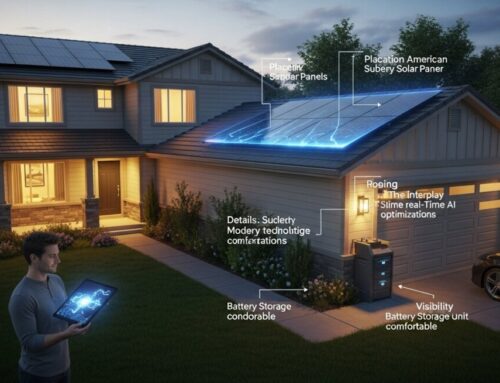
On a broader scale, solar energy reduces reliance on fossil fuels and lowers greenhouse gas emissions. By generating your own clean power, you contribute to a more sustainable future. Understanding how AI predicts solar output for bigger savings can further enhance your system’s efficiency and long-term returns.
How long does it take for solar panels to pay for themselves?
Most homeowners recoup their investment in 6 to 10 years. The exact payback period depends on your electricity rates, system size, available incentives, and how much sunlight your location receives.
Do solar panels work during cloudy days or winter?
Yes, solar panels still generate electricity from diffuse sunlight, though at a reduced rate. Modern panels are designed to capture light in low-sun conditions, and snow can actually help by reflecting light onto the panels.
What is net metering and how does it save me money?
Net metering allows you to send excess electricity your panels produce back to the grid in exchange for credits. You can then use those credits when your system is not generating power, such as at night, effectively lowering your overall bill.
Can I install solar panels myself to save money?
DIY installation is possible but not recommended for most homeowners. Professional installation ensures proper wiring, safe roof mounting, and compliance with local codes. Mistakes can void warranties, reduce performance, or create safety hazards.
How much maintenance do solar panels require?
Solar panels are very low maintenance. Rain usually keeps them clean, but you may need to rinse off dust or debris a couple of times a year. Most systems come with monitoring software that alerts you to any performance issues.
Will solar panels damage my roof?
No, when installed correctly by a professional, solar panels should not damage your roof. Installers use mounting systems that seal around roof penetrations. In fact, panels can protect the covered portion of your roof from sun and rain.
What happens if I sell my home with solar panels?
Solar panels can increase your home’s resale value. If you own the system, you can include it in the sale price. If you lease the system, the new homeowner may need to take over the lease, which can be negotiated during the sale.
Do I need a battery with my solar system?
A battery is optional but offers benefits like backup power during outages and greater energy independence. Without a battery, you rely on the grid at night or during cloudy periods. Batteries add to the upfront cost but can increase long-term savings.
Solar energy is a practical investment that reduces your electricity bills, increases home value, and supports a cleaner environment. By understanding solar output optimization techniques and working with reliable professionals, you can make an informed decision that pays off for years to come. The best way to start is by comparing installation quotes from multiple providers to find the system that fits your home and budget.