What Affects Solar Panel Efficiency and Boosts Your Savings

You open your monthly electricity bill and feel a familiar sting. Rates keep climbing, and you wonder if there is a way to take control. That is why so many homeowners are searching for a clear answer to the question of what affects solar panel efficiency. Understanding these factors can help you reduce your energy bills and move toward greater energy independence.
Understanding What Affects Solar Panel Efficiency
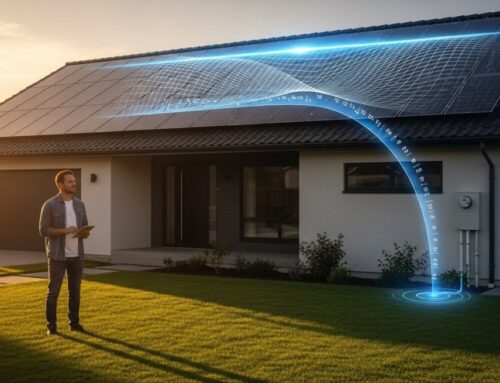
Solar panel efficiency measures how much sunlight a panel can turn into usable electricity. Most residential panels convert between 15 and 22 percent of the sunlight they receive. The higher the efficiency, the more power you get from the same amount of roof space.
Think of efficiency like the fuel economy of a car. A more efficient panel produces more electricity per square foot, which matters if your roof is small or partially shaded. Modern panels use advanced materials like monocrystalline silicon to capture more light.
Key Factors That Influence Solar Panel Efficiency
Several elements determine how well your panels perform. These include the type of panel, the angle of your roof, local weather patterns, and the quality of the installation. Even the temperature outside plays a role,panels actually work slightly better in cooler conditions.
Shading is another major factor. A single shaded panel can reduce the output of your entire system if the panels are wired in series. Professional installers use microinverters or power optimizers to minimize this loss.
Why Solar Energy Is Becoming More Popular
Rising electricity rates are pushing more families to explore solar energy. Over the past decade, the cost of solar installation has dropped significantly while utility prices have continued to climb. This shift makes solar a smart financial move for many households.
Environmental concerns also drive interest. Solar power produces clean energy without emitting carbon dioxide or other pollutants. Homeowners who switch to solar feel good about shrinking their carbon footprint while also protecting themselves from future rate hikes.
Long-term savings remain the most compelling reason. Most solar systems pay for themselves within 6 to 10 years and then deliver free electricity for another 15 to 20 years. That is a powerful incentive to learn what affects solar panel efficiency and how to maximize your return.
If you are considering solar power for your home, comparing installation quotes can help you understand your options. Request a free solar quote or call to learn more.
Common Questions Homeowners Have About Solar
Many homeowners worry about the upfront cost of solar panels. While the initial investment can be significant, federal tax credits and local rebates often cover 30 percent or more of the total price. Financing options also make going solar accessible with little or no money down.
Roof suitability is another frequent concern. South-facing roofs with little to no shade are ideal, but east and west exposures can also work well. A professional installer will evaluate your roof’s age, material, and orientation during a free site assessment.
- How much will solar panels really save me on my electricity bills?
- Will solar panels work on my roof if it has skylights or vents?
- What happens to my system during a power outage?
- How long do solar panels last and what maintenance do they need?
- Do I need to replace my roof before installing panels?
- Are there government incentives available in my area?
How Solar Panel Installation Works
The installation process is more straightforward than most people expect. A qualified team handles everything from the initial assessment to the final connection with your utility company. You do not need to be a solar expert to benefit from the technology.
Most projects take one to three days once permits are approved. The installer mounts the panels on your roof, connects them to an inverter, and ties the system into your home’s electrical panel. After a final inspection, you start generating your own power.
- Home energy assessment , An installer reviews your electricity usage and roof conditions.
- System design , The team designs a custom layout that maximizes sunlight capture and efficiency.
- Permits and approvals , The installer handles all paperwork with your city and utility company.
- Panel installation , Crews mount the racking system, attach panels, and wire the system.
- System activation , A final inspection is completed, and your system begins producing power.
Speaking with experienced installers can help you determine the best solar solution for your home. Compare solar quotes here or call to explore available options.
Signs Your Home May Be Ideal for Solar
Not every home is equally suited for solar panels, but many are. The best candidates have roofs that receive direct sunlight for most of the day. Homes in sunny states like Arizona, California, and Texas often see the fastest payback periods.
Your electricity bill is another strong indicator. If you pay more than $100 per month on average, solar can likely reduce those costs. Homeowners who plan to stay in their house for at least five years also benefit the most from long-term savings.
- Your roof gets strong sunlight exposure from late morning to early afternoon.
- Your monthly electricity bills are consistently high.
- You have at least 300 square feet of usable roof space facing south, east, or west.
- Your roof is less than 10 years old or in good condition.
- You plan to stay in your home for at least five more years.
- Your local utility offers net metering or other solar incentives.
What Affects Solar Installation Costs
The size of your system is the biggest factor in total cost. Larger systems produce more electricity but require more panels and labor. A typical residential system ranges from 5 to 10 kilowatts, with prices varying by region and installer.
Equipment quality also matters. Premium panels from brands like SunPower or LG cost more upfront but offer higher efficiency and longer warranties. Budget panels may save you money initially but could produce less power over time.
Installation complexity can drive up costs. A simple roof with easy access costs less to outfit than a complex multi-story roof with tile or slate. Local incentives and tax credits, however, can offset a significant portion of the total price.
The cost of solar installation varies depending on your home and energy needs. Request personalized solar quotes or call to see what options are available.
Tips for Choosing a Reliable Solar Installer
Choosing the right installer is just as important as choosing the right panels. A reputable company will conduct a thorough site assessment and explain what affects solar panel efficiency for your specific home. They should also provide a clear timeline and a detailed contract.
Warranties and customer reviews offer valuable insight. Look for installers who offer at least a 10-year workmanship warranty and panels with a 25-year performance guarantee. Reading online reviews on sites like Google and the Better Business Bureau can reveal how a company treats its customers.
- Review the installer’s experience and ask how many systems they have installed.
- Check if they offer warranties on both equipment and workmanship.
- Read recent customer reviews and look for consistent positive feedback.
- Compare at least three quotes to see price ranges and equipment options.
- Ask about financing options and whether they handle permit paperwork.
Long-Term Benefits of Installing Solar Panels
Lower electricity bills are the most immediate benefit. Once your system is paid off, the electricity it produces is essentially free. Over 25 years, the average homeowner saves between $20,000 and $40,000 depending on local rates and sunlight.
Solar panels also increase your home’s resale value. Studies show that homes with solar systems sell for about 4 percent more than comparable homes without them. Buyers appreciate the promise of lower utility costs and energy independence.
Beyond personal savings, solar energy reduces demand on the power grid and cuts greenhouse gas emissions. Every kilowatt-hour of solar power replaces energy that would otherwise come from fossil fuels. That means cleaner air and a healthier planet for future generations.
Frequently Asked Questions
How do weather and climate affect solar panel efficiency?
Solar panels still produce electricity on cloudy days, just at a reduced rate. Rain can actually help by washing away dust and debris. Extreme heat slightly reduces efficiency, but modern panels are designed to handle high temperatures without significant loss.
Does the angle of my roof matter for solar efficiency?
Yes, roof angle affects how much sunlight your panels capture. A tilt between 15 and 40 degrees is ideal for most U.S. locations. Professional installers can adjust the mounting system to optimize the angle if your roof pitch is not perfect.
Can solar panels work during a power outage?
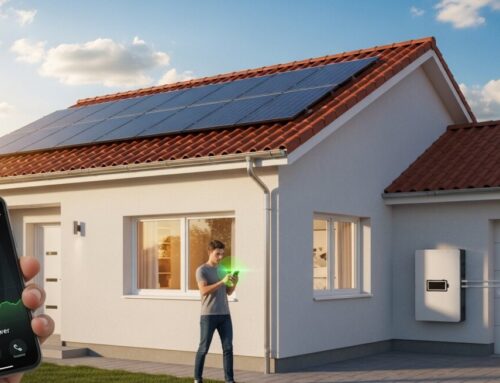
Standard grid-tied solar systems shut down during an outage for safety reasons. If you want backup power, you need a system with battery storage or a special inverter that isolates your home from the grid. Batteries add cost but provide energy independence.
What maintenance do solar panels need?
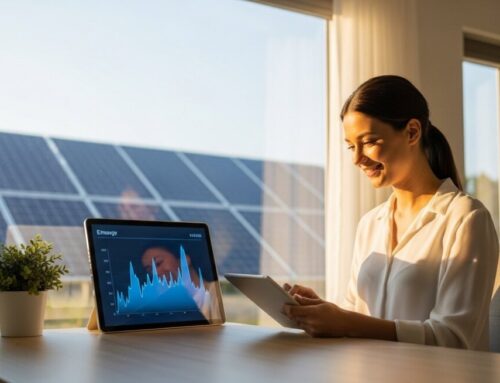
Solar panels require very little maintenance. Rain usually keeps them clean, but in dusty areas you may need an occasional rinse. Most systems come with monitoring software that alerts you if a panel stops working.
How long does it take to recoup the cost of solar installation?
Most homeowners break even within 6 to 10 years after installation. Factors like local electricity rates, available incentives, and your home’s sun exposure affect the payback period. After that, your electricity is essentially free for the remaining life of the system.
Are there government incentives for installing solar panels?
Yes, the federal solar tax credit currently allows you to deduct 30 percent of your installation costs from your federal taxes. Many states and utilities also offer rebates, tax credits, or net metering programs. An experienced installer can help you take advantage of all available incentives.
Will solar panels damage my roof?
When installed correctly by a professional, solar panels do not damage your roof. Installers use flashing and sealants to prevent leaks. In fact, panels can protect the roof area underneath them from sun and rain damage.
What happens if I move after installing solar?
You can either sell the solar system with your home or transfer the lease to the new owner. Homes with solar panels often sell faster and for a higher price. Buyers see the lower electricity bills as a major advantage.
Understanding what affects solar panel efficiency is the first step toward smarter energy choices. By comparing installation quotes from trusted professionals, you can find a system that fits your budget and maximizes your long-term savings. Take that step today and start turning sunlight into real financial freedom.