Solar Output Optimization Techniques for Home Savings
Your monthly electricity bill keeps climbing, and you wonder if there is a way to take control. Many homeowners are now searching for solar output optimization techniques to reduce their energy costs and rely less on the power grid. Solar panels can turn sunlight into savings, but getting the most from them requires more than just installing panels on your roof.
Understanding how to maximize solar production helps you lower your electricity bills and move toward energy independence. With the right approach, your solar system can generate more power, pay for itself faster, and reduce your household’s environmental footprint. This guide explains practical methods to boost solar output, what affects installation costs, and why comparing quotes from professional installers is essential.
Understanding Solar Output Optimization Techniques
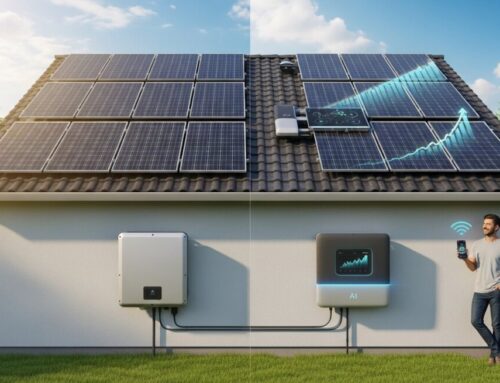
Solar output optimization techniques are strategies and technologies designed to increase the amount of electricity your solar panels produce. Think of it like tuning a car engine,small adjustments can improve performance significantly. These techniques include proper panel placement, using high-efficiency equipment, and adding devices like microinverters or power optimizers.
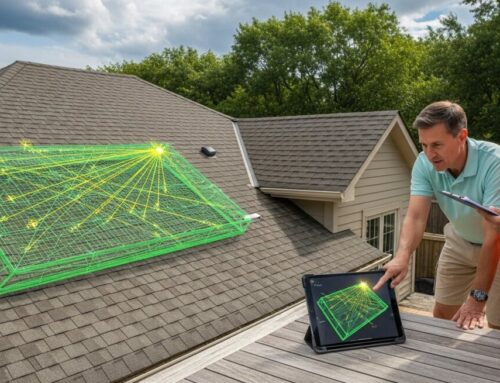
One key method is optimizing the angle and direction of your panels. In the Northern Hemisphere, panels facing south at a tilt matching your latitude capture the most sunlight. Shading from trees, chimneys, or nearby buildings can cut production by 20 percent or more, so trimming vegetation or using panel-level electronics helps recover lost energy.
More homeowners are adopting these techniques because they directly impact savings. A system that produces 10 percent more energy can save hundreds of dollars each year. As solar technology improves, optimization tools become more affordable and easier to integrate, making them a smart investment for anyone considering solar installation.
Why Solar Energy Is Becoming More Popular
Rising electricity prices are a primary motivator for homeowners switching to solar. The average cost of residential electricity has increased steadily over the past decade, and that trend shows no sign of reversing. Solar panels offer a way to lock in lower energy rates and protect your budget from future hikes.
Environmental concerns also drive the shift. Solar power produces clean, renewable energy without releasing carbon dioxide or other pollutants. By generating your own electricity, you reduce your household’s reliance on fossil fuels and contribute to a healthier planet.
Long-term savings remain the biggest draw. While the upfront cost of solar panels can seem high, federal tax credits, state rebates, and net metering programs reduce the price significantly. Over 20 to 25 years, most homeowners save tens of thousands of dollars on electricity bills, making solar one of the best home investments available.
If you are considering solar power for your home, comparing installation quotes can help you understand your options. Request a free solar quote or call (877) 262-1351 to learn more.
Common Questions Homeowners Have About Solar
Homeowners often wonder if solar panels are worth the investment. The answer depends on factors like your location, roof condition, and current electricity usage. Most homes in sunny states see a return on investment within 6 to 10 years, and panels typically last 25 years or longer.
Another common concern is roof suitability. Not every roof is ideal for solar,shading, age, and material all matter. A professional installer can assess your roof and recommend the best placement. Performance questions also arise, such as how panels work on cloudy days or during winter. Solar panels still generate electricity in diffuse light, though at reduced levels, and modern systems are designed to handle seasonal changes.
- How much does a typical solar system cost?
- Will solar panels work on my roof?
- How long do solar panels last?
- Do I need a battery for my solar system?
- What happens during a power outage?
- Are there financing options available?
How Solar Panel Installation Works
The installation process begins with a home energy assessment. An installer reviews your past electricity bills, evaluates your roof’s condition and sun exposure, and discusses your energy goals. This step ensures the system is sized correctly for your needs.
Next comes system design and permitting. The installer creates a custom layout, selects equipment like panels and inverters, and submits permits to your local building department. Once approved, the physical installation takes one to three days, depending on system complexity. After the panels are mounted and wired, the system is inspected and connected to the grid.
- Home energy assessment and site evaluation
- System design and equipment selection
- Permitting and approvals from local authorities
- Panel installation and electrical wiring
- System inspection and grid connection
- Activation and monitoring setup
Speaking with experienced installers can help you determine the best solar solution for your home. Compare solar quotes here or call (877) 262-1351 to explore available options.
Signs Your Home May Be Ideal for Solar
Homes with strong, unobstructed sunlight exposure are prime candidates for solar panels. A south-facing roof with little to no shading from trees or buildings captures the most energy throughout the day. Even east- or west-facing roofs can work well, though total production may be slightly lower.
High electricity bills are another clear sign. If you pay more than $100 per month for electricity, solar can reduce or eliminate that cost. Long-term home ownership also matters,solar panels pay off over time, so if you plan to stay for at least five to seven years, the investment makes strong financial sense.
- Your roof receives direct sunlight for most of the day
- Your monthly electricity bills are consistently high
- You have enough roof space (typically 300 to 500 square feet)
- Your roof is in good condition and less than 15 years old
- You plan to stay in your home for at least five more years
- Your local utility offers net metering or solar incentives
What Affects Solar Installation Costs
System size is the biggest factor in solar installation costs. A larger system that produces more electricity costs more upfront but also delivers greater long-term savings. Equipment quality also matters,premium panels and inverters have higher efficiency and longer warranties, which can justify a higher price.
Installation complexity adds to the cost. Roofs with steep pitches, unusual materials, or limited access require more labor and specialized equipment. Local permitting fees and labor rates vary by region, so getting multiple quotes helps you understand the fair market price for your area.
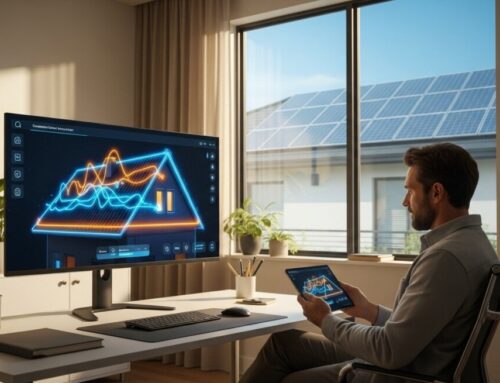
Government incentives significantly reduce the net cost. The federal solar tax credit currently allows you to deduct 30 percent of the system cost from your taxes. Many states offer additional rebates, performance-based incentives, or property tax exemptions. In our guide on how AI predicts solar output for bigger savings, we explain how modern tools maximize your return on investment.
The cost of solar installation varies depending on your home and energy needs. Request personalized solar quotes or call (877) 262-1351 to see what options are available.
Tips for Choosing a Reliable Solar Installer
Selecting the right installer ensures your system performs well and lasts for decades. Start by reviewing each company’s experience and credentials. Look for installers with North American Board of Certified Energy Practitioners (NABCEP) certification, which indicates advanced training and expertise.
Check warranties carefully. A good installer offers a workmanship warranty of at least 10 years, while equipment warranties typically cover panels for 25 years and inverters for 10 to 15 years. Reading customer reviews on platforms like Google, Yelp, or the Better Business Bureau gives insight into service quality and reliability.
- Verify installer licensing and insurance
- Ask about NABCEP certification or equivalent training
- Review equipment warranties (panels, inverters, roof penetration)
- Read recent customer reviews and testimonials
- Compare at least three quotes before deciding
- Request references from past installations in your area
Long-Term Benefits of Installing Solar Panels
Lower electricity bills are the most immediate benefit. Once your solar system is paid off, the electricity it generates is essentially free. Over 25 years, that can add up to $20,000 to $50,000 in savings, depending on your energy usage and local utility rates.
Solar panels also increase your home’s resale value. Studies show that homes with solar systems sell for 4 to 6 percent more than comparable homes without them. Buyers recognize the reduced utility costs and are willing to pay a premium. Meanwhile, producing your own clean energy reduces your carbon footprint by several tons per year, contributing to a more sustainable future.
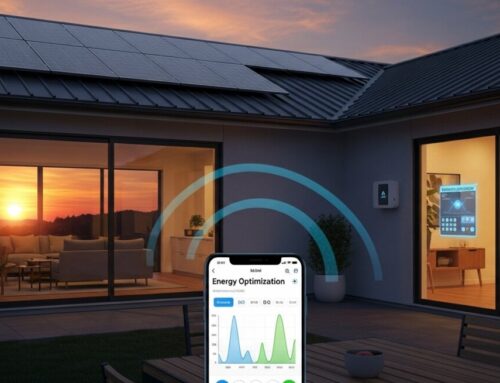
Energy independence is another powerful advantage. With a solar system,especially one paired with battery storage,you are less affected by grid outages and price fluctuations. You gain control over your energy source and protect your household from rising electricity costs. For a deeper look at how technology helps you save, read our article on solar output prediction and how it saves you money.
How much can I save by optimizing my solar output?
Optimization techniques can increase your system’s energy production by 5 to 25 percent. Over 25 years, this could mean thousands of dollars in additional savings. Factors like shading reduction, panel tilt adjustment, and using microinverters all contribute to higher output.
Do solar panels work during cloudy or rainy weather?
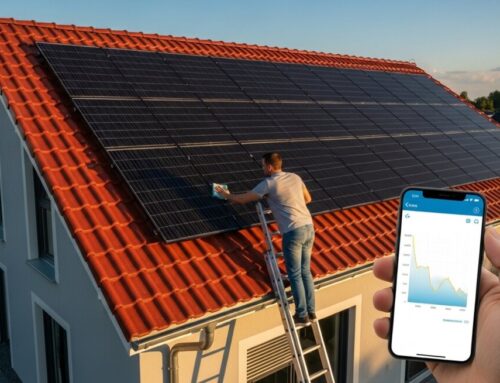
Yes, solar panels still generate electricity in cloudy weather, though at reduced efficiency,typically 10 to 25 percent of their rated capacity. Rain can actually help by washing away dust and debris, keeping panels clean and performing better when the sun returns.
What is the average payback period for solar panels?
The average payback period ranges from 6 to 10 years, depending on your location, electricity rates, and available incentives. After that point, the electricity your system produces is essentially free, providing decades of savings.
Can I install solar panels myself to save money?
DIY solar installation is possible but not recommended for most homeowners. Improper installation can lead to roof leaks, electrical hazards, and voided warranties. Professional installers ensure your system meets local codes, qualifies for incentives, and performs safely and efficiently.
How long do solar panels last before they need replacement?
Most solar panels come with a 25-year performance warranty and continue producing electricity beyond that, though at slightly reduced efficiency. Many panels still operate at 80 percent capacity after 30 years. Inverters typically need replacement after 10 to 15 years.
Will solar panels damage my roof?
When installed correctly by experienced professionals, solar panels do not damage your roof. Installers use flashing and sealants to prevent leaks, and panels can actually protect the roof underneath from weather exposure. A reputable installer will include a roof penetration warranty.
Are there government incentives for solar in my area?
The federal solar tax credit offers a 30 percent deduction on system costs through 2032. Many states and local utilities offer additional rebates, tax credits, or performance payments. Your installer can help identify all applicable incentives for your location.
What size solar system do I need for my home?
System size depends on your average monthly electricity usage, roof space, and sunlight hours. A typical home uses 800 to 1,200 kilowatt-hours per month and may need a 6 to 10 kilowatt system. A professional installer will calculate the right size during your assessment.
Maximizing your solar output is about making informed choices,from panel placement and equipment selection to working with a trusted installer. Each decision brings you closer to lower bills, greater energy independence, and a smaller environmental footprint. The best way to start is by exploring your options and seeing what works for your home.