Solar Energy for Large Scale Solar Farms: Slash Your Electric Bill
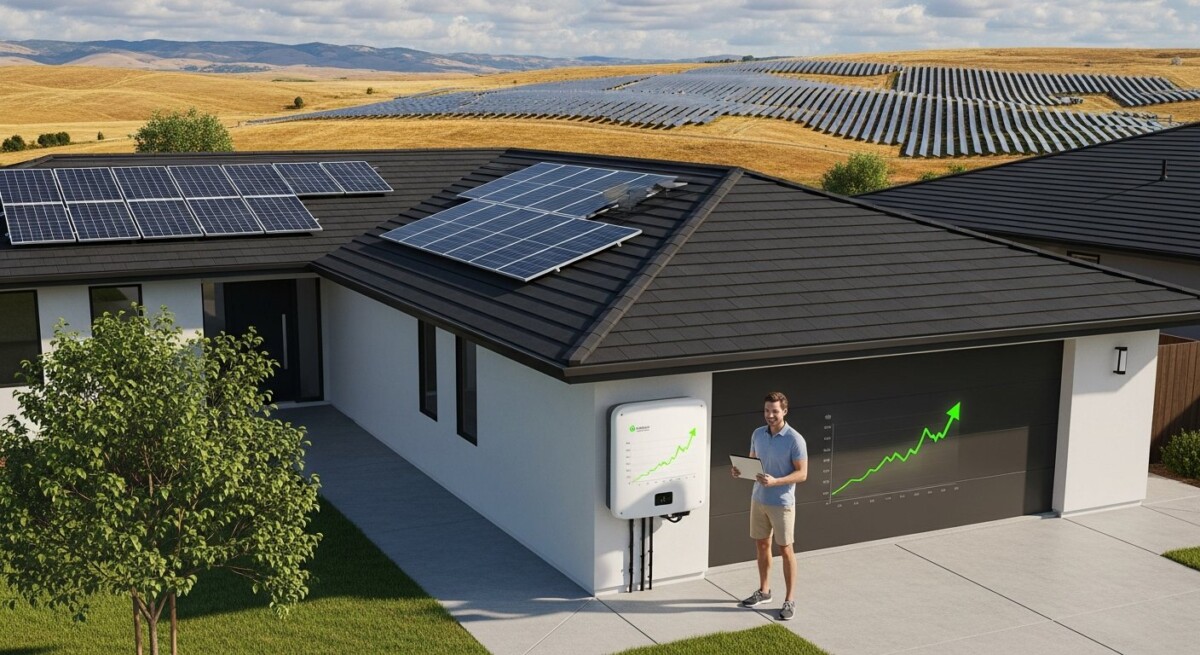
Imagine opening your monthly electric bill and seeing a number far lower than you expected. For many homeowners, rising electricity costs have turned that wish into a pressing need. You may have heard about solar energy for large scale solar farms and wondered if that technology could work for your own home. The good news is that the same principles powering massive solar installations are now available in systems designed for residential rooftops, helping you reduce energy bills and become less dependent on the power grid.
Understanding Solar Energy for Large Scale Solar Farms
Solar energy for large scale solar farms refers to vast arrays of photovoltaic (PV) panels that capture sunlight and convert it into electricity. These farms generate megawatts of power, feeding into the grid to supply entire communities. But the core technology behind those giant fields is exactly what is used in home solar systems.
When sunlight hits a solar panel, it excites electrons in the silicon cells, creating direct current (DC) electricity. An inverter then converts that DC power into alternating current (AC), which your home appliances use. More homeowners are considering this approach because it offers a proven way to lock in lower electricity rates for decades.
How Residential Systems Mirror Utility-Scale Technology
While a large scale solar farm might cover hundreds of acres, a home system uses the same high-efficiency panels and inverters. The main difference is size and scale. By installing panels on your roof or in your yard, you essentially create your own personal power plant.
Why Solar Energy Is Becoming More Popular
Electricity rates have risen steadily over the past decade, and there is no sign of that trend reversing. Homeowners are tired of unpredictable bills and are searching for stable, long-term solutions. Solar power offers exactly that: a way to generate your own electricity and reduce reliance on utility companies.
Environmental concerns also play a major role. Solar energy produces no greenhouse gases during operation, making it one of the cleanest energy sources available. For families who want to shrink their carbon footprint, switching to solar is a practical and impactful step. The long-term financial savings, combined with the satisfaction of using renewable energy, make this an increasingly attractive option.
If you are considering solar power for your home, comparing installation quotes can help you understand your options. Request a free solar quote or call to learn more.
Common Questions Homeowners Have About Solar
Many homeowners hesitate because they are unsure about installation costs. The truth is that prices have dropped dramatically over the past decade, and federal tax credits can cover up to 30% of the total system cost. Another frequent concern is roof suitability,whether your roof gets enough sun or has the right angle for panels.
Performance is also a common worry. Will your system work on cloudy days or during winter? Modern panels are highly efficient and can still generate electricity in diffuse light. Professional installers can evaluate your specific situation and design a system that meets your energy needs.
- How much does a typical home solar system cost?
- Will solar panels work on my roof?
- What happens if my panels produce more electricity than I use?
- How long do solar panels last?
- Do I need to replace my roof before installing solar?
- What maintenance is required for solar panels?
How Solar Panel Installation Works
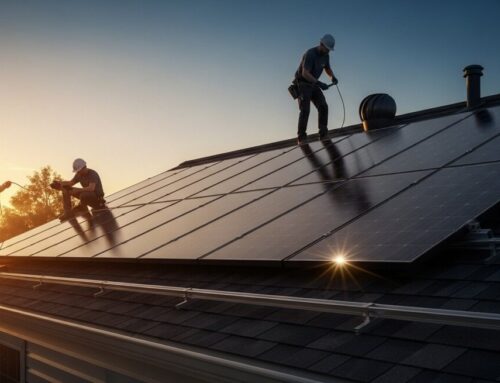
The installation process is straightforward when you work with experienced professionals. It starts with a thorough assessment of your home’s energy use and roof characteristics. From there, the installer designs a custom system that maximizes your savings.
Once you approve the design, the installer handles all permits and approvals with your local utility and municipality. This step ensures your system meets all safety and code requirements. After the panels are mounted and wired, the system is inspected and activated, usually within a few weeks.
- Home energy assessment to understand your usage patterns
- System design tailored to your roof and energy goals
- Permits and approvals from local authorities and your utility company
- Professional panel installation by certified technicians
- System activation and connection to the power grid
Speaking with experienced installers can help you determine the best solar solution for your home. Compare solar quotes here or call to explore available options.
Signs Your Home May Be Ideal for Solar
Not every home is equally suited for solar panels, but many are. The most important factor is sunlight exposure. Homes with south-facing roofs that receive direct sunlight for most of the day are prime candidates. Even east- or west-facing roofs can work well with modern panel designs.
Another strong indicator is your monthly electricity bill. If you pay $100 or more each month, solar can likely save you money. Additionally, if you plan to stay in your home for several years, the upfront investment pays off through lower monthly bills over time.
- Your roof receives strong sunlight for at least four hours per day
- Your monthly electricity bills are consistently high
- You have adequate roof space without too many obstructions
- You plan to stay in your home for the next five years or more
- Your local utility offers net metering or other solar incentives
- Your roof is in good condition and less than ten years old
What Affects Solar Installation Costs
The size of your system is the biggest cost driver. A larger system that covers more of your energy needs will cost more upfront but also deliver greater long-term savings. Equipment quality also matters,premium panels and inverters perform better and often come with longer warranties.
Installation complexity can raise costs if your roof has unusual angles, multiple stories, or requires structural reinforcement. Local incentives, such as state tax credits or utility rebates, can significantly lower your net cost. In our guide on how to use AI for solar energy, we explain how to estimate your potential savings more accurately.
The cost of solar installation varies depending on your home and energy needs. Request personalized solar quotes or call to see what options are available.
Tips for Choosing a Reliable Solar Installer
Choosing the right installer is just as important as choosing the right equipment. A reputable company will conduct a thorough site visit, provide a detailed written estimate, and explain all warranties clearly. They should also be licensed, insured, and have positive reviews from past customers.
Always compare multiple quotes before making a decision. Pricing and system designs can vary significantly between installers. By gathering several bids, you gain leverage and insight into what a fair price looks like for your specific home.
- Review the installer’s experience and ask for references
- Check the warranties offered on panels, inverters, and workmanship
- Read customer reviews on independent platforms like Google or Yelp
- Compare at least three quotes to ensure competitive pricing
- Ask about financing options, including loans and leases
- Verify the installer’s certifications, such as NABCEP
Long-Term Benefits of Installing Solar Panels
The most immediate benefit is lower electricity bills. Many homeowners reduce their monthly costs by 50% to 90%, and some achieve net-zero energy bills. Over the 25- to 30-year lifespan of a solar system, those savings can add up to tens of thousands of dollars.
Solar panels also increase your home’s resale value. Studies show that homes with solar systems sell for a premium compared to similar homes without them. Beyond financial gains, you gain energy independence,protecting yourself from future rate hikes and grid outages. And by using clean, renewable energy, you are directly contributing to a healthier planet for future generations.
Frequently Asked Questions
How does solar energy for large scale solar farms differ from home solar?
The technology is essentially the same, only scaled up. Large solar farms use thousands of panels to generate power for the grid, while home systems use a smaller number of panels to power a single household. Both rely on photovoltaic cells to convert sunlight into electricity.
Can I really save money with solar panels?
Yes, most homeowners see significant savings on their electricity bills. The exact amount depends on your local utility rates, the size of your system, and available incentives. On average, homeowners save between $10,000 and $30,000 over the life of their system.
What happens if my solar panels produce more power than I use?
With net metering, excess power is sent back to the grid, and your utility credits you for that energy. Those credits can offset the electricity you use at night or during cloudy days. Policies vary by state and utility, so it is important to check local rules.
How long do solar panels last?
Most solar panels come with a 25-year performance warranty, but they can continue producing electricity for 30 years or more. Panels slowly degrade over time, typically losing about 0.5% to 1% of their efficiency each year.
Do I need to clean my solar panels regularly?
In most areas, rain is enough to keep panels clean. However, if you live in a dusty region or have trees nearby, occasional cleaning may improve performance. A professional installer can advise you on the best maintenance schedule for your location.
Will solar panels work during a power outage?
Standard grid-tied solar systems shut off during a blackout for safety reasons. If you want backup power during outages, you can add a battery storage system. Batteries store excess energy for use when the grid goes down.
What solar incentives are available for homeowners?
The federal Investment Tax Credit (ITC) allows you to deduct 30% of your solar installation cost from your federal taxes. Many states and utilities also offer additional rebates, tax credits, or performance-based incentives. Your installer can help you identify all available programs.
How do I find the best solar installer near me?
Start by getting multiple quotes from licensed, insured, and certified installers. Read reviews and ask for references. Comparing quotes side by side helps you see differences in equipment, pricing, and service quality. For more insights, check out our article on AI tools for solar energy that can simplify your research.
Solar energy offers a practical path to lower bills, energy independence, and a cleaner environment. By understanding your options and working with trusted professionals, you can make a confident decision that benefits your home and your wallet for decades. Start today by comparing solar installation quotes from multiple providers to find the best fit for your needs.